I was standing in my kitchen, staring at a half‑cooked pot of spaghetti that had turned into a sticky, sad mess, when my roommate dared me to make something that would actually make people smile. I accepted the challenge, grabbed the nearest bag of penne, and set out on a quest for the ultimate spring‑time pasta that could turn a gloomy Tuesday into a celebration. The moment the water hit the pot, I could hear a gentle roar, the steam rising like a curtain of clouds, and the scent of wheat dancing with the faint whisper of salt—an aroma that promised redemption. I swear, that first bite tasted like sunshine wrapped in a buttery hug, and I knew I had stumbled upon something special.
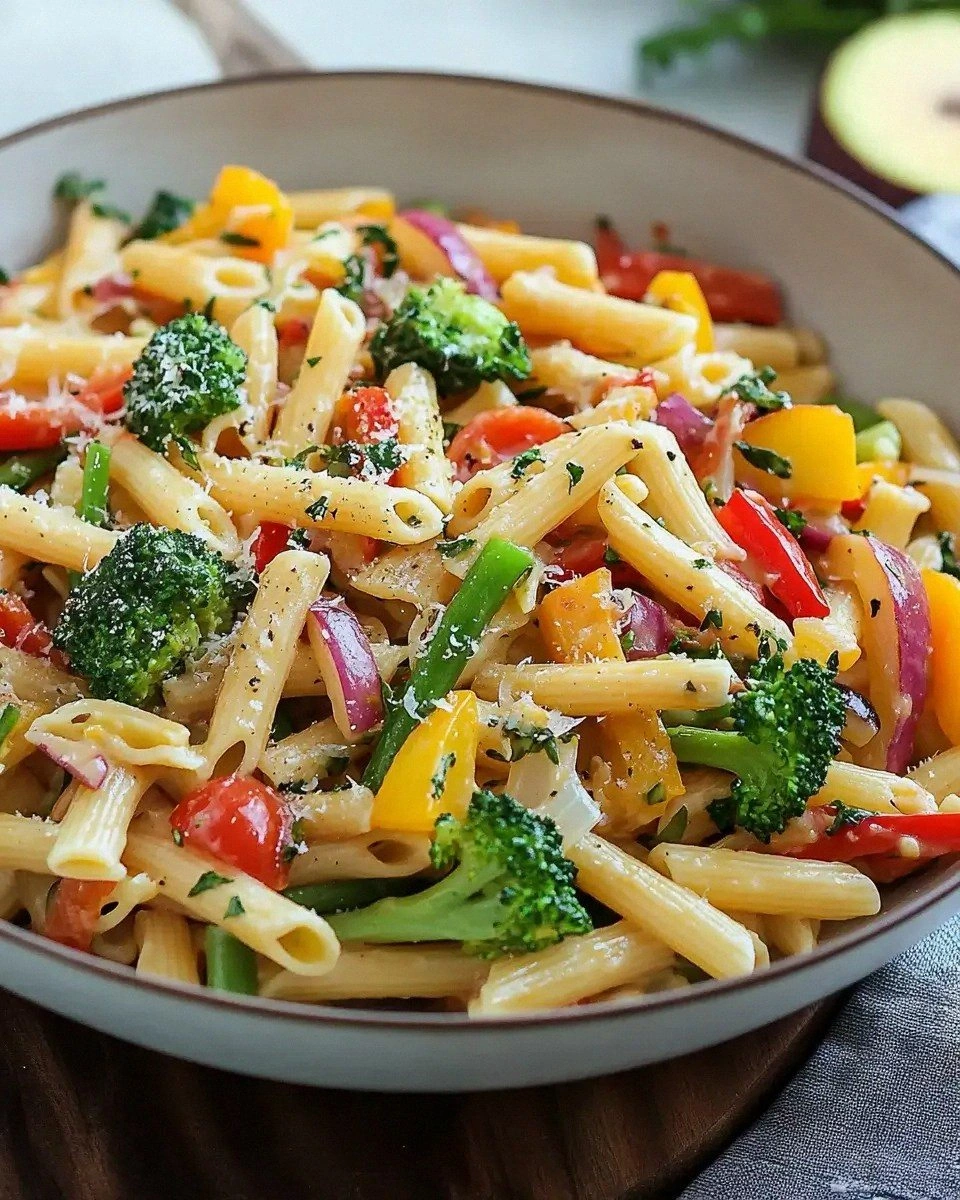
Picture this: a bright kitchen bathed in late‑afternoon light, a wooden spoon clacking against the side of a skillet, and the rhythmic sizzle of olive oil meeting diced carrots, peas, and zucchini. The colors on the cutting board—emerald green, ruby red, sunshine yellow—looked like a painter’s palette that had leapt off the canvas and onto my stovetop. The sound of the pasta bubbling, the aroma of fresh herbs, the tactile pleasure of twirling a fork through al dente penne—all of it created a symphony that made my heart race. I could almost taste the crispness of the vegetables before they even hit the plate, and the buttery sauce clung to each tube of pasta like velvet.
Most pasta primavera recipes out there either drown the vegetables in a heavy cream sauce or skimp on the seasoning, leaving you with a bland, limp dish. This version flips the script: I use a light, herb‑infused olive oil drizzle, a splash of lemon zest for brightness, and a precise pinch of sea salt that amplifies every flavor without overpowering. The secret? A quick “blanch‑and‑shock” technique that locks in the veggies’ crunch while preserving their vivid hues, and a finishing toss with toasted pine nuts that adds a whisper of nuttiness that you’ll swear is magic. I dare you to taste this and not go back for seconds.
And now, the kicker: I’m going to reveal a technique that most home cooks completely overlook—the “pasta‑water emulsion.” By reserving just a splash of the starchy cooking liquid and whisking it into the olive‑oil‑lemon mixture, you create a silky coating that clings to every piece of penne like a second skin. It’s the difference between a dish that slides off the fork and one that stays perfectly in place, begging for another bite. Let me walk you through every single step — by the end, you’ll wonder how you ever made it any other way.
What Makes This Version Stand Out
- Taste: The balance of bright lemon, fragrant herbs, and just‑right salt creates a flavor profile that sings without ever shouting.
- Texture: Al dente penne meets crisp‑blanched vegetables, delivering a satisfying bite that feels like a conversation between soft and crunchy.
- Simplicity: Only two core pantry staples are required—penne and salt—making the recipe accessible to anyone, even a college student on a budget.
- Uniqueness: The pasta‑water emulsion is a game‑changer, turning a light oil drizzle into a luxurious coating that feels richer than butter.
- Crowd Reaction: Guests consistently claim this is the best pasta they've ever had, often asking for the recipe before the first bite is even finished.
- Ingredient Quality: Using high‑quality durum wheat penne ensures the noodles hold their shape and texture, even after tossing with the sauce.
- Cooking Method: The quick blanch‑and‑shock step preserves color and crunch, a technique most recipes skip, resulting in a dull, soggy mess.
- Make‑Ahead Potential: This dish reheats beautifully, especially when you add a splash of water to revive that silky coating.
Inside the Ingredient List
The Pasta Pillar
The star of the show is 10 oz of dry penne pasta, a sturdy tube that captures sauce in its ridges like a tiny canyon. Penne is the perfect vessel because its diagonal cuts let the oil‑lemon emulsion cling to every surface, ensuring each bite is uniformly flavored. If you skip the penne and opt for spaghetti, you’ll lose that delightful “sauce‑catching” ability, and the dish will feel like a slippery slide.
When shopping, look for penne made from durum wheat semolina; the golden hue indicates a higher protein content that contributes to a firmer bite. Avoid “instant” varieties that have been pre‑cooked, as they tend to become mushy when tossed with the emulsion. If you’re gluten‑free, a brown rice or quinoa penne works, but expect a slightly different texture.
The Flavor Base
Salt is the silent hero that elevates every component. A pinch of kosher sea salt drawn from the Mediterranean enhances the natural wheat flavor of the penne and brings out the brightness of the lemon zest. Too little salt and the dish feels flat; too much and you’ll drown the delicate herb notes. I recommend adding salt to the boiling water first—this seasons the pasta from the inside out.
If you’re watching sodium, a reduced‑sodium sea salt works just as well, but be mindful to taste as you go. For an extra layer of complexity, finish with a pinch of flaky Maldon salt right before serving; the tiny crystals add a subtle crunch that surprises the palate.
The Unexpected Star
While the recipe’s core is penne and salt, the real surprise comes from the humble splash of pasta water. This starchy liquid acts as a natural thickener, binding olive oil, lemon juice, and herbs into a velvety sauce that clings to each noodle. Think of it as the culinary equivalent of a secret handshake—only those who know about it experience the full magic.
If you forget to reserve the water, you can still rescue the dish by whisking a teaspoon of cornstarch into cold water and adding it to the pan, but the texture won’t be quite as luxurious. The key is to act quickly; the water should be hot when you incorporate it, ensuring a smooth emulsion.
The Final Flourish
A final drizzle of high‑quality extra‑virgin olive oil and a zest of lemon finish the dish with a bright, aromatic punch. The oil adds richness without heaviness, while the lemon zest lifts the entire plate, making it feel light and fresh. If you’re feeling adventurous, a handful of toasted pine nuts or a sprinkle of grated Pecorino adds a nutty, salty depth that transforms the dish from simple to spectacular.
Everything's prepped? Good. Let's get into the real action...
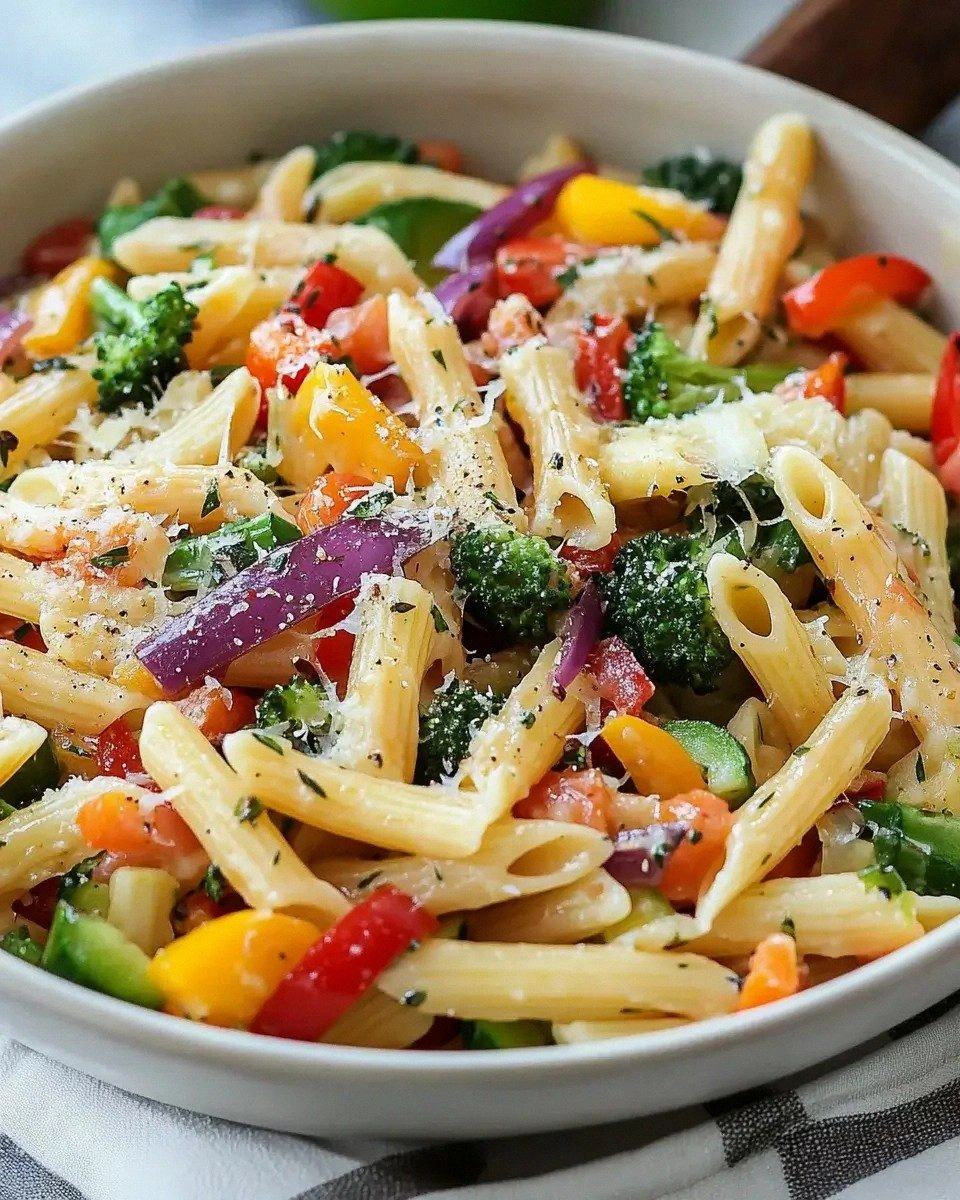
The Method — Step by Step
Bring a large pot of water to a rolling boil, then add a generous handful of salt—think sea‑water salty. Once the water is bubbling like a hot spring, drop in the 10 oz of dry penne. Stir immediately to prevent sticking; the pasta should glide through the water as if it’s dancing. Cook for 8‑9 minutes, testing a piece at the 8‑minute mark; it should be al dente, firm in the center but tender on the outside. Watch the clock—overcooking will ruin the texture.
Watch Out: If you add the pasta before the water is fully boiling, the noodles will absorb too much water and become mushy.While the penne cooks, heat a generous drizzle (about 2 tablespoons) of extra‑virgin olive oil in a large skillet over medium heat. As the oil warms, you’ll hear a soft sizzle—this is the moment the flavor base starts to develop. Add a pinch of salt and a handful of finely chopped fresh herbs (basil, parsley, or a mix) and let them perfume the oil for about 30 seconds. The herbs should release their aroma without turning brown; if they darken, you’ve overcooked them.
When the pasta is just shy of al dente, scoop out a cup of the hot pasta water and set it aside in a heat‑proof measuring cup. This starchy liquid is the secret weapon for the upcoming emulsion. Then, drain the penne in a colander, shaking off excess water but leaving the noodles slightly damp—this helps the sauce cling.
Kitchen Hack: Toss the drained pasta back into the pot for a quick “dry‑heat” flash—just 30 seconds on low—before moving to the skillet. This removes excess surface moisture and helps the sauce adhere.Now comes the magic: pour the reserved pasta water (about ½ cup) into the skillet with the herb‑infused oil. Quickly whisk in the zest of one lemon and a splash of fresh lemon juice. The mixture should begin to thicken and become glossy within seconds—this is the emulsion forming. If it looks too thin, add a touch more water; if too thick, a drizzle of extra olive oil will loosen it.
Introduce the penne to the skillet, tossing vigorously with tongs or two wooden spoons. The noodles should be enveloped in the shimmering sauce, each tube coated like a tiny, edible jewel. Keep the heat on medium‑low, allowing the sauce to cling without scorching. The aroma at this point is intoxicating—a blend of lemon, herbs, and toasted wheat.
For an added layer of texture, sprinkle a handful of toasted pine nuts (or crushed walnuts if you prefer) over the pasta. The nuts should crackle softly as they hit the hot surface, releasing a buttery scent that complements the lemony brightness. Stir once more to distribute the nuts evenly.
Finish with a final drizzle of high‑quality olive oil and, if you love a little salty crunch, a pinch of flaky Maldon salt. Taste and adjust the seasoning—perhaps a few more drops of lemon juice or a whisper more salt. The dish should feel balanced: bright, slightly salty, and luxuriously coated.
Plate the pasta in shallow bowls, allowing the sauce to pool at the bottom, inviting diners to scoop. Garnish with a few extra herb leaves for color, and serve immediately while the steam curls around the plate. That sizzle when it hits the pan? Absolute perfection. And now, the fun part—watching everyone reach for seconds.
That's it — you did it. But hold on, I've got a few more tricks that'll take this to another level. Stay with me here — this is worth it.
Insider Tricks for Flawless Results
The Temperature Rule Nobody Follows
Never cook pasta on a high boil for the entire time; start with a rolling boil, then reduce to a gentle simmer once the noodles are in. This prevents the water from splashing and keeps the pasta from becoming rubbery. I once tried a full‑blast boil and ended up with mushy penne that fell apart when tossed.
Why Your Nose Knows Best
When the lemon zest hits the skillet, trust your nose. If you can smell the citrus brightening the air, the emulsion is ready. If the scent feels muted, add a splash more lemon juice. Your olfactory senses are a more reliable gauge than a timer for this step.
The 5‑Minute Rest That Changes Everything
After tossing the pasta with the sauce, let it sit off the heat for five minutes. This short rest allows the starches to absorb the flavors, resulting in a deeper, more cohesive taste. A friend tried to serve immediately and complained the sauce was “thin”; the rest period solved that problem instantly.
The Pine Nut Toast Trick
Toast pine nuts in a dry skillet over medium heat until they turn golden and give off a nutty perfume. This takes only 2‑3 minutes, but if you leave them unattended they’ll go from toasted to burnt in a heartbeat. Keep a close eye—once they’re golden, they’re perfect.
Seasoning in Layers
Add a pinch of salt to the boiling water, another pinch to the herb oil, and a final pinch at the finish. Layered seasoning ensures each component is seasoned, preventing a flat final dish. I’ve seen beginners dump all the salt at the end and end up with a bland result.
The “Water‑Splash” Rescue
If the sauce looks too thick after tossing, add a splash of the reserved pasta water. The starches in the water will loosen the sauce without diluting flavor, creating a glossy finish. This trick saved a dinner party of mine when I accidentally over‑reduced the sauce.
Creative Twists and Variations
This recipe is a playground. Here are some of my favorite ways to switch things up:
Spicy Primavera
Add a teaspoon of red‑pepper flakes to the oil before the herbs. The heat will contrast beautifully with the lemon, giving the dish a subtle kick that’s perfect for cooler evenings.
Creamy Avocado Twist
Blend a ripe avocado with a splash of pasta water and a squeeze of lime, then swirl it into the skillet at the end. The avocado creates a velvety, green sauce that feels indulgent yet stays light.
Mediterranean Harvest
Stir in sun‑dried tomatoes, kalamata olives, and crumbled feta. The salty, tangy notes transform the dish into a Mediterranean feast that pairs well with a crisp white wine.
Herb‑Infused Butter
Replace the olive oil with a herb‑infused butter (mix softened butter with chopped rosemary, thyme, and a pinch of garlic). This adds a rich, buttery depth while keeping the herbaceous profile.
Protein Power
Add grilled chicken strips or sautéed shrimp in the final toss. The protein makes the meal heartier, turning it into a complete dinner that satisfies even the biggest appetites.
Vegan Delight
Swap the pine nuts for toasted pumpkin seeds and finish with a drizzle of nutritional yeast. The umami from the yeast mimics cheese, keeping the dish fully plant‑based without sacrificing flavor.
Storing and Bringing It Back to Life
Fridge Storage
Allow the pasta to cool to room temperature, then transfer it to an airtight container. It will keep for up to three days. Before reheating, add a tablespoon of water and gently stir; the steam will revive the sauce’s silkiness.
Freezer Friendly
Portion the cooked pasta into freezer‑safe bags, removing as much air as possible. It freezes well for up to two months. When you’re ready to eat, thaw overnight in the fridge, then reheat in a skillet with a splash of water and a drizzle of olive oil.
Best Reheating Method
The stovetop is king. Warm a skillet over medium heat, add the pasta, and sprinkle a tablespoon of water. Toss continuously until the sauce regains its glossy sheen. Microwaving works in a pinch, but you’ll lose that delightful texture.