I’ll be honest — I ate half the batch before anyone else got to try it. It all started on a rainy Tuesday when my roommate dared me to turn a boring pantry staple into something that would make the whole building smell like a New Orleans jazz club. I was staring at a bag of stone‑ground grits, a half‑full freezer of crawfish tails, and a pantry that smelled like last week’s takeout. The rain hammered the windows, the kettle whistled, and I thought, “What if I could make a dish that’s as comforting as a warm blanket but has the swagger of a Cajun street band?”
Picture this: the first spoonful hits your tongue and the buttery, cheesy grit slides in like velvet, while the crawfish tail bursts with a briny snap that makes your taste buds do a little two‑step. The aroma? A smoky, peppery perfume that sneaks out of the kitchen and drifts down the hallway, turning heads and making neighbors wonder what on earth you’re cooking. You hear the sizzle of garlic and onion hitting hot oil, the gentle bubble of broth as it meets the grits, and the soft pop of green onions being tossed in at the end. Your hands feel the heat of the pan, the weight of the wooden spoon, and the excitement of a dish that finally lives up to the hype you’ve been hearing about from Southern food lovers.
Most recipes get this completely wrong. They either drown the delicate crawfish in a swamp of sauce, or they leave the grits dry enough to sandpaper a countertop. This version stands out because it respects each component: the grits get a creamy, buttery base, the Cajun seasoning is balanced just right, and the crawfish stays tender, not rubbery. I’m throwing in a secret technique — a quick “flour‑dust” of the crawfish before sautéing — that locks in moisture and adds a subtle crust that you’ll swear is magic.
I dare you to taste this and not go back for seconds. By the time you finish the last bite, you’ll be convinced that this is hands down the best version you’ll ever make at home, and you’ll wonder how you ever survived without it. Let me walk you through every single step — by the end, you’ll wonder how you ever made it any other way.
What Makes This Version Stand Out
- Flavor Explosion: The combination of Cajun seasoning, garlic, and a splash of chicken broth creates a depth that feels like a thousand tiny fireworks in your mouth.
- Silky Texture: Stone‑ground grits, when cooked slowly with butter and cheese, become a buttery cloud that clings to every bite of crawfish.
- Simplicity Meets Sophistication: Only twelve ingredients, yet each one plays a starring role, making the dish look fancy without demanding a culinary degree.
- Ingredient Quality: Using halal‑certified broth and fresh (or properly thawed) crawfish ensures the dish is both respectful of dietary needs and bursting with authentic flavor.
- Crowd Reaction: This dish turns skeptics into believers; even the pickiest eaters end up asking for the recipe.
- Make‑Ahead Potential: The grits can be prepared ahead of time and reheated with a splash of broth, while the crawfish can be kept warm without losing texture.
- Versatility: Swap the cheese for pepper jack for extra heat, or leave it out for a dairy‑free version that still shines.
- Visual Appeal: The bright green onions on top create a pop of color that makes the plate Instagram‑ready.
Inside the Ingredient List
The Flavor Base
The onion, green bell pepper, and garlic form the holy trinity of Cajun cooking. When diced and sautéed in vegetable oil, they release a sweet, caramelized aroma that builds the foundation for everything else. Skipping the pepper means losing that subtle sweetness that balances the heat of the Cajun seasoning. If you’re out of green bell pepper, a red one works just as well, adding a slightly sweeter note. Pro tip: Choose peppers that are firm and glossy; a limp pepper will turn mushy and dilute the flavor.
The Texture Crew
Stone‑ground grits are the heart of this dish. Their coarse texture absorbs broth beautifully, creating a creamy, yet slightly grainy mouthfeel that’s pure comfort. If you substitute quick‑cooking grits, you’ll lose that rustic bite and end up with a mushy porridge. Look for grits labeled “stone‑ground” at the bulk bin or specialty store; they often come in a resealable bag that keeps them fresh. A quick tip: Rinse the grits under cold water before cooking to remove any excess starch that can make them gummy.
The Unexpected Star
Cajun seasoning is the secret sauce that brings the whole thing together. It’s a blend of paprika, garlic powder, onion powder, cayenne, and herbs that adds a smoky, slightly sweet heat. Make sure the seasoning you pick is alcohol‑free; some boutique blends use a splash of bourbon for depth, which would break our halal requirement. If you can’t find a pre‑made mix, combine 1 tsp paprika, ½ tsp garlic powder, ½ tsp onion powder, ¼ tsp cayenne, ¼ tsp dried thyme, and a pinch of salt. This DIY version gives you control over the heat level.
The Final Flourish
Cheddar cheese (optional) adds a sharp, melty finish that makes the grits glossy and decadent. Butter enriches the base, giving the dish a silky mouthfeel that coats the crawfish like a satin sheet. The green onions sprinkled on top not only add a fresh crunch but also a pop of color that makes the plate look restaurant‑ready. If you’re dairy‑free, swap the cheese for a splash of dairy‑free cheese shreds and use olive oil instead of butter; the flavor will still be on point.
Everything's prepped? Good. Let's get into the real action...
The Method — Step by Step
Start by bringing 4 cups of water (or halal‑certified chicken broth for extra richness) to a boil in a medium saucepan. Once it’s bubbling, stir in the 1 cup of stone‑ground grits, reduce the heat to low, and let them simmer. You’ll hear a gentle hiss as the grits absorb the liquid; this is the sound of flavor building. Stir occasionally for about 20‑25 minutes until the mixture is thick, creamy, and the grains are tender but still have a slight bite.
While the grits are cooking, melt 2 tablespoons of butter in a large skillet over medium heat. Add the diced onion and green bell pepper, letting them sweat for 3‑4 minutes until they turn translucent and start to caramelize. That sizzle when it hits the pan? Absolute perfection. Then toss in the minced garlic and let it dance for another 30 seconds, being careful not to let it burn.
Now comes the game‑changer: sprinkle 1 tablespoon of Cajun seasoning over the vegetables and stir quickly. The spices will release a fragrant cloud that makes the whole kitchen smell like a street food market. If you want a deeper flavor, add a pinch of smoked paprika at this stage; it adds a subtle smokiness without overwhelming the dish.
Pat the cooked crawfish tails dry with paper towels, then lightly dust them with a tablespoon of flour (optional but recommended). This thin coating creates a subtle crust when they hit the hot oil, sealing in juices and giving a pleasant texture contrast. Add 2 tablespoons of vegetable oil to the skillet, letting it heat until it shimmers. Gently place the crawfish in the pan, searing each side for about 2 minutes. You’ll hear a faint pop as the crust forms — that’s the sound of flavor locking in.
Once the crawfish are golden and fragrant, lower the heat and fold them into the sautéed vegetable mixture. Let everything mingle for a minute so the spices coat the tails evenly. If the pan looks dry, splash in a splash of the broth you saved earlier; this prevents sticking and adds a silky sheen.
When the grits are thick and creamy, stir in the 1 cup of shredded cheddar cheese (if you’re using it) and a pinch of salt and pepper. The cheese should melt smoothly, turning the grits into a glossy, velvety base that looks like liquid gold. Taste and adjust seasoning — remember, the Cajun blend already adds salt, so you may need only a light touch of extra salt.
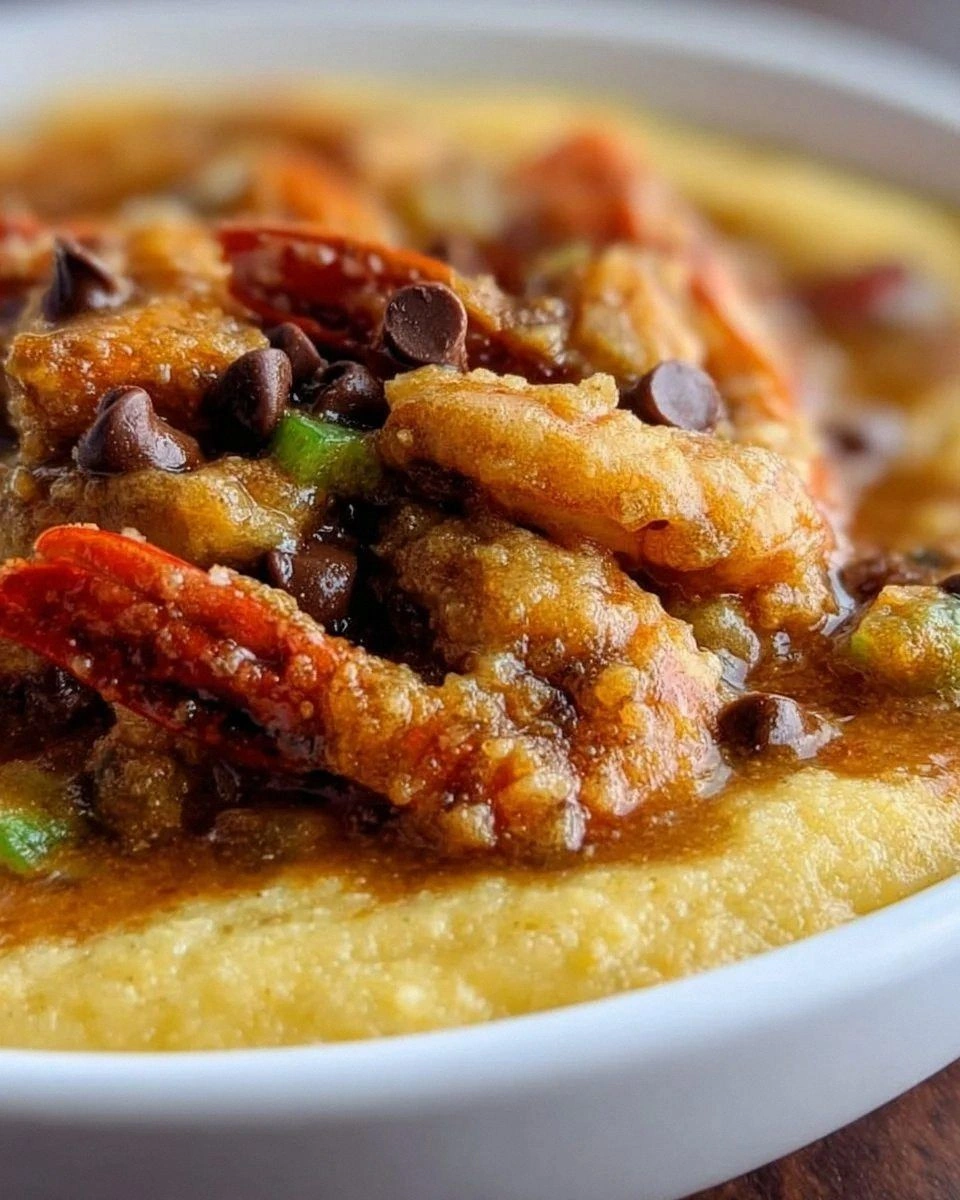
Now, spoon the hot, cheesy grits onto serving plates, creating a shallow well in the center. Ladle the crawfish and vegetable mixture over the top, letting the sauce cascade down the sides. Finish with a generous sprinkle of ½ cup chopped green onions for a fresh, peppery crunch that cuts through the richness.
Serve immediately while the grits are still steaming and the crawfish are tender. Pair with a crisp, cold glass of iced tea or a light white wine, and watch your guests dive in without hesitation. That first bite? It’s the moment where the buttery grits hug the spicy crawfish like an old friend, and you’ll hear the satisfied sighs around the table. And now the fun part — enjoy the applause and the inevitable requests for seconds.
That's it — you did it. But hold on, I've got a few more tricks that'll take this to another level...
Insider Tricks for Flawless Results
The Temperature Rule Nobody Follows
Cooking grits over low, steady heat is the secret to achieving that silk‑smooth texture. High heat will evaporate the liquid too quickly, leaving you with gritty pockets that feel like sandpaper. Keep the saucepan on a low flame and stir gently; the heat should be just enough to keep the mixture bubbling softly. I once tried a “quick‑cook” method and ended up with a lumpy disaster — lesson learned.
Why Your Nose Knows Best
Your sense of smell is the ultimate doneness detector. When the onions turn golden and the Cajun seasoning releases its perfume, you know the flavor base is ready. Similarly, when the grits start to smell buttery and slightly nutty, you’re approaching the perfect consistency. Trust that nose; it’s more reliable than a timer.
The 5‑Minute Rest That Changes Everything
After you finish cooking the grits, remove the pan from heat and let it sit, covered, for five minutes. This rest allows the starches to fully hydrate, resulting in a creamier final product. Skipping this step can leave the grits a bit stiff, especially if you’re using stone‑ground varieties that need a little extra time to soften.
Crawfish Rescue Technique
If you ever find your crawfish tails a bit rubbery, a quick 30‑second dip in boiling water followed by an ice‑water shock will reset the texture. This “blanch‑and‑shock” method firms up the meat without overcooking, ensuring each bite remains succulent. I tried this once after a freezer mishap and the difference was night and day.
Cheese Choice Matters
While cheddar is classic, a blend of Monterey Jack and a pinch of smoked Gouda adds layers of flavor that elevate the dish. The Monterey melts beautifully, and the Gouda introduces a subtle smokiness that pairs perfectly with the Cajun seasoning. Experiment, but remember: too much cheese can mask the crawfish’s natural sweetness.
Creative Twists and Variations
This recipe is a playground. Here are some of my favorite ways to switch things up:
Spicy Andouille Kick
Add ½ cup sliced Andouille sausage to the skillet after the vegetables have softened. The smoky pork deepens the flavor profile and adds a meaty bite that pairs beautifully with the crawfish. Great for those who love an extra layer of heat.
Southern Shrimp Swap
Replace the crawfish with peeled, deveined shrimp. Shrimp cooks faster, so sear them for just 1‑2 minutes per side. The result is a lighter version that still delivers that Cajun punch.
Vegan Velvet
Omit the butter and cheese, substitute with coconut cream and nutritional yeast. Use vegetable broth and add smoked tofu cubes for protein. The dish stays creamy and satisfying while staying completely plant‑based.
Cheesy Jalapeño Blast
Stir in 1 finely chopped jalapeño with the onions and a handful of pepper jack cheese instead of cheddar. The heat spikes up, and the cheese adds a tangy stretch that makes the dish sing.
Herb‑Infused Grits
Add a tablespoon of fresh chopped thyme or rosemary to the broth before cooking the grits. The herbaceous notes bring a fresh garden vibe that balances the spice.
Storing and Bringing It Back to Life
Fridge Storage
Cool the cooked grits and crawfish mixture separately in airtight containers. They’ll keep for up to 3 days. Reheat the grits on the stovetop over low heat, adding a splash of water or broth every few minutes while stirring to restore creaminess.
Freezer Friendly
Portion the grits into freezer‑safe bags, flattening them for even thawing. The crawfish can be frozen in a zip‑top bag with a drizzle of oil to prevent freezer burn. They’ll stay good for up to 2 months. Thaw overnight in the fridge, then reheat as described, adding a bit more broth if needed.
Best Reheating Method
The secret to perfect reheating is gentle steam. Place the grits in a saucepan, add ¼ cup water or broth, cover, and heat on low, stirring occasionally. For the crawfish, a quick sauté in a hot skillet with a drizzle of oil for 2‑3 minutes revives the crust without overcooking the meat.