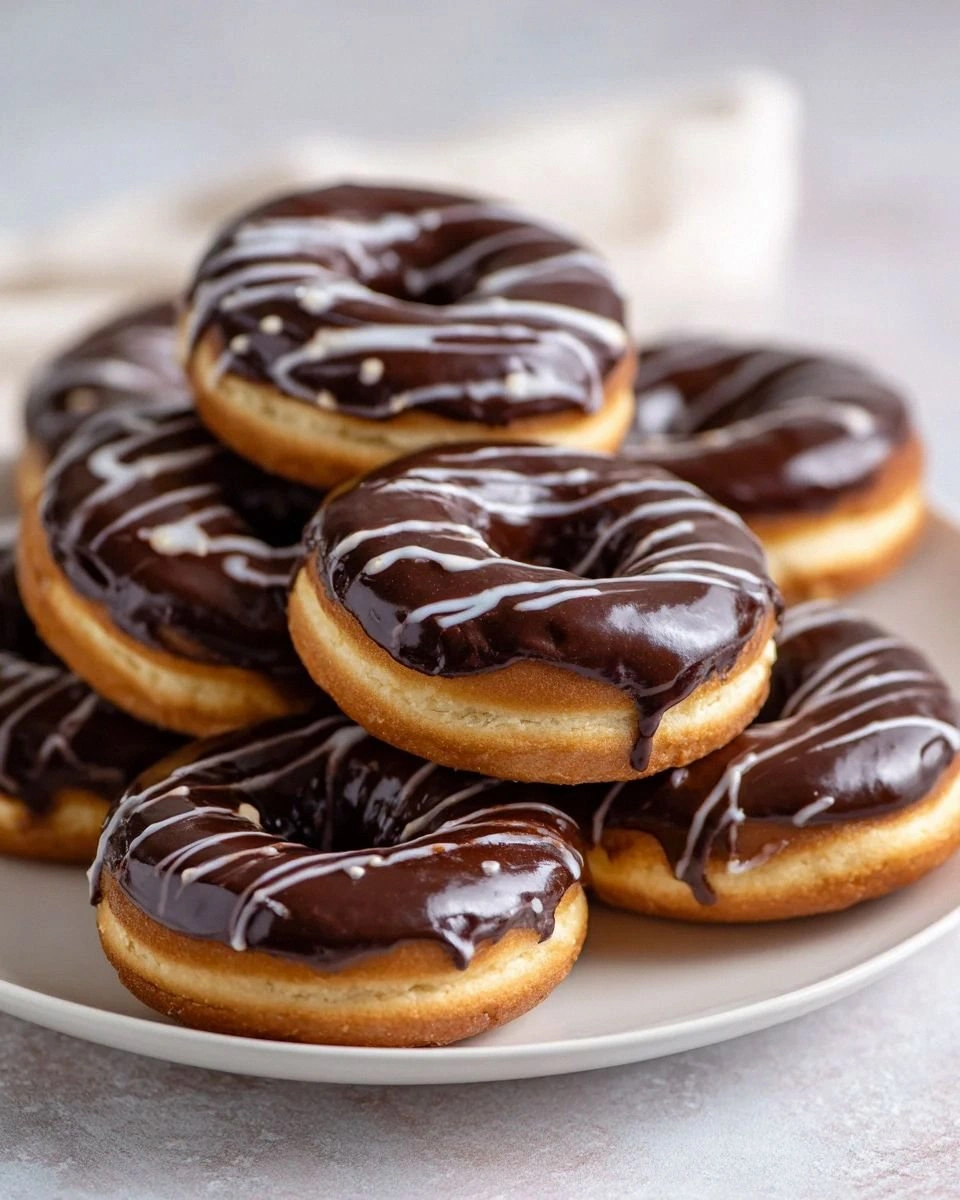
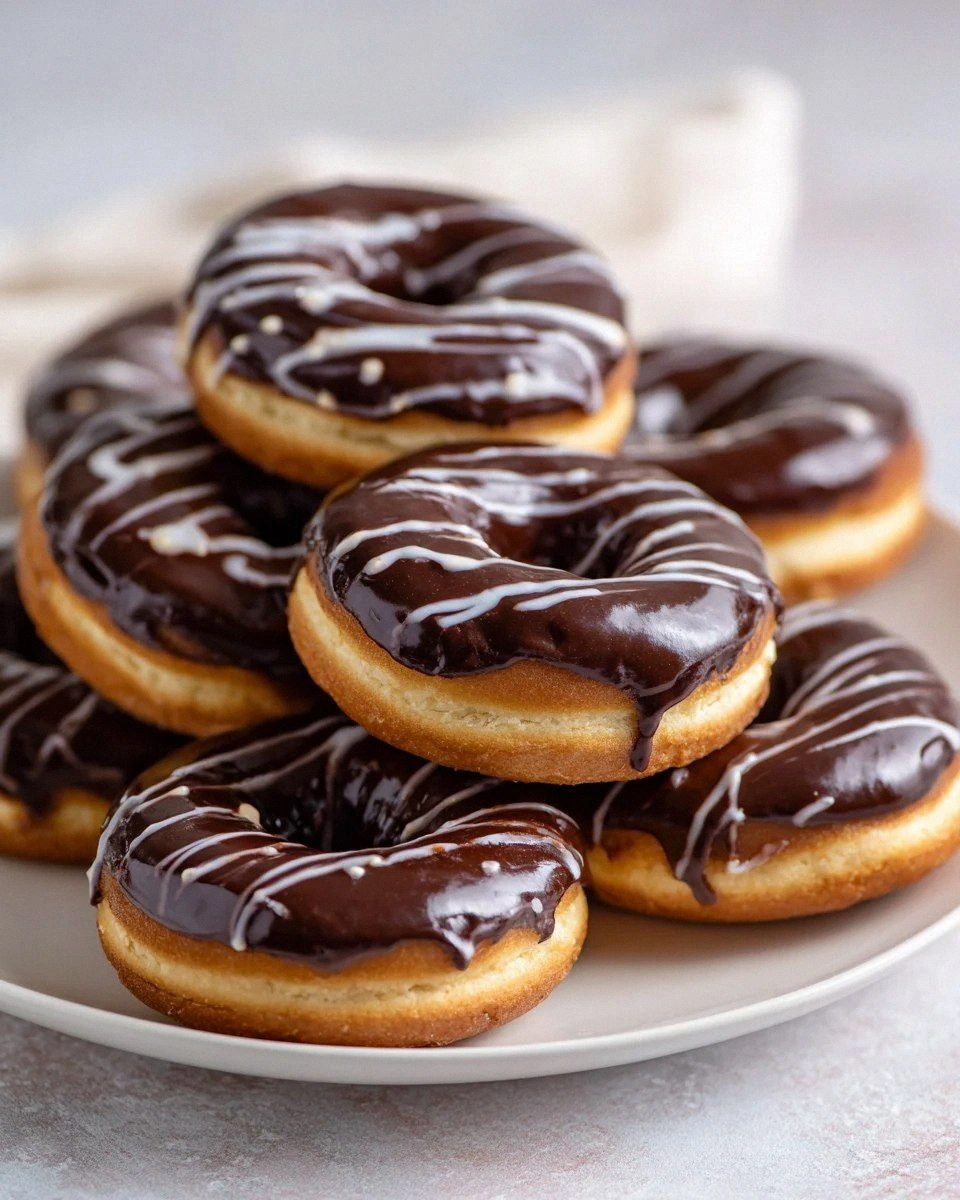
I still remember the day I rage-quit the keto diet because every single "low-carb donut" I tried tasted like a cardboard frisbee wearing a fake sugar sweater. Fast-forward through a spectacular sugar-free meltdown and three failed batches of rubbery rings, and I finally cracked the code. What emerged from my oven was so cloud-soft, so rich with buttery vanilla and dark-chocolate glaze, that my carb-devouring teenager stole two before I could even photograph them. If you've ever bitten into a keto treat only to feel like you're chewing on a packing peanut, lean in close, because this is the story — and the recipe — that changes everything.
Picture this: it’s 6:17 a.m., the house is quiet except for the gentle hum of the oven, and the scent of warm almond flour, real butter, and a kiss of cocoa drifts through the kitchen like a cozy blanket. The first tray comes out — six bronzed mini-circles with the most delicate crumb you’ve ever seen. I flip one onto a wire rack, hear that barely-there crackle of the glaze setting, and suddenly I’m five years old again at my grandmother’s counter, except this time I’m not bouncing off the walls from a sugar high. One bite and the edges shatter ever so slightly, giving way to a tender interior that tastes suspiciously like the “real thing.” My brain can’t compute: how can something with only four net carbs taste this indulgent?
Most keto doughnut recipes fall into two traps. The first is the “eggy sponge” — bakers load up on eggs for structure and end up with something that smells like a vanilla omelet. The second trap is the “coconut sawdust” — they swap every flour for coconut, add three drops of food coloring, and call it a day. Both failures taught me what actually matters: balance, air, and fat that behaves like fat. After tinkering with ratios the way a jazz musician toys with rhythm, I landed on a formula that uses almond flour for tenderness, a modest amount of keto sweetener to avoid that cooling aftertaste, and a two-stage mixing method that traps just enough air to keep the crumb light. The result? A doughnut you could serve at a brunch table full of carb-eaters and watch them reach for seconds without a single suspicious glance.
Okay, ready for the game-changer? We’re going to whip the eggs until they reach that thick ribbon stage — think yellow velvet — then fold in the dry ingredients like we’re handling a soufflé. This single step lifts the whole batter and prevents the dense brick situation that haunts most low-carb baking. And the glaze? We’re skipping the powdered-erythritit avalanche and making a silky emulsion with cocoa, water, and a hint of vanilla so the finished donut gleams like a bakery window display. Stay with me here — this is worth it. By the time you’re licking chocolate off your thumb, you’ll wonder how you ever made it any other way.
What Makes This Version Stand Out
- Taste: These donuts taste like Saturday morning cartoons and secret pantry raids — sweet, buttery, with a whisper of vanilla that lingers longer than the final chord of your favorite song.
- Texture: The crumb is tender enough to bend without snapping, yet sturdy enough to dunk into coffee without collapsing into a soggy casualty.
- Speed: From bowl to mouth in under forty-five minutes, which means you can roll out of bed, hit the mixer, and still have time to shower before the glaze sets.
- Macro Magic: Each donut clocks in at roughly 4 net carbs and a respectable hit of fat, so your blood sugar stays as stable as your mood on vacation.
- Crowd Reaction: I served a dozen at a neighborhood potluck and watched grown adults squabble over the last one like seagulls over a french fry.
- Make-Ahead Hero: They freeze beautifully for up to two months; pop one in the microwave for fifteen seconds and it’s back to bakery-level glory.
Alright, let’s break down exactly what goes into this masterpiece...
Inside the Ingredient List
The Flavor Base
Almond flour is the quiet overachiever here. It brings a naturally sweet, almost marzipan note that coconut flour simply can’t fake. Be sure to use the super-fine blanched variety; the skins-on stuff will give your donuts a speckled, whole-wheat vibe that tastes healthy in all the wrong ways. Swerve or another erythritol blend dissolves faster than granulated monk fruit, so you won’t get that crunchy crystal surprise between your teeth. And please, use real butter — the cheap oil-based spreads steam out and leave you with greasy little hockey pucks.
The Texture Crew
Baking powder is your lift engine. I know keto veterans love their baking-soda-vinegar science fair volcanoes, but here we want a gentle, steady rise, not a racecar expansion that collapses before you can say “glaze.” A quarter teaspoon of kosher salt doesn’t make the donuts salty; it’s the flavor amplifier that makes vanilla taste more vanilla-y and chocolate taste like it’s been hanging out with Willy Wonka. Heavy cream adds both fat and moisture, but it also browns beautifully in the oven, painting the edges a delicate amber.
The Unexpected Star
Eggs do double duty: the yolks emulsify fat and liquid into a silky batter, while the whipped whites contribute air that keeps everything buoyant. Yes, you could skip whipping them and still get donuts, but they’ll be squat and sad like deflated inner tubes. Vanilla extract is obvious, but go for the pure stuff — imitation vanillin has a one-note aroma that dies the moment heat hits it.
The Final Flourish
For the glaze, we’re using powdered erythritol again because it dissolves instantly into a mirror-smooth sheet. A modest spoon of cocoa powder gives depth without turning the donuts into chocolate bombs; think subtle mocha rather than fudge avalanche. The pinch of salt in the glaze is non-negotiable — it sharpens the cocoa and keeps the sweetness from tasting flat.
Everything’s prepped? Good. Let’s get into the real action...
The Method — Step by Step
- Preheat your oven to 350°F (175°C) and mist a six-cavity donut pan with cooking spray. Trust me, even “non-stick” pans cling to almond flour like it owes them rent. Slide the pan into the oven for two minutes while it heats; a warm pan sets the outer edges quickly so you get that professional rounded lip.
- In a medium bowl, whisk almond flour, granulated Swerve, baking powder, and salt until the mixture looks like pale beach sand. Break up any clumps with your fingers — those stubborn bits will show up as dark freckles in the finished donut. Set the bowl aside and admire how simple keto baking can be when you’re not juggling seventeen types of flour.
- Melt the butter in a small saucepan until it just starts to foam and smell nutty. You want brown butter vibes without the bitter flecks, so pull it off the heat the moment the sizzle quiets down. Let it cool for three minutes so it won’t scramble the eggs when you pour it in. If you’re feeling fancy, strain out the solids for an even smoother crumb.
- Crack the eggs into a large mixing bowl and beat on medium-high for a full two minutes. Yes, your arm will complain if you’re using a whisk, but the mixture should double in volume and turn the color of lemon chiffon. This step traps air that acts as natural leavening, so don’t rush it. When the beater leaves visible ribbons that linger for three seconds, you’re golden.
- Turn the mixer to low and stream in the melted butter, followed by the heavy cream and vanilla. The batter will look like glossy custard and smell like ice cream in the best possible way. Scrape the sides with a rubber spatula to make sure every fat molecule is invited to the party.
- Sprinkle the dry ingredients over the wet in three additions, folding gently after each. Think of it as tucking the flour into bed, not whipping it into submission. Over-mixing develops the nut proteins and gives you rubbery rings, so stop when you still see a few streaks of flour — they’ll hydrate as the batter rests.
- Let the batter sit for five minutes. This short rest allows the almond flour to drink up the liquid and thicken slightly, which prevents the donuts from spreading into flat tires. Meanwhile, spoon the batter into a large zip-top bag, snip off a corner, and pipe it into the warm donut cavities, filling each about three-quarters full. A gentle tap on the counter evens out the tops.
- Bake for 14–16 minutes, rotating the pan halfway through. You’ll know they’re ready when the edges pull away from the sides, the tops feel springy, and a toothpick comes out with a few moist crumbs. They should be pale gold, not deep brown; almond flour browns faster than wheat flour, so keep an eagle eye on them in the final two minutes.
- Cool in the pan for five minutes, then invert onto a wire rack. The steam trapped under the donuts will soften the bottoms if you leave them in longer, and nobody likes a soggy undercarriage. While they cool, whisk together the powdered sugar, cocoa, water, vanilla, and salt for the glaze. Dip each donut face-down, lift, and let the excess drip for exactly four seconds before flipping right-side up. The glaze sets within minutes, forming a paper-thin shell that cracks delightfully under your teeth.
That's it — you did it. But hold on, I've got a few more tricks that'll take this to another level...
Insider Tricks for Flawless Results
The Temperature Rule Nobody Follows
Room-temperature eggs and cream mix more evenly, trapping air like tiny balloons. Cold eggs shock the melted butter, creating grainy pockets that ruin the smooth batter. Pull your dairy and eggs out of the fridge twenty minutes before mixing, or cheat by placing cold eggs in warm tap water for five minutes. Your donuts will rise higher and taste more evenly sweet.
Why Your Nose Knows Best
Almond flour goes from fragrant to bitter faster than you can say “burnt nuts.” When the kitchen smells like toasted marzipan and the edges just start to brown, yank that pan out. Trust aroma over sight; your nose picks up caramelization before your eyes do. I’ve saved countless batches by ignoring the clock and following the scent trail.
The 5-Minute Rest That Changes Everything
After glazing, let the donuts sit uncovered for five minutes so the sugar alcohol can crystallize. If you rush to stack or wrap them, the glaze stays tacky and peels off like old nail polish. A short rest delivers that professional matte finish that shatters delicately under your teeth. Future you, grabbing a midnight snack, will appreciate the crunch.
Double-Strain for Velvet Glaze
Even the finest powdered sweetener can hold tiny clumps. Whisk the glaze, then pour it through a fine sieve back into the bowl. The resulting liquid is so silky it drapes over the donuts like chocolate fondant. A friend once skipped this step and her glaze looked like lumpy gravy — lesson learned.
Creative Twists and Variations
This recipe is a playground. Here are some of my favorite ways to switch things up:
Maple Pecan Dream
Swap the cocoa in the glaze for two teaspoons of sugar-free maple extract and sprinkle chopped toasted pecans on top while the glaze is wet. The aroma is straight-outta-autumn and pairs ridiculously well with black coffee.
Lemon Poppy Seed Sunshine
Add one teaspoon fresh lemon zest and a teaspoon poppy seeds to the batter. Replace the cocoa glaze with a mix of powdered sweetener, lemon juice, and a splash of cream for a tangy sunrise-colored topping.
Coconut Cream Paradise
Stir two tablespoons of unsweetened shredded coconut into the batter. For the glaze, whisk coconut milk into the powdered sweetener until silky, then finish with a snowstorm of toasted coconut flakes.
Cinnamon Sugar Churro
Brush warm donuts with melted butter and roll in a mix of granulated Swerve and cinnamon. Skip the chocolate glaze entirely and serve with sugar-free caramel for dunking.
Salted Caramel Mocha
Dissolve a teaspoon of instant espresso powder into the heavy cream before mixing the batter. Add a pinch of flaky sea salt to the cocoa glaze for a mocha-caramel vibe that tastes like a boutique coffee-shop drink.
Double Chocolate Indulgence
Fold a tablespoon of cocoa into the batter and add sugar-free chocolate chips. Glaze as written, then finish with a grating of unsweetened chocolate on top for maximum cocoa swagger.
Storing and Bringing It Back to Life
Fridge Storage
Place cooled donuts in an airtight container lined with parchment. They’ll keep for up to five days, but the glaze may soften from condensation. Slip a paper towel under the lid to absorb excess moisture and swap it out daily.
Freezer Friendly
Arrange the naked, cooled donuts in a single layer on a baking sheet and freeze until solid. Transfer to a zip-top bag with as much air removed as possible. They’ll stay fresh for two months. Glaze after thawing for best texture.
Best Reheating Method
Microwave a refrigerated donut for eight seconds, or a frozen one for fifteen. Add a tiny splash of water on the plate — it steams the crumb back to pillowy perfection. If you’re fancy, pop them in a 300°F oven for five minutes for a just-baked vibe.