I was halfway through a chaotic St. Patrick’s Day party when my friend shouted, “Give me something that screams green and makes the Guinness taste like a dessert!” I laughed, grabbed the nearest pint of Guinness, and tossed a scoop of mint ice cream into the mix—pure, unfiltered desperation. The result was a frothy, emerald‑tinted waterfall that hit the palate like a cool breeze on a Dublin morning, and I swear I heard the room gasp in unison. The scent of roasted barley swirled with fresh mint, the clink of glasses became a chorus, and the first sip felt like a celebration of every leprechaun’s dream rolled into one glass.
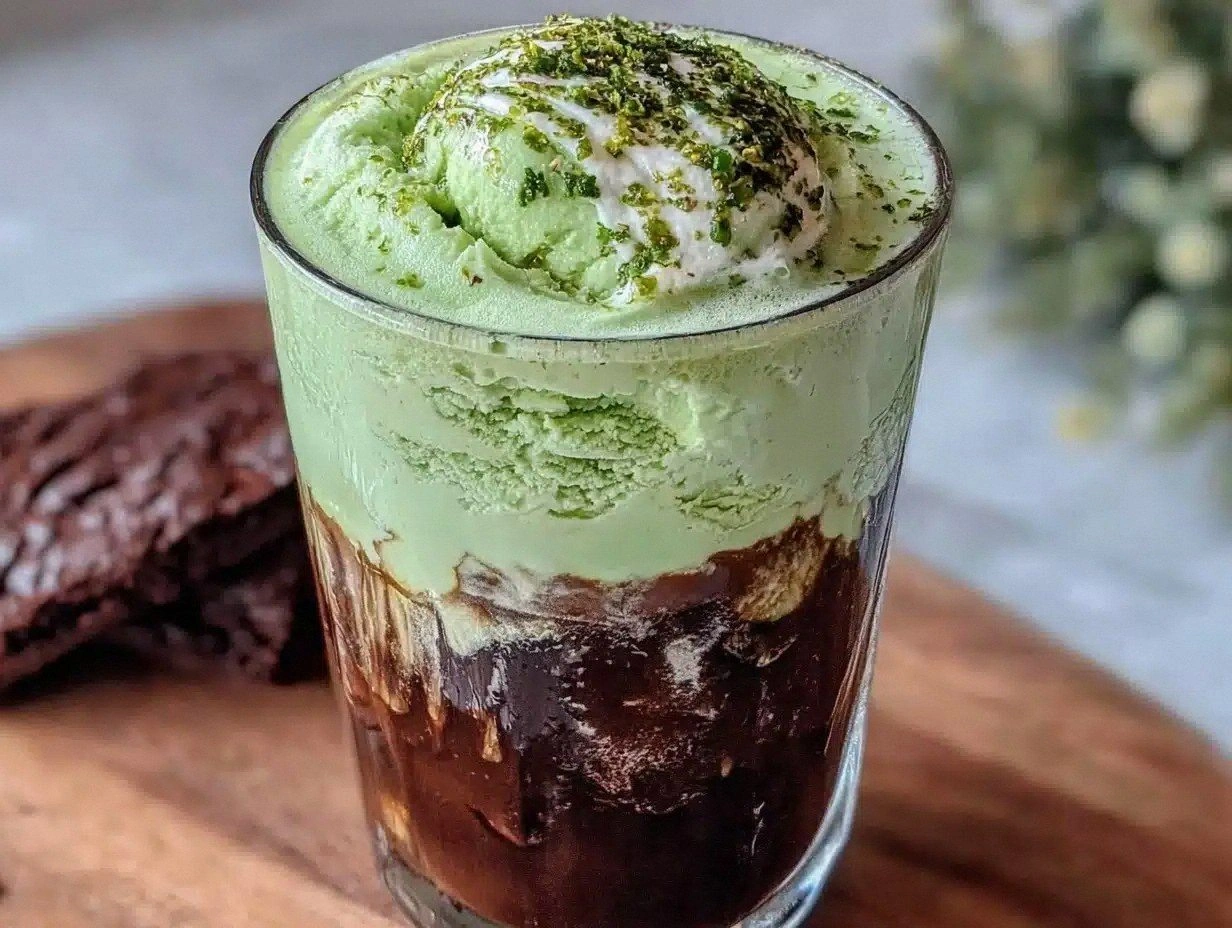
Picture this: the deep, velvety black of Guinness, the head rising like a cloud, and then—boom—a burst of minty green that dances on the surface, sparkling with a creamy foam that refuses to sink. The sound of the pour is a soft hiss, the ice cream thuds gently into the stout, and the whole concoction settles with a sigh that whispers “cheers” in your ear. The texture is a perfect marriage of silky, slightly bitter beer and the luscious, buttery smoothness of mint ice cream, creating a mouthfeel that’s as satisfying as a warm blanket on a cold March night.
Most recipes I’ve seen either drown the stout in sugar or drown the mint in booze, ending up with a cloying mess that feels like a cheap novelty. This version, however, respects the integrity of each component: the Guinness remains the bold, roasted backbone, while the mint ice cream adds just enough sweetness and chill to transform it into a float that’s both sophisticated and playful. I’m daring you to taste this and not go back for seconds—because once you’ve experienced that perfect balance, any other version feels like a watered‑down afterthought.
The secret? A splash of Crème de Menthe that amplifies the mint without overwhelming the stout, and a technique that lets the ice cream float like a green island on a dark sea. I’ll be honest—I ate half the batch before anyone else could even lift a spoon, and that’s a testament to how addictive this drink truly is. Let me walk you through every single step—by the end, you’ll wonder how you ever made it any other way.
What Makes This Version Stand Out
- Taste Harmony: The bitterness of Guinness is perfectly offset by the cool, sweet mint, creating a flavor duet that feels both familiar and exciting.
- Texture Contrast: You get a creamy, velvety top that slowly melds into the silky, carbonated body, delivering a mouthfeel that’s simultaneously airy and rich.
- Simplicity: Only three core ingredients are needed, which means you spend less time prepping and more time enjoying the party.
- Visual Wow Factor: The vibrant green float against the dark stout looks like a St. Patrick’s Day fireworks display in a glass.
- Crowd Reaction: Guests often declare it “the best thing I’ve ever had on St. Pat’s,” and the reaction is instant—cheers, claps, and a flurry of Instagram snaps.
- Ingredient Quality: Using a true Guinness Draught guarantees that creamy head and roasted malt depth you can’t fake with any other stout.
- Make‑Ahead Potential: You can pre‑scoop the ice cream and have the beer chilled hours in advance, making assembly a breeze when the crowd arrives.
- Optional Boost: The Crème de Menthe adds an extra kick for those who crave a stronger mint profile without sacrificing balance.
Inside the Ingredient List
The Flavor Base
Guinness Stout is the heart of this float. Its roasted barley notes provide a deep, slightly bitter canvas that lets the mint shine without being overpowered. If you skip the stout, you lose that signature caramel‑toffee finish that makes the drink feel like a proper Irish celebration. When selecting your Guinness, look for the classic draught cans with the nitrogen widget—they deliver that signature velvety head that’s essential for a proper float. If you can’t find Guinness, a high‑quality dry stout with a similar nitrogen infusion will do, but expect a slight flavor shift.
The Texture Crew
Mint ice cream or sorbet brings the creamy, cooling element that turns a regular stout into a dessert‑style cocktail. The ice cream’s fat content creates a thick, luxurious foam that sits atop the beer, while sorbet offers a lighter, more refreshing bite for those who prefer less richness. Skipping this component turns the drink into a regular beer with a hint of mint—hardly a float. For a dairy‑free version, a coconut‑milk‑based mint sorbet works beautifully and adds a subtle tropical nuance.
The Unexpected Star
Crème de Menthe is optional, but it’s the secret weapon that elevates the mint flavor from “just minty” to “full‑blown emerald extravaganza.” A single ounce adds a subtle herbal kick and a glossy sheen that makes the drink look even more festive. If you’re avoiding extra alcohol, a dash of mint syrup or a few drops of peppermint extract can mimic the effect without the extra proof. Remember, a little goes a long way—overdoing it will drown the stout’s character.
Everything's prepped? Good. Let’s get into the real action…
The Method — Step by Step
First, grab four sturdy pint glasses and pop them into the freezer for at least fifteen minutes. The cold glass acts like a miniature ice‑box, keeping the float from melting too quickly once the ice cream lands. While you wait, pour a quick mental toast to the Irish spirits watching over you—this is the moment where anticipation builds. When you finally pull the glasses out, you’ll notice a faint frost forming on the rim, a sign that you’re about to create something magical.
Kitchen Hack: If you’re short on freezer space, wrap the glasses in a damp towel and place them in the fridge for 10 minutes; the moisture helps chill them faster.While the glasses chill, measure out one ounce (30 ml) of Crème de Menthe for each serving. If you’re opting for the non‑alcoholic route, replace it with a splash of mint syrup. This step is crucial because the liqueur’s alcohol content helps it integrate smoothly with the nitrogen‑charged Guinness, preventing a separation that would ruin the float’s uniform look. Give the Crème de Menthe a quick swirl in a small pitcher so it’s ready to pour in one elegant motion.
Now, open your Guinness. Pour it gently into each chilled glass, filling it to about three‑quarters full (roughly 12 oz). The key is to pour at a 45‑degree angle, letting the beer glide down the side of the glass; this preserves the head and prevents excessive foam that could drown the ice cream later. You’ll hear a soft, satisfying hiss as the nitrogen bubbles rise, and the dark liquid will settle with a thick, creamy head that looks like a storm cloud waiting to burst.
If you decided to use Crème de Menthe, now’s the time to add it. Drizzle the ounce over the surface of the Guinness; it will sink slightly before spreading, creating a subtle swirl of green that hints at what’s to come. This step adds depth without overwhelming the stout’s flavor, and the slight alcohol boost helps the mint ice cream stay buoyant longer.
Here’s where the magic truly happens: take a generous scoop (about half a cup) of mint ice cream or sorbet and gently place it on top of the beer. The ice cream should sit like a floating island, its green hue contrasting starkly with the dark liquid below. Resist the urge to push it in; the goal is a delicate float that slowly melts, releasing mint‑infused bubbles as it descends. The moment the scoop hits the surface, you’ll hear a faint “plop” that signals the start of a flavor cascade.
Watch Out: If your ice cream is too warm, it will sink immediately and lose the dramatic float effect. Keep it frozen until the last second.Allow the float to settle for about 30 seconds. During this pause, the Guinness head will rise a little higher, and the ice cream will begin to soften, creating a silky veil that drapes over the beer. This is the moment of truth—if the foam collapses, you’ve over‑poured; if the ice cream melts too fast, the temperature was off. Trust your senses: the aroma should be a mingling of roasted malt and fresh mint, a scent that makes your mouth water before the first sip.
Just before serving, give each glass a gentle stir with a straw or cocktail spoon, allowing a thin ribbon of mint‑infused foam to swirl through the stout. This action distributes the flavors evenly without breaking the delicate head entirely. The result is a drink that looks like a green marble swirling inside a dark sea, inviting you to dive in.
Serve immediately, preferably with a festive straw or a tiny garnish of fresh mint leaves for extra visual punch. Encourage your guests to sip slowly, watching the ice cream melt and mingle with the stout—a theatrical experience that turns a simple drink into a conversation starter. And remember, the first sip should be cool, creamy, and slightly bitter, with the mint lingering on the palate like a soft whisper of spring.
That's it — you did it. But hold on, I've got a few more tricks that'll take this to another level…
Insider Tricks for Flawless Results
The Temperature Rule Nobody Follows
Never, ever serve this float with room‑temperature Guinness. The beer should be chilled to between 38°F and 42°F (3°C‑6°C) to keep the nitrogen bubbles stable and the ice cream from melting instantly. I once tried a rushed version with warm beer, and the float turned into a soupy mess that lost its visual appeal within seconds. Keep the stout in the fridge for at least an hour before assembling, and you’ll notice a richer, creamier head that holds up longer.
Why Your Nose Knows Best
Before you take that first sip, give the drink a quick nose‑check. The aroma should be a harmonious blend of roasted malt, subtle chocolate notes, and a fresh burst of mint. If you detect any off‑flavors—like a sour or metallic edge—something went wrong during the pour or the ice cream is too old. Trusting your nose saves you from a disappointing sip and ensures every glass delivers the intended flavor symphony.
The 5‑Minute Rest That Changes Everything
After assembling the float, let it sit untouched for exactly five minutes. This short rest allows the foam to stabilize and the mint ice cream to begin its slow melt, creating a velvety veil that hugs the stout. A friend once tried to rush this step, and the result was a flat, uneven head that looked more like a beer spill than a float. Patience here is the difference between “good” and “hands‑down the best version you'll ever make at home.”
The Gentle Stir Secret
When you stir, use a slow, circular motion with a straw or a long spoon. A vigorous stir will break the nitrogen bubbles, turning the silky texture into a flat, ordinary beer. The gentle swirl keeps the head intact while coaxing the mint flavor throughout the liquid. I’ve seen people over‑mix and end up with a drink that tastes like a regular stout with a hint of mint—definitely not the goal.
The Garnish Game‑Changer
A tiny sprig of fresh mint or a shaved chocolate curl perched on the ice cream adds a visual pop and an extra aromatic layer. It’s a small touch, but it signals that you’ve put thought into the presentation, turning a casual party drink into a show‑stopping centerpiece. If you’re feeling extra festive, rim the glass with a dusting of green sugar for a subtle sparkle that catches the light.
Creative Twists and Variations
This recipe is a playground. Here are some of my favorite ways to switch things up:
Chocolate Stout Float
Swap the mint ice cream for a rich chocolate vanilla swirl, and add a drizzle of chocolate syrup on top. The deep cocoa notes complement the stout’s roasted malt, turning the drink into an indulgent dessert that feels like a midnight treat.
Berry Burst Variation
Replace the mint ice cream with a raspberry sorbet and add a splash of Chambord. The tart berries cut through the stout’s bitterness, delivering a bright, fruity contrast that’s perfect for spring gatherings.
Spiced Winter Float
Introduce a pinch of ground cinnamon and a dash of nutmeg to the Crème de Menthe, then use a vanilla bean ice cream. The warm spices mingle with the stout’s caramel notes, creating a comforting drink that works surprisingly well in colder months.
Vegan Coconut Mint Float
Opt for a coconut‑milk‑based mint sorbet and a plant‑based Crème de Menthe (or a mint‑infused simple syrup). The result is dairy‑free, with a tropical twist that still honors the classic green aesthetic.
Smoky Irish Whiskey Float
Add a half‑ounce of peated Irish whiskey to the Guinness before the ice cream lands. The subtle smoke layers add depth, making the float feel like a sophisticated nightcap rather than a party punch.
Storing and Bringing It Back to Life
Fridge Storage
If you have leftover Guinness, keep it sealed in its original can or transfer to an airtight bottle and store in the fridge for up to three days. The nitrogen will dissipate slowly, so the beer may lose some of its signature creaminess, but it will still be drinkable.
Freezer Friendly
Ice cream can be stored in the freezer for up to a month; just keep it in an airtight container to prevent freezer burn. If you’ve already mixed the float, you can freeze the entire glass (without the glass, of course) and re‑heat later, though the texture will change.
Best Reheating Method
When you’re ready to revive a saved float, gently warm the Guinness in a saucepan over low heat, adding a splash of water to restore steam and prevent scorching. Once it reaches a warm but not hot temperature (around 120°F/49°C), pour it into a chilled glass and add fresh ice cream. This trick brings back the silky head and prevents the beer from tasting flat.