I was standing in my kitchen, staring at a half‑cooked pot of plain cabbage soup, when my roommate dared me to turn it into something that would make our entire building smell like a Polish grandma’s Sunday kitchen. The air was already thick with the faint scent of boiled veggies, but I could hear the distant hum of the fridge and the clatter of dishes—classic signs that a culinary disaster was about to happen. I grabbed a head of cabbage, a sack of ground pork, and a stubborn belief that a soup could be both comforting and heroic, and I set to work. Most recipes I’ve tried either left the cabbage limp and flavorless or turned the broth into a watery mess, but this version? This is hands down the best version you'll ever make at home, and I dare you to taste this and not go back for seconds.
Picture yourself pulling a steaming bowl out of the pot, the whole kitchen smelling of smoky paprika and sweet caramelized onions, the broth thick enough to coat a spoon like velvet. The cabbage leaves are tender yet hold their shape, each bite delivering a burst of savory meat, earthy rice, and a whisper of tang from the tomato paste. I’ll be honest — I ate half the batch before anyone else got to try it, and that’s because the flavor is so layered that you’ll want to chase it with every spoonful. Most recipes get this completely wrong by either overcooking the cabbage or under‑seasoning the broth; here, we use a precise simmer and a secret blend of herbs that makes the soup sing. This next part? Pure magic.
What truly sets this soup apart is a technique borrowed from traditional Polish golabki, but instead of rolling the cabbage, we let it mingle freely in the broth, soaking up all the juices while still giving you that comforting bite of leaf. I discovered that a quick blanch in boiling water before shredding keeps the cabbage from turning mushy, and a splash of apple cider vinegar at the end brightens the whole pot like a spotlight on stage. If you’ve ever struggled with bland cabbage soups, you’re not alone — and I’ve got the fix that turns a humble pot into a hearty delight that will have guests begging for the recipe. Ready for the game‑changer? Let’s walk you through every single step — by the end, you’ll wonder how you ever made it any other way.
What Makes This Version Stand Out
- Depth of Flavor: The combination of smoked paprika, marjoram, and a splash of apple cider vinegar creates layers that develop as the soup simmers, giving each spoonful a new surprise.
- Texture Harmony: Tender cabbage leaves, juicy meatballs, and fluffy rice coexist without any one element overpowering the others.
- Simplicity: Despite its gourmet feel, the recipe uses pantry staples and a single pot, making cleanup a breeze.
- Authentic Twist: We borrow the classic stuffed‑cabbage seasoning but keep the cabbage whole, preserving the rustic charm of the original dish.
- Crowd‑Pleaser: This soup has a reputation for clearing plates at family gatherings; even the pickiest eaters can’t resist the comforting aroma.
- Make‑Ahead Friendly: The flavors meld beautifully overnight, so you can prep it a day ahead and simply reheat for a stress‑free dinner.
- Ingredient Quality: Using fresh cabbage and high‑quality pork makes a noticeable difference—nothing beats the natural sweetness of a crisp leaf.
- Versatility: Easily adaptable for vegetarians or gluten‑free diets with a few simple swaps, without losing that hearty core.
Inside the Ingredient List
The Flavor Base
Onion, garlic, and carrot form the aromatic backbone of this soup, releasing a sweet‑savory perfume the moment they hit the hot oil. The onion should be finely chopped so it melts into the broth, while the carrot adds a subtle earthiness that balances the richness of the meat. If you skip the carrot, you’ll lose that gentle sweetness that prevents the broth from feeling too heavy. A quick tip: sweat the veggies over medium heat until they turn translucent and start to caramelize— that’s the moment you know the flavor foundation is locking in.
The Texture Crew
Ground pork and beef give the soup its hearty bite, while rice adds body without turning the broth gummy. The meat should be a mix of pork for fat and beef for depth; using all pork can make the soup overly greasy, and all beef can make it too dense. If you’re avoiding red meat, substitute ground turkey or a plant‑based mince, but keep the fat content around 20% to retain that silkiness. The rice should be rinsed before adding to prevent excess starch from clouding the broth.
The Unexpected Star
Apple cider vinegar is the surprise element that lifts the entire dish, cutting through the richness and brightening the cabbage’s natural sweetness. A splash of vinegar at the end of cooking is like adding a splash of sunshine to a cloudy day; it awakens the palate. If you’re not a fan of vinegar, a squeeze of fresh lemon works as a substitute, though the flavor profile will shift slightly toward citrus.
The Final Flourish
Smoked paprika and dried marjoram are the secret spices that give this soup its distinct, comforting aroma. Smoked paprika adds a subtle wood‑smoke note that mimics the flavor of a traditional wood‑fired kitchen, while marjorum contributes a floral, slightly citrusy nuance. If you can’t find smoked paprika, a dash of regular paprika plus a few drops of liquid smoke will do the trick. Fresh parsley sprinkled just before serving adds a pop of color and a fresh herbal lift that completes the dish.
Everything's prepped? Good. Let's get into the real action…
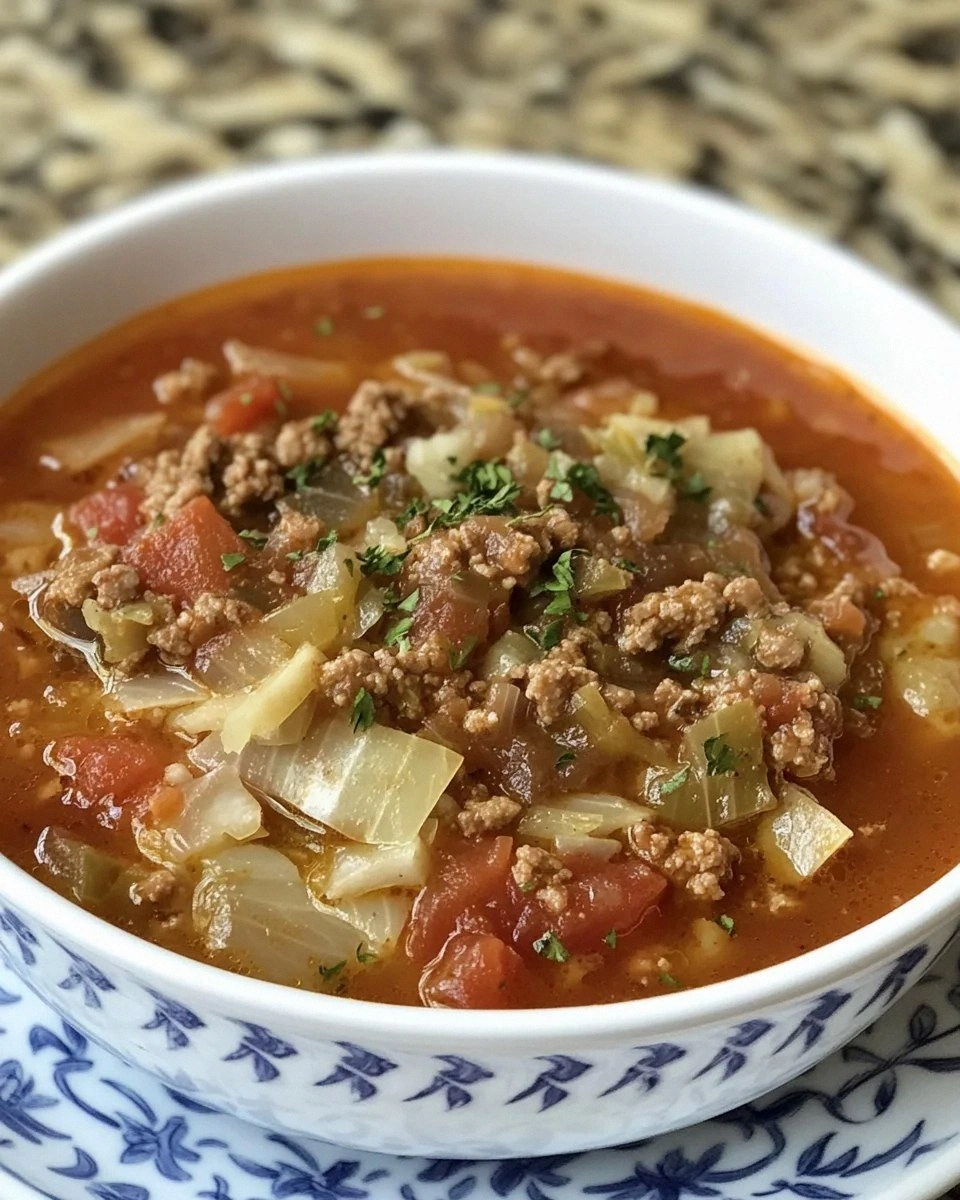
The Method — Step by Step
- Prep the cabbage. Bring a large pot of salted water to a rolling boil, then plunge the whole cabbage head for 3‑4 minutes until the outer leaves are pliable. Carefully peel off the outermost leaves— they’ll be the toughest, so set them aside for later use or discard. Once cooled, slice the remaining leaves into wide strips about 2‑inch wide. This quick blanch keeps the cabbage from turning mushy later on. Kitchen Hack: Freeze the shredded cabbage for 15 minutes; it will crisp up and make it easier to handle without tearing.
- Brown the meat mixture. In a large Dutch oven, heat vegetable oil over medium‑high heat. Add the chopped onion, carrot, and celery, sautéing until they soften and the onion turns golden, about 5 minutes. Add the minced garlic and cook for another 30 seconds— that sizzle when it hits the pan? Absolute perfection. Push the veggies to the side, increase the heat slightly, and add the ground pork and beef, breaking it up with a wooden spoon. Cook until the meat loses its pink hue and starts to brown, about 6‑8 minutes, then stir everything together.
- Incorporate the rice and spices. Sprinkle the uncooked rice over the meat‑veggie mixture, then stir in smoked paprika, dried marjoram, salt, and pepper. Let the rice toast lightly for 2 minutes; this step adds a nutty depth that you’ll taste later. Add the tomato paste, stirring until it coats the meat and vegetables, creating a rich, dark roux that signals the broth is about to become a masterpiece.
- Deglaze and build the broth. Pour in the beef broth and water, scraping the bottom of the pot to release any browned bits— those are flavor gold. Drop in the bay leaves and bring the mixture to a gentle boil, then reduce to a simmer. At this point, the soup should have a deep ruby hue and a comforting aroma that fills the kitchen.
- Add the cabbage strips. Gently fold the shredded cabbage into the simmering broth, ensuring the leaves are submerged. The cabbage will wilt quickly, releasing its natural sweetness into the liquid. Let the soup simmer uncovered for 20‑25 minutes, stirring occasionally so the rice cooks evenly and the cabbage doesn’t stick to the bottom.
- Watch the texture. After 20 minutes, test the rice for doneness; it should be tender but still hold its shape. If the broth looks too thick, add a splash more water or broth. Watch Out: Over‑cooking the cabbage turns it into a mushy mess— keep the simmer gentle and avoid a rolling boil.
- Finish with brightness. Turn off the heat and stir in the apple cider vinegar, tasting as you go. The vinegar should brighten the broth without making it sour; think of it as a final brushstroke on a painting. Sprinkle fresh parsley if you like, and let the soup rest for 5 minutes— this rest allows the flavors to marry fully.
- Serve and garnish. Ladle the soup into bowls, ensuring each serving gets a generous amount of cabbage, meat, and rice. Add a dollop of sour cream on top; it melts into the hot broth, adding a silky richness that ties everything together. Serve with crusty rye bread for the ultimate comfort experience. And now the fun part— digging in!
That's it — you did it. But hold on, I've got a few more tricks that'll take this to another level...
Insider Tricks for Flawless Results
The Temperature Rule Nobody Follows
Keep the broth at a gentle simmer, never a hard boil. A rolling boil agitates the cabbage, causing it to break down into a mushy texture that ruins the mouthfeel. I once tried a vigorous boil because I was in a hurry, and the result was a soupy mess that tasted like boiled cabbage water. The secret is patience: let the heat stay low and steady, and the cabbage will soften while retaining its structure.
Why Your Nose Knows Best
Your sense of smell is the ultimate indicator of flavor development. When the onion and garlic start to turn golden, you’ll notice a sweet, caramelized scent—that’s the cue to add the meat. Later, when the tomato paste darkens and the broth takes on a deep, earthy aroma, you know the base is ready for the cabbage. Trust those nose signals more than the clock; they’ll guide you to perfection.
The 5‑Minute Rest That Changes Everything
After you turn off the heat, let the soup sit covered for five minutes. This short rest lets the rice finish absorbing the broth and allows the cabbage fibers to relax, preventing a gritty bite. I once skipped this rest and the soup felt a bit “raw” on the palate. Those five minutes are a tiny investment for a huge payoff in texture and flavor harmony.
The Secret of Layered Seasoning
Season in stages: first the vegetables, then the meat, and finally the broth. Each layer builds its own flavor foundation, creating a depth you can’t achieve by dumping all the salt and spices at once. I’ve seen cooks dump a tablespoon of salt into the pot and end up with a bland broth because the seasoning never penetrated the meat. By seasoning early and adjusting at the end, you guarantee every bite is perfectly balanced.
The “One‑Spoon” Test
When you stir the soup, lift a spoonful and let it cool for a second. If the broth coats the spoon like a light sauce and the cabbage leaves are still distinct, you’re golden. If it slides off too quickly, the broth is thin; if it clings too heavily, you may have over‑reduced it. This simple visual cue saves you from over‑cooking or under‑seasoning.
Creative Twists and Variations
This recipe is a playground. Here are some of my favorite ways to switch things up:
Smoky Bacon Boost
Add 4 slices of crisped bacon, chopped, right before serving. The bacon adds a crunchy, salty contrast that elevates the soup for meat‑lovers. It’s perfect for a weekend brunch where you want something heartier than the usual eggs.
Vegetarian Delight
Swap the pork and beef for a blend of chopped mushrooms and lentils, and use vegetable broth instead of beef. The umami from the mushrooms mimics the depth of meat, while lentils provide protein and a pleasant bite.
Spicy Kick
Stir in a teaspoon of smoked chipotle powder or a diced jalapeño when you add the spices. The heat pairs beautifully with the sweet cabbage, creating a dynamic flavor profile that will wow anyone who enjoys a little fire.
Herb‑Infused Version
Replace marjoram with fresh dill and add a handful of chopped thyme leaves. The fresh herbs give the soup a garden‑fresh brightness, making it perfect for spring evenings.
Creamy Finish
Swirl in a half‑cup of heavy cream or coconut milk just before serving for a luxuriously silky texture. This variation is especially comforting on cold winter nights when you need an extra dose of warmth.
Storing and Bringing It Back to Life
Fridge Storage
Transfer the soup to an airtight container and refrigerate for up to 4 days. The flavors continue to meld, so it often tastes even better on the second day. When reheating, add a splash of water or broth to loosen the consistency, then heat gently over medium heat.
Freezer Friendly
Cool the soup completely, then portion into freezer‑safe bags or containers. It freezes beautifully for up to 3 months. To thaw, move it to the fridge overnight, then reheat on the stovetop, adding a bit of broth if needed.
Best Reheating Method
Reheat in a saucepan over low‑medium heat, stirring occasionally. Avoid a rapid boil, which can cause the cabbage to become mushy. A tiny splash of water right before heating restores the broth’s sheen, and a final dollop of sour cream revives that creamy finish.