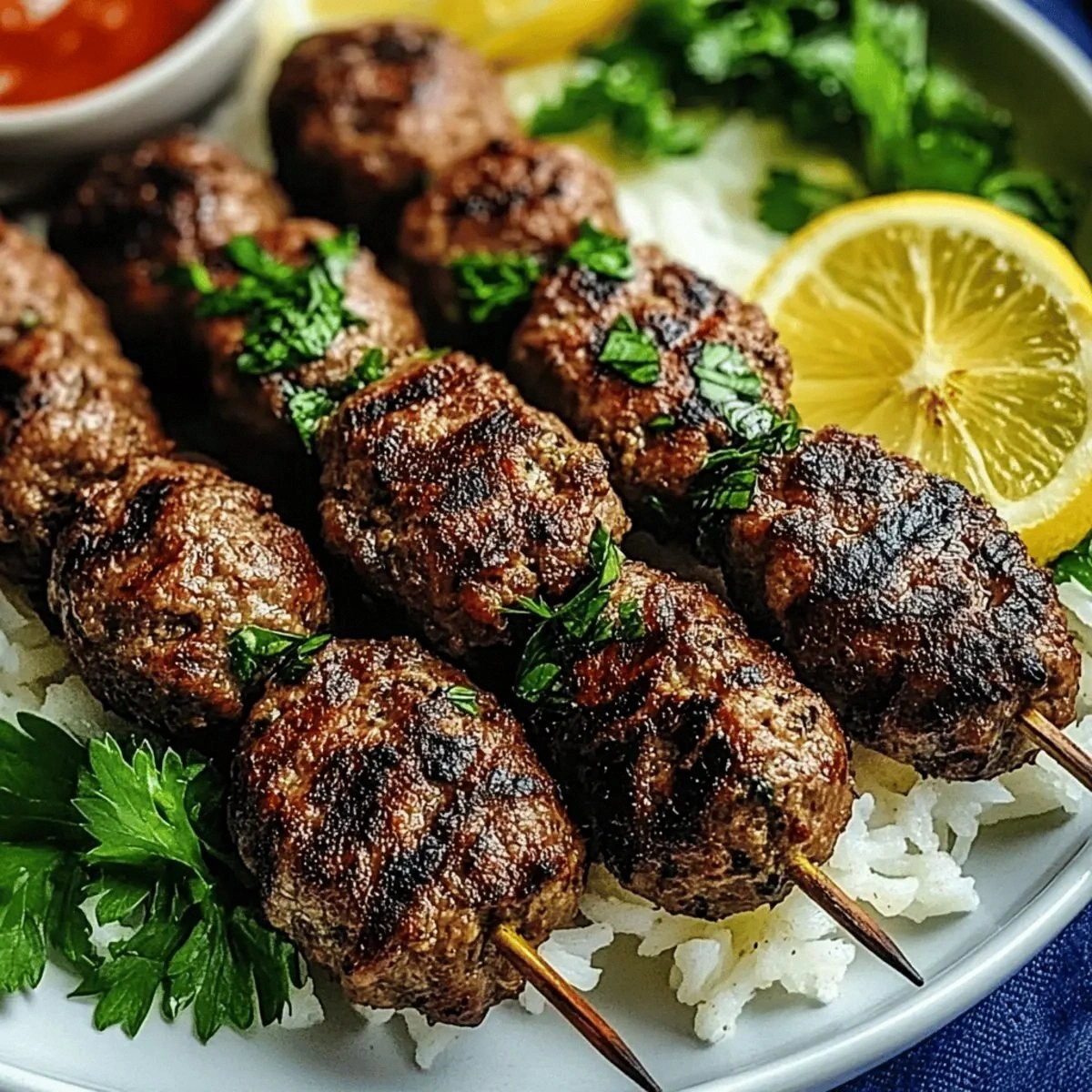
Picture this: I’m standing in my cramped kitchen, the smoke alarm screaming like a banshee because I tried to grill a batch of store‑bought kebabs on a pan that was practically a frying pan for a toddler’s play‑dough. The result? Charred sticks that tasted like regret and a lingering “what‑did‑I‑just‑do?” in the air. I swear, I was that close to ordering delivery, but then a friend dared me to make the ultimate Egyptian kofta kebab at home, and I thought, “Challenge accepted.”
The moment I pulled out a sack of fresh ground beef, a bundle of parsley, and a jar of tahini, the kitchen transformed. The aroma of cumin and coriander began to swirl, teasing my nostrils like a desert breeze carrying whispers of ancient bazaars. I could hear the sizzle of the meat hitting the grill, a sound that promised crisp edges and juicy interiors, while the bright orange of the paprika painted the air with a promise of flavor. My hands tingled with anticipation, and the heat from the grill warmed my fingertips, grounding me in the moment.
Why does this version stand out? Because I tossed the old “just mix and shape” rule out the window and introduced a secret binding technique that makes each kebab hold together like a perfectly tuned drum, yet explode with juiciness when you bite into it. I also added a silky tahini‑lemon sauce that drapes the kebabs like a luxurious shawl, and a side of pickled vegetables that cut through the richness with a tangy crunch. Most recipes get the spice balance wrong or skimp on the sauce—this one nails it every single time.
And here’s the kicker: I’m about to reveal a tiny trick involving a splash of water in the meat mixture that keeps the kebabs from drying out, something you’ll rarely see in a typical recipe blog. Trust me, I’ve tried the dry‑handed version and the result was a sad, crumbly mess that even my dog refused. I dare you to taste this and not go back for seconds. Let me walk you through every single step — by the end, you’ll wonder how you ever made it any other way.
What Makes This Version Stand Out
- Flavor Explosion: The blend of cumin, coriander, allspice, and a hint of cinnamon creates a depth that feels like a journey through a spice market, far beyond the one‑note seasoning most recipes rely on.
- Juicy Texture: By incorporating breadcrumbs and an egg, the kebabs stay moist, while the grill’s high heat gives them a caramelized crust that snaps like a fresh spring twig.
- Simplicity Meets Sophistication: The ingredient list is short enough for a weekday dinner, yet the technique adds a layer of culinary finesse that would impress even the most seasoned foodies.
- Signature Sauce: The tahini‑lemon drizzle is the secret weapon—creamy, tangy, and nutty, it coats the kebabs like velvet and balances the spice heat perfectly.
- Crowd‑Pleaser: Whether you’re feeding a family of four or a party of eight, the kebabs are finger‑food friendly, making them perfect for gatherings where you want everyone to be happy and full.
- Ingredient Quality: Using fresh herbs and high‑quality ground meat ensures every bite bursts with authentic flavor, unlike the processed shortcuts you find in many boxed mixes.
- Grill‑Friendly: This method works on a charcoal grill, gas grill, or even a heavy‑bottomed cast‑iron skillet, giving you flexibility no matter your kitchen setup.
- Make‑Ahead Magic: You can prep the meat mixture up to a day in advance, letting the flavors meld, which means less stress on the actual cooking night.
Inside the Ingredient List
The Flavor Base
Ground Beef or Lamb (1000 grams): This is the heart of the kebab. Beef gives a robust, meaty backbone, while lamb adds a sweet, slightly gamey note that pairs beautifully with the spices. If you skip the meat entirely, you lose the essential umami that defines kofta. For the best results, choose meat with a 20% fat content; too lean and the kebabs will dry out, too fatty and they’ll flare up on the grill.
Fresh Parsley (0.5 cup) & Fresh Cilantro (0.25 cup): These herbs brighten the mixture, cutting through the richness with herbaceous freshness. Parsley brings a peppery snap, while cilantro adds a citrusy undertone. If you’re not a cilantro fan, swap it for fresh mint for a slightly sweeter profile.
The Texture Crew
Breadcrumbs (0.25 cup): They act like a sponge, soaking up juices and keeping the kebabs tender. Skipping breadcrumbs results in a crumbly texture that falls apart on the grill. You can substitute panko for a lighter, airier bite, but be careful not to over‑mix, or you’ll end up with a dense loaf.
Egg (1): The egg binds everything together, ensuring each kebab holds its shape. It also adds a subtle richness. If you’re vegan, a flax egg (1 tbsp ground flax + 3 tbsp water) works surprisingly well.
The Unexpected Star
Tahini Paste (0.5 cup) & Lemon Juice (0.25 cup): This duo creates the signature sauce that drapes the kebabs like a silk scarf. Tahini brings a nutty depth, while lemon juice cuts through with bright acidity. Without this sauce, the kebabs would feel one‑dimensional; with it, they become a harmonious symphony of flavors.
Water: A splash of water (about 2‑3 tbsp) in the meat mixture helps keep the kebabs juicy during cooking. It’s a tiny addition that makes a massive difference—think of it as the secret oasis in a desert of dry meat.
The Final Flourish
Spices (Cumin, Coriander, Allspice, Cinnamon, Sweet Paprika, Black Pepper, Salt): Each spice plays a specific role. Cumin and coriander lay the earthy foundation, allspice adds a warm depth, cinnamon introduces a whisper of sweetness, paprika gives color and mild heat, while black pepper and salt amplify everything else. Over‑spicing is a common pitfall; stick to the amounts listed for balanced flavor.
Pita Bread, Chopped Vegetables, Pickled Vegetables, Lemon Wedges, Fresh Parsley for Garnish: These are the accompaniments that turn a simple kebab into a full‑blown feast. Warm pita acts as a soft cushion, the veggies add crunch, pickles bring acidity, and extra parsley adds a fresh finish.
Everything's prepped? Good. Let's get into the real action...
The Method — Step by Step
-
First, finely dice the onion and toss it into a large mixing bowl with the ground meat. I like to let the onion sweat in a pan for a minute first—this softens its bite and adds a subtle sweetness that rounds out the spices. Once the onion is slightly translucent, dump it in; the mixture should look glossy and slightly sticky. Watch the color change—the meat will darken a shade, signaling that the onion’s juices are integrating.
Watch Out: Over‑processing the meat in a food processor will turn it into a paste, destroying the tender texture. Use your hands for the best result. -
Next, add the fresh parsley, cilantro, minced garlic, and chopped green chilies. I crush the garlic with the flat side of my knife to release its oils before adding it—this small step intensifies the garlic flavor dramatically. Mix everything with gentle but firm strokes; you want the herbs evenly distributed without turning the meat into a compact brick.
Kitchen Hack: Sprinkle a pinch of salt on the herbs before mixing; it draws out moisture, making the herbs easier to incorporate. -
Now, sprinkle in the cumin, coriander, allspice, cinnamon, sweet paprika, black pepper, and salt. I always toast the dry spices in a dry skillet for 30 seconds before adding them; this awakens their essential oils and gives the kebabs an aromatic punch that you can’t achieve by simply measuring them. Once toasted, let the spices cool for a few seconds, then dump them into the bowl.
-
Time for the binders: add the breadcrumbs, the beaten egg, and a splash of water (about 2‑3 tablespoons). The water is the secret that keeps the kebabs moist; think of it as a tiny oasis in the desert of meat. Mix everything until just combined—over‑mixing will develop gluten and make the kebabs tough. The mixture should feel tacky but not sticky; if it’s too wet, sprinkle a bit more breadcrumbs.
-
Cover the bowl with plastic wrap and refrigerate for at least 30 minutes. This chilling step firms up the fat, making shaping the kebabs much easier. I like to set a timer and use the wait to prep my grill or grill pan, because patience is a virtue that pays off in flavor.
-
While the mixture chills, preheat your grill or cast‑iron skillet to medium‑high heat (about 400°F/200°C). If you’re using charcoal, let the coals turn gray and ashy before laying down the kebabs. Brush the grill grates with a thin layer of oil to prevent sticking—this also adds a subtle crispness to the exterior.
-
Remove the meat from the fridge and, with damp hands, shape it into elongated kebabs about the length of a standard skewer (or form them into patties if you prefer). Press each kebab gently onto a soaked wooden skewer; the soak prevents the wood from burning and adds a subtle moisture that helps the meat stay juicy.
-
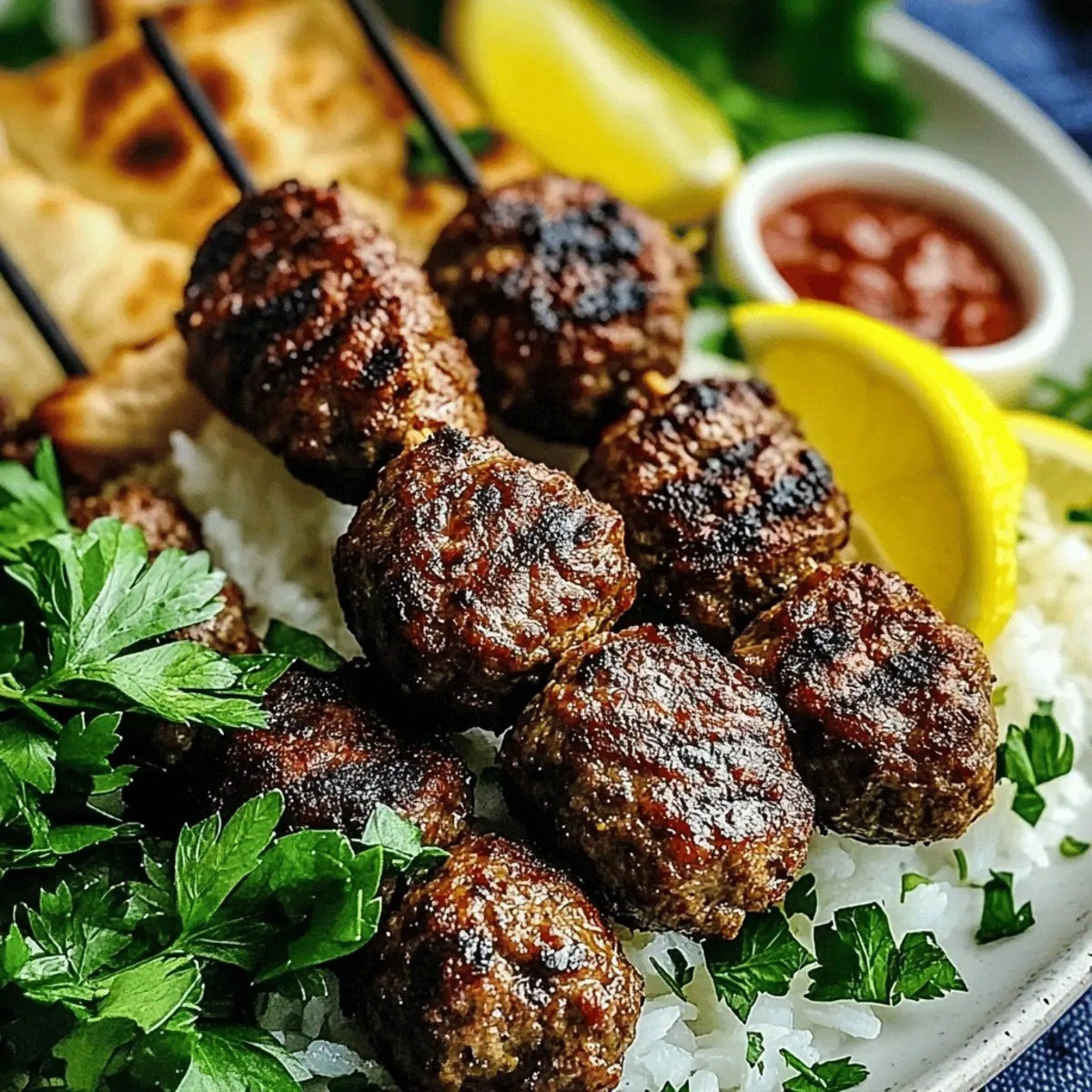
Place the kebabs on the hot grill, leaving a little space between each. Listen for that satisfying sizzle—that’s the sound of flavor forming. Cook for 4‑5 minutes per side, turning only once. You’ll know they’re done when the exterior is nicely charred and the interior reaches an internal temperature of 160°F (71°C). The edges will start pulling away slightly, a sign of perfect caramelization.
Kitchen Hack: Brush the kebabs with a thin layer of olive oil halfway through cooking; this adds a glossy finish and prevents drying. -
While the kebabs rest, whisk together the tahini paste, lemon juice, a pinch of salt, and enough water to achieve a drizzle‑ready consistency (about 3‑4 tablespoons). The sauce should be smooth and pourable, not too thick. Taste and adjust with extra lemon or salt as needed; the sauce should sing with bright acidity that cuts through the meat’s richness.
-
To serve, arrange the kebabs on a platter with warm pita, a mound of chopped fresh vegetables, and a side of pickled vegetables. Drizzle the tahini‑lemon sauce generously over the kebabs, garnish with fresh parsley, and add lemon wedges for an extra burst of citrus. This is the moment of truth—take a bite, let the flavors mingle, and watch the smile spread across your face. That sizzle when it hits the pan? Absolute perfection.
That's it — you did it. But hold on, I've got a few more tricks that'll take this to another level...
Insider Tricks for Flawless Results
The Temperature Rule Nobody Follows
Most home cooks set their grill to “medium” and hope for the best. The truth is, a consistent 400°F (200°C) gives you that perfect sear without overcooking the interior. Use an infrared thermometer if you have one; it’s a game‑changer. I once cooked on a lower heat and ended up with kebabs that were gray inside—nothing like the ruby‑red interior you crave.
Why Your Nose Knows Best
Before you even check the internal temperature, trust your nose. When the kebabs start to emit a sweet, toasted aroma, you’re within a minute of perfection. If you smell a burnt, acrid scent, pull them off immediately. Your olfactory senses are more reliable than a digital readout in the chaotic heat of a grill.
The 5‑Minute Rest That Changes Everything
After grilling, let the kebabs rest for exactly five minutes. This short pause allows the juices to redistribute, preventing a dry bite. I used to cut into them right away and watched the juices run like a mini‑waterfall onto the plate—delicious, but not the experience I wanted. The rest period locks in moisture and makes each bite buttery.
Skewer Secrets
Soak wooden skewers in water for at least 15 minutes before threading the meat. This prevents the skewers from catching fire, which can impart a bitter flavor. Metal skewers work too, but they conduct heat and can over‑cook the outer layer if you’re not careful.
Seasoning the Sauce
Don’t forget to season the tahini sauce. A pinch of cumin or a dash of smoked paprika can elevate the sauce from “good” to “mind‑blowing.” I once added a tiny drizzle of honey, and the sweet‑savory combo became an instant crowd favorite.
Creative Twists and Variations
This recipe is a playground. Here are some of my favorite ways to switch things up:
Spicy Harissa Kick
Swap the green chilies for a tablespoon of harissa paste. The North African heat adds a smoky depth that pairs beautifully with the tahini sauce. Perfect for those who love a lingering warmth.
Mint‑Infused Freshness
Replace cilantro with fresh mint and add a handful of finely chopped mint leaves to the meat mixture. The mint provides a cooling contrast to the warm spices, making the kebabs ideal for summer barbecues.
Vegetarian Chickpea Kofta
Use mashed chickpeas, crumbled feta, and a splash of olive oil in place of the meat. Keep the spice blend identical, and you’ll have a plant‑based version that still delivers that satisfying bite.
Smoky Paprika & Smoked Salt
Introduce smoked paprika and a pinch of smoked salt for a deep, wood‑fire flavor without an actual grill. This variation shines when cooked on a stovetop grill pan.
Sweet‑And‑Savory Date Glaze
Brush the kebabs with a glaze made from pureed dates, a splash of balsamic vinegar, and a hint of cinnamon during the last two minutes of grilling. The caramelized glaze adds a delightful sweet finish that surprises the palate.
Storing and Bringing It Back to Life
Fridge Storage
Place cooked kebabs in an airtight container and store them in the refrigerator for up to three days. Add a thin layer of the tahini sauce on top to keep them moist. When reheating, a quick 2‑minute stint in a hot skillet with a splash of water revives their juiciness.
Freezer Friendly
Freeze uncooked, shaped kebabs on a parchment‑lined tray until solid, then transfer them to a zip‑top bag. They’ll keep for up to two months. Thaw overnight in the fridge, then grill as usual—no loss in flavor.
Best Reheating Method
For the ultimate reheated bite, preheat a grill or grill pan, brush the kebabs lightly with oil, and grill for 2‑3 minutes per side. Add a tiny splash of water (about a teaspoon) to the pan and cover for a minute; the steam will bring back that original tenderness.