I was in the middle of a Tuesday night showdown with my pantry—nothing but a half‑empty fridge, a stubborn craving for something cheesy, and a lingering memory of a take‑out disaster that left my taste buds in a panic. The last time I tried a quick pasta, the sauce turned out thinner than a runway model and the chicken was about as dry as a desert sunrise. I swear I heard the pasta sigh in disappointment. That night, I dared myself to create a dish that would make even the most skeptical foodie say, “Okay, you win.” I grabbed the pepper jack cheese, a couple of plump chicken breasts, and the spiciest Italian sausage I could find, and I set out on a culinary experiment that would end in a glorious, creamy victory.
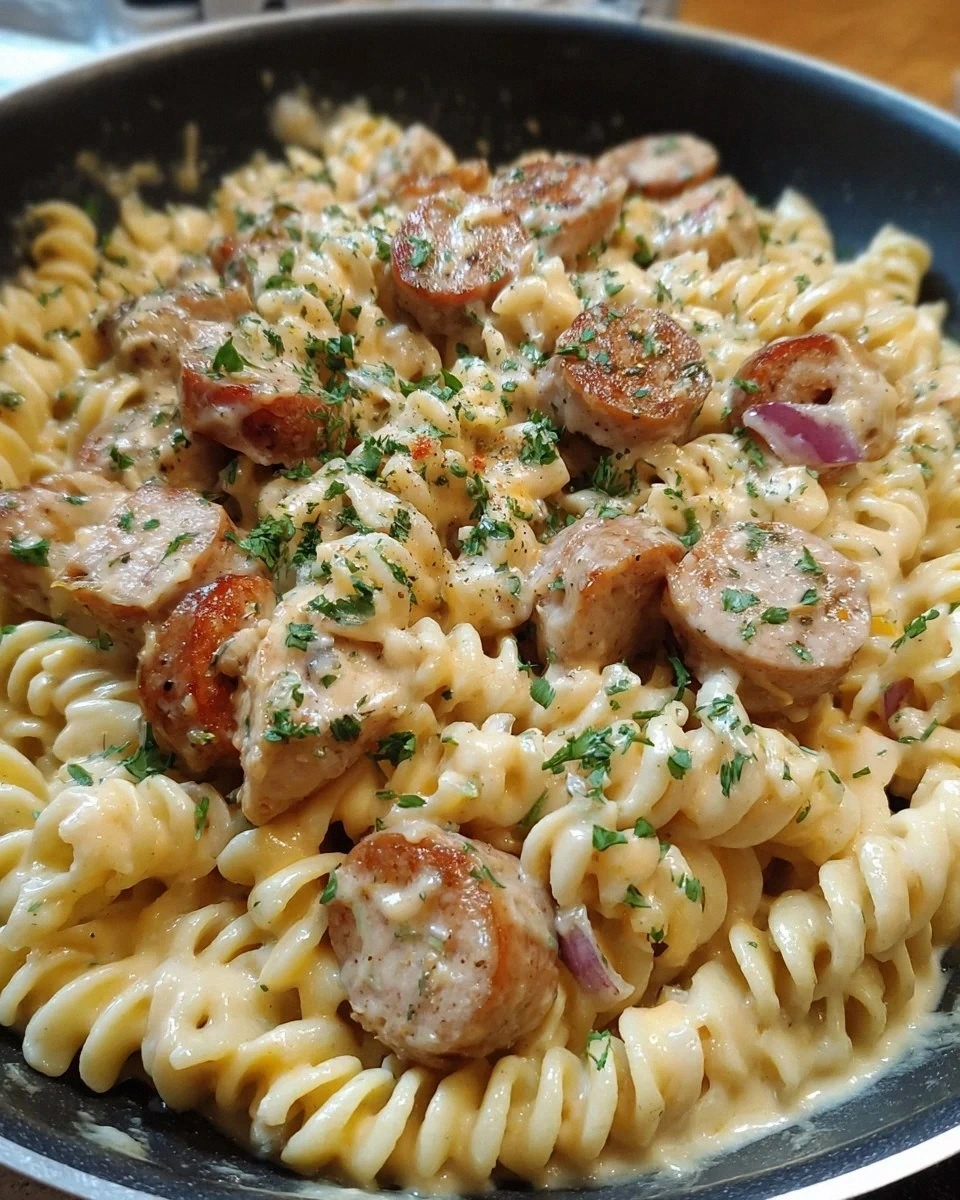
Picture this: the kitchen filled with the sound of sizzling sausage, the aroma of garlic and onions flirting with a hint of smoked paprika, and a creamy sauce that clings to each strand of pasta like a lover refusing to let go. The heat from the stove creates a gentle hum, while the steam rises in lazy curls, wrapping the room in a warm, buttery blanket. When you finally twirl a forkful, the pepper jack melts into a velvety river, the chicken stays juicy, and the sausage adds that satisfying snap that makes you think of a fireworks show in your mouth. The texture is a perfect dance of silky sauce, al dente pasta, and tender protein—all balanced by a whisper of fresh herbs that brightens the whole experience.
Most recipes out there either drown the pasta in a swamp of cheese or skim over the protein, leaving you with a one‑dimensional bite. This version, however, hits every note on the flavor scale. I’ve added a splash of chicken broth and a dash of mustard to lift the sauce, and I finish it with a drizzle of extra‑virgin olive oil that adds a glossy sheen and a subtle fruitiness. The secret? A quick deglaze of the pan with white wine that captures every caramelized crumb and turns it into pure, umami gold. Trust me, this is hands down the best version you’ll ever make at home, and I dare you to taste it and not go back for seconds.
Let me walk you through every single step — by the end, you’ll wonder how you ever made it any other way. Okay, ready for the game‑changer? This next part? Pure magic. Stay with me here — this is worth it.
What Makes This Version Stand Out
- Flavor Explosion: The combination of pepper jack’s smoky heat with a splash of white wine creates layers that build with every bite, delivering a punch you didn’t know pasta could have.
- Creamy Consistency: A roux of butter and flour, followed by heavy cream, gives the sauce a silkiness that coats the pasta like velvet, never watery, never clumpy.
- Protein Powerhouse: Chicken breasts stay moist thanks to a quick sear, while the sausage adds a juicy, slightly crunchy bite that makes the dish feel indulgent yet balanced.
- Simplicity Meets Sophistication: Despite the gourmet vibe, the ingredient list is pantry‑friendly, and the technique is straightforward enough for a weekday dinner.
- Crowd‑Pleaser: Even the pickiest eaters fall in love with the cheesy, slightly spicy sauce; it’s the kind of dish that disappears from the plate before you can say “more.”
- Make‑Ahead Potential: The sauce holds up beautifully in the fridge, and reheating with a splash of milk brings it right back to life, making leftovers just as exciting.
- Ingredient Quality: Using a high‑quality pepper jack and fresh, free‑range chicken makes the flavor pop, proving that good basics are the foundation of greatness.
- Cooking Method: The deglazing step captures every caramelized fragment, turning what could be waste into pure flavor gold.
Inside the Ingredient List
The Flavor Base
We start with olive oil and unsalted butter. The oil raises the smoke point, letting the garlic and onion develop a sweet, golden hue without burning, while the butter adds a buttery richness that you can taste in every forkful. If you skip the butter, the sauce will lack that luxurious mouthfeel, and if you omit the oil, you risk scorching the aromatics. A good tip: use extra‑virgin olive oil for its peppery notes, and a stick of European‑style butter for its higher butterfat content.
Next up, garlic and yellow onion. Garlic brings a pungent heat that mellows as it cooks, while the onion provides a subtle sweetness that balances the pepper jack’s spice. If you’re sensitive to raw garlic, crush it first; this releases more allicin and reduces the chance of a bitter aftertaste. For a twist, try shallots for a milder, more delicate flavor profile.
The Protein Crew
Chicken breasts are sliced into bite‑size pieces and quickly seared. The high heat creates a Maillard crust that locks in juices, preventing the dreaded dry chicken syndrome. If you’re short on time, you can pound the breasts thin before cutting—they’ll cook faster and stay tender. Choose organic, free‑range chicken for a richer flavor and a better texture.
Italian sausage (spicy or mild, depending on your heat tolerance) adds a burst of seasoned fat and a satisfying snap. Removing the casing before cooking gives you more surface area to brown, which translates to deeper flavor. If you’re avoiding pork, a turkey sausage works just as well, though it will be a bit leaner.
The Creamy Core
Pepper jack cheese is the star. Its meltability and peppery kick are what turn a regular alfredo into something unforgettable. Grate it finely so it melts evenly; clumps are the enemy of a smooth sauce. If you can’t find pepper jack, blend Monterey Jack with a pinch of cayenne and smoked paprika for a DIY version.
Heavy cream provides the luxurious body. It’s the glue that binds the cheese, broth, and seasonings together. For a lighter version, substitute half-and-half, but expect a slightly thinner sauce. Whisk the cream in gradually to avoid curdling, especially if the pan is very hot.
The Final Flourish
Dry pasta—I use penne or rigatoni because their ridges trap the sauce beautifully. Cook it al dente, then reserve a cup of pasta water; the starches in that water are essential for emulsifying the sauce later. Skipping the pasta water often leads to a sauce that slides off the noodles like a bad first date.
Fresh parsley and a squeeze of lemon juice at the end brighten the dish, cutting through the richness and adding a fresh finish. If you’re not a fan of parsley, try fresh basil or chives for a different aromatic note.
Everything’s prepped? Good. Let’s get into the real action…
The Method — Step by Step
Heat a large, heavy‑bottomed skillet over medium‑high heat and add a splash of olive oil followed by a tablespoon of the rendered sausage fat. When the oil shimmers, toss in the chicken pieces. Let them sizzle without moving for about two minutes; you’ll hear a faint crackle that signals a perfect sear. Flip the chicken, sear the other side, then remove both chicken and sausage to a plate and set aside. This is the moment of truth—if you can get a golden crust, you’re on the right track.
Kitchen Hack: Pat the chicken dry with paper towels before searing; moisture is the enemy of a good crust.In the same pan, lower the heat to medium and add the butter. Once melted, stir in the finely diced onion and let it soften for about three minutes, stirring occasionally. When the onion becomes translucent, add the minced garlic and a pinch of red pepper flakes. The garlic should turn fragrant in about 30 seconds—watch it closely, because it can go from aromatic to bitter in a heartbeat.
Now comes the roux: sprinkle in two tablespoons of all‑purpose flour and whisk continuously for a minute. This creates a buttery, nutty base that will thicken the sauce without any lumps. If you see any clumps, keep whisking; the flour will dissolve into a smooth paste.
Deglaze the pan with half a cup of dry white wine, scraping up the caramelized bits stuck to the bottom. Those bits are flavor gold; don’t let them stay. Let the wine reduce by half—about two minutes—so the acidity mellows and the alcohol evaporates, leaving behind a subtle depth.
Gradually whisk in one and a half cups of low‑sodium chicken broth, followed by one cup of heavy cream. The mixture should start to bubble gently; that’s the cue that the sauce is thickening. Add the grated pepper jack cheese a handful at a time, stirring until each addition melts completely before adding the next. The sauce should become glossy and coat the back of a spoon.
Watch Out: If the heat is too high, the cream can curdle. Keep the temperature at a gentle simmer, never a rolling boil.While the sauce simmers, bring a large pot of salted water to a rolling boil. Add the pasta and cook until just shy of al dente—about one minute less than the package recommends. Reserve one cup of the starchy pasta water, then drain the pasta.
Return the seared chicken and sausage to the skillet, nestling them into the creamy sauce. Toss in the cooked pasta, and if the sauce looks a tad thick, splash in a quarter cup of the reserved pasta water. Keep stirring until every piece is lovingly coated. Finish with a squeeze of fresh lemon juice, a handful of chopped parsley, and a drizzle of extra‑virgin olive oil for that final glossy sheen.
Kitchen Hack: Toss the pasta in the sauce off‑heat for a minute; the residual heat finishes cooking the pasta and prevents it from becoming mushy.Plate the pasta in shallow bowls, allowing the sauce to pool at the bottom. Sprinkle a final pinch of pepper jack and a few extra parsley leaves for color. Serve immediately while the steam rises, and the cheese strings stretch like a lazy cat waking up.
That’s it — you did it. But hold on, I’ve got a few more tricks that’ll take this to another level…
Insider Tricks for Flawless Results
The Temperature Rule Nobody Follows
Keep the heat on a gentle medium‑low once the cream and cheese join the pan. A sudden high flame will cause the dairy to separate, leaving you with a grainy mess. I once tried to speed things up on high, and the sauce turned into a curdled nightmare—trust me, that’s a lesson you don’t want to learn the hard way.
Why Your Nose Knows Best
Before you add the pasta water, take a sniff. If the sauce smells nutty and slightly sweet, you’re golden. If it smells raw floury, keep whisking a minute longer. Your nose is a built‑in quality control system—listen to it.
The 5‑Minute Rest That Changes Everything
After plating, let the dish sit for five minutes. This short rest lets the sauce thicken just enough to cling perfectly to the pasta, and the flavors meld like old friends catching up. Skipping this step often results in a sauce that slides off the noodles, leaving you with a soggy plate.
Seasoning in Layers
Season at three points: the chicken before searing, the sauce while it simmers, and the final dish with a pinch of flaky sea salt. This layered approach builds depth and prevents the final plate from tasting flat.
The Secret of Pasta Water
Don’t just dump the whole cup of pasta water in at once. Add it gradually, tasting as you go. The starches act like a natural thickener, turning a runny sauce into a silky emulsion without any cornstarch.
Finish with Fat
A final drizzle of good olive oil or a pat of butter adds a glossy finish and a buttery mouthfeel that makes the dish feel restaurant‑level. It’s the culinary equivalent of a mic drop.
Creative Twists and Variations
This recipe is a playground. Here are some of my favorite ways to switch things up:
Smoky Chipotle Twist
Swap the white wine for a splash of chipotle adobo sauce and add a teaspoon of smoked paprika. The result is a smoky, slightly sweet heat that pairs beautifully with the pepper jack.
Mushroom Medley
Add a cup of sliced cremini and shiitake mushrooms after the onions. Their earthy flavor deepens the sauce and adds a meaty texture for vegetarians who still want the sausage vibe.
Mediterranean Spin
Replace the Italian sausage with chorizo, toss in sun‑dried tomatoes, and finish with crumbled feta. The tangy feta balances the richness, creating a Mediterranean‑inspired masterpiece.
Creamy Pesto Fusion
Stir in a quarter cup of basil pesto just before adding the cheese. The herbaceous pesto brightens the sauce, making it perfect for spring evenings.
Vegan Version
Use plant‑based chicken strips, smoked tofu sausage, and a dairy‑free cheese blend. Swap heavy cream for coconut cream and the dish remains indulgent while being entirely vegan.
Storing and Bringing It Back to Life
Fridge Storage
Allow the pasta to cool to room temperature, then transfer to an airtight container. It will keep for up to three days. When reheating, add a splash of milk or broth and stir over low heat until smooth.
Freezer Friendly
Portion the cooled pasta into freezer‑safe bags, removing as much air as possible. It freezes well for up to two months. Thaw overnight in the fridge, then reheat gently on the stovetop, again adding a splash of liquid to revive the creaminess.
Best Reheating Method
The stovetop method wins every time. Place the leftovers in a skillet over low heat, add a tablespoon of water or broth per serving, and stir constantly. This prevents the sauce from separating and restores that silky texture you fell in love with.