I remember the night I tried to rescue a soggy, overcooked chicken breast that had spent an hour in the oven while I was distracted by a streaming binge. The kitchen was a mess of garlic breath and caramelized onions, and I was about to admit defeat when a sudden craving for something bright and rustic hit me like a sudden gust of Mediterranean wind. That moment turned into the birth of a dish that would forever change how I think about one‑pot meals. I was determined to create a recipe that would not only rescue the chicken but also elevate it to a culinary triumph that could be whipped up in under an hour.
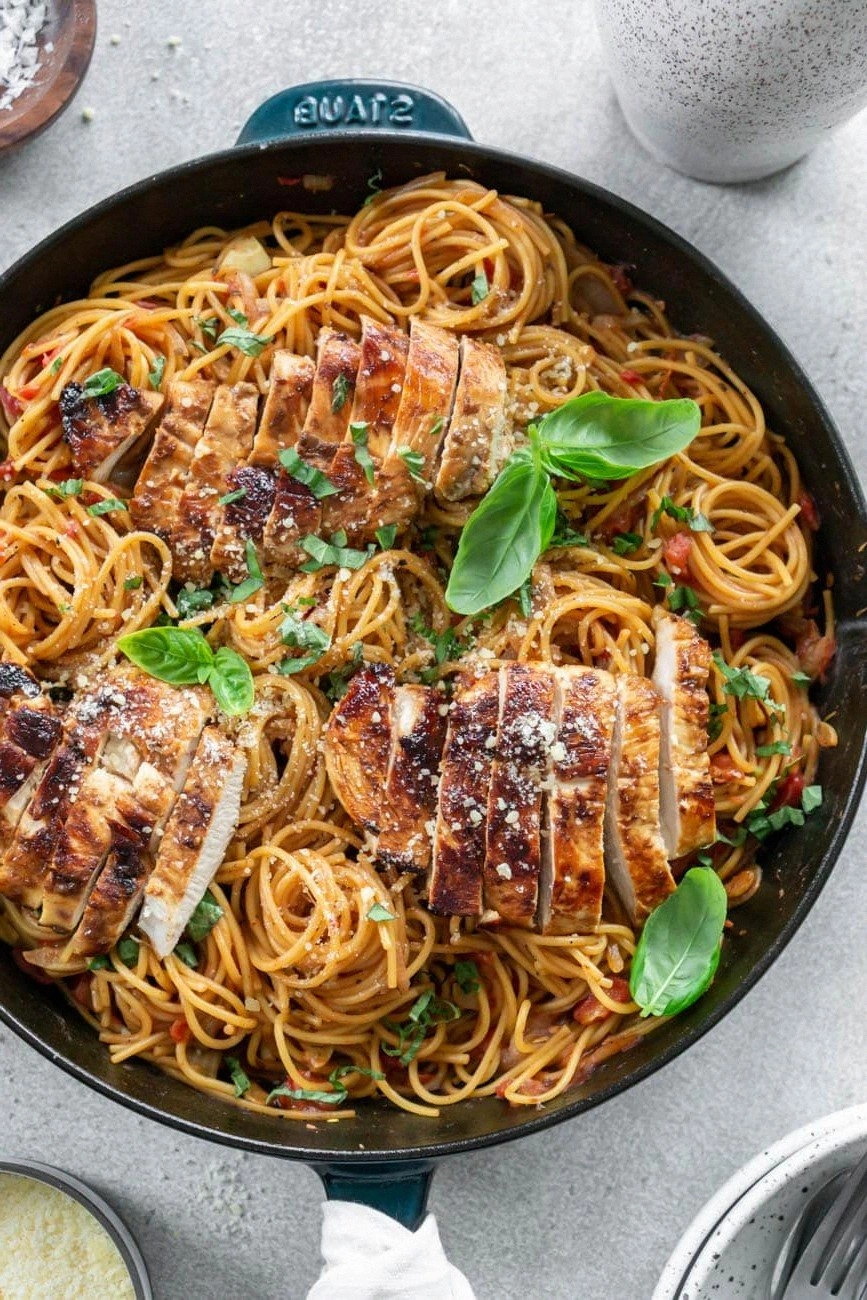
Picture the scene: a pan sizzling with a glossy sheen of olive oil, the sweet onion releasing a caramelized perfume that mingles with the sharp bite of garlic. The air is thick with anticipation, and the sound of the sautéed aromatics is a comforting, rhythmic hiss. When the diced tomatoes burst into a glossy, ruby‑red sauce, the kitchen fills with a scent so vivid it could almost be tasted. The texture of the pasta, when it finally meets the sauce, is a velvety embrace that clings to every strand like a lover’s kiss. The final touch of basil and parmesan adds a fresh, peppery crunch that cuts through the richness.
What makes this version stand out is the way each element is engineered to complement the others, creating a symphony of flavors that is both complex and approachable. The use of balsamic dressing as a sweet‑acid base gives the sauce a depth that would be impossible with plain tomato alone. The chicken is seared to a golden crust before being simmered, ensuring it remains juicy and full of flavor. The single pot technique means every ingredient infuses the pasta, eliminating the need for separate sauces or cleanup. And the result is a dish that feels like a comforting hug on a rainy evening, yet it’s sophisticated enough to impress dinner guests.
I dare you to taste this and not go back for seconds. The sauce coats the pasta like velvet, while the chicken offers a satisfying bite that shatters like thin ice when you bite into it. Most recipes get this completely wrong by either over‑cooking the pasta or under‑seasoning the chicken. Here’s what actually works: the balance of sweet, tangy, and savory that comes from the balsamic dressing and fresh basil. If you’ve ever struggled with one‑pot pasta, you’re not alone, and I’ve got the fix.
Picture yourself pulling this out of the pan, the whole kitchen smelling incredible, steam curling up in lazy spirals that look like clouds. The aroma is so inviting that even the most skeptical family members will line up for a second helping. The dish is a crowd‑pleaser, perfect for a weeknight dinner or a casual gathering. The best part? It’s so simple that you can make it in less than 45 minutes, yet it feels like a gourmet experience.
If you’ve ever found yourself staring at a pot of pasta and wondering if there’s a better way, this recipe is the answer. The next time you’re in the kitchen, I’ll walk you through every single step, and by the end, you’ll wonder how you ever made it any other way. Stay with me here, because this is worth it.
And now, let’s dive into the details that make this dish truly unforgettable. From the secret ingredient that elevates the sauce to the technique that locks in flavor, every element has been thoughtfully considered. I’ve spent hours testing, tweaking, and perfecting this recipe to ensure that each bite delivers a burst of Mediterranean sunshine. Ready? Let’s get cooking.
What Makes This Version Stand Out
- Flavor Fusion: The balsamic dressing introduces a subtle sweetness and acidity that transforms the classic tomato base, creating a sauce that’s both bold and balanced.
- Texture Mastery: The chicken is seared to a golden crust before simmering, locking in juices and providing a satisfying bite that contrasts the silky pasta.
- One-Pot Simplicity: All the ingredients cook together, eliminating extra dishes and ensuring every element absorbs the others’ flavors.
- Fresh Herb Finish: The generous addition of fresh basil adds a bright, peppery note that lifts the entire dish.
- Crowd‑Pleaser Factor: The dish is hearty enough for a family dinner yet refined enough for guests, making it a versatile choice.
- Time Efficiency: From prep to plate, the entire process takes under an hour, perfect for busy evenings.
- Make‑Ahead Friendly: The sauce keeps well, and the pasta can be reheated with a splash of water to restore its moisture.
Inside the Ingredient List
The Flavor Base
Balsamic dressing is the star of the show, providing a sweet‑acid kick that balances the savory chicken and tomato. Its caramelized notes deepen the sauce’s complexity, making it feel like a slow‑cooked ragù. If you’re short on time, a splash of balsamic vinegar can substitute, but the dressing’s thickness will give the sauce a richer mouthfeel. When using the dressing, keep a small spoon handy to stir the sauce and prevent it from sticking to the pot.
The Texture Crew
The chicken breasts are the protein backbone, and searing them first locks in juices, preventing them from becoming dry during the simmer. The sweet onion adds a caramelized sweetness that mellows the acidity of the tomatoes. Garlic cloves, minced finely, release their oils, infusing the entire pot with aromatic depth. The spaghetti, though dry, absorbs the sauce’s flavors, turning each strand into a silky, flavorful experience.
The Unexpected Star
30 ounces of canned diced tomatoes may seem like a lot, but they’re essential for creating a hearty, sauce‑rich base that coats the pasta evenly. The tomato juice provides a liquid medium for the spices to meld, while the skins add a subtle texture that gives the sauce body. If you prefer a smoother sauce, strain the tomatoes before adding them to the pot.
The Final Flourish
Fresh basil leaves are added at the end of cooking to preserve their bright flavor and color. A generous sprinkle of grated parmesan cheese gives a nutty, salty finish that contrasts the sweet‑acid base. The Italian seasoning, kosher salt, and ground black pepper bring together a cohesive seasoning profile that ties all the components together. Together, these ingredients create a dish that feels both comforting and refined.
Everything’s prepped? Good. Let’s get into the real action.
The Method — Step by Step
- Heat a large, deep skillet or Dutch oven over medium heat and pour in 2 tablespoons of extra virgin olive oil. Let the oil shimmer until it’s almost smoking; this indicates the pan is hot enough for searing. Place the seasoned chicken breasts (salt and pepper) into the pan, searing each side for 3–4 minutes until golden brown. This step locks in moisture and adds a caramelized flavor that will permeate the sauce.
- Remove the chicken and set it aside. In the same pan, add the diced sweet onion and minced garlic, stirring frequently. Cook until the onion turns translucent and begins to brown, about 5 minutes. The garlic should release a fragrant aroma, signaling that the base is ready.
- Pour in the canned diced tomatoes, along with their juice, and break them up with a wooden spoon. Add the balsamic dressing, Italian seasoning, and the crushed chicken bouillon cube. Stir everything together, ensuring the bouillon is fully dissolved and the tomatoes are evenly coated.
- Return the chicken breasts to the pan, nestling them into the tomato mixture. Reduce the heat to low, cover the pan, and let the chicken simmer for 15 minutes. This gentle simmer allows the flavors to meld while the chicken cooks through without drying out.
- While the chicken is simmering, bring a large pot of salted water to a rolling boil. Add the dry spaghetti and cook for 8 minutes, or until al dente. The pasta should still have a slight bite, as it will finish cooking in the sauce.
- Drain the spaghetti and add it directly to the pan with the chicken and sauce. Toss the pasta in the sauce until it’s fully coated, then let everything simmer uncovered for an additional 5 minutes. This final simmer allows the pasta to absorb the sauce’s richness.
- Remove the pan from heat and stir in the fresh basil leaves. The basil’s heat will evaporate quickly, leaving behind a bright, aromatic finish. Sprinkle grated parmesan cheese over the top, letting it melt slightly into the sauce.
- Serve immediately, ladling generous portions onto plates. Garnish with extra basil leaves or a dusting of parmesan if desired. The dish is now ready to be devoured.
That’s it — you did it. But hold on, I’ve got a few more tricks that will take this to another level.
Insider Tricks for Flawless Results
The Temperature Rule Nobody Follows
Maintaining a low simmer throughout the cooking process keeps the chicken tender and the sauce from reducing too quickly. If you notice the sauce thickening too fast, add a splash of pasta water or a little chicken broth to thin it out.
Why Your Nose Knows Best
The aroma of caramelized onions and garlic is a reliable indicator that the base is ready. If the smell feels flat, let the onions cook a little longer until they develop a deep, golden hue.
The 5-Minute Rest That Changes Everything
After removing the pan from heat, let the dish rest for 5 minutes before serving. This brief pause allows the flavors to marry and the pasta to finish absorbing the sauce.
The Secret of Fresh Basil
Add basil right at the end of cooking to preserve its bright color and flavor. If you add it too early, the heat will wilt the leaves and dull the aroma.
The Parmesan Finish
Use freshly grated parmesan instead of pre‑shredded cheese. Fresh cheese melts more smoothly and delivers a richer, nuttier taste.
The One-Pot Magic
When using a one‑pot method, avoid overcrowding the pan. If the ingredients are too crowded, they will steam instead of sauté, which can affect the texture.
Creative Twists and Variations
This recipe is a playground. Here are some of my favorite ways to switch things up:
The Mediterranean Twist
Swap the dry spaghetti for penne or rigatoni to give the dish a heartier bite. Add a handful of Kalamata olives for a briny depth that pairs well with the basil.
The Creamy Surprise
Stir in a splash of heavy cream or a dollop of ricotta cheese at the end for a velvety, indulgent sauce. The cream balances the acidity of the tomatoes and balsamic.
The Veggie Boost
Include diced zucchini, bell peppers, or spinach during the sauté phase. These veggies add color, nutrition, and a subtle sweetness.
The Protein Switch
Replace chicken with shrimp or thinly sliced pork for a different protein profile. Shrimp cooks quickly, so add it in the last 3 minutes of simmering.
The Low‑Carb Version
Use spiralized zucchini noodles instead of spaghetti. The dish will maintain its flavor profile while cutting carbs dramatically.
The Gluten‑Free Take
Swap the spaghetti for a gluten‑free pasta brand. Make sure the pasta is cooked to al dente before adding it to the sauce to avoid a mushy texture.
Storing and Bringing It Back to Life
Fridge Storage
Store the sauce and cooked pasta in an airtight container in the refrigerator for up to 3 days. Keep the chicken separate if you want to avoid the pasta absorbing too much moisture.
Freezer Friendly
Freeze the sauce in a freezer‑safe container for up to 2 months. The pasta should be cooked separately and frozen in a single layer to prevent clumping.
Best Reheating Method
Reheat the sauce in a saucepan over medium heat, adding a splash of water or broth to loosen it. If reheating the pasta, toss it in a lightly oiled pan for 1–2 minutes to restore its texture. A tiny splash of water before reheating steams the dish back to perfection.