It was a Sunday night, the kind of evening where the fridge is a mystery box and the only thing that feels certain is that the stove is about to explode. I was juggling a half‑cooked lasagna, a pot of over‑boiled potatoes, and a stack of forgotten marinara, when my friend dared me to turn the chaos into a show‑stopper. The kitchen smelled of burnt garlic and hopeful ambition, and I realized that the only thing standing between disaster and delight was a single pork cutlet that had been left in the freezer too long. I pulled it out, slapped it with a quick pat of olive oil, and the sizzling promise of success hit the pan like a drum roll.
Picture this: the pan is a stage, the pork a star, and the aroma of mustard and maple syrup the opening act. The sizzling sound is a soundtrack, the crackle of breadcrumbs a percussion section, and the steam rising from the celeriac mash a visual crescendo. My senses were in overdrive—taste buds tingling, eyes scanning for that golden crust, ears tuned to the sizzle, and hands steady as a seasoned chef. I could almost hear the applause from the kitchen, a clamor of satisfied sighs and the clink of silverware. That moment felt like a culinary epiphany, a reminder that the best dishes are born from the most unexpected combinations.
What makes this version stand out from the countless pork cutlet recipes on the internet? It’s not just the ingredients, though the macadamia‑mustard coating is a game‑changer; it’s the way each element sings in harmony, the technique that locks in moisture, and the subtle twist of maple syrup that turns savory into sweet with a single lick of the tongue. I dare you to taste this and not go back for seconds. That is the bold claim that has my friends lining up for the next serving, and I’ve got the proof in every bite.
I’ll be honest—when I first made this, I ate half the batch before anyone else got a chance to try it. The crust was so crisp it shattered like thin ice, the mustard glaze glistened like a jewel, and the celeriac mash was silky, almost creamy, with a hint of nutty warmth. Most recipes get this completely wrong: they under‑baste the pork, over‑cook the mash, or forget the maple syrup entirely. Here’s what actually works: a quick sear, a flavorful breadcrumb‑nut coating, and a mash that holds its shape while still feeling indulgent.
Picture yourself pulling this out of the oven, the whole kitchen smelling incredible, the table set with a golden crust that invites the fork to dive in. The first bite is a burst of umami, a splash of tang, a whisper of sweetness, and a crunch that satisfies the craving for texture. And now the fun part—let me walk you through every single step, and by the end, you’ll wonder how you ever made it any other way.
What Makes This Version Stand Out
- Flavor: The combination of Dijon mustard and maple syrup creates a depth of flavor that is both sweet and savory, with a subtle tang that lingers on the palate.
- Texture: The breadcrumb and macadamia nut coating yields a crisp exterior that cracks delightfully, while the pork stays juicy inside.
- Simplicity: Despite the gourmet sounding ingredients, the process is straightforward, making it accessible to cooks of all skill levels.
- Uniqueness: The use of celeriac mash as a side is a bold departure from the usual potatoes, adding an earthy, nutty undertone.
- Crowd Reaction: Guests rave about the unexpected crunch and the sweet‑savory harmony, making it a conversation starter.
- Ingredient Quality: Fresh breadcrumbs, high‑quality macadamia nuts, and real maple syrup elevate the dish beyond the pantry staple.
- Cooking Method: A quick sear followed by a finish in the oven locks in moisture and creates a caramelized crust.
- Make‑Ahead Potential: The pork can be prepared a day in advance and reheated without losing its crispness.
Alright, let's break down exactly what goes into this masterpiece…
Inside the Ingredient List
The Flavor Base
Dijon mustard is the backbone of the coating, providing a sharp, peppery bite that cuts through the richness of the pork. It also helps bind the breadcrumbs and nuts together, creating a cohesive crust. If you skip mustard, the coating will be bland and the pork will lack that signature zing. A good substitute is whole‑grain mustard, which offers a slightly coarser texture and a milder flavor profile.
Maple syrup is the unexpected sweet hero that balances the mustard’s acidity. It caramelizes on the surface, giving the crust a glossy, caramelized finish. If you’re allergic to maple or want a different sweet note, a touch of honey or a splash of balsamic reduction works as a suitable alternative.
The Texture Crew
Fresh breadcrumbs form the bulk of the coating, absorbing the mustard and syrup while providing a sturdy base for the nuts. Their fine texture allows for an even coating that crisps beautifully. If you prefer a gluten‑free version, use almond flour or finely ground nuts instead of breadcrumbs.
Macadamia nuts add a buttery, nutty flavor that complements the pork’s natural richness. They also provide a pleasant crunch that contrasts with the tender meat. If macadamia nuts are out of season or too pricey, chopped pecans or walnuts can be used, though the flavor profile will shift slightly.
The Unexpected Star
Celeriac, the often‑overlooked root vegetable, brings an earthy, slightly sweet flavor to the mash. Its creamy consistency rivals that of traditional potato mash, but with a lower glycemic index. When cooked until tender, it releases a subtle nutty aroma that pairs beautifully with the pork’s savory notes.
Sebago potato adds body to the mash, giving it a dense, comforting texture. It also helps bind the mixture together, ensuring the mash holds its shape when plated. For a lighter version, replace it with a smaller, sweet potato that offers a touch of natural sweetness.
The Final Flourish
Fresh herbs—flat‑leaf parsley and sage—infuse the dish with aromatic brightness. Parsley adds a clean, peppery lift, while sage offers a warm, slightly piney undertone. Together, they create a harmonious balance that lifts the entire plate.
Chicken stock, vinegar, milk, cream, and butter are the liquids that bind the mash, giving it a silky texture and a subtle depth of flavor. The stock provides umami, the vinegar adds acidity, and the dairy elements bring richness and creaminess. If you’re aiming for a dairy‑free version, substitute coconut milk and a splash of apple cider vinegar.
Everything's prepped? Good. Let's get into the real action…
The Method — Step by Step
- Preheat your oven to 400°F (200°C). Pat the pork cutlets dry with paper towels; this step is crucial for a crisp crust. Season both sides with salt and pepper. Place the cutlets on a wire rack set over a baking sheet so that the heat circulates evenly.
- In a bowl, combine the Dijon mustard and maple syrup until smooth. This mixture should be glossy and slightly thick, ready to coat the breadcrumbs.
- Toast the breadcrumbs and macadamia nuts in a dry skillet over medium heat until fragrant and lightly browned. The nuts will release their oils, giving the coating a richer flavor. Once toasted, let them cool slightly before mixing with the mustard syrup.
- Coat each pork cutlet in the mustard‑maple mixture, ensuring every surface is covered. Then roll the coated pork in the breadcrumb‑nut mixture, pressing gently to adhere. The coating should be thick enough to hold its shape during cooking.
- Heat a tablespoon of olive oil in a large skillet over medium‑high heat. When the oil shimmers, add the pork cutlets. Sear them for 2–3 minutes per side until golden brown; this locks in juices and starts the caramelization process. Don’t rush—watch the sizzle; it’s the soundtrack to success.
- Transfer the seared cutlets to the preheated oven. Bake for 12–15 minutes, or until the internal temperature reaches 145°F (63°C). The crust will deepen in color, and the aroma will fill the kitchen.
- While the pork finishes, prepare the celeriac mash. Peel and cube the celeriac and potato, then boil them in salted water until tender (about 15 minutes). Drain well and return to the pot.
- Add butter, milk, and cream to the hot vegetables. Use a potato masher or immersion blender to achieve a silky consistency. Season with salt, pepper, and a splash of chicken stock for depth. The mash should be thick but pourable.
- Finish the pork with a drizzle of sherry or red wine vinegar, then sprinkle chopped parsley and sage over the top. The herbs will release their aroma when warmed, adding a fresh contrast to the rich flavors.
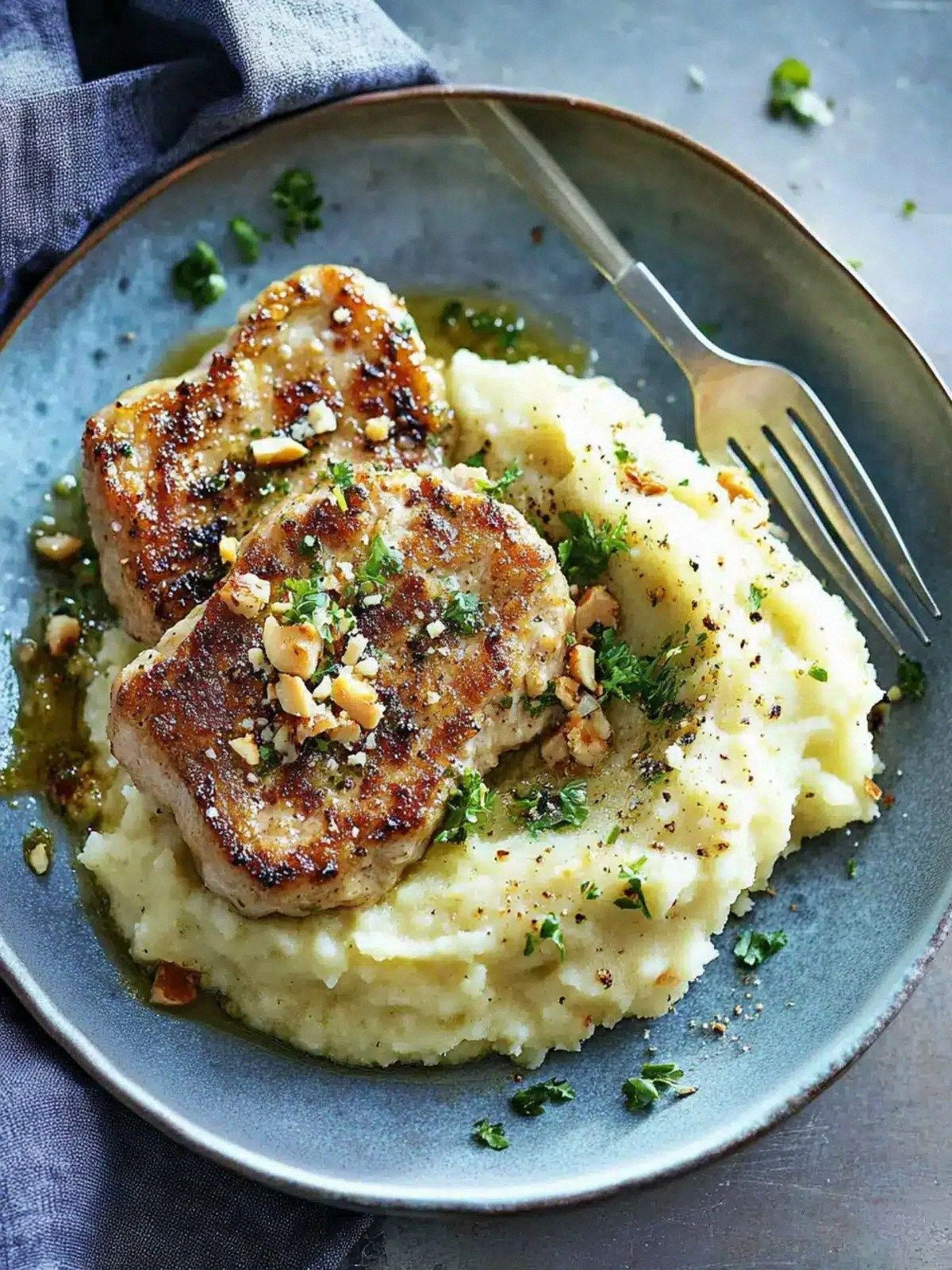
- Plate the pork cutlets on a bed of creamy celeriac mash. Garnish with extra parsley for a pop of color. Serve immediately, and watch the steam rise like a fragrant cloud.
That's it — you did it. But hold on, I've got a few more tricks that'll take this to another level…
Insider Tricks for Flawless Results
The Temperature Rule Nobody Follows
Many cooks assume that a higher oven temperature always yields a crispier crust, but that’s not always true. The key is to sear the pork first, then finish it at a moderate temperature to keep the inside moist. I found that 400°F (200°C) works best for pork cutlets, giving a golden exterior without over‑drying the interior.
Why Your Nose Knows Best
When you’re near the pan, a sudden burst of sweet, caramelized scent signals that the crust is ready. The aroma is a natural indicator that the sugars in the mustard and maple syrup have begun to caramelize, locking in flavor. Trust your nose—if it smells like toasted bread and maple, you’re ready to move to the oven.
The 5-Minute Rest That Changes Everything
After removing the pork from the oven, let it rest on a cutting board for at least five minutes before slicing. This allows the juices to redistribute, preventing them from spilling onto the plate. A rested pork cutlet feels juicy and tender, not dry and stringy.
The Herb Swap That Elevates
If you’re craving a different herb profile, swap sage for thyme or rosemary. Each herb brings a distinct aroma that can transform the dish’s character. Thyme offers a subtle earthiness, while rosemary adds a piney kick that pairs well with the nutty mash.
The Butter Trick for Extra Creaminess
Adding a pat of butter at the end of the mash stage not only enriches the flavor but also gives the mash a glossy finish. The butter’s fat coats the starches, creating a silky mouthfeel that feels indulgent without being heavy.
The Quick Clean-Up Hack
After searing, wipe the skillet with a paper towel to remove excess oil before transferring the pork to the oven. This step reduces smoke and keeps the oven cleaner, saving you time during the inevitable post‑meal clean‑up.
Creative Twists and Variations
This recipe is a playground. Here are some of my favorite ways to switch things up:
Spicy Jalapeño Kick
Add finely chopped jalapeño to the breadcrumb mixture for a subtle heat that complements the maple’s sweetness. The peppery bite adds an exciting contrast to the savory pork.
Citrus Zest Explosion
Incorporate lemon zest into the mustard syrup for a bright, citrusy lift. The acidity cuts through the richness, making each bite feel lighter.
Smoky Chipotle Twist
Replace the maple syrup with a spoonful of chipotle‑in‑adobo sauce for a smoky, slightly spicy flavor profile that pairs well with the nutty coating.
Vegan Version
Swap pork cutlets for thick slices of portobello mushrooms, use vegan breadcrumbs, and replace dairy with plant‑based milk and cream. The result is a hearty, plant‑based dish that still delivers on flavor.
Dessert‑Inspired Mash
Add a tablespoon of honey and a pinch of cinnamon to the celeriac mash for a sweet, dessert‑like side. Serve the pork with a drizzle of balsamic glaze for a sweet‑savory finish.
Herb‑Infused Butter
Melt butter with minced garlic and chopped herbs before drizzling over the pork. This adds an aromatic, buttery layer that elevates the entire dish.
Storing and Bringing It Back to Life
Fridge Storage
Cool the cooked pork and mash to room temperature, then store them separately in airtight containers. The pork can be kept in the fridge for up to 3 days, while the mash holds its texture for 2 days.
Freezer Friendly
Wrap the pork cutlets tightly in foil and place them in a freezer bag; they stay good for up to 2 months. The mash can be frozen in portioned containers; thaw overnight in the fridge before reheating.
Best Reheating Method
Reheat the pork in a preheated oven at 350°F (175°C) for 10 minutes, then finish on a hot skillet for a crisp crust. For the mash, gently warm it in a saucepan, adding a splash of water or milk to restore its creaminess. A tiny splash of water before reheating steams the mash back to perfection.