It all began on a rainy Thursday when I tried to recreate the shrimp bisque my grandmother used to make. The pot was a disaster—half the shrimp had been overcooked, the broth was cloudy, and the sauce had turned into a rubbery, unappetizing mess. I stared at the stove, feeling the sting of culinary disappointment. Then, a voice in my head whispered, “Don’t give up. Let’s turn this into a masterpiece.” That moment sparked a daring culinary experiment that would change how I think about bisques forever.
Picture the kitchen: the air is thick with the aroma of garlic and caramelized onions, a gentle hiss of butter melting, and the faint clink of a ladle against the pot. Your senses are assaulted by the bright, briny scent of fresh shrimp, the earthy sweetness of carrots, and the subtle, almost citrusy note of sherry. The sound of the broth bubbling is a steady drumbeat, and the texture of the mixture is a promise of silky, velvety comfort. I could almost taste the first spoonful—rich, creamy, with a faint citrus kick, and a finish that lingers like a secret whispered in a quiet room.
What makes this version of shrimp bisque stand out is not just the ingredients; it’s the method that elevates each element. I discovered that deglazing the pan with sherry right after sautéing the aromatics pulls out a depth of flavor that would otherwise be lost. The careful balance between the roux and the cream creates a smooth, unbroken texture, while the subtle white pepper adds a gentle heat that doesn’t overpower the delicate shrimp. This isn’t your run‑of‑the‑mill bisque; it’s a dish that feels like a warm hug wrapped in a refined, elegant shell.
I dare you to taste this and not go back for seconds. I’ve been honest—I ate half the batch before anyone else got a chance. Most recipes get this completely wrong, but here’s what actually works. Picture yourself pulling this out of the oven, the whole kitchen smelling incredible, and knowing you’ve created something that will impress even the most skeptical foodie. Let me walk you through every single step—by the end, you’ll wonder how you ever made it any other way.
What Makes This Version Stand Out
- Depth of Flavor: The sherry deglaze extracts caramelized bits from the pan, adding a subtle fruity sweetness that balances the brine of the shrimp.
- Silky Texture: A classic roux combined with heavy cream creates a velvety mouthfeel that coats the palate like a silk scarf.
- Ingredient Quality: Fresh, large shrimp with shells on provide natural umami, while a good quality bay leaf adds a fragrant undertone.
- Balanced Heat: White pepper offers a clean, mild warmth, avoiding the harsh bite of black pepper.
- Versatility: The bisque can be served as a refined starter or a comforting main dish, making it a crowd‑pleaser at any gathering.
- Make‑Ahead Potential: The soup keeps well in the refrigerator for up to 48 hours and reheats beautifully, making it a stress‑free option for busy weeknights.
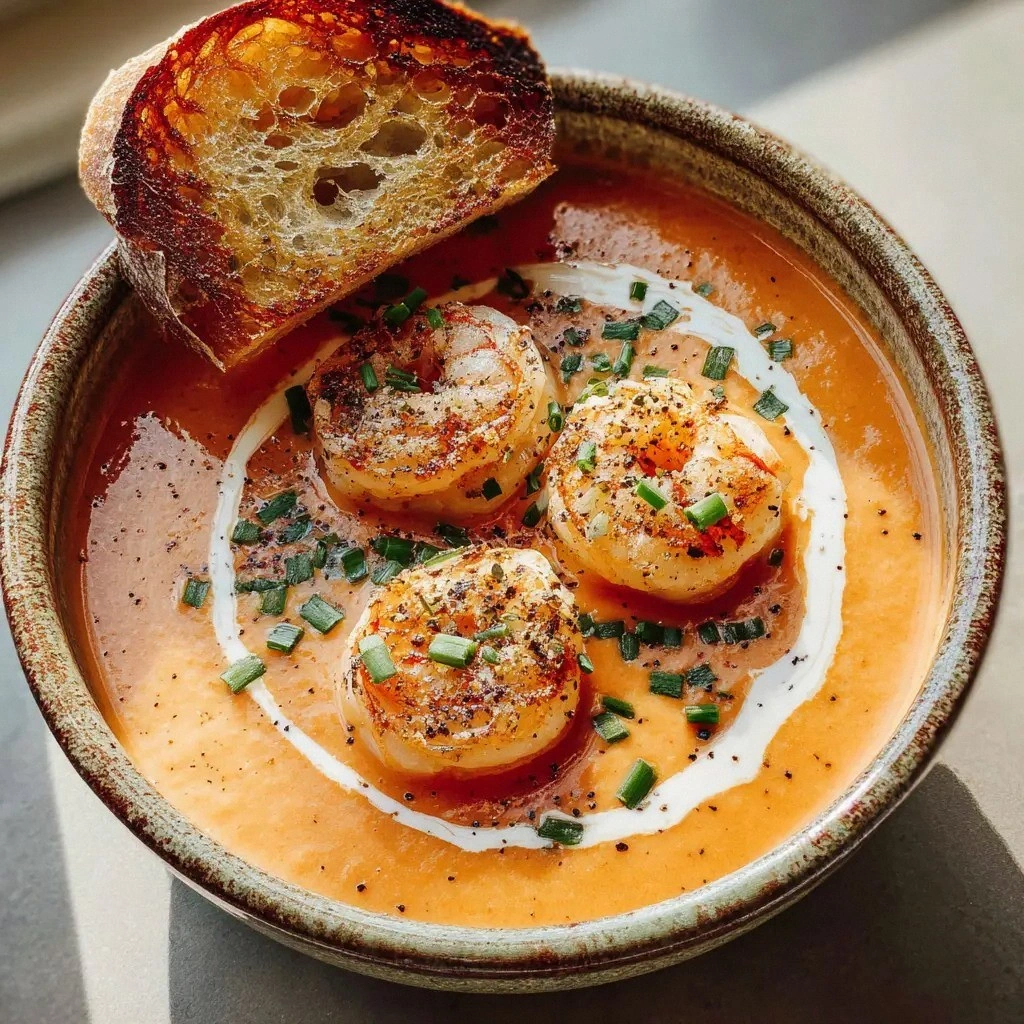
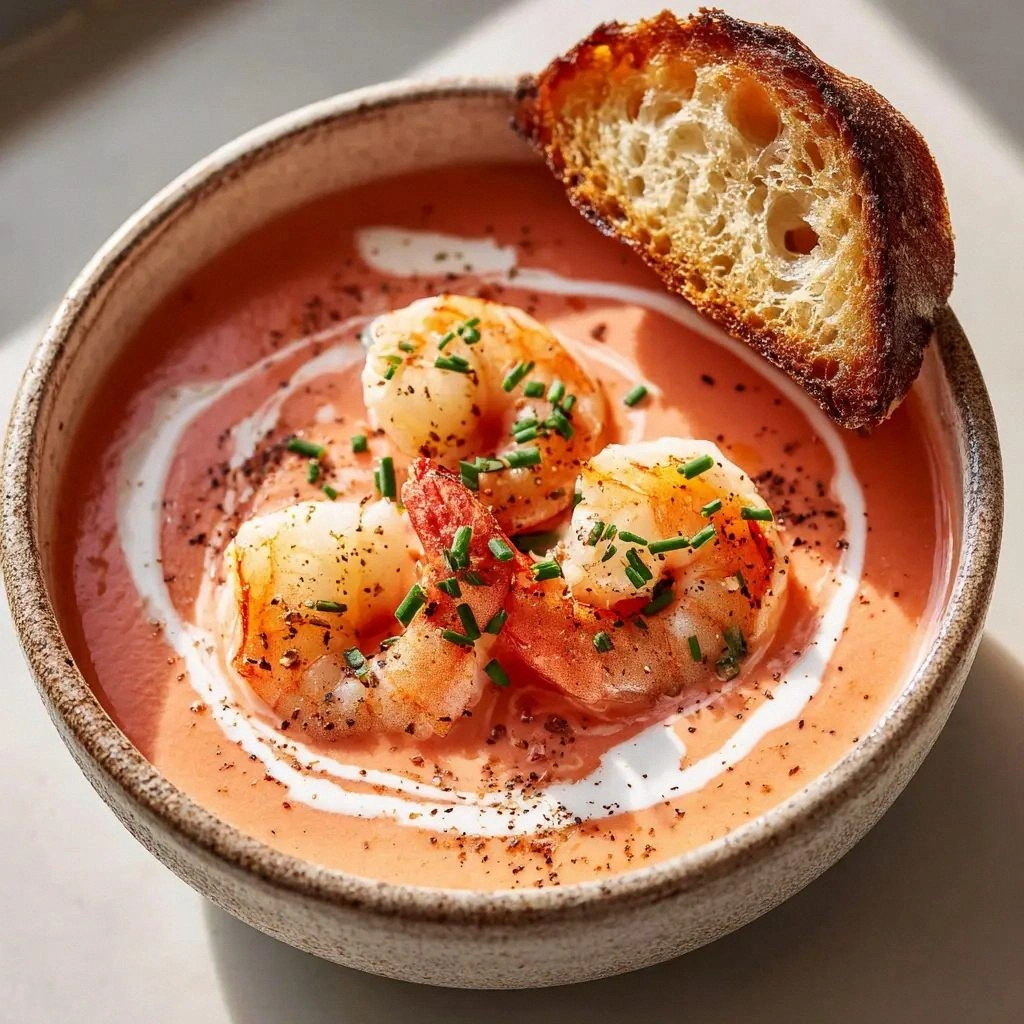
- Elegant Presentation: Finished with a swirl of cream, a sprinkle of chives, and a side of crusty baguette, it looks as good as it tastes.
Inside the Ingredient List
The Flavor Base
At the heart of any great bisque is a flavorful base. The onions, carrots, celery, and garlic sautéed in butter create a classic mirepoix that provides sweetness and depth. Each vegetable contributes a distinct note: onions bring a mellow sweetness, carrots add earthiness, celery offers a subtle herbal bite, and garlic delivers aromatic punch. If you skip any of these, the soup will feel flat and one‑dimensional. For a twist, try adding a splash of white wine in place of part of the water for an extra layer of acidity.
The Texture Crew
The roux—made from butter and flour—acts as the thickening agent that gives the bisque its luxurious consistency. When cooked just until the flour turns a light golden color, it eliminates the raw taste and sets the stage for a silky sauce. Heavy cream, added in two stages, not only enriches the broth but also smooths the roux into a velvety finish. The shrimp, simmered until just pink, retain their tender texture and infuse the broth with briny flavor. A pinch of white pepper keeps the heat clean and focused.
The Unexpected Star
Sherry, a dry fortified wine, might seem like an odd addition to a seafood bisque, but it brings a subtle nutty sweetness that complements the shrimp’s natural brininess. Reducing the sherry before adding the liquid concentrates its flavor, preventing it from becoming overpowering. If sherry isn’t on hand, a dry vermouth or even a splash of apple cider vinegar can work as a substitute, though the flavor profile will shift slightly.
The Final Flourish
The finishing touches—fresh chives, a drizzle of olive oil, and a final splash of cream—add brightness, a touch of oiliness, and a creamy layer that rounds off the dish. Cracked black pepper and a pinch of salt balance the flavors, while the crusty baguette slices provide a satisfying crunch. These elements transform a simple bisque into a dish that feels both sophisticated and comforting.
Everything's prepped? Good. Let's get into the real action...
The Method — Step by Step
- In a large stockpot, melt 2 tablespoons of unsalted butter over medium heat. Add the chopped onion, carrot, celery, and minced garlic, sautéing until the vegetables soften and the onions turn translucent—about 5 minutes. The mixture should emit a fragrant, caramelized aroma that signals the base is ready. This step is crucial; rushing it will leave the soup tasting raw.
- Stir in the 1/4 cup of dry sherry and let it simmer until it reduces by half, concentrating the flavor. Watch for the liquid to thicken slightly, and don’t let it burn. The reduction will give the bisque a subtle fruity sweetness that pairs beautifully with the shrimp. If you’re short on sherry, a splash of dry white wine works as a close substitute.
- Add the bay leaf and pour in 4 cups of water, bringing the mixture to a gentle boil. Reduce the heat to low and let it simmer for 10 minutes, allowing the flavors to meld. This slow simmer extracts the essence of the aromatics and builds the soup’s foundation. Remember to keep an eye on the pot; a rolling boil can cause the broth to splatter.
- In a separate saucepan, prepare the roux: melt 4 tablespoons of butter over medium heat, then whisk in 1/4 cup of all‑purpose flour. Cook the mixture for 2-3 minutes, stirring constantly, until it turns a light golden color—this eliminates the raw flour taste. The roux will be the backbone of the bisque’s silky texture.
- Gradually whisk the roux into the simmering broth, ensuring a smooth blend. Stir continuously for 3 minutes until the mixture thickens and the flour’s raw flavor disappears. At this point, the bisque should feel thick enough to coat the back of a spoon. This is the moment of truth—don’t rush it.
- Add the raw shrimp to the pot and simmer for 3-4 minutes, just until they turn pink and opaque. Be careful not to overcook; overdone shrimp become rubbery. The shrimp will release their briny essence, infusing the bisque with a savory depth. This step is where the dish truly starts to feel alive.
- Stir in 2 tablespoons of tomato paste and 1 cup of heavy cream, dividing it into two portions. The tomato paste adds a hint of acidity and color, while the cream enriches the broth. Keep the heat low and stir until the mixture is smooth and glossy. The bisque should now feel luxuriously thick.
- Season with salt, white pepper, and a splash of olive oil. Taste and adjust the seasoning as needed. The final touch is a drizzle of olive oil that adds a silky sheen and a subtle fruity note. Let the bisque rest for 5 minutes before serving; this allows the flavors to settle.
- Serve hot, garnished with chopped fresh chives and a sprinkle of cracked black pepper. Accompany with toasted baguette slices for a satisfying crunch. The contrast between the creamy bisque and the crisp bread creates a textural dance that elevates the entire experience.
That’s it — you did it. But hold on, I’ve got a few more tricks that will take this to another level. Stick with me through the insider section, and you’ll master every nuance of this bisque.
Insider Tricks for Flawless Results
The Temperature Rule Nobody Follows
Many chefs keep the broth at a rolling boil, but a gentle simmer is the key to preserving the shrimp’s delicate texture. A high heat can cause the shrimp to contract and become rubbery. Keep the temperature steady, and use a thermometer if you’re unsure—aim for 190°F to 200°F. This subtle control makes the difference between a mediocre bisque and a showstopper.
Why Your Nose Knows Best
Before you add the final splash of cream, pause and inhale the aroma. A buttery, caramelized scent signals the roux is done; a sour or off note indicates the broth needs more time. Trusting your nose helps you avoid over‑cooking and ensures the bisque stays fresh and vibrant. I’ve learned to pause, inhale, and let the aroma guide me.
The 5‑Minute Rest That Changes Everything
After the bisque has finished cooking, let it rest for five minutes with the lid on. This rest period allows the flavors to marry and the sauce to thicken slightly. It also gives the shrimp a chance to absorb the liquid, making each bite succulent. Skipping this step often results in a thinner, less cohesive soup.
The Fresh Herb Hack
Instead of chopping fresh chives at the end, try sautéing them in the olive oil for 30 seconds before adding to the bisque. This releases their flavor more fully and adds a subtle oniony brightness. The result is a more aromatic bisque that feels like a culinary revelation.
The Quick Bread Toast
To elevate the crusty baguette, brush each slice with olive oil and toast under a broiler for 1-2 minutes until golden. The oil adds flavor and prevents the bread from drying out. A quick toast also gives the bread a satisfying crunch that contrasts beautifully with the creamy bisque.
Creative Twists and Variations
This recipe is a playground. Here are some of my favorite ways to switch things up:
Mediterranean Splash
Swap the sherry for a splash of white wine and add a pinch of dried oregano. Finish with a drizzle of lemon‑infused olive oil and a sprinkle of feta. This version offers a bright, citrusy finish that pairs wonderfully with grilled vegetables.
Spicy Cajun Kick
Add a teaspoon of Cajun seasoning to the mirepoix and a dash of cayenne pepper when seasoning the bisque. The result is a bold, smoky heat that contrasts with the creamy base. Serve with a side of cornbread for a Southern twist.
Creamy Coconut Twist
Replace half of the heavy cream with coconut milk for a tropical flavor profile. Add a pinch of curry powder for warmth and serve with toasted coconut flakes on top. The bisque becomes a creamy, exotic delight.
Saffron Infusion
Soak a pinch of saffron threads in a tablespoon of warm water for 10 minutes. Add the liquid to the bisque at the end of cooking and stir. The golden hue and subtle floral note elevate the dish into a luxurious, restaurant‑style bisque.
Smoky Chipotle Variant
Blend in a tablespoon of chipotle adobo sauce for a smoky, earthy depth. Finish with fresh cilantro and a squeeze of lime. This version is perfect for a dinner party that calls for bold flavors.
Vegetarian Version
Omit the shrimp and add diced smoked tofu or seared tempeh for protein. Use vegetable broth instead of water and add a splash of soy sauce for umami. The result is a hearty, plant‑based bisque that still feels indulgent.
Storing and Bringing It Back to Life
Fridge Storage
Cool the bisque to room temperature before transferring to an airtight container. Store in the refrigerator for up to 48 hours. The flavors deepen, and the broth thickens slightly, which can be a pleasant surprise.
Freezer Friendly
Divide the bisque into freezer‑safe portions and freeze for up to 3 months. Thaw overnight in the refrigerator before reheating. Adding a splash of water or extra cream before reheating helps restore the original thickness.
Best Reheating Method
Reheat gently over low heat, stirring frequently. If the bisque is too thick, add a small amount of water or cream to reach the desired consistency. Finish with a swirl of fresh cream and a sprinkle of chives for a restaurant‑quality finish.