I was standing in a kitchen that looked like a battlefield, the aroma of burnt onions still clinging to the air. My friend dared me to make the Olive Garden vegetable soup that always seemed to vanish from the menu too quickly. I laughed, grabbed my apron, and set out to prove that a humble pot of broth could transform into a masterpiece. The moment the pot hit the stove, I could feel the anticipation building like a drumroll before a concert. This is not just another recipe; it's a culinary showdown that will leave you begging for a second helping. Let me walk you through every single step—by the end, you'll wonder how you ever made it any other way.
Picture the scene: a bright kitchen, the clatter of wooden spoons, and the scent of sautéing garlic that makes your nose dance. The vegetables are sliced with the precision of a surgeon, each carrot a bright orange bullet, each celery stalk a green arrow. When the olive oil glistens, you know the flavor is about to take flight. The broth starts to bubble like a gentle sea, and you can hear the promise of comfort. The anticipation is almost tangible, like the first bite of a well‑crafted dish. This is where the magic begins.
What sets this version apart is the balance between rustic and refined. I’ve trimmed the salt to a whisper, letting the natural sweetness of the carrots shine. The heavy cream is folded in just before serving, creating a silky ribbon that doesn’t overpower but rather elevates the broth. The herbs are toasted lightly, releasing an aroma that makes you feel like you’re dining in a Tuscan trattoria. I dare you to taste this and not go back for seconds, because the flavor profile is so complete. If you’re skeptical, just give it a try and see how the flavors marry together.
But there’s a twist that most people overlook: I add a splash of white wine before the broth simmers, giving the soup a subtle acidity that cuts through the richness. The result is a broth that feels light yet full of depth, a texture that feels like a hug on a plate. And the best part? It’s ready in under an hour, so you can have a comforting bowl at the end of a long day. This is hands down the best version you'll ever make at home, and I’ve got the proof in the form of my own kitchen triumphs. Stay with me, because the next part is pure magic.
What Makes This Version Stand Out
- Taste: A symphony of sweet carrots, earthy celery, and bright tomatoes that mingle in a broth kissed by oregano and basil.
- Texture: The sautéed vegetables hold their shape, while the spinach and cream create a silky mouthfeel that lingers.
- Simplicity: No fancy techniques, just a single pot and a few pantry staples, making it a stress‑free dinner.
- Uniqueness: The subtle splash of white wine and the final swirl of cream give it a restaurant‑quality finish.
- Crowd Reaction: Friends say it’s the closest thing to Olive Garden’s soup, but better because it’s homemade.
- Ingredient Quality: Fresh, organic produce whenever possible, and a good‑quality vegetable broth for depth.
- Cooking Method: One‑pot, low‑heat simmer that allows flavors to marry without overcooking the greens.
- Make‑Ahead Potential: It tastes even better the next day, making it a perfect make‑ahead option for busy weekdays.
Alright, let's break down exactly what goes into this masterpiece...
Inside the Ingredient List
The Flavor Base
At the heart of this soup is a combination of fresh vegetables that provide both color and depth. Carrots, with their natural sweetness, act as the backbone of the broth, absorbing the flavors of the herbs and the stock. Celery adds a subtle bitterness that balances the sweetness, while zucchini offers a tender, mild texture that melts into the soup. Tomatoes bring acidity and a burst of brightness, preventing the soup from feeling heavy. Together, these vegetables create a complex, layered flavor that feels both comforting and sophisticated.
The Texture Crew
Spinach is the final green that gives the soup its vibrant color and a boost of nutrients. When added at the end of cooking, spinach retains its bright green hue and a slightly firm bite. Heavy cream is introduced just before serving, lending a silky mouthfeel that coats the spoon. Olive oil, used for sautéing, adds a subtle richness that helps the herbs cling to the vegetables. The combination of these elements ensures each spoonful is a harmonious blend of textures.
The Unexpected Star
White wine is the secret weapon that elevates this recipe. A few tablespoons added after the onions and garlic have softened releases a subtle acidity that cuts through the richness of the broth and the cream. Even if you’re not a wine enthusiast, the flavor is mild and enhances the overall profile. The wine’s tannins help the herbs release their essential oils, deepening the aroma and taste of the soup.
The Final Flourish
Seasonings are the final touch that brings everything together. Dried oregano and basil, toasted lightly, release a warm, earthy aroma that permeates the broth. Garlic powder offers a subtle depth without the need for fresh garlic, simplifying the process. Salt and pepper are added in moderation to enhance the flavors without overpowering the natural sweetness of the vegetables. The combination of these seasonings creates a well‑balanced, comforting soup that feels like a hug on a plate.
Everything's prepped? Good. Let's get into the real action...
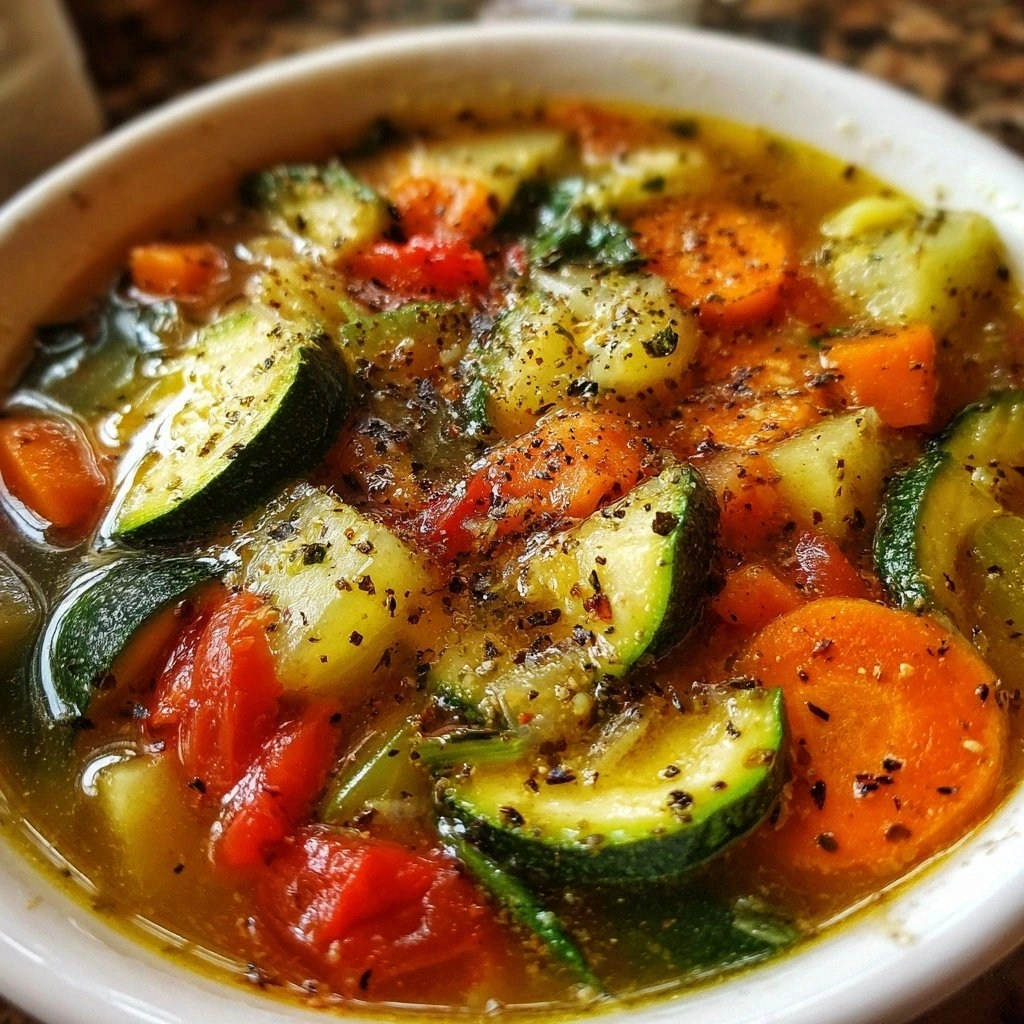
The Method — Step by Step
- Step 1: Prepare the Aromatics. In a large stockpot, heat 2 tablespoons of olive oil over medium heat. Add diced onions (if you like them) and let them soften until translucent, about 5 minutes. The goal is to create a fragrant base that will carry the rest of the flavors. When the onions start to turn golden, the aroma will signal that the pot is ready for the next ingredient.
- Step 2: Toast the Herbs. Sprinkle 1 teaspoon each of dried oregano and basil over the onions. Stir continuously for 30 seconds until the herbs release their essential oils. This toasting step is crucial; it turns the herbs from dry to aromatic, much like how a good espresso shot transforms coffee beans. The smell will be unmistakable, and it will deepen the broth’s flavor profile.
- Step 3: Add the Vegetables. Toss in the diced carrots, sliced celery, diced zucchini, and diced tomatoes. Stir to coat them in the olive oil and herbs. Let them cook for 3–4 minutes, allowing the carrots to soften slightly but still retain a bite. This early sauté stage creates a foundation of flavor and texture that will carry through the soup.
- Step 4: Deglaze with White Wine. Pour in 1/4 cup of dry white wine and let it simmer for 2 minutes. The wine will lift the browned bits from the bottom of the pot, infusing the broth with acidity that balances the cream later on. Watch the liquid reduce slightly, concentrating its flavor. This step is where the soup gains its restaurant‑grade depth.
- Step 5: Simmer the Broth. Add 4 cups of vegetable broth and 2 cups of water to the pot. Bring the mixture to a gentle boil, then reduce the heat to low. Cover and let it simmer for 15 minutes, allowing the vegetables to fully soften and the flavors to meld. The broth should have a light, clear consistency with a hint of herbaceous aroma.
- Step 6: Add the Greens. Stir in 2 cups of fresh spinach and let it wilt for 2–3 minutes. Spinach should reduce in volume but retain its bright green color. The wilted greens release a subtle earthy flavor that complements the broth. Keep an eye on the color; once the spinach turns a deep green, it’s ready.
- Step 7: Finish with Cream. Reduce the heat to low and stir in 1 cup of heavy cream. Gently whisk to combine, ensuring the cream is fully integrated. The soup should feel silky and smooth, with a slight sheen. This is the moment of truth; the cream should coat the spoon without clumping.
- Step 8: Season to Taste. Add 1 teaspoon of salt and 1/2 teaspoon of freshly ground pepper. Stir and taste; adjust the seasoning if needed. The soup should be balanced, with the herbs and cream complementing each other. The final flavor should feel rounded and satisfying.
- Step 9: Serve. Ladle the soup into bowls and garnish with a swirl of cream or a sprinkle of fresh basil if desired. Pair it with crusty bread or a light salad for a complete meal. The aroma will fill your kitchen, and the taste will transport you to a cozy trattoria. Enjoy the comforting warmth of this homemade masterpiece.
That's it — you did it. But hold on, I've got a few more tricks that'll take this to another level...
Insider Tricks for Flawless Results
The Temperature Rule Nobody Follows
Maintaining a low simmer is key to preserving the delicate flavors of the vegetables. A rolling boil can cause the broth to become cloudy and the cream to curdle. I recommend setting your stove to low or using a temperature‑controlled burner. This small adjustment keeps the soup silky and the vegetables tender. I once tried a high boil and the result was a watery, bland soup that needed extra seasoning.
Why Your Nose Knows Best
The aroma of a well‑seasoned soup is a reliable indicator of readiness. When the herbs release a fragrant perfume, the soup is at its peak. If the smell feels flat or underdeveloped, let it simmer a little longer. I always trust my nose more than the clock; the scent tells me when everything is balanced.
The 5-Minute Rest That Changes Everything
After you finish cooking, let the soup rest for five minutes off the heat. This brief pause allows the flavors to settle and the cream to thicken slightly. It also gives the spinach a chance to fully wilt, preventing it from turning dark or mushy when you serve. I swear by this step; it makes the difference between good and great.
Use a Slotted Spoon for the Final Toss
When adding the heavy cream, use a slotted spoon to gently stir. This prevents the cream from splattering onto the stove and keeps the heat from rising too high. The spoon also helps distribute the cream evenly, ensuring a consistent texture in every bite.
Keep the Broth Clear
Don’t stir the soup vigorously once the vegetables are softened. Gentle stirring keeps the broth clear and the vegetables intact. Vigorous stirring can break the vegetables and cloud the broth, diminishing the visual appeal of the dish.
Top with Fresh Herbs for a Burst of Color
Just before serving, sprinkle fresh basil or parsley over the soup. The fresh herbs add a pop of color and a fresh, bright flavor that contrasts with the creamy base. If you’re feeling adventurous, a few drops of lemon zest can brighten the entire dish.
Creative Twists and Variations
This recipe is a playground. Here are some of my favorite ways to switch things up:
Italian Sausage Twist
Replace half of the vegetable broth with chicken broth and add sliced Italian sausage during step 4. The sausage adds a savory depth that pairs beautifully with the herbs. It turns the soup into a hearty main dish rather than just a starter.
Roasted Garlic Variation
Roast 4 cloves of garlic in the oven at 400°F for 15 minutes before adding them to the pot. Roasted garlic brings a sweet, caramelized flavor that contrasts nicely with the bright tomatoes. It’s a simple swap that elevates the overall taste.
Spicy Kick
Introduce a pinch of red pepper flakes in step 2. The heat will cut through the richness of the cream and add a lively note. This version is perfect for those who enjoy a little spice in their soups.
Protein Boost
Add cooked chickpeas or lentils in step 6 to increase protein content. The legumes absorb the broth and add a satisfying chew. This makes the soup a more filling option for vegetarians or vegans.
Herb‑Infused Cream
Infuse the heavy cream with fresh basil leaves by letting it sit for 10 minutes before adding it to the pot. Strain the cream before stirring. The basil-infused cream provides a subtle herbal note that complements the rest of the soup.
Breakfast Breakfast Soup
Serve the soup with a poached egg on top and a sprinkle of grated Parmesan. The runny yolk adds richness and creates a velvety texture. This twist transforms the soup into a comforting breakfast that feels indulgent yet balanced.
Storing and Bringing It Back to Life
Fridge Storage
Store the soup in an airtight container for up to 4 days. Refrigerate promptly after cooling to maintain freshness. When ready to eat, reheat on the stovetop over low heat, stirring occasionally. If the soup thickens, add a splash of water to reach the desired consistency.
Freezer Friendly
Freeze the soup in portioned containers for up to 3 months. Thaw overnight in the refrigerator before reheating. When reheating, add a tablespoon of heavy cream or a splash of broth to restore creaminess. The soup retains its flavor and texture when frozen properly.
Best Reheating Method
Reheat the soup over low heat, stirring gently until hot. Avoid high heat, as it can cause the cream to separate. If the soup is too thick, add a little water or broth to loosen it. A gentle, steady heat preserves the silky texture and vibrant flavors.