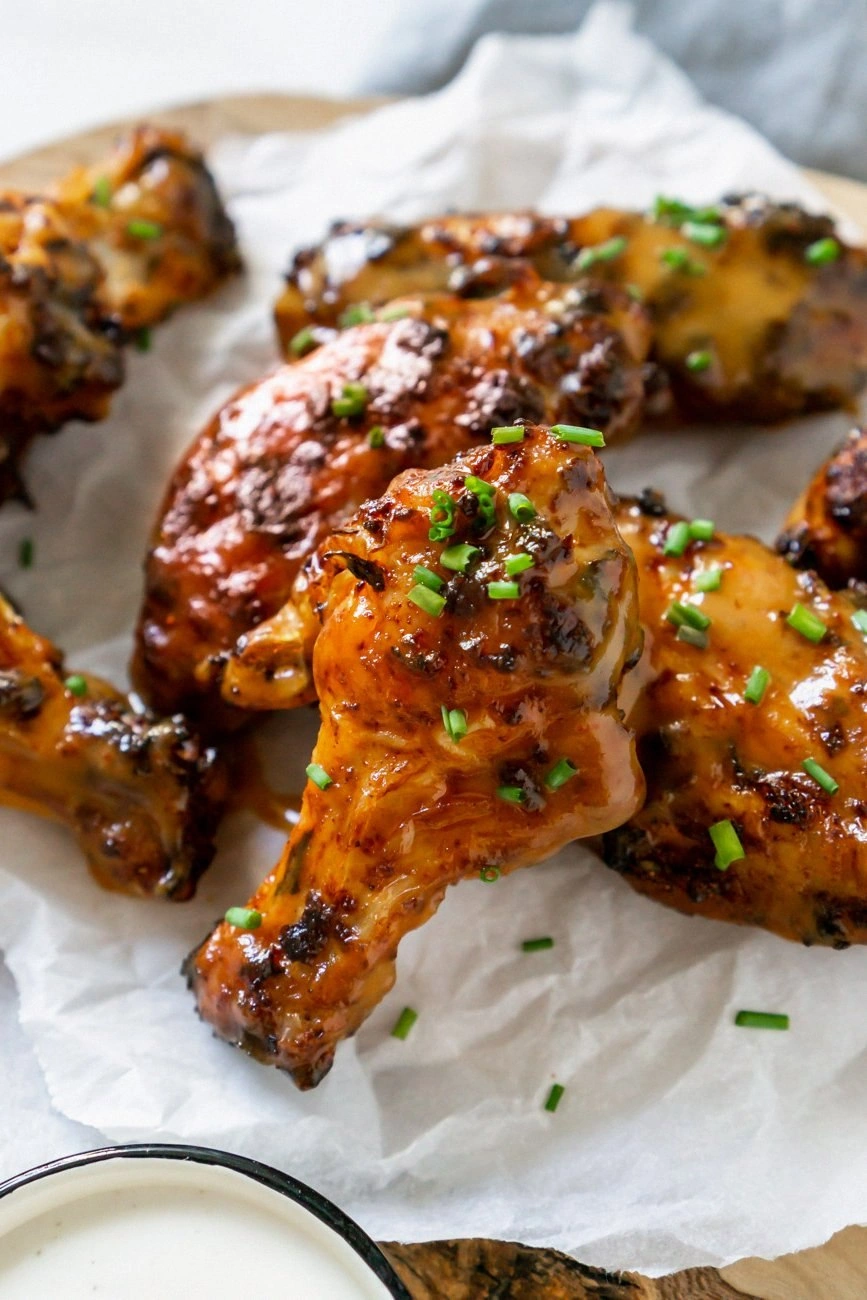
I was staring at my pantry after a night of late‑night pizza and the thought hit me like a rogue pepperoni slice: what if I could turn a simple chicken breast into a creamy, pepper‑kissed masterpiece that feels like a hug? The kitchen was a mess, my stove was humming, and my taste buds were demanding a culinary adventure. I grabbed the ingredients I had on hand, and the idea of “Cacio E Pepe Chicken”—a dish that usually belongs on a pasta plate—started to simmer. The scent of Pecorino Romano already began to tease the air, making my mouth water in anticipation.
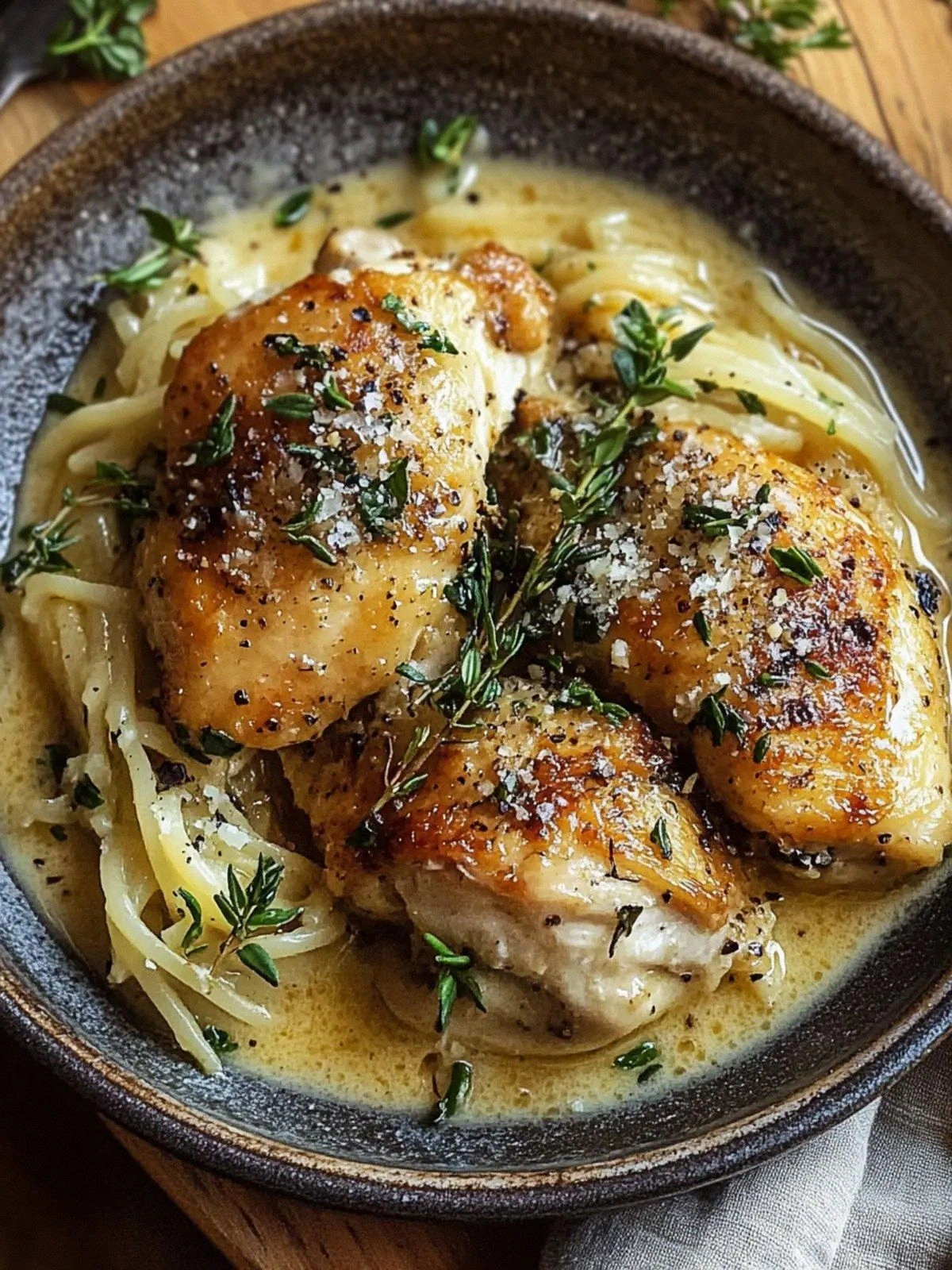
Picture this: a golden‑brown chicken breast resting in a pan, the butter sizzling, the pepper crackling like tiny fireworks, and the heavy cream swirling into a glossy, velvety sauce that coats the meat like a silky blanket. The aroma is a comforting blend of nutty cheese and smoky pepper, with a hint of olive oil that keeps the dish from feeling heavy. When you take that first bite, the chicken is juicy and tender, the sauce is rich without being greasy, and the pepper adds a subtle bite that wakes up the palate. It’s the kind of dish that makes you think, “I never knew chicken could taste this luxurious.”
Why does this version stand out from every other chicken recipe you’ve tried? Because I’ve combined the classic Italian technique of cacio e pepe with a creamy twist that turns ordinary chicken into a showstopper. The sauce isn’t just a thickening agent; it’s a flavor bomb that delivers depth, richness, and a silky mouthfeel. The chicken is cooked to perfection—crispy on the outside, succulent on the inside—thanks to a quick sear that locks in juices. The pepper isn’t just sprinkled; it’s toasted in butter, releasing a deep, aromatic profile that elevates the entire dish. And the best part? It’s incredibly easy, so you can whip it up in under 45 minutes, making it a perfect weeknight dinner or a last‑minute crowd‑pleaser.
I dare you to taste this and not go back for seconds. That sizzle when the chicken hits the pan? Absolute perfection. The creamy sauce clings to the meat like a velvet blanket, and the pepper’s bite is just enough to keep things interesting without overwhelming the delicate cheese. Most recipes get this completely wrong by either over‑sautéing the chicken or under‑seasoning the sauce. I’ve perfected a balance that feels both indulgent and comforting, and I’m excited to share every detail so you can recreate it with confidence.
What Makes This Version Stand Out
- Flavor: The toasted pepper and Pecorino Romano create a complex, savory profile that feels both familiar and novel.
- Texture: The sauce is silky yet thick enough to cling to the chicken, giving a luxurious mouthfeel.
- Simplicity: Only eight ingredients, no fancy equipment—just a skillet and a whisk.
- Uniqueness: A creamy twist on a classic pasta sauce turns chicken into a decadent entrée.
- Crowd Reaction: Guests rave about the “comfort‑food” vibe, and it’s perfect for both casual dinners and special occasions.
- Ingredient Quality: Using fresh Pecorino Romano and high‑quality olive oil elevates the dish beyond ordinary.
- Cooking Method: A quick sear followed by a gentle simmer locks in flavor and texture.
- Make‑ahead Potential: The sauce can be stored and reheated without losing its creamy consistency.
Alright, let's break down exactly what goes into this masterpiece…
Inside the Ingredient List
The Flavor Base
Pecorino Romano cheese is the soul of this dish. Its sharp, salty profile cuts through the richness of the cream, preventing the sauce from becoming cloying. If you skip it, the sauce loses its depth and becomes a bland, buttery cream. For those who prefer a milder taste, you can substitute with aged Parmesan, but the sharpness of Pecorino is irreplaceable. When selecting cheese, look for a block that’s firm and has a slightly crumbly texture—this ensures it melts evenly.
Heavy cream brings that luxurious, velvety texture that coats the chicken like a silk scarf. It also balances the sharpness of the cheese, creating a harmonious blend of flavors. If you’re watching calories, you can use half‑fat or non‑fat cream, but be prepared for a slightly thinner sauce that may need a touch of flour or cornstarch to thicken. The key is to add the cream slowly while whisking, allowing it to incorporate smoothly without forming lumps.
Unsalted butter is the secret to a glossy, golden sauce. It provides a rich mouthfeel and helps the pepper release its essential oils. If you’re using salted butter, reduce the amount of added salt to keep the dish from becoming overly salty. Butter also helps the cheese melt into a silky sauce, preventing graininess. A good rule of thumb is to use a generous amount—two tablespoons for four servings ensures a luscious coating.
Freshly cracked black pepper is the star that adds depth and a subtle heat. The act of cracking the pepper releases volatile oils that give the dish its aromatic punch. If you can’t find fresh pepper, a high‑quality ground pepper works, but you’ll lose the bright, peppery aroma. A teaspoon for four servings is enough to give the sauce a lively kick without overpowering the creamy base.
Salt is the silent hero that balances flavors. Even a small pinch can elevate the richness of the sauce and enhance the pepper’s bite. I recommend using sea salt or kosher salt for a cleaner taste. Avoid table salt, as it can make the dish taste flat or too sharp.
The Texture Crew
Boneless, skinless chicken breasts are the foundation of this dish. They’re lean, tender, and absorb the sauce’s flavors beautifully. If you prefer a different cut, chicken thighs will give a richer, more succulent result, but the texture will differ. To keep the breasts juicy, avoid overcooking; a quick sear followed by a gentle simmer keeps the meat tender.
Olive oil is used to sear the chicken and to coat the pan, preventing sticking and adding a fruity note. A light, high‑smoke‑point olive oil such as refined or pure extra‑virgin works best. If you’re using a more robust olive oil, the flavor will dominate the dish, which might not be desirable for this delicate balance.
Fresh parsley is the final flourish that adds a pop of color and a fresh, herbal note that cuts through the richness. It also gives the dish a vibrant look that makes it feel lighter. If you’re out of parsley, a pinch of dried basil or thyme can substitute, but the fresh herb’s brightness is unmatched.
The Unexpected Star
The heavy cream isn’t just a filler; it’s an unexpected star that transforms a simple chicken dish into a decadent entrée. The cream’s fat content creates a silky coating that makes each bite feel indulgent. It also acts as a medium for the Pecorino Romano to dissolve evenly, preventing clumps and ensuring a smooth sauce.
The pepper’s role goes beyond flavor; it also adds a subtle textural contrast. When toasted in butter, the pepper’s outer layer crisps slightly, giving a tiny crunch that contrasts with the tender chicken and creamy sauce. This tiny textural element is often overlooked in other recipes, but it adds a delightful bite that elevates the dish.
The Final Flourish
The parsley garnish is more than a decorative touch; it adds a burst of freshness that balances the richness of the sauce. The green color also enhances the dish’s visual appeal, making it feel lighter and more appetizing. When plating, scatter the parsley over the chicken so that each bite has a hint of herbaceous brightness.
Everything’s prepped? Good. Let’s get into the real action…
The Method — Step by Step
- Heat a large skillet over medium‑high heat and add the olive oil. Once the oil shimmers, place the chicken breasts in the pan, skin side down if they have skin. Let them sear for 4–5 minutes without moving them; the goal is a golden crust that locks in juices. The sizzling sound is a clear sign the pan is hot enough.
- Flip the chicken and sear the other side for another 3–4 minutes. The chicken should be opaque but still slightly pink in the center; it will finish cooking in the sauce. While the chicken is searing, toast the pepper in a separate small pan with butter until fragrant, about 30 seconds. This step releases the pepper’s essential oils.
- Remove the pepper from the pan and set aside. In the same skillet, pour in the heavy cream, scraping up any browned bits from the bottom. Bring the cream to a gentle simmer, whisking constantly to prevent it from scorching.
- Add the Pecorino Romano to the cream, stirring until it’s fully melted and the sauce is smooth. The cheese should dissolve completely, creating a glossy, thick sauce. If the sauce looks too thin, let it reduce slightly on low heat for a minute or two.
- Return the seared chicken to the skillet, nestling it into the sauce. Reduce the heat to low, cover the pan, and let the chicken simmer in the sauce for 8–10 minutes. The chicken will finish cooking, and the flavors will meld together.
- During the last 2 minutes, stir in the toasted pepper and the chopped parsley. The pepper will add a final burst of aroma, while the parsley provides a fresh, herbal brightness.
- Taste the sauce and adjust seasoning with salt if needed. The sauce should be creamy, slightly thick, and balanced between salty and peppery.
- Serve immediately, spooning the sauce over the chicken and garnishing with extra parsley if desired. Pair with a side of roasted vegetables or a crisp green salad for a complete meal.
That’s it — you did it. But hold on, I’ve got a few more tricks that will take this to another level. The sauce’s silky texture can be tweaked, the chicken’s bite can be intensified, and the presentation can be elevated. Stay with me, and let’s dive into insider tricks that will make this dish truly unforgettable.
Insider Tricks for Flawless Results
The Temperature Rule Nobody Follows
Many cooks believe you can sear chicken at any heat, but the secret is to use medium‑high heat until the pan is smoking. This ensures a crisp crust that locks in juices. If the heat is too low, the chicken will steam rather than sear, resulting in a soggy texture. I always let the pan reach 400°F before adding the oil; this quick sear gives the chicken a beautiful golden color that’s hard to achieve otherwise.
Why Your Nose Knows Best
The aroma of toasted pepper is a reliable indicator of flavor development. When the pepper starts to sizzle and release its oils, that’s the moment to add it to the sauce. If you wait too long, the pepper’s bright notes fade, leaving a dull, bitter taste. Trust your nose, and you’ll always hit that perfect aromatic sweet spot.
The 5-Minute Rest That Changes Everything
After removing the chicken from the pan, let it rest for five minutes before cutting into it. This allows the juices to redistribute, ensuring each bite stays moist. Cutting too soon can cause the juices to spill out, leaving the meat dry. A quick rest also lets the sauce thicken slightly, giving a richer coating when you serve.
The Quick Whisk Trick
When adding the Pecorino Romano to the cream, whisk in a small amount of cold water before the cheese. This technique helps the cheese melt evenly and prevents clumping. The cold water lowers the temperature of the cream slightly, creating a smoother transition as the cheese melts.
The Parmesan Swap
If you’re craving a milder flavor, swap Pecorino Romano for aged Parmesan. The Parmesan will give a nutty undertone, but it won’t have the same sharpness. The dish will still be creamy and comforting, just with a slightly different flavor profile.
Creative Twists and Variations
This recipe is a playground. Here are some of my favorite ways to switch things up:
Spicy Jalapeño Kick
Add finely diced jalapeños to the sauce during the simmer. The heat will complement the pepper’s bite, creating a layered spice profile. This variation is perfect for those who love a little heat in their comfort food.
Sun‑Dried Tomato Crunch
Stir in chopped sun‑dried tomatoes during the last minute of cooking. The sweet, tangy tomatoes add texture and a burst of umami that pairs wonderfully with the creamy sauce.
Mushroom Medley
Sauté sliced mushrooms in butter before adding the chicken. The earthy flavor of mushrooms complements the cheese, giving the dish a more complex, savory depth.
Herb‑Infused Olive Oil
Infuse your olive oil with rosemary or thyme before searing the chicken. The herbaceous oil adds an aromatic layer that enhances the overall flavor profile.
Citrus Zest Twist
Grate a small amount of lemon or orange zest into the sauce. The bright citrus note cuts through the richness, giving the dish a refreshing lift.
Cheese Swap for a Vegan Take
Replace Pecorino and cream with a plant‑based cheese and coconut milk. The result is a creamy, dairy‑free version that still delivers on flavor. This variation is ideal for guests who prefer a vegan option.
Storing and Bringing It Back to Life
Fridge Storage
Cool the dish completely before placing it in an airtight container. Store in the refrigerator for up to 3 days. The sauce may thicken slightly; simply reheat gently on low heat, stirring until it reaches the desired consistency.
Freezer Friendly
For longer storage, portion the chicken and sauce into freezer‑safe bags. Freeze for up to 2 months. Thaw overnight in the fridge before reheating. The sauce may separate when frozen; whisk it back together before serving.
Best Reheating Method
Reheat the dish in a skillet over low heat, adding a splash of water or milk to re‑emulsify the sauce. This tiny splash of liquid steams the dish back to a silky, creamy state. Stir constantly to prevent the sauce from scorching.