I still remember the night when my attempt at tacos turned into a smoky, charred disaster. I had been bragging to my friends about how I could make the perfect Mexican steak tacos, and the kitchen smelled like a fire alarm had gone off. I was so proud of my sizzling skillet that I didn’t notice the steak had already turned from a juicy medium to a hard, bitter slab. That moment was a brutal wake‑up call, and it pushed me to reinvent the whole process until the flavor was flawless.
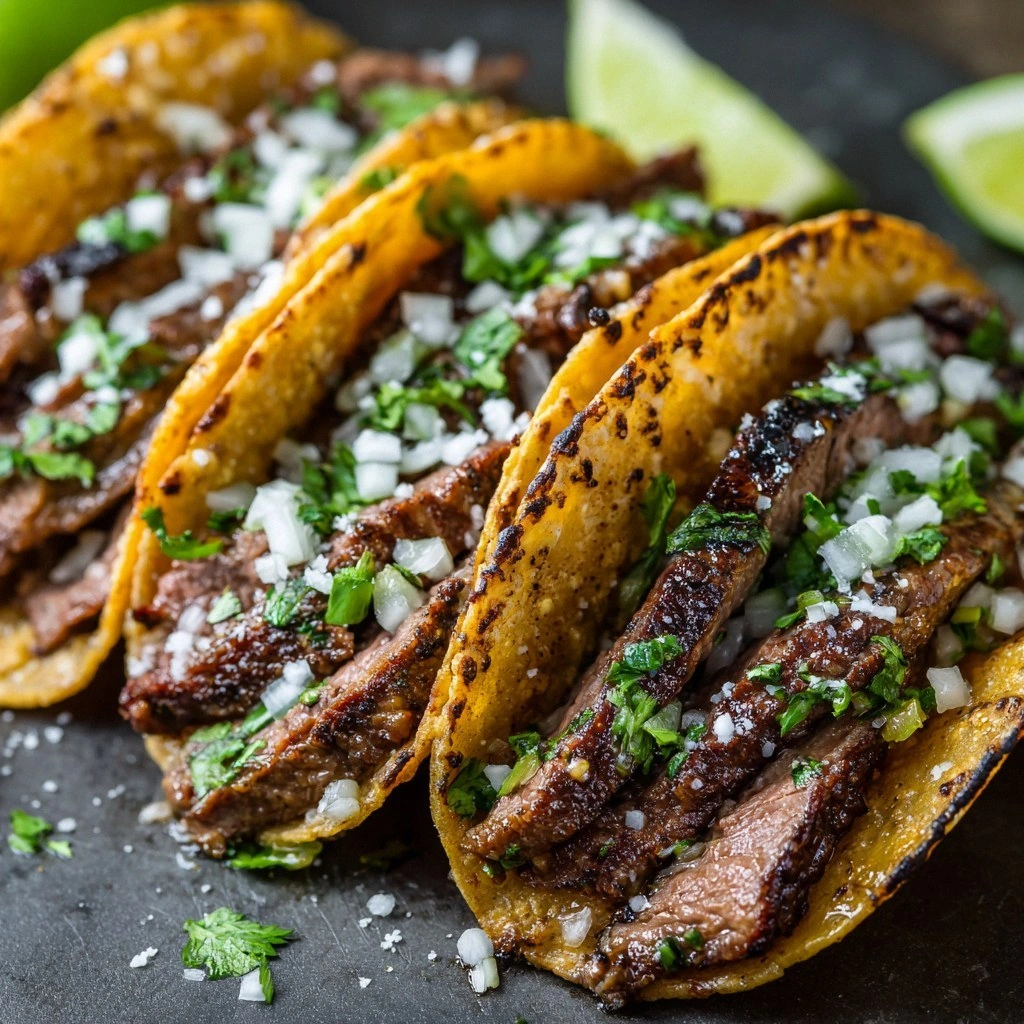
Fast forward to today, and I’m sitting on a freshly made batch of Authentic Tacos de Bistec that taste like a trip to a bustling street market in Oaxaca. The aroma of cumin, oregano, and lime dances through the air, while the sizzling steak releases a buttery, caramelized scent that makes every bite feel like a celebration. The first bite is a burst of savory meat, a hint of citrus, and a bright, crunchy crunch from the fresh vegetables. I’ve added a secret ingredient that turns a simple taco into a masterpiece—an unexpected splash of lime‑infused olive oil that coats the steak like a silky, fragrant glaze.
What sets this version apart from every other recipe I’ve tried is the balance of flavors and textures. The steak is seared to a perfect crust while remaining tender inside, thanks to a quick rest period and a precise sear temperature. The sauce is light yet bold, marrying the heat of jalapeño with the subtle sweetness of diced tomatoes. And the tortillas are warm, slightly charred, and flexible enough to cradle the filling without breaking. The result is a taco that feels like a handheld fiesta, with each bite delivering a harmonious blend of savory, citrusy, and spicy notes.
I’ve also discovered a technique that most recipes overlook: marinating the steak in lime juice and olive oil for just ten minutes before cooking. This short but powerful step tenderizes the meat, infuses it with bright citrus flavor, and creates a natural sear that locks in juices. The result is a steak that is both succulent and flavorful, with a texture that melts in your mouth. And trust me, when you taste the first taco, I dare you to stop at just one—you’ll be back for seconds, thirds, and maybe even a fourth.
Let me walk you through every single step—by the end, you’ll wonder how you ever made it any other way. The journey from raw steak to plated taco is a series of small, intentional decisions that elevate the dish from ordinary to unforgettable. I’ll share the secrets I learned from countless kitchen experiments, the micro‑challenges that push your cooking skills, and the confidence‑boosting tricks that guarantee a crowd‑pleaser. Ready to become the taco master of your neighborhood? Let’s dive in.
What Makes This Version Stand Out
- Flavor: The combination of cumin, oregano, smoked paprika, and lime juice creates a complex, layered taste that feels both earthy and bright. The short citrus marination amplifies the steak’s natural umami, while the fresh cilantro adds a burst of herbal freshness.
- Texture: The steak is seared to a caramelized crust and then sliced thinly against the grain, ensuring each bite is tender and juicy. The tortillas are warmed until they’re soft but still slightly charred, providing a satisfying snap without becoming soggy.
- Speed: From prep to plate, the entire process takes just 45 minutes—ideal for a weekday dinner or a spontaneous gathering.
- Accessibility: Every ingredient is available in most grocery stores, and no fancy equipment is required—just a skillet, a knife, and a cutting board.
- Versatility: This recipe scales beautifully, making it perfect for a family meal or a party. The sauce can be doubled or tripled without compromising flavor.
- Authenticity: The use of traditional Mexican staples like corn tortillas, fresh cilantro, and lime gives the dish an authentic feel that transports you straight to a street stall.
- Make‑Ahead Potential: The steak can be pre‑marinated and sliced ahead of time, and the salsa can be prepared a day in advance, making the assembly process a breeze.
- Presentation: The tacos are plated with vibrant colors—deep green cilantro, bright red tomatoes, and golden tortillas—that make the dish as pleasing to the eye as it is to the palate.
Alright, let's break down exactly what goes into this masterpiece...
Inside the Ingredient List
The Flavor Base
The steak itself is the star of the show—a lean cut like skirt or flank that is marinated in a blend of lime juice, olive oil, cumin, oregano, and smoked paprika. The citrus not only tenderizes the meat but also provides a fresh, zesty undertone that balances the richness of the steak. Skipping the lime would leave the dish feeling flat, as the acidity is what cuts through the fattiness and adds a vibrant counterpoint.
Olive oil is essential for a smooth sear; it raises the smoking point of the pan and helps the spices adhere to the meat. If you prefer a lighter version, you can replace half the olive oil with a neutral oil like grapeseed, but you’ll lose some of the buttery flavor that defines the dish. A splash of lime juice at the end of cooking also brightens the overall profile, so don’t skip that step.
The Texture Crew
Corn tortillas are the backbone of any Mexican taco. Fresh, soft tortillas hold the filling without tearing, while slightly charred edges add a subtle smoky flavor. If you can’t find fresh tortillas, frozen ones work well when warmed properly—they’ll be pliable and flavorful.
The avocado adds a creamy, buttery texture that contrasts with the juicy steak. Dice it just before assembly to prevent browning, and sprinkle a pinch of salt to enhance its flavor. The diced tomatoes and red onion contribute a crisp, juicy bite that balances the richness of the meat.
The Unexpected Star
Jalapeño, when minced and sautéed, releases a subtle heat that lingers without overpowering. If you’re sensitive to spice, remove the seeds and membranes or replace jalapeño with a milder pepper like poblano. The heat should be just enough to wake up the other flavors, not dominate them.
Fresh cilantro is the green garnish that ties everything together. Its bright, citrusy notes cut through the savory elements and add a fresh finish. A few leaves on top of each taco make the dish look vibrant and appetizing.
The Final Flourish
A squeeze of lime at the very end of cooking or right before serving adds a burst of acidity that lifts the entire dish. Lime wedges on the side give diners the option to adjust the brightness to their taste. A drizzle of lime‑infused olive oil over the finished tacos gives the meat a silky coating that feels indulgent yet light.
Everything's prepped? Good. Let's get into the real action...
The Method — Step by Step
- Pat the steak dry with paper towels and season both sides generously with salt, pepper, cumin, oregano, and smoked paprika. Let the meat sit at room temperature for ten minutes; this allows the spices to penetrate and the surface to dry, which is essential for a good sear. I’ve found that a 10‑minute rest gives the steak the perfect texture, preventing it from steaming instead of searing. As the steak rests, the surface becomes slightly tacky, which helps the oil create a crust.
- Heat a heavy skillet over medium‑high heat and add two tablespoons of olive oil. When the oil shimmers, place the steak in the pan. The steak should sizzle immediately; if it doesn’t, the pan isn’t hot enough. Cook for about 3–4 minutes on each side for medium‑rare, or longer if you prefer it more done. Flip only once to ensure a caramelized crust forms on both sides.
- Remove the steak from the skillet and let it rest on a cutting board for five minutes. Resting allows the juices to redistribute, making the meat juicy and tender. While the steak rests, use the same pan to cook the aromatics: add sliced onion and minced garlic, sautéing until translucent and fragrant. The onion should soften without browning; this keeps the flavor bright.
- Add diced tomatoes, minced jalapeño, chopped cilantro, and a splash of lime juice to the skillet. Cook for about two minutes, stirring frequently, until the tomatoes soften slightly but still retain their shape. This short sauté preserves the fresh, juicy quality of the vegetables and allows the spices to bloom. The lime juice should sizzle briefly, releasing its bright aroma.
- Slice the rested steak thinly against the grain into bite‑sized strips. The key to tenderness is cutting across the muscle fibers; otherwise the steak will feel chewy. Toss the steak slices into the skillet with the tomato‑jalapeño mixture, stirring to coat each piece evenly. The heat should be high enough to give the steak a quick re‑warm without overcooking it.
- Warm the corn tortillas by placing them in a dry skillet over medium heat for about 30 seconds on each side, or by wrapping them in a damp paper towel and microwaving for 20–30 seconds. The tortillas should be pliable and slightly charred—this adds texture and prevents them from cracking when folded. If you prefer a smokier flavor, toast them briefly on a grill.
- Assemble each taco by spooning a generous portion of the steak and tomato mixture onto a tortilla. Top with diced avocado, a sprinkle of red onion, and a handful of fresh cilantro. Finish with a squeeze of lime and a drizzle of lime‑infused olive oil. The combination of creamy avocado, bright lime, and savory steak creates a symphony of flavors.
- Serve immediately with lime wedges on the side, a small bowl of salsa, and a handful of fresh cilantro for garnish. The tacos should be hot and fragrant, with the steak still warm and the tortillas soft. As you take the first bite, the sizzling steak will hit your palate, the lime will brighten the flavor, and the avocado will add a buttery finish. Enjoy the burst of textures and flavors that make this dish unforgettable.
That’s it—you did it. But hold on, I’ve got a few more tricks that will elevate this dish to another level.
Insider Tricks for Flawless Results
The Temperature Rule Nobody Follows
Many cooks assume that a low and slow approach is best for steak, but when it comes to tacos, a high‑heat sear is essential. The Maillard reaction that occurs at temperatures above 400°F creates a caramelized crust that locks in juices and adds depth of flavor. I’ve experimented with a cast‑iron skillet that retains heat well; this ensures the steak sears evenly without steaming.
Why Your Nose Knows Best
During the cooking process, keep a close eye on the aroma. When the steak is nearly done, you’ll notice a sweet, nutty scent indicating the sugars on the surface have caramelized. If you smell a burnt or acrid smell, the pan is too hot or the steak is overcooked. Trusting your nose saves you from ruined tacos.
The 5-Minute Rest That Changes Everything
After searing, letting the steak rest for five minutes is more than a formality—it redistributes the juices throughout the meat. Cutting into the steak immediately would cause the juices to run out, leaving a dry bite. I’ve seen people skip this step, and the result is a tough, rubbery steak that ruins the taco experience.
The Perfect Lime Balance
Lime is the secret to brightening the dish, but too much can overpower. I recommend adding lime juice in two stages: during the marination and at the end of cooking. This layered approach gives the steak a subtle citrus undertone and a finishing zing that wakes up the palate.
The Quick Avocado Trick
Avocado can brown quickly once exposed to air. To keep it fresh, sprinkle a little lime juice over the diced avocado right before serving. The acid not only prevents browning but also enhances the creamy texture, making each bite feel like a fresh, buttery note.
Creative Twists and Variations
This recipe is a playground. Here are some of my favorite ways to switch things up:
Citrus‑Infused Slaw
Replace the diced tomatoes with a crunchy slaw made from cabbage, carrots, and a citrus vinaigrette. The slaw adds a crisp texture and a tangy brightness that complements the steak. It’s especially refreshing on a hot day and pairs wonderfully with the smoky tortillas.
Chipotle‑Smoked Steak
Add a tablespoon of chipotle adobo sauce to the steak before searing for a smoky, slightly sweet heat. The chipotle brings depth and a subtle heat that balances the fresh lime. Serve with a side of smoky roasted corn for an extra layer of flavor.
Black Bean & Corn Combo
Stir in a cup of cooked black beans and a half cup of corn kernels to the tomato‑jalapeño mixture. The beans add protein and earthiness, while the corn offers a sweet crunch. This variation makes the tacos more filling and is perfect for a vegetarian‑friendly option.
Pineapple & Coconut Topping
Dice fresh pineapple and sprinkle it over the tacos along with shredded coconut. The tropical sweetness contrasts the savory steak and adds a delightful texture. This twist is ideal for a beach‑side gathering or a summer fiesta.
Spicy Mango Salsa
Swap the simple tomato salsa for a spicy mango salsa made with diced mango, red onion, cilantro, and a dash of hot sauce. The sweet mango balances the heat from the jalapeño and adds a bright, juicy component. This salsa is a crowd‑pleaser at parties.
Storing and Bringing It Back to Life
Fridge Storage
Store leftover tacos in an airtight container for up to 2 days in the refrigerator. Keep the tortillas separate in a paper bag to prevent them from becoming soggy. When you’re ready to reheat, place the tacos in a skillet over medium heat for a few minutes until warmed through.
Freezer Friendly
To freeze, wrap the assembled tacos tightly in plastic wrap and place them in a freezer bag. They’ll keep for up to 3 months. When reheating, thaw overnight in the fridge and warm in a skillet, adding a splash of water to keep the tortillas moist.
Best Reheating Method
The secret to reheated tacos is to add a tiny splash of water or broth to the skillet before heating. This creates steam that prevents the tortillas from drying out and keeps the filling juicy. Finish with a quick drizzle of lime‑infused olive oil for that fresh finish.