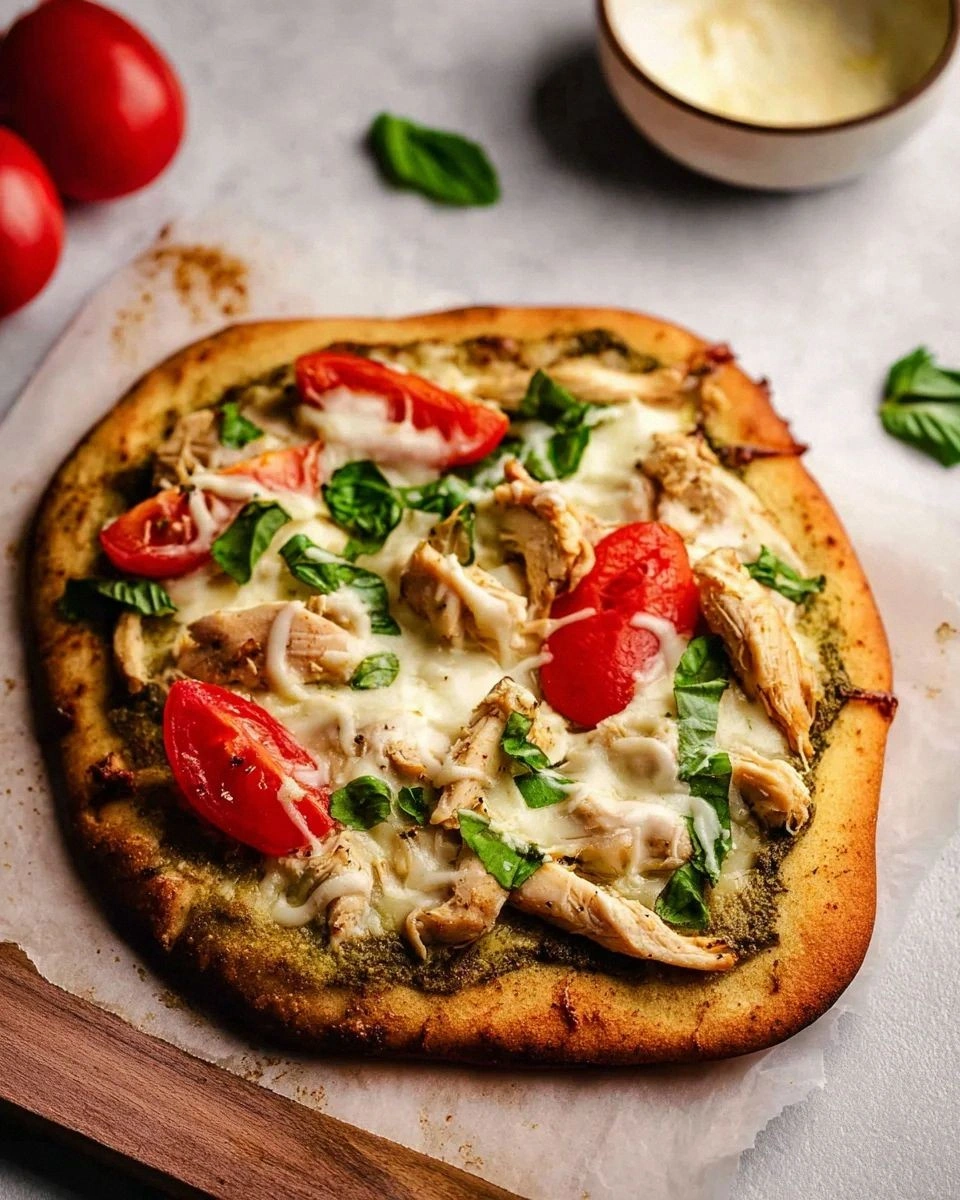
I still remember the first time I made what I thought would be a quick Tuesday-night flatbread. I was tired, the fridge held exactly three ingredients that seemed remotely compatible—store-bought naan, some leftover roast chicken, and a half-full jar of pesto that had been giving me side-eye for weeks—and I was ready to phone dinner in. I slapped everything together, slid it onto the rack, and proceeded to fold laundry while it baked. Eight minutes later, the smell drifted down the hallway like a cartoon hook: herbaceous, garlicky, toasty, and faintly sweet from caramelized cheese. I sprinted back, yanked open the oven, and took a bite so good I actually dropped the laundry basket. The edges were shatter-crisp, the pesto had blistered into a glossy emerald veneer, the chicken stayed juicy, and the cheese formed those Instagram-worthy lacy frills. In under ten minutes I had upgraded from "meh" to "how is this not on a restaurant menu?" That happy accident became my weeknight ace-in-the-hole, my pot-luck crowd pleaser, and the midnight snack that haunts my dreams in the best way.
Since then I've tweaked, obsessed, and reverse-engineered every layer until this flatbread delivers that first-bite fireworks show on demand. The crust crackles like thin ice under your teeth, then gives way to a pillowy center. The pesto—yes, we'll make a lightning-fast version—coats every crevice with basil perfume and nutty depth. The chicken gets a quick marinade so it tastes like it was grilled on a Tuscan afternoon rather than rescued from a Tupperware graveyard. And the cheese blend? Stretchy, nutty, and just rebellious enough to blister into those dark, crispy freckles that taste like childhood grilled-cheese edges. If you've ever struggled with dried-out chicken, soggy flatbread, or pesto that turns army-green in the oven, stay with me here—this is worth it.
Okay, ready for the game-changer? We're going to pre-toast the flatbread directly on a screaming-hot oven rack for exactly two minutes before we add a single topping. That quick blast drives out surface moisture, so when the pesto hits, it grips instead of soaks. No limp crust, no sad puddle in the center, just structural integrity that shatters beautifully under your teeth. I dare you to taste this and not go back for seconds. Picture yourself pulling this out of the oven, the whole kitchen smelling incredible, and hearing that collective "ooooh" when you set it on the table. You're about to become the person who's known for "that flatbread," and I am here for it.
Let me walk you through every single step—by the end, you'll wonder how you ever made it any other way. Grab a sheet pan, crank the oven, and cue up your favorite playlist. We're turning humble ingredients into dinner magic, and there's absolutely no looking back.
What Makes This Version Stand Out
Crust-to-Top Ratio Nirvana: By using a slim, pre-baked flatbread base and par-toasting it first, you get wafer-thin crunch that shatters, not doughy chew. Think of it as the difference between a potato chip and a french fry—both delicious, but only one makes a sound when you bite.
Five-Minute Fresh Pesto: Most recipes get this completely wrong, leaning on jarred stuff that dulls under heat. Our micro-pesto whizzes up in the blender while the oven heats, stays vibrant, and actually tastes like summer herbs instead of muddy basil.
Chicken That Tastes Grilled: A lightning marinade of pesto, lemon, and smoked paprika transforms yesterday's bird into something that fools everyone into thinking you fired up the barbecue. Juicy, smoky, and no dry edges in sight.
Two-Cheese Strategy: Low-moisture mozzarella for the Instagram pull, plus a shower of aged Parm that melts into lacy umami crisps. It's the textural contrast that keeps you reaching for "just one more bite" until the board is embarrassingly empty.
Sheet-Pan Speed: No pizza stone, no cornmeal snowstorm on the floor, no 500-degree oven that terrifies your smoke alarm. A humble sheet pan, 450°F, and 12 minutes total. Dinner faster than delivery and you don't have to tip anyone.
Make-Ahead Magic: Pre-chop the chicken, blend the pesto, grate the cheese, and stash everything in separate containers. Assembly at 6 p.m. on a Wednesday takes three minutes, bakes in eight, and tastes like you planned it for days.
Alright, let's break down exactly what goes into this masterpiece, starting with the flavor base that sets the stage for everything else.
Inside the Ingredient List
The Flavor Base
Basil is the diva here—bright, floral, and prone to sulking if you look at it wrong. Buy bunches that smell like you just stuck your nose in a summer garden; wilted, bruised leaves translate to muddy pesto. If you can only find sad supermarket basil, sub in half spinach to prop up the color and stretch your dollar without anyone noticing. Garlic should be firm and tight; if it sprouts, the green germ tastes bitter and will hijack your sauce. Toasted pine nuts bring buttery richness, but walnuts work in a pinch and cost half as much—just rub off the papery skins so they don't speckle your pesto like coffee grounds.
Olive oil quality matters more than the price of your chicken. Extra-virgin, cold-pressed, and recently bottled within the last year keeps the grassy aroma alive under oven heat. Skip the "light" stuff; it's flavor stripped, and you'll taste plastic instead of peppery goodness. Lemon zest amplifies basil's citrus notes and keeps everything tasting fresh, not heavy. A pinch of flaky salt blooms the flavors—too little and the whole thing falls flat, too much and it tastes like herbaceous seawater.
The Texture Crew
Store-bought naan or lavash is my weeknight hero, but if you've got pizza dough lying around, roll it paper-thin and dock it with a fork so it doesn't puff like a balloon. The goal is crackle, not chew, so thinner equals better. Low-moisture mozzarella shreds into feathery strands that melt without weeping puddles; fresh mozz tastes dreamy but turns your flatbread into soup. Aged Parmigiano-Reggiano adds crystalline crunch and those crave-able browned edges—buy the good stuff and grate it yourself; the pre-shredded bag is coated in cellulose and refuses to melt smoothly.
Chicken breast leftovers work, but thigh meat stays juicier under the broiler. Slice it thin so every piece gets pesto-glued to the bread and crisps at the edges. If you're starting from raw, salt it aggressively and let it sit ten minutes—osmosis seasons the meat all the way through instead of just the surface. A whisper of smoked paprika fools the palate into detecting grill marks that aren't there.
The Unexpected Star
Chili flakes in the pesto give warm back-of-throat heat that blooms slowly, making each bite moreish rather than mouth-searing. Start small; you can always scatter more on top at the end. A whisper of honey balances basil's slight bitterness and encourages the cheese to caramelize into those coppery freckles that taste like butterscotch. It sounds weird until you taste it—then you'll never skip it again.
The Final Flourish
Once the flatbread escapes the oven, hit it with fresh lemon juice for brightness and a snowfall of extra Parm because we're shameless. Baby arugula tossed in a drop of oil adds peppery crunch and the illusion that we're eating salad, which obviously cancels the cheese calories (that's how science works). If you're feeling fancy, a few halved cherry tomatoes still warm from the pan add pops of sweet acidity that cut through richness like a palate reset button.
Everything's prepped? Good. Let's get into the real action...
The Method — Step by Step
- Crank your oven to 450°F and place one rack in the upper-middle position—this is where the magic happens. While it heats, toss the sliced chicken in a bowl with two tablespoons of pesto, a squeeze of lemon, and a good pinch each of salt and smoked paprika. Let it marinate while you move on; even five minutes at room temperature rewires the flavor molecules and keeps the meat juicy under high heat.
- Make the five-minute pesto: dump basil, garlic, pine nuts, and chili flakes into a mini food processor and blitz until it looks like forest-green confetti. With the motor running, drizzle in olive oil until it forms a loose sauce thin enough to spread but thick enough to hug the chicken. Taste, adjust salt, and add a drop of honey to round out any bitterness. Scrape into a jar and try not to eat it by the spoon while you keep cooking.
- Lay your flatbreads on a sheet pan and slide them—pan and all—onto the hot rack for exactly two minutes. You're looking for the surface to dry out and the edges to curl slightly; it should smell like toast and look pale golden. This is the moisture purge that prevents soggy centers later, so don't skip it even if the cat is meowing for dinner.
- Remove the pan with oven mitts (speaking from personal scar experience) and flip the breads so the toasted side is down. Now spread a thin layer of pesto on the untoasted side; think of it as varnishing wood—you want coverage but not puddles. Too much sauce steams the crust and defeats our crunch quest.
- Scatter the marinated chicken evenly; press each piece gently so it adheres and won't slide off when you transfer back to the oven. Leave a half-inch naked border so the edges can blister into caramelized lace. If you've ever struggled with toppings migrating, this simple press trick is your new best friend.
- Blend the cheeses: two parts mozzarella to one part Parm. The mozz gives you the cheese-pull money shot, while the Parm adds those crispy frico corners. Sprinkle just enough to blanket the chicken; too much cheese insulates the top and prevents browning, while too little leaves you with sad, dry patches.
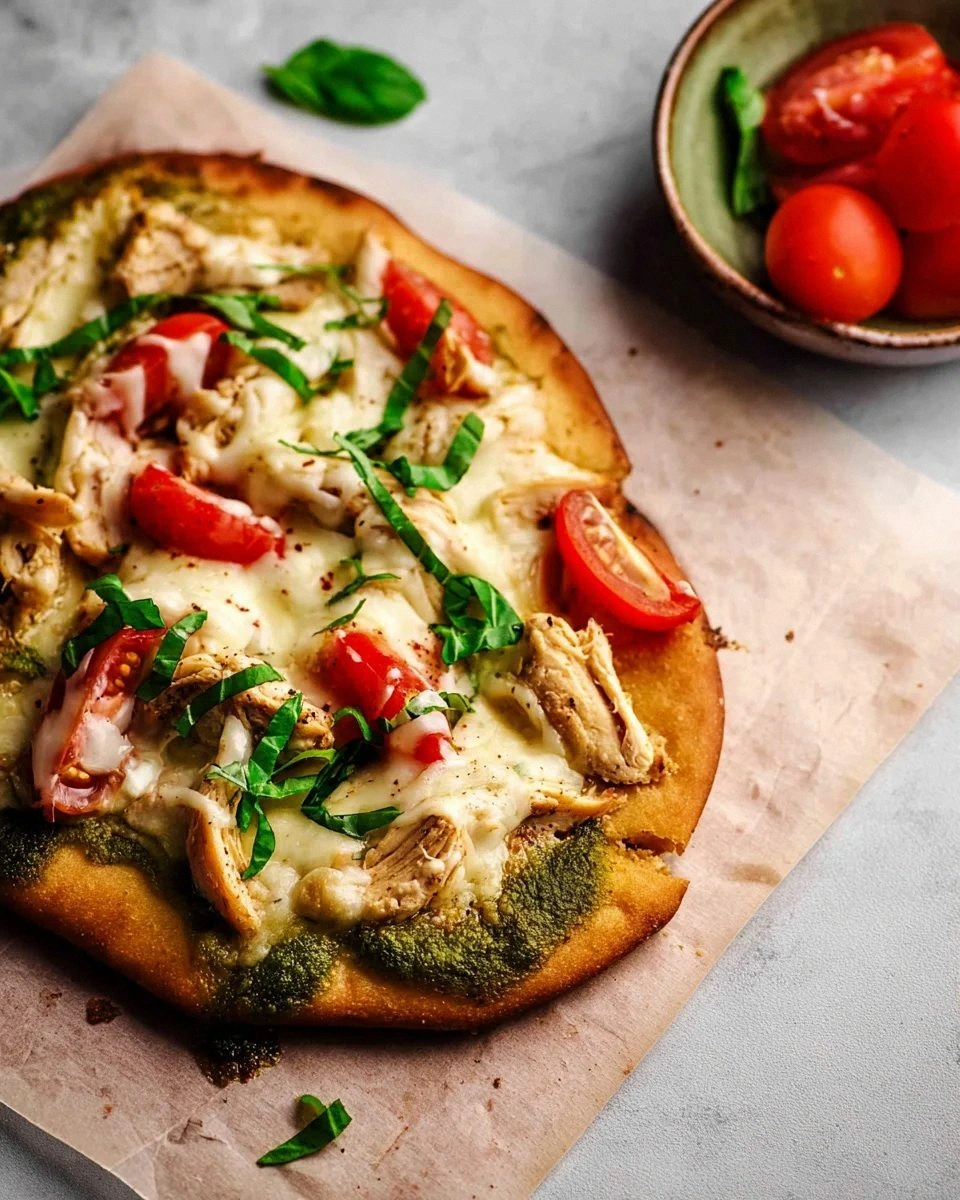
- Return the pan to the oven and bake for eight minutes, then switch to broil for the final two. Watch closely: when the cheese freckles turn amber and the pesto darkens to emerald, you're done. The sizzle when it hits the pan? Absolute perfection. If you've ever wondered why restaurant flatbreads have that leopard-spotted top, it's the broiler's kiss—stay with me here, this is worth it.
- Slide the flatbreads onto a cutting board and let them rest for three minutes. I know, waiting is torture, but the cheese sets so it doesn't slide off when you slice. Use a pizza wheel or sharp chef's knife and cut into six rectangles—squares feel like preschool snacks, rectangles feel like tapas bar sophistication.
That's it—you did it. But hold on, I've got a few more tricks that'll take this to another level...
Insider Tricks for Flawless Results
The Temperature Rule Nobody Follows
Room-temperature toppings bake faster and more evenly. Pull your chicken, pesto, and even the flatbread from the fridge 15 minutes before assembly. Cold chicken releases steam that cools the surface and prevents browning; lukewarm chicken starts sizzling the second it hits the hot bread, giving you those restaurant-style caramelized edges. Same goes for cheese—ice-cold mozz takes longer to melt and can leave you with a rubbery finish. A friend tried skipping this step once; let's just say it didn't end well.
Why Your Nose Knows Best
Ignore the timer and trust your senses. When the kitchen smells like garlic bread had a baby with a summer herb garden, peek through the oven window. The cheese should look lacquered, not sweaty, and the edges should be freckled with mahogany spots. If you're unsure, give the pan a gentle shake; the flatbread should slide as one rigid unit, not flex like a damp tortilla. That moment of truth happens fast—pull it 30 seconds early rather than late, because carry-over heat keeps cooking for a bit on the cutting board.
The 5-Minute Rest That Changes Everything
Resting isn't just for steak. A short pause lets the cheese proteins relax so they stretch instead of snap when you slice. More importantly, steam trapped inside the bread redistributes, so the center doesn't deflate into a gummy layer. Cover loosely with foil if you're worried about heat loss, but don't trap moisture or you'll sacrifice crispness. Five minutes is the sweet spot—long enough to set, short enough that impatient eaters (read: everyone) won't revolt.
Cheese Distribution Geometry
Rather than dumping cheese in one big mound, imagine a light snowfall: start at the edges and spiral inward. The perimeter is where heat hits hardest, so cheese there melts and browns fastest. By weighting the outer ring, you guarantee every bite has a mix of stretchy and crispy. And now the fun part—sprinkle a whisper of extra Parm only on the very edge before broiling; it transforms into lacy frico that shatters under your teeth like savory candy.
Creative Twists and Variations
This recipe is a playground. Here are some of my favorite ways to switch things up:
Mediterranean Sunset
Swap the chicken for oil-packed tuna, add dollops of ricotta, and scatter sliced Kalamata olives. Finish with a squeeze of lemon and a confetti of parsley. Briny, creamy, and reminiscent of seaside cafés.
Buffalo Blue Firecracker
Replace pesto with buffalo sauce, use shredded rotisserie chicken, and top with crumbled blue cheese. After baking, drizzle ranch and shower with celery leaves. Game-day nirvana achieved.
Autumn Harvest
Smear roasted garlic instead of pesto, add thin apple slices, and dot with goat cheese. A post-bake drizzle of honey and toasted pecans turns this into a sweet-savory brunch star.
Green Goddess Glow-Up
Use a spinach-greek yogurt sauce as the base, load with zucchini ribbons and asparagus tips, and finish with lemon zest. It's basically salad on bread, which means zero guilt and lots of second helpings.
Smoky Chipotle Cowboy
Blend chipotle in adobo into the pesto for a sultry, spicy base. Top with smoked mozzarella, corn kernels, and pickled red onions. The sweet-smoky-tangy trifecta will have you reaching for a cold beer.
Breakfast-for-Dinner Remix
Spread basil pesto, add prosciutto strips, crack one egg per flatbread, and bake until the whites set but yolks stay runny. A shower of chives and chili flakes makes breakfast legal after 5 p.m.
Storing and Bringing It Back to Life
Fridge Storage
Cool completely, layer between parchment in an airtight container, and refrigerate up to three days. Stacking while warm traps steam and turns your glorious crust into leather. If you plan to fridge them, underbake by one minute so they don't over-brown when reheated.
Freezer Friendly
Flash-freeze individual slices on a sheet pan until solid, then transfer to a zip-top bag with parchment dividers. They'll keep for two months. Reheat directly from frozen—no thawing—on a wire rack at 425°F for ten minutes. The crust revives to crackly perfection, and the cheese bubbles like new.
Best Reheating Method
Skip the microwave (unless you enjoy rubber). Use a dry skillet over medium heat, place the slice cheese-side up, cover loosely with a lid, and let it go three minutes. The bottom crisps, the cheese steams, and you get that fresh-baked snap without drying the toppings. Add a tiny splash of water before covering—it steams back to perfection without sogginess.