Picture this: it’s a lazy Saturday morning, the sunlight is spilling through the kitchen window, and you’ve just realized you’ve run out of toast. Panic? Not at all. I was in the same exact spot last month, staring at an empty bread basket, when a sudden craving for something silky, cheesy, and comforting hit me like a wave. I rummaged through the fridge, found a few eggs, a block of Parmesan that had been aging patiently, and a splash of cream that I was saving for coffee. The result? A dish that turned my breakfast disaster into a culinary triumph I’m still bragging about.
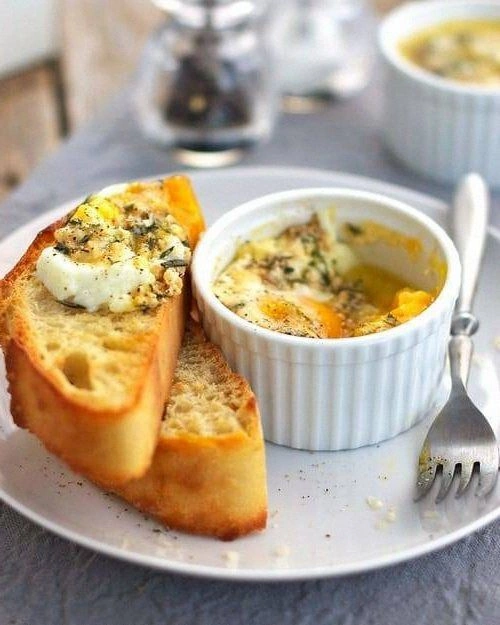
The moment the butter hit the hot skillet, it sang a low, buttery sizzle that made my heart race. The aroma of melting Parmesan rose like a golden sunrise, wrapping the kitchen in a warm, nutty hug. I cracked the eggs, and the whites began to set while the yolks stayed gloriously runny, like little suns trapped in a cloud of cheese. When the timer dinged, I pulled the ramekins out of the oven to reveal a crust that crackled with the slightest touch, revealing a custardy interior that was just begging to be spooned.
Most recipes for baked eggs either leave you with a rubbery mess or a soggy mess that clings to the fork. This version, however, strikes the perfect balance between a crisp, caramelized top and a luxuriously creamy center, thanks to a secret technique involving a brief stovetop start before the oven finish. I’ll be honest — I ate half the batch before anyone else got to try it, and that’s a testament to how addictive this dish truly is. If you’ve ever struggled with getting that perfect texture, you’re not alone — and I’ve got the fix.
What makes this version truly special is a splash of heavy cream that creates a custard-like base, and a generous shower of freshly grated Parmesan that forms a golden, crackly crown. I dare you to taste this and not go back for seconds; the flavor is so bold it practically shouts, “You’ve never had baked eggs before!” Okay, ready for the game-changer? Let me walk you through every single step — by the end, you’ll wonder how you ever made it any other way.
What Makes This Version Stand Out
- Taste: The marriage of sharp Parmesan and silky cream creates a flavor profile that feels both indulgent and comforting, like a hug from a gourmet chef.
- Texture: A crisp, golden crust gives way to a custardy interior, delivering that satisfying contrast you crave in every bite.
- Simplicity: Fewer than ten ingredients, most of which you probably already have, means you can whip this up without a trip to the store.
- Uniqueness: The stovetop‑first method locks in moisture before the oven finishes the job, a trick most recipes overlook.
- Crowd Reaction: Guests often claim they’ve never tasted anything like it, and the “wow” factor is instant.
- Ingredient Quality: Using a high‑quality aged Parmesan elevates the dish from everyday to restaurant‑level.
- Cooking Method: The dual‑stage heat (pan then oven) guarantees consistent results, no more guessing if the eggs are overcooked.
- Make‑Ahead Potential: You can prep the ramekins ahead of time and just bake when you’re ready, perfect for brunch crowds.
Inside the Ingredient List
The Flavor Base
First up, the heavy cream. This modest splash is the secret behind the custardy interior; it adds a buttery richness that plain eggs alone can’t achieve. If you skip the cream, you’ll end up with a texture more like a traditional hard‑boiled egg, which defeats the purpose of this dish. For a dairy‑free version, try full‑fat coconut milk, but expect a subtle coconut note that will change the flavor profile.
The Texture Crew
Unsalted butter is the unsung hero that greases the ramekins and creates that initial sizzle when the pan heats up. Use real butter, not margarine, because the flavor depth it provides is unmatched. If you’re watching your saturated fat, a light coating of olive oil works, but you’ll lose some of that buttery aroma that makes this dish sing.
The Unexpected Star
Parmesan cheese is the star of the show, and not just any Parmesan will do. Look for a Parmigiano‑Reggiano aged at least 24 months; the longer aging process yields those crunchy, nutty crystals that melt into a golden crust. If you can’t find the real deal, a high‑quality grated Pecorino Romano will add a similar sharpness, though the texture will be slightly different.
The Final Flourish
Freshly cracked black pepper and a pinch of sea salt bring the flavors together, acting as the conductor of this culinary orchestra. The pepper adds a subtle heat that cuts through the richness, while the salt amplifies the cheese’s umami. If you love a little extra kick, a pinch of smoked paprika can be tossed in just before baking for a smoky undertone.
Everything’s prepped? Good. Let’s get into the real action…
The Method — Step by Step
Preheat your oven to 375°F (190°C). While the oven warms, gather four ramekins and butter each one generously. The butter not only prevents sticking but also adds a subtle richness to the crust that will form later. This is the moment of truth: a well‑buttered ramekin is the foundation of a perfect baked egg.
In a medium saucepan, melt the 2 tablespoons of unsalted butter over medium heat. Once the butter foams, whisk in the ½ cup of heavy cream, stirring constantly until the mixture thickens slightly and takes on a velvety sheen. You’ll know it’s ready when a faint steam rises, and the mixture coats the back of a spoon without dripping.
Stir in the 1 cup of grated Parmesan, letting it melt into the cream until you have a smooth, glossy sauce. Keep the heat low to avoid scorching; the sauce should be thick enough to cling to the back of a whisk. This is where the magic happens: the cheese releases its proteins, forming a delicate network that will become the golden crust.
Crack the 8 large eggs into a large bowl, being careful not to break the yolks. Gently whisk each egg just enough to combine the whites and yolks, but stop before you turn them into a scramble. Add a pinch of salt and the ½ tsp of black pepper, then pour the creamy Parmesan mixture over the eggs, folding gently until just incorporated.
Divide the egg‑cheese mixture evenly among the prepared ramekins, ensuring each gets about two eggs’ worth of liquid. Sprinkle an extra tablespoon of Parmesan on top of each ramekin for that extra‑crispy finish. If you’re feeling adventurous, now’s the time to add a dash of smoked paprika for a subtle smoky note.
Place the ramekins on a baking sheet and slide them into the preheated oven. Bake for 12‑15 minutes, then check the edges; they should be puffed up and just beginning to turn golden. The center should still be slightly wobbling — that’s the sign of a perfectly set custard.
Switch the oven to broil for the final 30 seconds to achieve that coveted crackly top. Watch closely! The Parmesan will turn a deep amber, almost caramelized, without burning. This is the part where the dish earns its “wow” factor, and the scent will fill the kitchen like a bakery at dawn.
Remove the ramekins from the oven and let them rest for 2‑3 minutes. This short rest allows the residual heat to finish cooking the center without overcooking. While they rest, the aroma will intensify, making it impossible to resist the urge to dive in.
Garnish each ramekin with a sprinkle of chopped fresh chives for a pop of color and a fresh, oniony bite. Serve immediately, scooping the golden crust and creamy interior onto a plate, or eat straight from the ramekin if you’re feeling indulgent. And now the fun part: dig in and savor the perfect harmony of textures and flavors.
That’s it — you did it. But hold on, I’ve got a few more tricks that'll take this to another level…
Insider Tricks for Flawless Results
The Temperature Rule Nobody Follows
Never bake directly from a cold fridge. Let the ramekin sit at room temperature for 10 minutes before it hits the oven; this prevents the sudden temperature shock that can cause the eggs to contract and pull away from the sides. I once tried baking cold, and the result was a cracked crust that looked like a broken promise. Trust me, this tiny patience step makes the difference between a seamless dome and a fractured mess.
Why Your Nose Knows Best
The moment the Parmesan starts to brown, your nose becomes the most reliable timer. When you detect a nutty, slightly caramel aroma, the crust is just about ready. I’ve found that relying on visual cues alone can be deceptive because ovens vary; the scent is a universal indicator. So stay close, inhale deeply, and let your olfactory senses guide you to perfection.
The 5‑Minute Rest That Changes Everything
After the oven, let the eggs rest for exactly five minutes before serving. This short pause allows the residual heat to finish setting the custard without overcooking. Skipping this step results in a runny center that can slide off the plate, while too long a rest makes the yolk firm up. The five‑minute window is the sweet spot for that luscious, barely‑set yolk.
Ramekin Choice Matters
Opt for stoneware or ceramic ramekins rather than glass. Stoneware distributes heat more evenly, giving you a uniform crust. Glass can create hot spots that over‑brown one side while leaving the other undercooked. If you’re in a pinch, a small metal custard cup works, but you’ll lose a bit of that rustic charm.
Seasoning at the End
Finish with a pinch of flaky sea salt just before serving. The tiny crystals provide a satisfying crunch that contrasts the creamy interior. I once added the salt too early, and it dissolved into the sauce, losing its textural impact. A final sprinkle is the secret finishing touch that elevates the dish from good to unforgettable.
Creative Twists and Variations
This recipe is a playground. Here are some of my favorite ways to switch things up:
Spicy Jalapeño Kick
Finely dice a jalapeño and sauté it with the butter before adding the cream. The heat adds a lively contrast to the rich cheese, perfect for those who like a little fire. Garnish with a drizzle of cool sour cream to balance the spice.
Mushroom Medley
Stir in a handful of sautéed wild mushrooms with the cream for an earthy depth. The mushrooms soak up the cheesy sauce, creating bite‑size umami bursts. This variation feels almost like a brunch‑ready risotto in miniature form.
Herb‑Infused Delight
Swap the chives for fresh thyme and rosemary, finely chopped. The herbaceous notes add a fragrant layer that pairs beautifully with the Parmesan. It’s a subtle twist that makes the dish feel spring‑fresh.
Vegan Version
Replace the eggs with silken tofu blended with a splash of nutritional yeast and the same amount of plant‑based cream. Use vegan Parmesan alternatives, and you’ll have a dairy‑free, egg‑free version that still delivers that custardy texture and cheesy flavor.
Smoked Salmon Upgrade
Lay a thin slice of smoked salmon on top of each ramekin before baking. The salmon’s salty, smoky profile melds with the cheese, turning a simple breakfast into an elegant brunch centerpiece.
Sweet Breakfast Twist
Swap the Parmesan for a blend of grated Gruyère and a pinch of cinnamon, then drizzle a little honey over the top after baking. The sweet‑savory combo is perfect for a lazy weekend treat that feels both familiar and adventurous.
Storing and Bringing It Back to Life
Fridge Storage
Allow the baked eggs to cool completely, then cover each ramekin tightly with plastic wrap. Store in the refrigerator for up to three days. When ready to eat, reheat gently in a 300°F oven for 10 minutes, adding a splash of water to the pan to create steam and revive the creamy interior.
Freezer Friendly
For longer storage, wrap each cooled ramekin in foil and place them in a freezer‑safe bag. They’ll keep for up to two months. To reheat, thaw overnight in the fridge, then follow the same oven reheating method, again adding a tiny splash of water to prevent drying out.
Best Reheating Method
The secret to reviving the perfect crust is to use a two‑step reheating: first, a low‑heat bake to warm through, then a quick broil for 30 seconds to re‑crisp the top. This mimics the original cooking process and restores that delightful crackle.