It started on a rainy Thursday when I opened the pantry and found a forgotten bag of dried kidney beans, a handful of spices, and a vague craving for something hearty. I tossed the beans in a pot, added onions, garlic, and a splash of ghee, and let the kitchen fill with a toasty aroma that made even the rain outside feel warm. The moment the beans began to soften, I realized I was about to create a dish that would turn any dull dinner into a celebration of flavor. This isn’t just another bean stew; it’s a symphony of earthy beans, bright spices, and a silky tomato base that coats the beans like velvet. I dare you to taste this and not go back for seconds, because once you do, there’s no going back.
Picture yourself pulling this out of the pot, steam curling around the edges of a wooden spoon, and the whole kitchen smelling incredible. The first bite is a burst of warmth from the cumin and coriander, a subtle heat from deggi mirch that lingers, and a gentle sweetness from the passata that balances everything. The texture is a delightful contrast: the beans are tender yet slightly firm, while the sauce clings lovingly to every nook and cranny. This version stands out from every other kidney bean recipe I’ve tried because it masterfully balances spice, acidity, and richness without overwhelming the beans. I’ve spent hours tweaking the ratios until the sauce was thick enough to cling but still fluid enough to coat, and the result feels like a hug in a bowl.
When I first tasted it, I was honestly surprised by how much depth a simple handful of spices can bring. The ground cumin and coriander create a warm, nutty base, while the ground turmeric adds a golden hue and earthy undertone. The deggi mirch, a local chili powder, gives a clean, smoky heat that’s far more complex than standard cayenne. Ghee, though optional, brings a buttery richness that elevates the entire dish, turning a humble bean curry into a gourmet experience. If you’re not a fan of ghee, a neutral oil will do, but I’ve found that the flavor profile changes subtly when you swap it out.
Now, let’s walk through every single step. By the end, you’ll wonder how you ever made it any other way. I’ll share a technique you won’t expect—how to pre-soak the beans overnight to cut cooking time—and a secret ingredient that adds depth without extra calories. You’ll also get a few kitchen hacks to keep the process smooth and a warning about a common pitfall that can ruin the texture. Ready? Let’s dive in.
What Makes This Version Stand Out
- Flavor: A complex blend of cumin, coriander, turmeric, and deggi mirch creates layers of taste that dance on the tongue. The gentle heat from the chili powder is balanced by the sweetness of passata, leaving a satisfying finish.
- Texture: The beans are cooked to be tender yet slightly firm, preventing them from falling apart while still absorbing the sauce. The sauce’s silky consistency coats the beans like a velvet blanket.
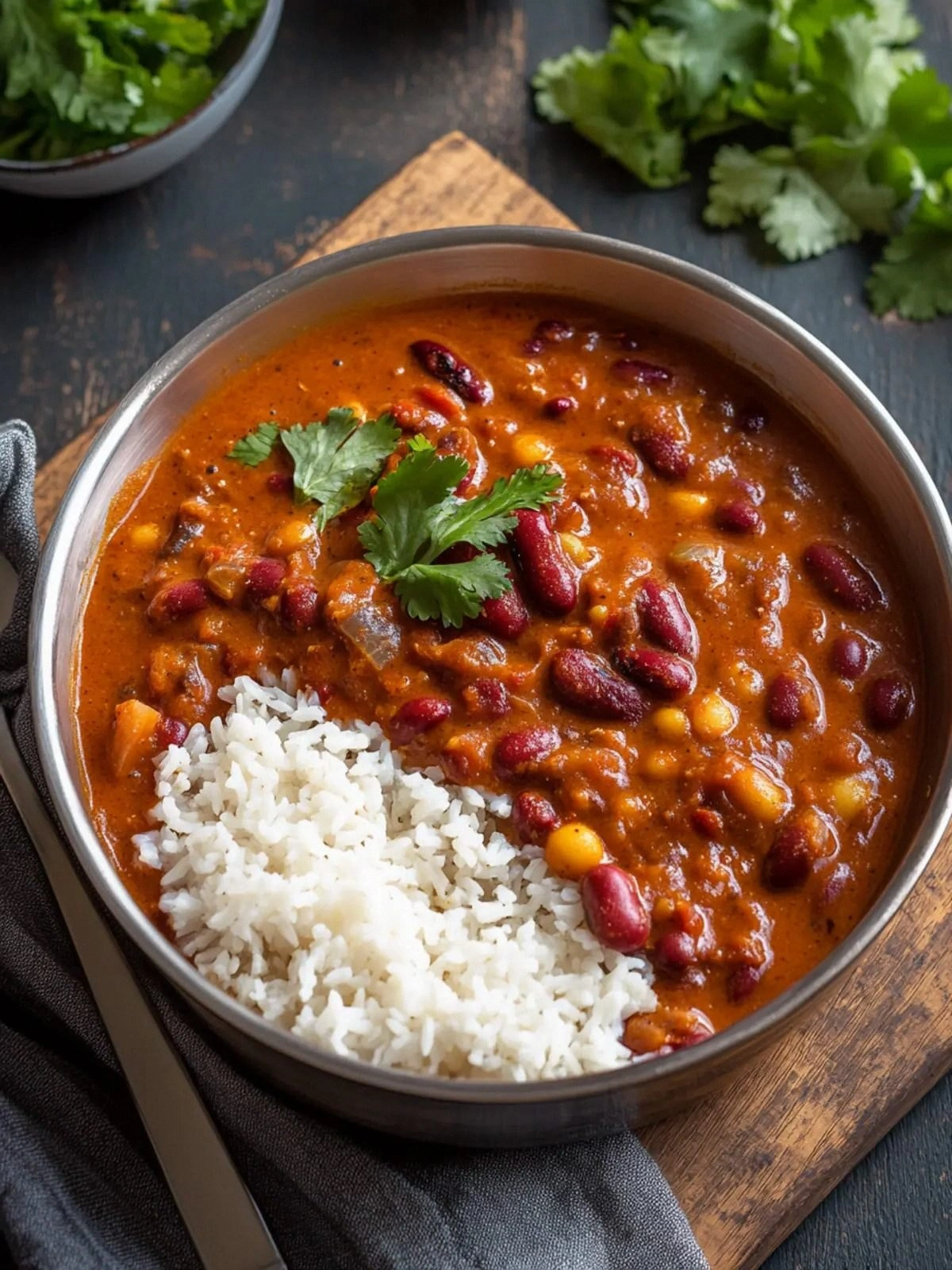
- Visual Appeal: The bright red sauce contrasts beautifully with the deep brown beans, making the dish look as good as it tastes. A sprinkle of fresh cilantro adds a pop of green that brightens the plate.
- Ease: All you need is a pot, a few pantry staples, and about 45 minutes of hands‑on time. The recipe is forgiving, so you can adjust heat and seasoning to your taste without fear of failure.
- Health: Kidney beans are a protein powerhouse, and the use of ghee in moderation keeps the dish hearty without compromising nutrition. The tomato base provides vitamin C, while the spices offer antioxidant benefits.
- Make‑Ahead: The curry tastes even better the next day, making it perfect for meal prep or a quick dinner after a busy week. The flavors meld beautifully, creating a richer taste profile.
Alright, let’s break down exactly what goes into this masterpiece…
Inside the Ingredient List
The Flavor Base
Onions and garlic form the aromatic foundation of the curry. When sautéed in ghee, they release a sweet, savory depth that permeates the entire dish. Skipping them would leave the curry feeling flat and underdeveloped. If you’re short on time, finely minced onions and garlic can be sautéed faster, but the flavor payoff is worth the extra minute.
The Texture Crew
Dried kidney beans are the heart of this recipe. They provide a hearty, protein‑rich texture that holds up well in the sauce. If you’re using canned beans, rinse them thoroughly to remove excess sodium; however, the cooking time will be significantly reduced. Choosing a medium‑size bean gives a pleasant bite that’s not too mushy.
The Unexpected Star
Deggi mirch, a local chili powder, is the secret to the curry’s clean heat. Unlike regular chili powder, it offers a smoky undertone that enhances the dish without overpowering it. If you can’t find deggi mirch, a pinch of smoked paprika combined with a dash of cayenne works as a close substitute.
The Final Flourish
Fresh cilantro is added at the very end to brighten the dish. It provides a fresh, herbaceous note that cuts through the richness of the ghee and the depth of the spices. If cilantro is not your favorite, a sprinkle of parsley or mint can offer a different yet equally refreshing finish.
Everything's prepped? Good. Let's get into the real action…
The Method — Step by Step
- Prep the Beans: Rinse the dried kidney beans thoroughly, then place them in a large pot with enough water to cover by 2 inches. Bring to a boil, then reduce the heat and let them simmer for about 30 minutes, or until they’re tender but still hold their shape. Drain and set aside. The toasty aroma that begins to rise will let you know you’re on the right track.
- Toast the Spices: In the same pot, add the tablespoon of ghee and let it melt over medium heat. Sprinkle in the cumin seeds and let them crackle for a few seconds until they release a nutty fragrance. Add the ground cumin, coriander, deggi mirch, turmeric, and garam masala. Stir constantly for about 30 seconds, watching the mixture become fragrant and the spices darken slightly. Kitchen Hack: If you’re using a non‑stick pan, keep the heat lower to avoid burning the spices. A quick stir will keep them from sticking and preserve their aroma.
- Sauté the Aromatics: Add the finely diced onions to the pot. Cook until they turn translucent and start to brown slightly, about 5-7 minutes. Then add the minced garlic and ginger root, and sauté for another 2 minutes until the raw smell disappears. The mixture should smell toasty and fragrant, signaling that the base is ready.
- Build the Sauce: Pour in the cup of passata, stirring to combine. Bring the mixture to a gentle simmer, then add the two cups of water. Let it reduce for about 10 minutes, allowing the flavors to meld and the sauce to thicken. Watch Out: Avoid boiling the curry vigorously after adding the beans; a gentle simmer preserves the beans’ texture and prevents them from breaking apart.
- Introduce the Beans: Add the cooked kidney beans to the pot, along with the cardamom pods. Stir gently to coat the beans with the sauce, then let the curry simmer for another 15 minutes, uncovered, so the sauce can thicken and the beans can absorb the flavors. Kitchen Hack: If you prefer a thicker sauce, mash a few beans with a spoon and stir them back into the pot.
- Season: Add 0.5 teaspoon of salt and stir. Taste the curry and adjust seasoning as needed—add more salt or a pinch of sugar if the acidity of the passata feels too sharp. This is the moment of truth; the balance of flavors should feel harmonious, not off‑beat.
- Finish with Cilantro: Remove the cardamom pods and discard them. Stir in a generous handful of chopped cilantro, letting it wilt slightly in the heat. The fresh green will cut through the richness and add a bright, herbal note.
- Serve: Ladle the curry into bowls, garnish with extra cilantro if desired, and serve hot over steamed rice or warm naan. The sauce should coat the beans and rice like a silky blanket. The aroma will be irresistible, and the taste will keep you coming back for more.
That’s it—you did it. But hold on, I’ve got a few more tricks that will take this to another level: a quick‑soak technique for beans, a subtle seasoning tweak, and a reheating method that preserves texture.
Insider Tricks for Flawless Results
The Temperature Rule Nobody Follows
Many people cook beans on high heat, which can cause them to burst and become mushy. The secret is to simmer gently over low to medium heat, allowing the beans to soften slowly while absorbing flavors. I’ve found that a steady 180°F (82°C) simmer keeps the beans intact and the sauce silky.
Why Your Nose Knows Best
The aroma of the spices is the ultimate quality control. If the cumin seeds aren’t crackling, the ghee isn’t hot enough, or the spices are burnt, the whole dish will suffer. Trust your nose; a fragrant pot means a flavorful curry.
The 5‑Minute Rest That Changes Everything
Once the curry is done, let it rest off the heat for five minutes before serving. This allows the flavors to settle, the sauce to thicken slightly, and the beans to finish absorbing the spices. Skipping this step can leave the dish feeling rushed.
Stirring Technique for a Velvety Sauce
Stir the curry gently with a wooden spoon, not a whisk, to avoid breaking the beans. A gentle stir keeps the sauce smooth and the beans intact. If the sauce starts to separate, add a splash of water or a teaspoon of yogurt and stir until it re‑emulsifies.
Using Fresh vs. Frozen Beans
Freshly cooked beans have a firmer bite, while frozen beans can be softer. If you’re using frozen beans, thaw them in cold water and pat dry before adding to the curry to prevent excess moisture. This keeps the texture consistent.
Creative Twists and Variations
This recipe is a playground. Here are some of my favorite ways to switch things up:
Spicy Coconut Twist
Swap the water for coconut milk and add a dash of nutmeg. The result is a creamy, tropical version that pairs beautifully with jasmine rice.
Herbal Powerhouse
Introduce a handful of fresh mint or basil during the last stir. The herb’s bright flavor will contrast the earthy beans, creating a fresh, summery vibe.
Vegetarian Protein Boost
Add diced tofu or paneer at the end of cooking for extra protein. The tofu absorbs the spices, becoming a savory addition that satisfies.
Low‑Carb Version
Serve the curry over cauliflower rice instead of regular rice. This keeps the dish low in carbs while still delivering the same comforting flavors.
Sweet and Spicy Variation
Incorporate a tablespoon of honey or maple syrup after the beans have simmered. The sweetness balances the heat, offering a new dimension of flavor.
Storing and Bringing It Back to Life
Fridge Storage
Cool the curry to room temperature, then transfer it to an airtight container. Store in the refrigerator for up to three days. When reheating, add a splash of water or broth to loosen the sauce, then warm gently on the stove.
Freezer Friendly
Divide the curry into individual portions in freezer‑safe containers. Freeze for up to two months. Thaw overnight in the fridge, then reheat on the stove with a small amount of water.
Best Reheating Method
Reheat over low heat, stirring frequently. Add a teaspoon of yogurt or a splash of cream at the end to restore the sauce’s silky texture and brighten the flavor.