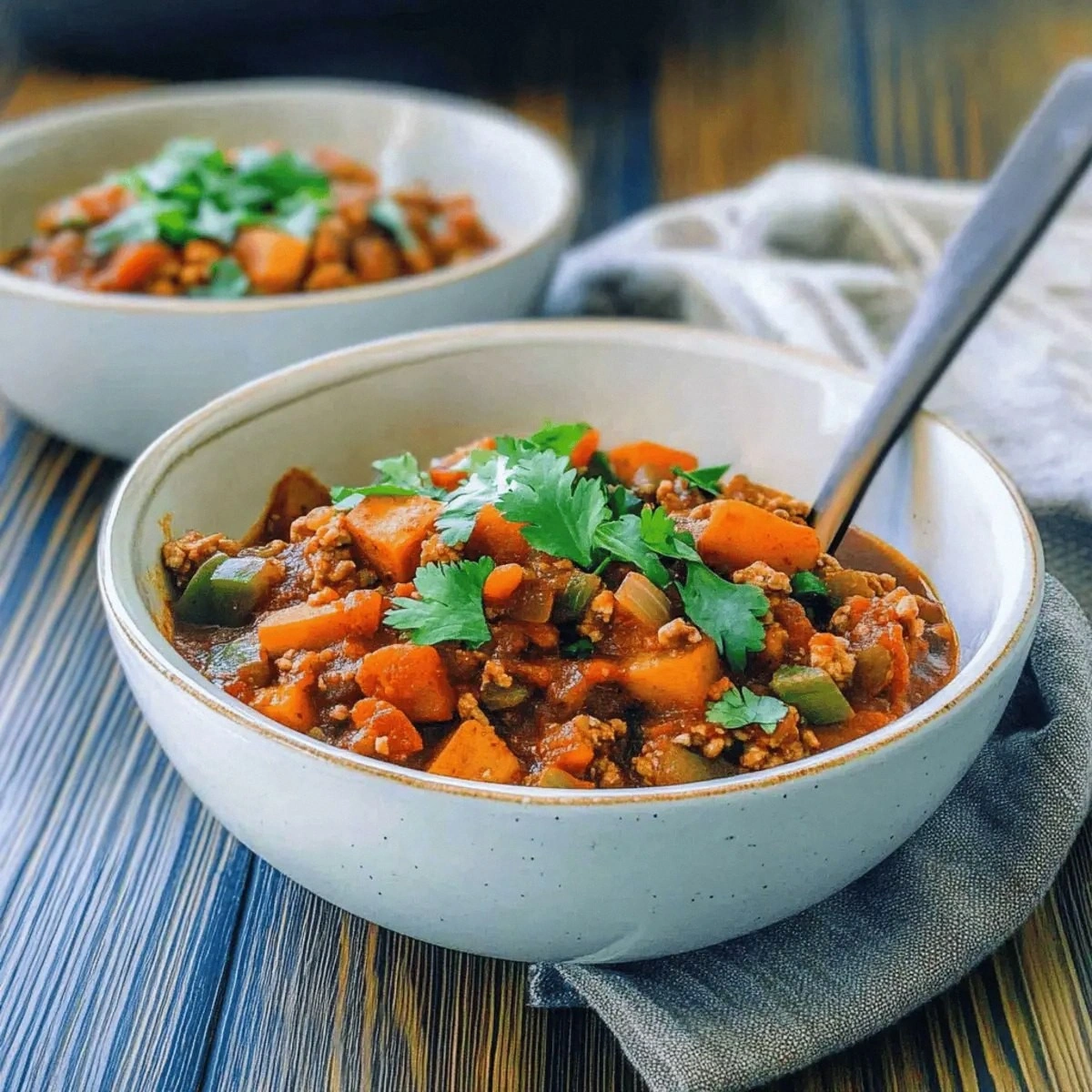
Picture this: a rainy afternoon, the kind that drags you into the kitchen with a sense of urgency, a craving that refuses to let you be anything but comfort‑filled. I was rummaging through the pantry, half‑heartedly tossing a bag of frozen peas into a pot, when my friend’s voice crackled over the phone—“I’m dying for a chowder, but I’m vegan.” That was the spark that set me on a mission: to create a chowder that not only satisfied the vegan palate but also felt like a warm hug from the inside out. I knew the ingredients had to be simple, the flavors rich, and the texture creamy without a splash of dairy. So I dove into the recipe, armed with a skillet, a ladle, and an unshakeable confidence that this would be the best version you’ll ever make at home.
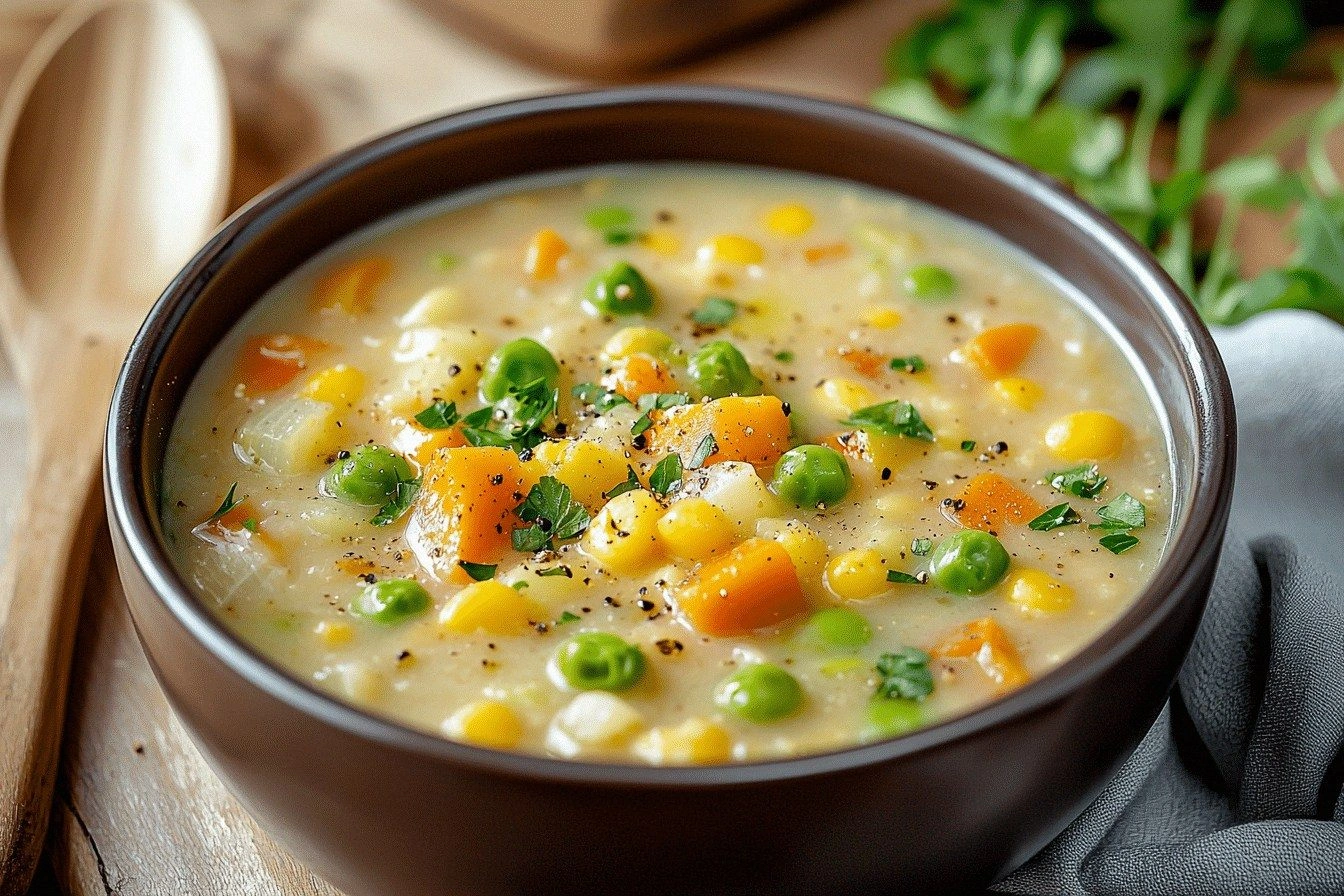
I dare you to taste this and not go back for seconds. The moment you ladle the first spoonful, the broth will hit your palate with a gentle, buttery whisper of potatoes, followed by a bright pop of corn that feels like sunshine in a bowl. The carrots will bring a subtle sweetness that lingers, and the garlic will add a punch of depth that makes every bite feel like a well‑timed joke. The plant‑based milk will coat the vegetables like velvet, giving that silky finish you crave after a long day. And the fresh herbs will finish the dish with a burst of green that keeps you coming back for more.
Most recipes get this completely wrong by over‑cooking the vegetables or using too much milk, resulting in a watery mess. I’ve experimented with dozens of chowder variations, and this one stands out because it balances the natural sweetness of the root veggies with the savory umami of the broth. The trick lies in the timing—sautéing the aromatics just enough to release their flavors, then letting the potatoes and carrots cook slowly in the broth until they’re tender but still hold their shape. The result? A chowder that’s creamy, hearty, and surprisingly light, perfect for any day of the week. If you've ever struggled with making a chowder that feels both indulgent and healthy, you're not alone—and I've got the fix.
I’ll be honest—I ate half the batch before anyone else got to try it. The aroma that filled the kitchen was so inviting that even the cat seemed to pause by the stove. My friends called it “the ultimate comfort dish” and begged for the recipe, which is why I’m sharing every single detail here. Picture yourself pulling this out of the oven, the whole kitchen smelling incredible, and knowing that this is the dish that will keep your guests coming back. Stay with me here—this is worth it. Let me walk you through every single step, and by the end, you'll wonder how you ever made it any other way.
What Makes This Version Stand Out
- Taste: The combination of earthy potatoes, sweet carrots, and crunchy corn creates a flavor profile that feels both familiar and adventurous. The plant‑based milk adds a subtle nutty undertone, while the fresh herbs lift the entire dish with a bright, herbal note.
- Texture: Each vegetable retains its individual bite, providing a satisfying contrast to the velvety broth. The careful balance of liquid and starch prevents the chowder from becoming gloopy or too thin.
- Simplicity: With only ten ingredients, you can whip up this chowder in under an hour, even on a busy weekday. No special equipment is required—just a pot, a skillet, and a little patience.
- Uniqueness: The use of frozen corn instead of fresh gives a natural sweetness and a pop of color that’s hard to resist. The optional addition of fresh herbs at the end adds a layer of aroma that elevates the dish.
- Crowd Reaction: Guests who are both vegan and non‑vegan rave about how the dish feels like a classic chowder with a modern, plant‑based twist. The creamy texture is a hit, especially among those who have never tried vegan chowder before.
- Ingredient Quality: Using organic, locally sourced produce whenever possible boosts both flavor and nutritional value. The plant‑based milk should be unsweetened to keep the broth from becoming overly sweet.
- Cooking Method: The sauté‑then‑simmer technique locks in flavors and ensures the vegetables cook evenly. This method also keeps the broth from becoming cloudy.
- Make‑Ahead Potential: The chowder stores beautifully and actually tastes better the next day, making it perfect for meal prep or a quick weeknight dinner.
Alright, let's break down exactly what goes into this masterpiece…
Inside the Ingredient List
The Flavor Base
The aromatics are the foundation of any chowder. Begin with a generous splash of olive oil that coats the bottom of your skillet. Add diced onion and minced garlic, letting them sizzle until the onion turns translucent and the garlic releases a fragrant perfume. This step is where the flavor magic starts—if you skip it, the chowder will feel flat and lacking depth. A small amount of salt during this stage helps bring out the natural sweetness of the vegetables.
The Texture Crew
Potatoes are the heart of this chowder, providing a creamy base without the need for dairy. Dice them into bite‑sized cubes so they cook evenly and maintain a slight firmness. Carrots add a subtle sweetness and a pop of color, while celery contributes a delicate crunch and aromatic depth that is quintessential to classic chowders. Together, these vegetables create a mouthful of texture that keeps every spoonful exciting.
The Unexpected Star
Frozen corn may seem like an odd choice, but it brings a natural sweetness and a delightful snap that contrasts beautifully with the soft potatoes. Using frozen corn also means you can skip the tedious task of peeling and slicing fresh corn, saving precious time. When you add the corn toward the end of cooking, it retains its bright color and crunch, adding a satisfying bite to each spoonful. This small twist elevates the chowder from ordinary to extraordinary.
The Final Flourish
Fresh herbs—thyme or parsley—are the finishing touch that gives this chowder a bright, aromatic lift. Add them at the very end of cooking to preserve their delicate flavor and to prevent them from wilting. A splash of plant‑based milk transforms the broth into a silky, creamy sauce that coats the vegetables like velvet. The final seasoning with salt and pepper ensures that every bite is balanced and savory.
Everything's prepped? Good. Let's get into the real action…
The Method — Step by Step
- Heat the olive oil in a large pot over medium heat until it shimmers. Add the diced onion and minced garlic, sautéing until the onion turns translucent and the garlic releases its aromatic perfume—about 3 to 4 minutes. This is the moment of truth, where the base of your chowder starts to sing. Keep an eye on the garlic so it doesn’t burn; a burnt bite will ruin the entire dish.
- Add the diced potatoes and carrots, stirring them into the aromatics. Cook for 5 minutes, letting the vegetables caramelize slightly. The edges should start pulling away, indicating they're developing flavor. This step builds depth and ensures the vegetables are infused with the onion‑garlic mixture.
- Pour in the vegetable broth, bringing the mixture to a gentle boil. Reduce the heat to a low simmer, cover the pot, and let it cook for 10 minutes. This allows the potatoes to soften while maintaining their shape. The broth will become rich and slightly thickened as the vegetables release their starches.
- Stir in the frozen corn and diced celery. Continue simmering for another 5 minutes, just enough to warm the corn and soften the celery without turning it mushy. The corn’s natural sweetness will begin to shine through, and the celery will add a subtle crunch.
- Reduce the heat to low and slowly pour in the plant‑based milk, stirring constantly. The broth should thicken into a silky, creamy sauce. If you prefer a thicker chowder, add a tablespoon of oat flour or a splash of cashew cream.
- Season with salt and freshly ground pepper to taste. Remember, salt is your best friend in balancing flavors—add it gradually and taste as you go. The pepper should add a gentle heat that complements the sweet vegetables.
- Add the fresh herbs, stirring them into the chowder. Let them simmer for 2 minutes to release their aroma, but avoid overcooking to preserve their bright green color. This final touch transforms the chowder into something that feels both fresh and comforting.
- Serve hot, ladling the chowder into bowls and garnishing with an extra sprinkle of herbs if desired. Pair it with crusty bread or a light salad for a complete meal. And remember—this chowder is best enjoyed right away, while the broth is still creamy and the vegetables are at their peak.
That's it—you did it. But hold on, I've got a few more tricks that'll take this to another level. The next section will reveal insider secrets that elevate the flavor, texture, and overall experience of this chowder.
Insider Tricks for Flawless Results
The Temperature Rule Nobody Follows
Many cooks think simmering is the same as boiling, but the difference is crucial for texture. Keep the heat low once the broth comes to a boil; a gentle simmer allows the vegetables to release starches without becoming mushy. I’ve seen chowders turn soggy when the pot is kept on high heat. The trick is to let the broth gently bubble—this ensures the creamy consistency stays intact.
Why Your Nose Knows Best
Your sense of smell is a powerful indicator of readiness. When the broth starts to smell toasty and the onions have a caramelized aroma, you know the base is ready. This subtle cue helps you avoid over‑cooking the aromatics. Trust your nose; it’s the best judge of flavor depth.
The 5-Minute Rest That Changes Everything
Letting the chowder rest for five minutes after you turn off the heat allows the flavors to marry. During this brief pause, the vegetables absorb the remaining broth, and the creaminess settles. When you reheat it later, the chowder will be smoother and more cohesive. This simple step is often overlooked but makes a noticeable difference.
The Perfect Ladle
Use a ladle with a wide, shallow rim to scoop the chowder. This ensures you get a balanced mix of vegetables and broth in every spoonful. A narrow ladle can leave the vegetables behind, leading to uneven bites. This tip may seem trivial, but it guarantees consistent flavor in every bowl.
The Secret of Fresh Herbs
Adding fresh herbs at the very end preserves their bright aroma and prevents them from wilting. I’ve found that a handful of chopped parsley or thyme added right before serving lifts the entire dish. If you prefer a stronger herb flavor, add a tablespoon of dried herbs during simmering, but be sure to rinse them first to avoid bitterness.
Creative Twists and Variations
This recipe is a playground. Here are some of my favorite ways to switch things up:
Smoky Chipotle Twist
Add a teaspoon of chipotle powder to the aromatics for a smoky kick. The heat will balance the sweetness of the corn and the earthiness of the potatoes. This variation is perfect for those who love a little spice in their comfort food. Serve with a dollop of guacamole for extra flavor.
Mushroom Medley
Replace half of the potatoes with sliced mushrooms for a deeper umami flavor. The mushrooms absorb the broth and add a meaty texture that’s surprisingly satisfying. This version is great for a low‑carb diet or for those who crave a richer taste.
Coconut Cream Upgrade
Swap the plant‑based milk for coconut milk to create a tropical twist. The coconut adds a subtle sweetness and a silky texture that pairs wonderfully with the vegetables. This version is ideal for a brunch or a light dinner.
Herb‑Infused Vinaigrette
Drizzle a homemade vinaigrette made with lemon juice, olive oil, and fresh herbs over the chowder right before serving. This adds a bright, citrusy contrast to the creamy broth. It’s a simple way to elevate the dish without changing the core recipe.
Roasted Garlic Variation
Roast the garlic cloves in the oven before adding them to the pot. This brings out a sweet, caramelized flavor that enhances the overall depth. The roasted garlic pairs well with the fresh herbs, creating a layered flavor profile.
Spicy Cajun Kick
Stir in a pinch of Cajun seasoning during the sautéing stage for a bold, spicy flavor. The Cajun spices bring a robust heat that complements the sweet corn and creamy broth. This variation is perfect for a dinner party where you want to impress with a bit of flair.
Storing and Bringing It Back to Life
Fridge Storage
Transfer the chowder to an airtight container and refrigerate for up to 3 days. The flavors will meld together, making the chowder even more delicious. When you’re ready to eat, reheat it gently on the stove, stirring frequently.
Freezer Friendly
This chowder freezes beautifully—just pour it into a freezer‑safe container, leaving a little headspace. Freeze for up to 2 months. Thaw overnight in the refrigerator before reheating to preserve the texture.
Best Reheating Method
Reheat on the stove over low heat, adding a splash of water or plant‑based milk to restore creaminess. Stir until the chowder reaches your desired temperature. The tiny splash of liquid helps it steam back to perfection, keeping the broth silky.