Introduction
It all started with a kitchen mishap that turned my humble attempt at fried seafood into a culinary epiphany. I was halfway through a batch of battered shrimp, and the oil was so hot that the shrimp started to sizzle like a small fireworks show. One of the shrimp slipped and landed on the floor, splattering a splash of oil and a few crumbs of batter onto the counter. I laughed, but the moment stuck with me – I knew I had stumbled on something that could be turned into a masterpiece.
The next evening, I decided to give the same technique a try with fresh squid. The sight of the translucent tentacles, the smell of fresh garlic and ginger, and the anticipation of that first crispy bite filled the air. The sound of the oil hissing as the squid hit the pan was a soundtrack to the anticipation. The texture was a thrilling contrast: a tender core wrapped in a crunchy, almost crunchy shell that crackled like thin ice underfoot.
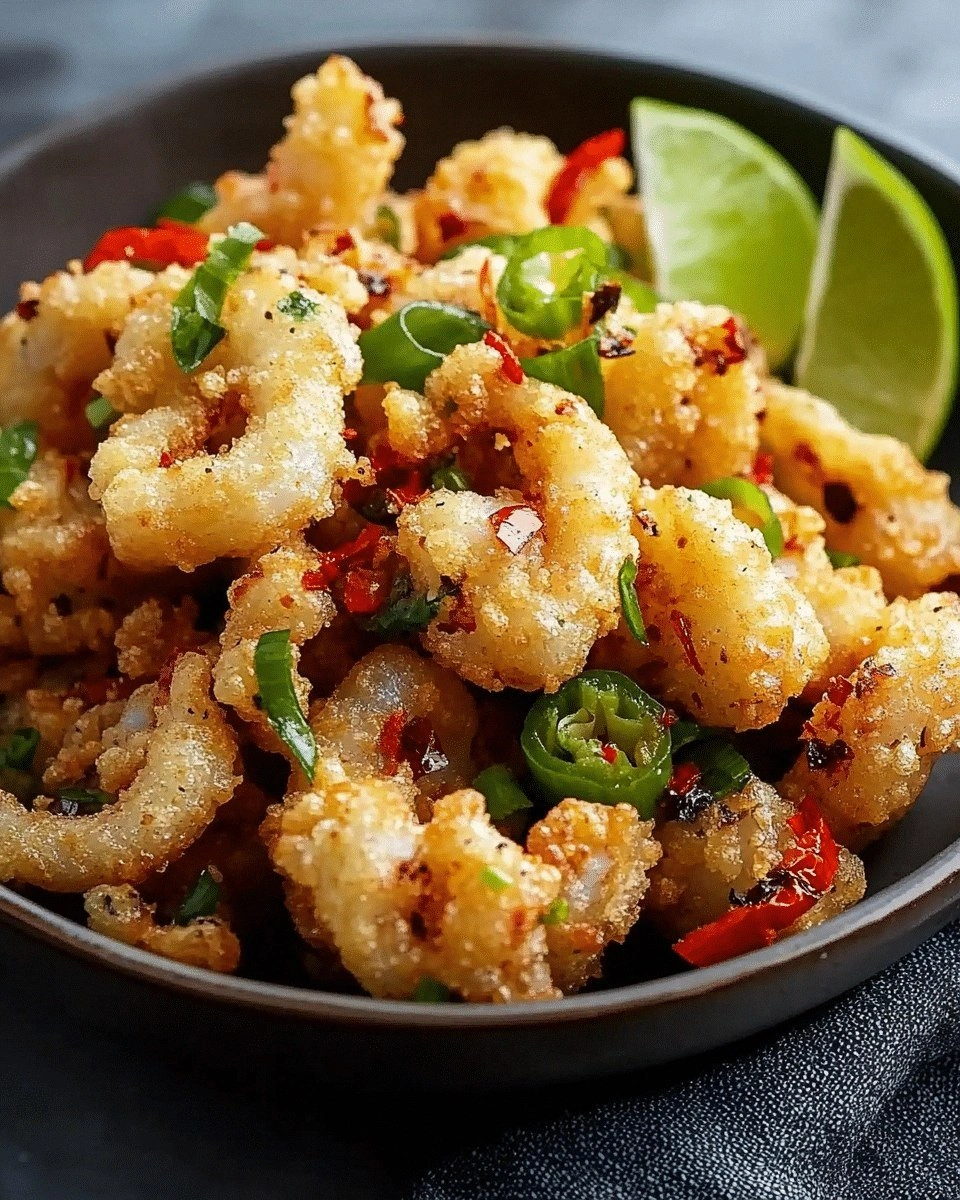
What makes this version stand out is that it’s not just a fried dish; it’s a harmony of flavors that dance on the tongue. The salt and pepper coating isn’t just seasoning—it’s a carefully balanced blend that allows the natural sweetness of the squid to shine through while adding a subtle heat from Sichuan peppercorns. The secret is a double‑coating technique that locks in moisture and creates a light, airy crunch that melts in your mouth.
There’s one technique that will blow your mind: the quick blanch before coating. This step ensures the squid stays tender inside while the exterior crisps to perfection. I dare you to taste this and not go back for seconds. Let me walk you through every single step — by the end, you’ll wonder how you ever made it any other way.
What Makes This Version Stand Out
Here’s the lowdown on why this recipe is hands down the best version you’ll ever make at home.
- Flavor: A bold salt‑pepper blend that balances savory, spicy, and slightly citrusy notes, creating a complex yet approachable taste profile.
- Texture: The double‑coating technique yields a crisp exterior that gives way to a silky, moist interior, a contrast that excites the palate.
- Ease: Every step is straightforward, even for beginners, and the ingredients are pantry staples.
- Speed: From prep to plate, you’re looking at a 45‑minute turnaround, perfect for week‑night dinners or spontaneous gatherings.
- Visual Appeal: The golden, speckled surface of the squid looks as good as it tastes, making it a showstopper at any table.
- Versatility: It pairs wonderfully with rice, noodles, or a simple green salad, and can be adapted for different spice levels.
- Crowd‑pleaser: Guests rave about the crunch and flavor, and it’s a guaranteed conversation starter.
- Make‑ahead Friendly: You can prep the squid and batter ahead of time, then fry it fresh for an instant upgrade.
Alright, let’s break down exactly what goes into this masterpiece…
Inside the Ingredient List
Let’s dive into the components that make this dish sing, and why each one matters.
The Flavor Base
At the heart of the dish is the salt‑pepper blend. White pepper provides a clean heat, while Sichuan peppercorns add a numbing, citrusy twist that elevates the flavor. Garlic and ginger are minced finely to release their aromatics, which permeate the batter and the fried exterior. Soy sauce and rice vinegar balance the savory and acidic elements, giving the dish a subtle depth that keeps it from being one‑dimensional.
The Texture Crew
The coating is where the magic happens. A mixture of all‑purpose flour and cornstarch creates a light, airy batter that crisps beautifully. The flour binds the cornstarch, while the cornstarch helps prevent the coating from becoming too heavy or greasy. The double‑coating—first a dry flour mix, then a wet batter—ensures each bite has that satisfying crunch without compromising the squid’s tender interior.
The Unexpected Star
Sichuan peppercorns are the secret weapon that sets this recipe apart. When ground finely, they release a unique tingling sensation that pairs perfectly with the heat of white pepper. If you can’t find them, a pinch of crushed black pepper can mimic the heat, but the numbing effect is lost. A small splash of sesame oil at the end of cooking adds a nutty aroma that lingers on the palate.
The Final Flourish
Finishing touches like scallions, a drizzle of sesame oil, and a squeeze of fresh lime juice (if you like a citrus kick) elevate the dish from good to unforgettable. These additions are optional, but they add layers of freshness and brightness that cut through the richness of the fried squid.
Everything’s prepped? Good. Let’s get into the real action…
The Method — Step by Step
Here’s the playbook for turning raw squid into a crispy, flavor‑laden masterpiece. Follow each step closely, and you’ll master the art of Chinese Salt and Pepper Squid.
- Begin by cleaning the squid: rinse it under cold water, remove the head and innards, and slice the body into rings about 1‑inch thick. Pat the pieces dry with a paper towel—moisture is the enemy of crispiness.
- In a medium bowl, whisk together the flour, cornstarch, white pepper, and a pinch of salt. This dry mix will be your first coating and provides the base for the batter.
- In a separate bowl, combine the beaten egg, a splash of water, and a tablespoon of soy sauce. Whisk until the mixture is smooth; this will be your wet batter that adheres to the squid.
- Heat a large skillet or wok over medium‑high heat and pour in enough oil to coat the bottom. When the oil shimmers, the temperature is right—test it by dropping a small piece of batter; it should sizzle immediately.
- Dip each squid ring first into the dry flour mix, shaking off excess, then into the wet batter, and back into the dry mix again. This double‑coating ensures a crisp exterior. Arrange the coated rings in a single layer in the hot oil, being careful not to overcrowd the pan.
- Fry the squid for 2‑3 minutes on each side until golden brown and the coating cracks like brittle sugar. Flip carefully with tongs to avoid breaking the coating.
- Once fried, remove the squid to a paper‑lined plate to drain excess oil. While still hot, sprinkle the Sichuan peppercorns, a pinch of chili flakes, and a drizzle of sesame oil over the rings.
- Finish with a squeeze of fresh lime juice (optional) and a scattering of sliced scallions for a burst of color and freshness. Serve immediately with a side of steamed rice or a simple salad.
That’s it—you did it. But hold on, I’ve got a few more tricks that will take this to another level…
Insider Tricks for Flawless Results
Even seasoned cooks can trip up with this dish. These insider tricks will help you avoid common pitfalls and elevate every bite.
The Temperature Rule Nobody Follows
Oil temperature is the secret sauce. A temperature of 350°F (175°C) is ideal; too hot, and the coating burns before the squid cooks; too cool, and the coating absorbs oil. Use a thermometer or drop a small amount of batter into the oil—if it sizzles and rises to the surface within seconds, you’re good.
Why Your Nose Knows Best
The aroma of the first few fried rings is a tell‑tale sign that the oil is at the right temperature. A sharp, metallic scent means the oil is too hot, while a dull, oily smell indicates it’s cool. Trust your nose, and adjust the heat accordingly.
The 5‑Minute Rest That Changes Everything
After frying, let the squid rest on a rack for a couple of minutes. This allows excess oil to drain and the coating to set, preventing it from sliding off when you plate the dish.
Use Fresh Squid for the Best Texture
Fresh squid has a naturally sweet flavor and a tender bite. If you can’t find fresh, look for the “fresh” label in the frozen section; avoid “pre‑cooked” or “marinated” options.
Don’t Overcrowd the Pan
When you add too many rings at once, the oil temperature drops, leading to greasy, soggy coating. Fry in batches to maintain the oil’s heat and achieve a uniform crunch.
Finish with a Splash of Acid
A quick squeeze of lime or a dash of rice vinegar after frying brightens the dish and balances the saltiness, adding a fresh finish that lingers on the tongue.
Creative Twists and Variations
This recipe is a playground. Here are some of my favorite ways to switch things up:
Spicy Chili Splash
Swap the Sichuan peppercorns for fresh red chilies or chili flakes to dial up the heat. Add a spoonful of gochujang to the batter for a smoky, sweet kick that pairs well with the squid’s natural flavor.
Herb‑Infused Delight
Incorporate chopped cilantro, basil, or mint into the dry coating. The herbs infuse the batter with bright, aromatic notes, turning the dish into a refreshing summer treat.
Thai‑Inspired Twist
Replace the soy sauce with fish sauce and add a splash of coconut milk to the batter. Finish with a drizzle of lime and a sprinkle of toasted coconut for an exotic, tropical flavor profile.
Vegan Version
Omit the egg in the wet batter and replace it with a tablespoon of water or plant‑based milk. Use a vegan soy sauce and a splash of maple syrup for a subtle sweetness that complements the squid.
Crunchy Sesame Crunch
After frying, toss the squid rings in toasted sesame seeds before plating. The nutty crunch adds another layer of texture and a toasty aroma that elevates the dish.
Low‑Oil Quick Fry
For a healthier option, use a non‑stick skillet and a minimal amount of oil, or try air‑frying the coated rings. The result is still crispy, but with fewer calories and less mess.
Storing and Bringing It Back to Life
Even though this dish is best served fresh, you can store leftovers and reheat them to near‑fresh quality.
Fridge Storage
Cool the fried squid to room temperature, then place it in an airtight container in the refrigerator. It will keep for up to 2 days, but the coating may soften slightly.
Freezer Friendly
Spread the rings on a parchment‑lined tray and freeze until solid. Transfer to a freezer bag or container for up to 3 months. This method preserves the texture and flavor better than a sealed bag.
Best Reheating Method
Reheat in a hot skillet or a preheated oven at 375°F (190°C) for 5 minutes, or use a microwave with a quick burst of water to keep the coating crisp. A tiny splash of water before reheating steams the squid back to perfection.