Ever found yourself staring at a half‑cooked chicken breast, wondering why it never tastes like the street‑food stall you fell in love with on a summer road trip? I was there, battling a bland, over‑cooked piece of meat that tasted like a sad apology from the pantry. The kitchen was a battlefield of burnt edges and a lingering “meh” that haunted my taste buds. I tossed a lime into the sink, grabbed the nearest avocado, and shouted, “If this doesn’t work, I’m ordering pizza!” That moment of desperation sparked the creation of the most unforgettable chicken‑avocado combo you’ll ever encounter.
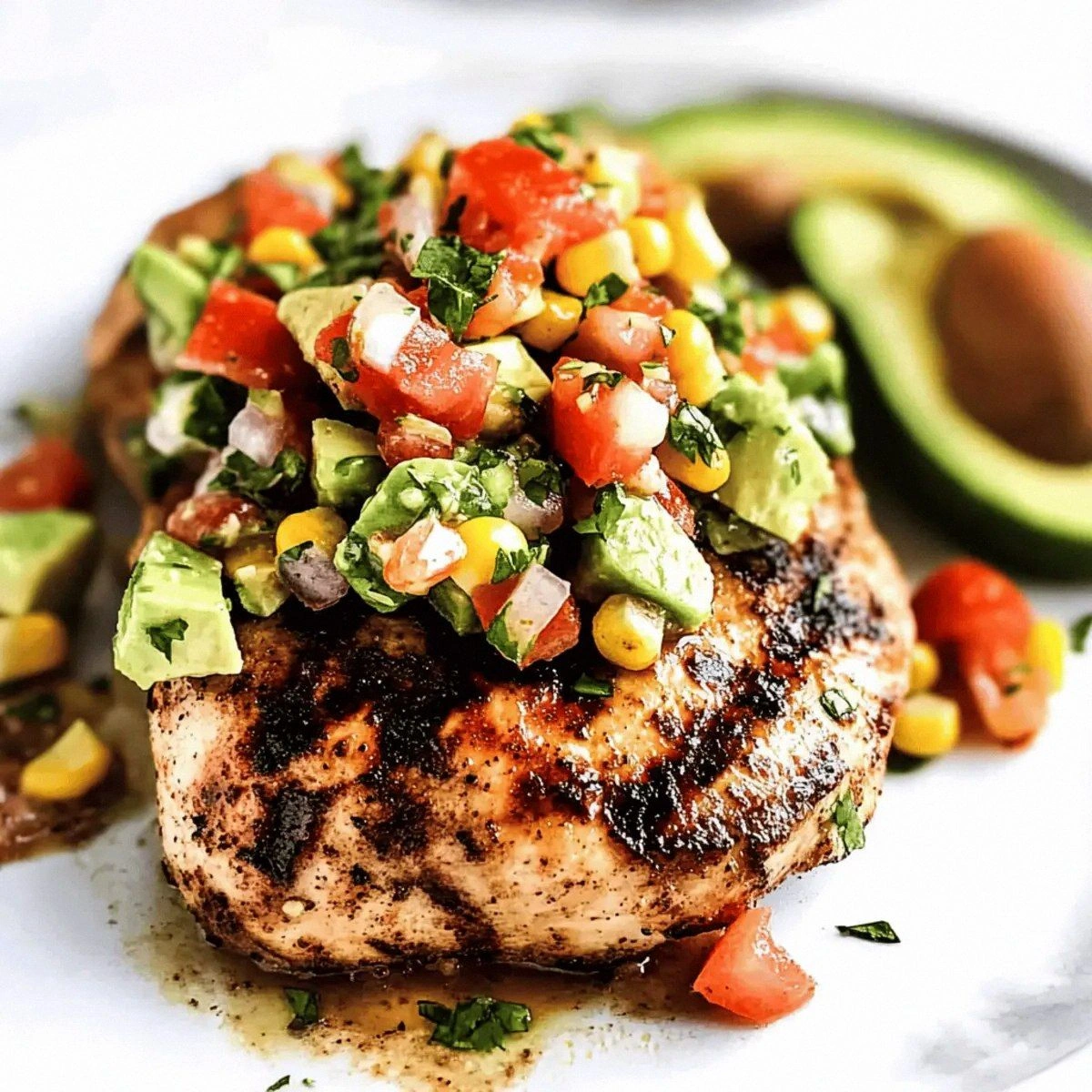
Picture this: the sizzle of olive oil hitting a hot skillet, the bright zing of lime juice cutting through the richness, and a whisper of smoky paprika that makes your nose do a little happy dance. The chicken, once a plain canvas, now wears a glossy, caramelized crust that shatters like thin ice under a fork. The avocado, creamy and buttery, slides in like a smooth jazz solo, while sweet corn kernels pop with the enthusiasm of fireworks on the Fourth of July. The whole dish is a sensory fireworks show—crackling, aromatic, and impossibly colorful.
Most recipes try to be clever but end up missing the mark, either drowning the chicken in sauce or leaving the avocado as an afterthought. This version, however, treats every component like a star, giving each a moment to shine while still playing perfectly together. The secret? A precise balance of lime zest, chipotle heat, and a pinch of brown sugar that caramelizes just enough to create a glaze that clings like velvet. And the avocado? It’s not just a garnish; it’s the creamy counterpoint that cools the spice, creating a harmony that feels like a fiesta in your mouth.
But wait—there’s a twist you won’t see coming. I’m going to introduce a quick sear‑then‑bake technique that locks in juices and creates that coveted “restaurant‑level” crust without any fancy equipment. I dare you to taste this and not go back for seconds. Let me walk you through every single step — by the end, you’ll wonder how you ever made it any other way.
What Makes This Version Stand Out
- Flavor Explosion: The marriage of lime, chipotle, and smoked paprika creates a layered taste that starts bright, deepens smoky, and finishes with a subtle sweetness.
- Texture Symphony: Tender chicken, crisp corn, juicy tomatoes, and buttery avocado provide a delightful contrast in every bite.
- Simplicity Meets Sophistication: Only twelve pantry staples and a few fresh veggies, yet the result feels like a dish from a high‑end Mexican bistro.
- Unique Glaze Technique: A quick sear locks in moisture, and the lime‑brown‑sugar glaze finishes in the oven, giving a caramelized crust that most home cooks miss.
- Crowd‑Pleaser Factor: Even the pickiest eaters love the bright colors and the gentle heat from the chipotle, making it perfect for family dinners or casual get‑togethers.
- Ingredient Quality: Fresh lime zest and ripe avocados are the unsung heroes that elevate the dish from “good” to “legendary.”
- One‑Pan Efficiency: After marinating, the chicken and veggies share the same pan, minimizing cleanup while maximizing flavor meld.
- Make‑Ahead Magic: The glaze can be prepared ahead of time, and the chicken can be marinated overnight for an even deeper flavor profile.
Alright, let's break down exactly what goes into this masterpiece...
Inside the Ingredient List
The Flavor Base
The lime juice and zest are the backbone of this dish, delivering a citrusy punch that cuts through the richness of the chicken and avocado. Fresh lime juice contains volatile compounds that brighten flavors, while zest adds a concentrated burst of aromatic oils. If you skip the zest, you’ll lose that aromatic lift, and the dish will feel flat. As a swap, you can use a splash of orange juice for a sweeter twist, but the signature tang will be missed.
The Texture Crew
Corn and cherry tomatoes bring bursts of juiciness and crunch, each bite offering a pop that balances the creamy avocado. Fresh corn kernels should be blanched briefly to retain their snap; overcooking turns them mushy and dulls the dish. If fresh corn isn’t available, frozen kernels work fine—just thaw and pat dry. The red onion adds a mild bite, and when sliced thin, it softens quickly, integrating seamlessly into the glaze.
The Unexpected Star
Chipotle chili powder is the secret weapon that adds smoky heat without overwhelming the palate. Its depth is what separates a good dish from a great one. If you’re sensitive to spice, reduce the amount by half and add a pinch of smoked paprika for the same smoky undertone. The brown sugar isn’t just for sweetness; it caramelizes during the sear, forming a glossy crust that locks in moisture.
The Final Flourish
Cilantro adds a fresh, herbaceous finish that brightens the entire plate, while the final clove of garlic infuses the glaze with a subtle pungency. Fresh cilantro should be added at the end to preserve its bright flavor; overcooking turns it bitter. If you dislike cilantro, flat‑leaf parsley provides a similar fresh note without the soapy aftertaste some people experience.
Everything's prepped? Good. Let's get into the real action...
The Method — Step by Step
First, gather your chicken breasts and give them a gentle pat dry with paper towels. In a shallow dish, whisk together the olive oil, lime juice, lime zest, chili powder, chipotle chili powder, smoked paprika, ground cumin, onion powder, garlic powder, brown sugar, salt, and black pepper. This mixture should look like a glossy, amber‑colored potion that smells like a tropical sunset. Coat each chicken piece thoroughly, ensuring every crevice is bathed in the marinade. I dare you to let the chicken sit in this blend for at least 15 minutes; if you can wait an hour, the flavors will seep deeper, turning each bite into a flavor bomb.
While the chicken marinates, prep your veggies. Halve the cherry tomatoes, dice the red bell pepper, finely chop the red onion, and mince the jalapeño (remove seeds for less heat). Slice the avocado in half, remove the pit, and scoop the flesh into a bowl, gently mashing it with a fork—no pureeing, we want a chunky texture. Toss the corn kernels with a pinch of salt and set aside. This is the moment where you realize how colorful your kitchen has become; it’s like a painter’s palette waiting to be plated.
Heat a large, heavy‑bottomed skillet over medium‑high heat until it’s hot enough that a few drops of water sizzle and evaporate instantly. Add a thin layer of olive oil—just enough to coat the pan. When the oil shimmers, place the marinated chicken breasts in the pan, laying them away from you to avoid splatter. Let them sear undisturbed for about 3–4 minutes; you’ll hear a satisfying sizzle that signals the Maillard reaction kicking in. The edges will start pulling away from the pan, a clear sign that a golden crust is forming.
Flip the chicken and sear the other side for another 3 minutes. Then, reduce the heat to medium, and pour any remaining marinade over the chicken, letting it bubble and thicken. This is the moment of truth—the glaze should coat the chicken like a glossy caramel, and the kitchen will fill with an intoxicating aroma of lime and smoked spices. If the glaze looks too thin, let it simmer a minute longer; it will reduce and cling beautifully.
Preheat your oven to 375°F (190°C). Once the chicken has a nice crust, transfer the entire skillet to the oven (if your pan isn’t oven‑safe, move the chicken to a baking dish and pour the glaze over it). Bake for 12–15 minutes, or until the internal temperature reaches 165°F (74°C). The oven’s gentle heat finishes cooking the chicken while the glaze continues to caramelize, creating a mouth‑watering sheen that looks like a sunrise on a plate.
While the chicken rests, quickly toss the corn, tomatoes, red bell pepper, red onion, and jalapeño in a large bowl with a drizzle of olive oil, a pinch of salt, and a splash of lime juice. This quick sauté in the same pan you used for the chicken (remove the chicken first, then add veggies for a minute) adds a smoky char that mirrors the chicken’s glaze. The vegetables should stay crisp‑tender—think of a bite that’s juicy but still has that satisfying snap.
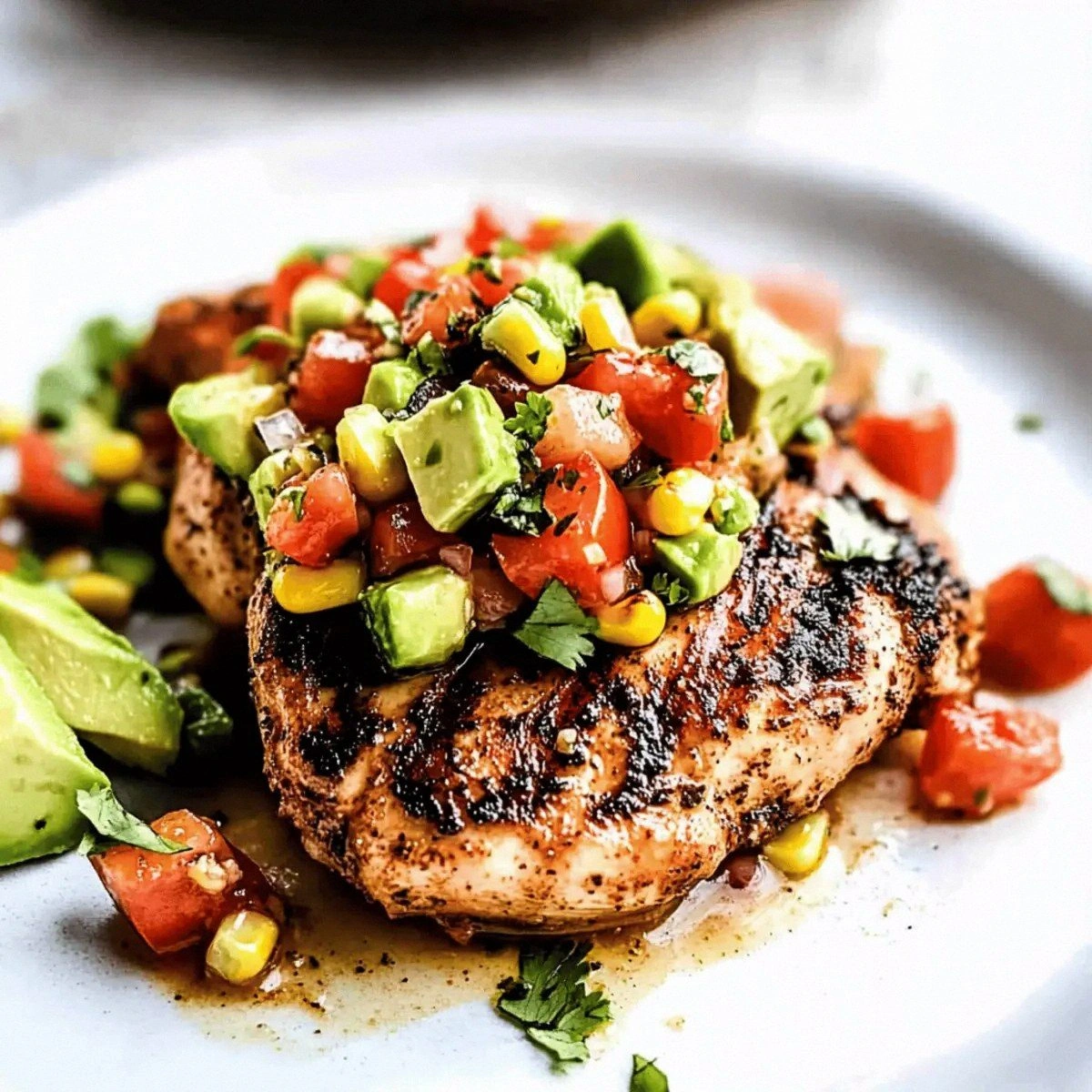
Slice the rested chicken breasts against the grain into thick strips. Arrange them on a serving platter, fan them out, and spoon the caramelized glaze over the top. Scatter the sautéed vegetables around the chicken, then dollop generous spoonfuls of the mashed avocado across the plate. Finish with a sprinkling of fresh cilantro and an extra pinch of lime zest for that final aromatic punch. The dish should look vibrant, with the green avocado contrasting against the golden chicken and the bright reds and yellows of the veggies.
Serve immediately, letting everyone dive in. The first bite should hit you with a burst of citrus, followed by the smoky heat of chipotle, the sweet caramel of brown sugar, and the cool, buttery avocado that rounds everything out. I’ll be honest — I ate half the batch before anyone else got to try it, and that’s because the flavors are that addictive. Picture yourself pulling this out of the oven, the whole kitchen smelling incredible, and your guests already reaching for seconds. That’s the magic we’ve created together.
That's it — you did it. But hold on, I've got a few more tricks that'll take this to another level...
Insider Tricks for Flawless Results
The Temperature Rule Nobody Follows
Never start a chicken breast on high heat; the exterior will burn before the interior cooks through. Instead, preheat the pan to medium‑high, then drop the heat to medium once the chicken hits the surface. This subtle shift keeps the meat juicy while still achieving that coveted caramelized crust. I once tried cooking on high, and the result was a blackened shell with a raw center—trust me, that’s a lesson you don’t want to relearn.
Why Your Nose Knows Best
When the glaze starts to bubble, keep your nose close (but not too close to avoid the burn). The moment you smell that sweet‑smoky aroma, you know the sugars have reached the perfect caramelization point. If the scent turns bitter, you’ve crossed the line into burnt sugar territory. Trust your senses more than the clock; they’re the ultimate timer.
The 5‑Minute Rest That Changes Everything
After the oven finishes, let the chicken rest for five minutes before slicing. This short pause allows the juices to redistribute, preventing a dry, watery plate. It also gives the glaze a chance to thicken further, coating the meat like a glossy veil. Skipping this step is a common mistake that leads to a soggy presentation.
Salt Timing Magic
Season the vegetables after they’ve been sautéed, not before. Adding salt too early draws out moisture, causing the veggies to steam rather than sear. By seasoning at the end, you preserve their crisp texture and let the natural sweetness shine through.
Avocado Freshness Hack
To keep mashed avocado from turning brown, add a tablespoon of lime juice and cover the bowl with plastic wrap pressed directly onto the surface. The acid slows oxidation, keeping the green vibrant for up to an hour. If you’re prepping ahead, this trick saves you from a dull, brown mess.
Creative Twists and Variations
This recipe is a playground. Here are some of my favorite ways to switch things up:
Spicy Mango Fiesta
Swap the cherry tomatoes for diced mango and add a pinch of cayenne. The mango’s sweetness pairs beautifully with the chipotle heat, creating a tropical heatwave that’s perfect for summer evenings.
Herb‑Infused Chicken
Replace cilantro with a blend of fresh basil and mint. The herbaceous notes add a fresh Mediterranean twist, making the dish feel lighter while still retaining its zing.
Smoky Bacon Crunch
Wrap each chicken breast with half a slice of crisp bacon before searing. The bacon’s smokiness amplifies the chipotle, and the crunchy texture adds an unexpected layer of delight.
Veggie‑Only Version
Omit the chicken and increase the corn, bell pepper, and avocado portions. Add a can of black beans for protein, and you have a hearty, vegetarian fiesta bowl that’s just as satisfying.
Cheesy Finale
After plating, sprinkle crumbled queso fresco or feta over the top. The salty cheese adds a creamy contrast that melds perfectly with the lime‑bright glaze.
Storing and Bringing It Back to Life
Fridge Storage
Allow the dish to cool to room temperature, then transfer the chicken, veggies, and avocado into airtight containers. Store in the refrigerator for up to three days. When reheating, keep the avocado separate to maintain its texture.
Freezer Friendly
Separate the cooked chicken and glaze from the fresh avocado and cilantro. Portion the chicken and veggies into freezer‑safe bags, and freeze for up to two months. Thaw overnight in the fridge, then reheat gently on the stovetop.
Best Reheating Method
Place the chicken and vegetables in a skillet over medium heat, add a splash of water (about a tablespoon), and cover for two minutes. The steam revives the glaze and prevents drying. Warm the mashed avocado in a microwave for 10 seconds, stir, and serve.