I was staring at a half‑baked carrot cake that had collapsed like a soggy pancake when my cousin dared me to create something that would actually rise, stay moist, and still look like a cupcake you could proudly serve at a brunch. The kitchen was a battlefield of spilled flour, a rogue carrot grater, and the lingering scent of burnt sugar that made my eyes water. I promised myself that the next attempt would be a triumph, not a tragedy, and that promise turned into a full‑blown obsession. I spent a week testing different flours, oils, and spice ratios, and let me tell you, the moment the batter hit the spoon and the aroma hit the air, I knew I was onto something spectacular.
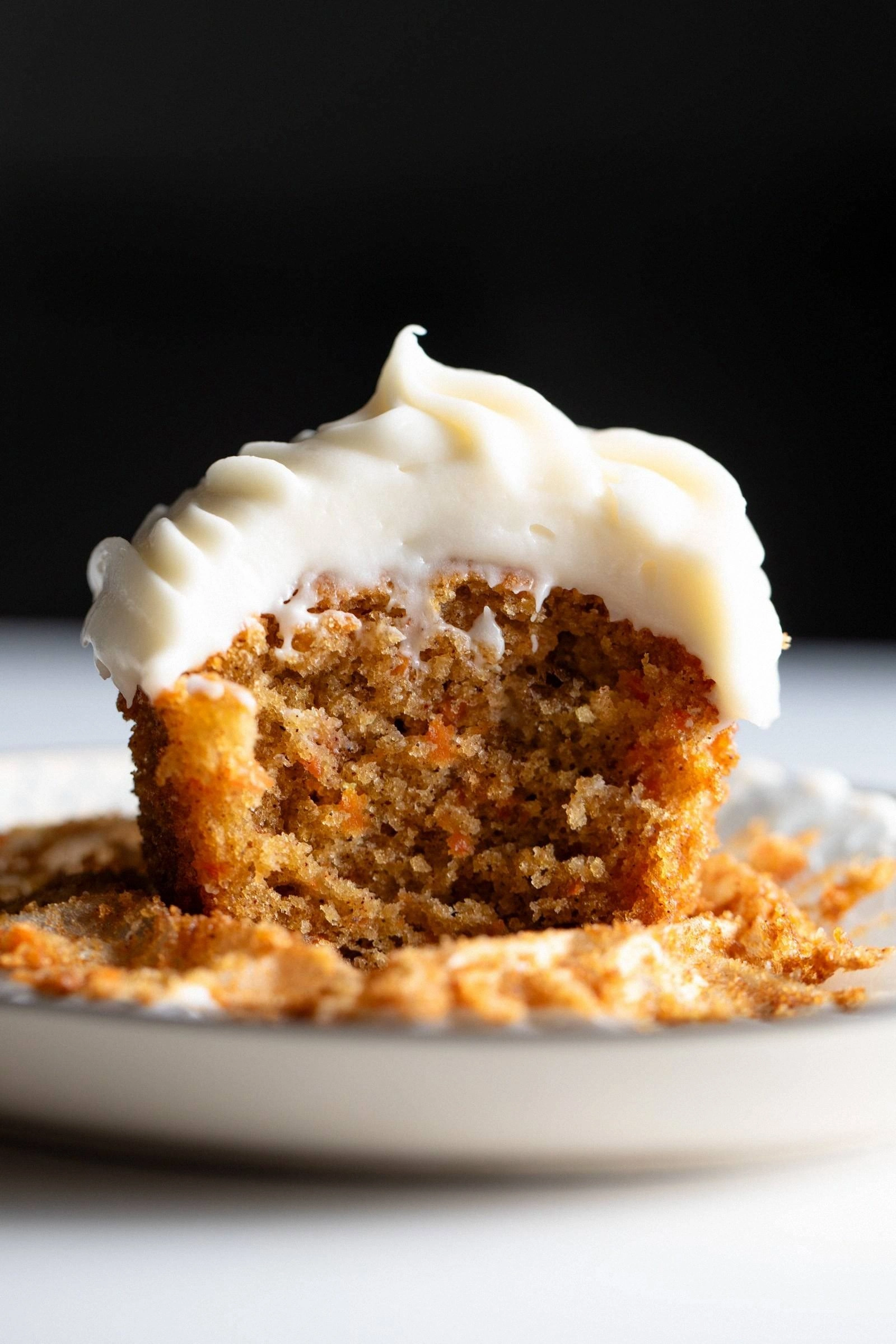
Picture this: the oven door swings open and a wave of sweet, spicy, and buttery perfume floods the room, hugging the walls like a cozy blanket. The cupcakes themselves are a warm, amber‑gold hue, their tops slightly cracked, exposing a tender crumb that looks like it was kissed by sunshine. When you bite in, the first thing you notice is the caramel‑deep sweetness of the carrots mingling with a whisper of cinnamon, followed by a buttery melt that makes your tongue do a happy dance. The frosting—rich, tangy cream cheese whipped to perfection—spreads like silk, balancing the cake’s sweetness with just the right amount of sass.
What makes this version truly unbeatable is the secret weapon I discovered: a splash of orange juice hidden in the batter. That citrus spark cuts through the richness, brightening the flavor profile and keeping the crumb unbelievably moist. Most carrot cake recipes rely solely on oil and sugar, which can leave the texture dense and the flavor one‑dimensional. By adding a touch of orange, you get that subtle zing that makes each bite feel like a celebration. And let’s be honest, a cupcake that can stand up to a spoonful of frosting without crumbling is a game‑changer.
I dare you to taste this and not go back for seconds. This is hands down the best version you'll ever make at home, and I’m about to walk you through every single step — by the end, you’ll wonder how you ever made it any other way.
What Makes This Version Stand Out
- Moisture: The combination of oil, orange juice, and finely grated carrots creates a batter that stays tender long after cooling. No dry crumbs here, just a luscious, melt‑in‑your‑mouth texture that keeps you reaching for more.
- Flavor Depth: A symphony of warm spices—cinnamon, nutmeg, and a pinch of ginger—plays off the bright citrus note, delivering a layered taste that evolves with each bite.
- Texture Contrast: The crunchy walnuts and plump raisins add a satisfying bite, while the soft crumb provides a pillow‑like base for the frosting.
- Simplicity: Despite the impressive results, the ingredient list is pantry‑friendly and the steps are straightforward, making it perfect for both novices and seasoned bakers.
- Crowd Reaction: These cupcakes have a reputation for disappearing within minutes at parties, sparking spontaneous “Can I have another?” requests from even the most disciplined guests.
- Ingredient Quality: Using freshly grated carrots and high‑quality cream cheese elevates the entire experience, turning a humble cake into a gourmet treat.
- Cooking Method: Baking in a standard 350°F oven with a short, high‑heat burst at the start ensures a perfect rise and a golden top.
- Make‑Ahead Potential: The cupcakes freeze beautifully, and the frosting can be whipped up ahead of time, saving you precious minutes on the day of serving.
Inside the Ingredient List
The Flavor Base
Allspice, cinnamon, nutmeg, and ginger form the aromatic backbone of these cupcakes. Cinnamon provides that familiar warmth, while nutmeg adds a subtle earthiness that deepens the flavor. Ground ginger brings a faint peppery bite that balances the sweetness of the carrots and sugars. If you skip any of these, the cake loses its signature cozy vibe and feels flat.
The Texture Crew
Grated carrots are the star here, delivering moisture and a natural sweetness that no amount of sugar can replicate. Fine grating ensures the carrots integrate fully, preventing large chunks that could dominate the bite. Walnuts and raisins are optional but highly recommended for crunch and chew. If you’re allergic to nuts, toasted pumpkin seeds make a wonderful substitute without altering the flavor profile.
The Unexpected Star
A splash of freshly squeezed orange juice (about two tablespoons) is the secret weapon. The citrus cuts through the richness, brightening each forkful and keeping the crumb exceptionally moist. If you don’t have orange on hand, a dash of lemon zest can provide a similar lift, though the flavor will be slightly more tart.
The Final Flourish
The frosting is a classic cream cheese blend, sweetened with powdered sugar and enriched with a touch of vanilla. The butter adds stability, while the cream cheese supplies that tangy contrast that makes carrot cake unforgettable. For a lighter version, substitute half the butter with Greek yogurt; the texture stays creamy, and you gain a protein boost.
Everything's prepped? Good. Let’s get into the real action…
The Method — Step by Step
Preheat your oven to 350°F (175°C) and line a 12‑cup muffin tin with paper liners. The moment the oven clicks into gear, you’ll hear a faint hum that signals the start of something magical. While the oven warms, give the liners a quick tap to settle them—this prevents wobbling later on.
In a large bowl, whisk together the flour, baking powder, baking soda, and salt. The dry mixture should look like fine sand; if any lumps remain, sift it once more. This step is crucial because even a tiny pocket of baking soda can create an off‑taste that ruins the delicate balance.
In a separate bowl, combine the brown sugar, granulated sugar, and oil. Beat until the mixture is glossy and the sugars start to dissolve—think of a caramel river flowing smoothly. Add the eggs one at a time, beating well after each addition, then stir in the orange juice and vanilla extract. The batter should emit a sweet, citrusy aroma at this point.
Kitchen Hack: Warm the oil slightly (about 110°F) before mixing; this helps it blend with the sugars more evenly, preventing a grainy texture.Fold the dry ingredients into the wet mixture using a spatula, not a whisk. Over‑mixing will develop gluten, leading to a tough crumb. Stop stirring as soon as you no longer see streaks of flour. The batter should be thick but pourable, resembling a chunky pancake batter.
Now, gently fold in the grated carrots, walnuts, and raisins. The carrots should be evenly dispersed; if you see a big clump, break it up with a quick chop of the spatula. This ensures every bite has a balanced bite of sweetness, crunch, and chew.
Scoop the batter into the prepared liners, filling each about three‑quarters full. The batter will spread slightly as it bakes, so don’t overfill. If you have a cookie scoop, use the ¼‑cup size for uniform cupcakes.
Slide the tin into the oven and bake for 20‑22 minutes. The edges should start pulling away from the pan, and a toothpick inserted into the center will come out clean or with a few moist crumbs. This is the moment of truth—if the cupcakes are too pale, give them an extra minute; if they’re browning too fast, tent with foil.
Watch Out: Opening the oven door too early can cause the cupcakes to sink in the middle. Trust the timer, then check.While the cupcakes cool, whip the frosting. In a medium bowl, beat softened cream cheese, butter, and vanilla until smooth. Gradually add powdered sugar, a tablespoon at a time, to avoid a sugar cloud explosion. Once fully incorporated, the frosting should be light, fluffy, and hold its shape when piped.
When the cupcakes are completely cooled (touch them—they should feel room temperature), pipe a generous swirl of frosting on each. For an extra visual punch, garnish with a sprinkle of chopped walnuts or a dusting of cinnamon. This final flourish not only adds flavor but also makes the cupcakes Instagram‑ready.
Kitchen Hack: Chill the frosting for 10 minutes before piping; it firms up just enough to hold peaks without spreading.
That's it — you did it. But hold on, I've got a few more tricks that'll take this to another level...
Insider Tricks for Flawless Results
The Temperature Rule Nobody Follows
Always bring your ingredients to room temperature before mixing. Cold eggs or butter can cause the batter to seize, resulting in a dense crumb. I once rushed a batch straight from the fridge and ended up with cupcakes that resembled soggy bricks. Letting everything sit for 30 minutes is a tiny time investment for a massive texture payoff.
Why Your Nose Knows Best
When the cupcakes are near the end of baking, trust the scent. A sweet, caramelized aroma indicates they’re done, while a faintly raw flour smell signals they need more time. I’ve saved dozens of batches from under‑baking by simply sniffing the kitchen air.
The 5‑Minute Rest That Changes Everything
After removing the cupcakes from the oven, let them rest in the tin for five minutes before transferring to a wire rack. This short pause allows steam to finish the cooking process gently, preventing a gummy bottom. Skip this step, and you’ll notice a slightly wet underside that can ruin the frosting’s adherence.
Frosting Consistency Control
If your frosting turns out too soft, add a spoonful of powdered sugar at a time until it stiffens. Conversely, if it’s too stiff, whisk in a splash of milk or heavy cream. The perfect consistency should hold a peak when the spatula is lifted, yet melt smoothly on the tongue.
The Secret of the “Crisp Top”
For a slightly crisped cupcake top, brush the batter gently with a mixture of melted butter and a pinch of sugar just before the final 5 minutes of baking. This creates a caramelized crust that adds a delightful contrast to the soft interior. I tried this once at a brunch and the guests declared the “crack” the best part of the cupcake.
Creative Twists and Variations
This recipe is a playground. Here are some of my favorite ways to switch things up:
Apple‑Cinnamon Surprise
Swap half of the carrots for finely diced apples and add an extra teaspoon of cinnamon. The apples introduce a juicy burst, perfect for autumn gatherings, and the extra cinnamon deepens the warm spice profile.
Chocolate Chip Delight
Fold in a third cup of dark chocolate chips instead of raisins. The bittersweet chocolate pairs beautifully with the cream cheese frosting, turning the cupcake into a dessert for chocolate lovers.
Tropical Coconut
Replace walnuts with toasted coconut flakes and add a tablespoon of shredded coconut to the batter. This gives a subtle island vibe and a gentle chew that complements the orange juice.
Gluten‑Free Glory
Use a 1:1 gluten‑free flour blend in place of all‑purpose flour. Add a teaspoon of xanthan gum to maintain structure. The result is just as fluffy, proving you don’t need gluten for greatness.
Spiced Pumpkin Fusion
Mix half a cup of pumpkin puree into the batter and increase the pumpkin spice blend to two teaspoons. This creates a hybrid carrot‑pumpkin cupcake that’s perfect for Thanksgiving tables.
Storing and Bringing It Back to Life
Fridge Storage
Place the cupcakes in an airtight container and store them in the refrigerator for up to five days. The frosting will stay firm, and the cake will retain its moisture thanks to the carrots. Before serving, let them sit at room temperature for 20 minutes so the frosting softens.
Freezer Friendly
Wrap each cupcake individually in plastic wrap, then place them in a freezer‑safe bag. They freeze beautifully for up to three months. To reheat, remove the wrap, place them on a microwave‑safe plate, and microwave for 20‑30 seconds, adding a tiny splash of water to the plate to create steam.
Best Reheating Method
For oven reheating, preheat to 300°F, place the cupcakes on a baking sheet, and warm for 8‑10 minutes. The gentle heat revives the crumb without drying it out, and the frosting becomes silky again. Adding a few drops of orange juice to the frosting just before serving brings back that bright zing.