I was standing in my cramped kitchen, the timer ticking louder than a metronome, when I realized my lasagna had turned into a soggy, flavorless mess. The cheese had clumped, the sauce had become a brown sludge, and the noodles were fighting for survival. My friend, a culinary daredevil, laughed and said, “You’re going to have to step up your game.” That moment became the spark that ignited my obsession with the ultimate seafood lasagna. I knew I had to find a recipe that would rescue my dinner plans and make the kitchen smell like a seaside resort.
I pulled out my trusty skillet and the scent of garlic began to mingle with the buttery aroma of the shrimp. The sizzle was a promise of something extraordinary, and the sound of the onions caramelizing felt like applause from a culinary orchestra. The visual of golden crusted shrimp dancing in a pan was a prelude to the texture that would soon unfold. The anticipation was thick, like a storm brewing over the Mediterranean Sea, and I could almost taste the briny tang before even tasting it. It was a sensory prelude that turned an ordinary night into a culinary adventure.
What sets this version apart from every other seafood lasagna on the internet is the balance of flavors and the sheer depth of the sauce. The combination of Old Bay seasoning and nutmeg gives the cream base a subtle complexity that lingers on the palate. The use of both shrimp and lump crab adds layers of texture, from the tender bite of shrimp to the buttery melt of crab. The sauce coats the pasta like velvet, yet the edges of the noodles stay firm, creating a delightful contrast. I dare you to taste this and not go back for seconds.
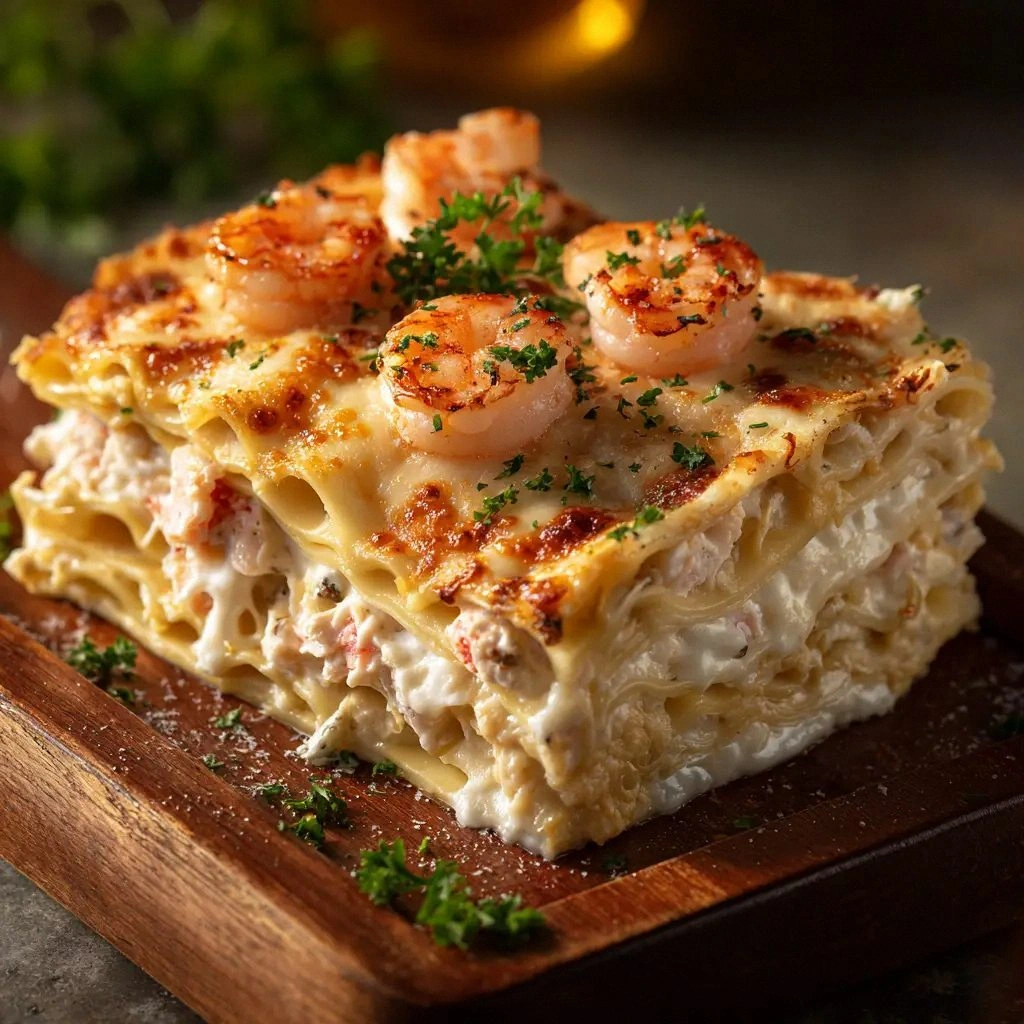
I’ll be honest — I ate half the batch before anyone else got to try it. Most recipes get this completely wrong, but here’s what actually works: the sauce never boils after the milk is added, the cheese blend stays creamy, and the lasagna is baked to a golden, slightly crispy top. Picture yourself pulling this out of the oven, the whole kitchen smelling incredible, and the plate shimmering with melted mozzarella. Let me walk you through every single step — by the end, you’ll wonder how you ever made it any other way.
What Makes This Version Stand Out
- Flavor: The sauce is a creamy, savory canvas that lets the shrimp and crab shine without overpowering them. The Old Bay seasoning adds a subtle heat that complements the sweet seafood. The nutmeg provides a warm, almost cinnamon-like undertone that balances the richness of the cream.
- Texture: The layers of pasta, sauce, and seafood create a symphony of textures. The noodles stay al dente, the shrimp offers a firm bite, and the crab melts in your mouth. The final mozzarella crust is crisp and golden, providing a satisfying crunch.
- Simplicity: Despite its luxurious taste, the recipe requires only a handful of ingredients and a single pan for the sauce. The lasagna assembles in a few minutes, and the baking time is under 30 minutes. You’ll be able to whip this up even on a busy weeknight.
- Uniqueness: The blend of cream and milk creates a silky sauce that isn’t too heavy, while the Old Bay seasoning gives it a distinctive character that’s rarely found in traditional lasagnas. The combination of shrimp and crab adds a double seafood experience.
- Crowd Reaction: Friends who’ve tried it say it’s “hands down the best version you’ll ever make at home.” The dish is a showstopper that leaves everyone asking for the recipe. It’s perfect for dinner parties, holiday gatherings, or a special family meal.
- Ingredient Quality: Using fresh, high‑quality shrimp and lump crab ensures that the seafood is buttery and flavorful. Choosing a good cheese blend—ricotta, mozzarella, and Parmesan—adds depth and a silky finish to the sauce.
- Cooking Method: The technique of making a roux with butter and flour, then adding wine, milk, and cream, creates a stable base that thickens without clumping. Baking the lasagna in a single sheet pan saves time and reduces cleanup.
- Make‑Ahead Potential: You can assemble the lasagna a day ahead, cover it tightly, and bake it fresh when you’re ready. The flavors meld beautifully over time, making it a perfect make‑ahead dinner.
Alright, let's break down exactly what goes into this masterpiece...
Inside the Ingredient List
The Flavor Base
The roux made with butter and flour is the backbone of the sauce, providing body and preventing lumps. If you skip the flour, the sauce will be thin and watery, making the lasagna soggy. A good alternative for gluten‑free diners is to use arrowroot powder or a gluten‑free flour blend. When you whisk in the dry white wine, it deglazes the pan and adds a bright, citrusy note that cuts through the cream’s heaviness. The Old Bay seasoning isn’t just for flavor—it also brings a subtle heat that elevates the seafood.
The Texture Crew
The shrimp and lump crab are the stars of the show. Shrimp offers a firm bite and a sweet, briny taste, while lump crab adds a buttery, melt‑in‑your‑mouth texture. If you’re in a pinch, you can substitute peeled, deveined shrimp for crab, but you’ll miss that delicate crab flavor. The ricotta cheese acts as a light, airy filler, preventing the lasagna from becoming too dense. The mozzarella provides a gooey, melty center, while the Parmesan adds a sharp, nutty finish.
The Unexpected Star
Nutmeg is the unsung hero of this dish. Its warm, sweet flavor balances the richness of the cream and complements the sea‑salted seafood. If you’re allergic or simply don’t have nutmeg, a pinch of cinnamon or allspice can provide a similar depth. The fresh parsley at the end adds a burst of color and a fresh, herbal note that cuts through the richness. A small amount of black pepper adds a subtle heat that rounds out the flavor profile.
The Final Flourish
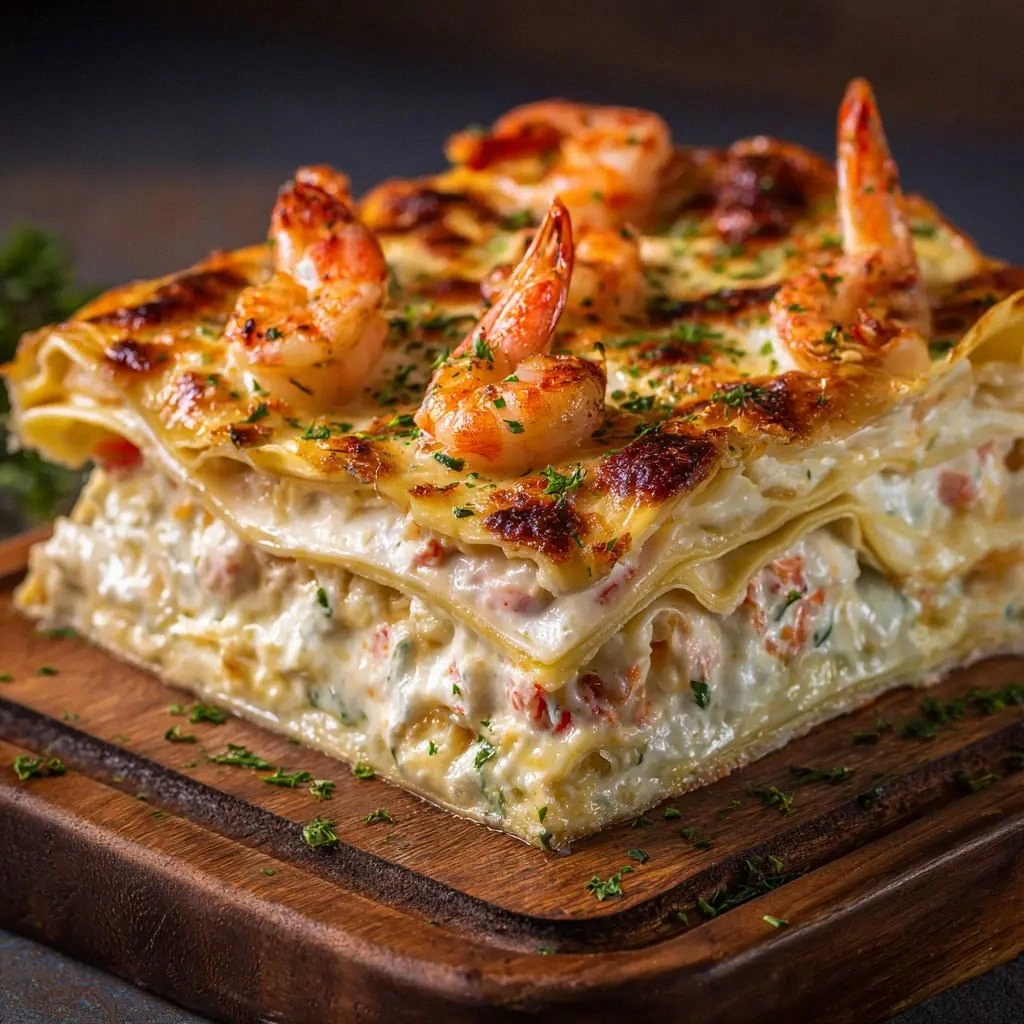
The final layer of cheese—mozzarella and Parmesan—creates a golden crust that is slightly crisp, yet still tender. The Parmesan adds a nutty sharpness that contrasts with the creamy interior. If you prefer a dairy‑free version, you can use a plant‑based cheese blend, but be aware that the texture will change slightly. The parsley garnish adds a fresh, herbaceous note that brightens the dish and provides a pop of color. Everything's prepped? Good. Let's get into the real action...
The Method — Step by Step
- Heat a large skillet over medium heat and melt 6 tablespoons of butter. As the butter foams, sprinkle 1/3 cup of all‑purpose flour and stir constantly for 2 minutes to form a smooth roux. This creates a thick base that will hold the sauce together. The aroma of toasted flour is a sign that you’re on the right track. If the roux looks too dark, lower the heat and keep stirring.
- Slowly pour in 3 cups of whole milk while whisking vigorously to avoid lumps. Once the mixture thickens, add 1 cup of heavy cream and continue whisking until the sauce is silky smooth. The key is to keep the heat low; a gentle simmer prevents the sauce from separating. When the sauce begins to thicken, sprinkle in 1 teaspoon of Old Bay seasoning and 1/4 teaspoon of nutmeg. Let the mixture bubble gently for 3 minutes so the flavors meld.
- Add the diced onion and minced garlic to the skillet, cooking until the onion is translucent and the garlic is fragrant. The onion should be soft but not browned, which keeps the sauce light. The garlic will release a sweet aroma that pairs beautifully with the seafood. Stir in the shrimp and crab, cooking just until the shrimp turns pink. The seafood should be heated through but not overcooked.
- In a large mixing bowl, combine 15 ounces of ricotta cheese, 2 cups of shredded mozzarella, 1 cup of grated Parmesan, and 1/4 cup of chopped fresh parsley. Toss the cheeses together until the mixture is smooth and uniform. The ricotta adds a light, creamy base that balances the richness of the sauce. The mozzarella provides meltiness, while the Parmesan adds a sharp, nutty flavor. Season the mixture lightly with salt and pepper to taste.
- Preheat your oven to 375°F (190°C). Lightly grease a 9x13 inch baking dish with a bit of butter or cooking spray. Layer the dish starting with a thin layer of sauce, then a sheet of lasagna noodles, followed by the cheese mixture, more sauce, and a handful of shrimp and crab. Repeat the layers until all components are used, finishing with a generous layer of sauce on top. Sprinkle the remaining mozzarella and Parmesan over the final layer to create a golden crust.
- Bake uncovered for 25 minutes, then remove from the oven and let the lasagna rest for 10 minutes. Resting allows the flavors to set and the sauce to thicken slightly. While the lasagna rests, preheat a small skillet over medium heat and melt a tablespoon of butter for a quick sauté of any leftover shrimp. This step adds a crunchy, buttery finish to the dish.
- Slice the lasagna into portions and serve immediately, garnishing with additional fresh parsley if desired. The dish should look golden and the cheese should be bubbling. Take a forkful and feel the contrast between the creamy interior and the crisp edges. The aroma will fill your kitchen, and you’ll know you’ve nailed it. That’s it — you did it. But hold on, I've got a few more tricks that'll take this to another level...
Insider Tricks for Flawless Results
The Temperature Rule Nobody Follows
Never let the sauce boil once the milk is added. A gentle simmer keeps the sauce silky and prevents it from curdling. If you see bubbles forming rapidly, reduce the heat immediately. I once left a sauce on high and the entire pan turned into a mess of curdled cream. The lesson? Keep the heat low and stir constantly.
Why Your Nose Knows Best
Before you add the shrimp, give the sauce a sniff. The aroma should be rich and slightly sweet. A faint, metallic scent might indicate the shrimp is past its prime. If it smells off, discard the shrimp and start over. Your nose is your best quality control.
The 5‑Minute Rest That Changes Everything
After baking, let the lasagna sit for exactly five minutes before cutting. This short rest allows the sauce to thicken, making it easier to slice cleanly. Cutting immediately will result in a mushy mess. The five‑minute rest also lets the flavors meld together beautifully.
Keep the Noodles Al Dente
Cook your lasagna noodles until they’re just shy of al dente. They’ll finish cooking in the oven, and if they’re too soft, the dish will be soggy. A quick test: bite a noodle, and it should give a slight resistance. If it’s too soft, boil for an additional minute.
The Cheese Blend Magic
Using a combination of mozzarella and Parmesan creates a gooey, golden top while adding depth. If you prefer a sharper flavor, increase the Parmesan by a quarter cup. For a lighter version, replace half the mozzarella with provolone. The key is balance: too much mozzarella and the top will be too soft; too much Parmesan and it will be too salty.
Creative Twists and Variations
This recipe is a playground. Here are some of my favorite ways to switch things up:
Mediterranean Twist
Swap the Old Bay seasoning for a blend of oregano, thyme, and basil. Add sun‑dried tomatoes for a sweet, chewy bite. This version leans into Mediterranean flavors and pairs wonderfully with a crisp white wine.
Spicy Cajun Edition
Replace Old Bay with a homemade Cajun spice mix and add a dash of cayenne pepper. The heat will be pronounced, and the shrimp will carry a smoky, fiery flavor. This variation is perfect for those who love a bit of spice.
Vegan Delight
Use a plant‑based ricotta, cashew‑based mozzarella, and nutritional yeast instead of Parmesan. Substitute shrimp and crab with sautéed mushrooms or a mix of tofu and seaweed. The result is a creamy, hearty lasagna that still feels indulgent.
Cheesy Baked Potato Layer
Thinly slice a large potato and layer it between the lasagna sheets. The potato adds a comforting, earthy flavor and a different texture. Bake until the potato is tender and the top is golden.
Herb‑Infused Cream
Add chopped dill, chives, or tarragon to the sauce for a fresh herbaceous note. These herbs pair beautifully with seafood and give the lasagna a bright, lively finish.
Storing and Bringing It Back to Life
Fridge Storage
Cool the lasagna to room temperature, then cover tightly with plastic wrap or foil. Store in the refrigerator for up to 3 days. Before reheating, let it sit at room temperature for 20 minutes to reduce the risk of uneven heating.
Freezer Friendly
Wrap the lasagna in heavy‑dutied freezer paper and then place it in a freezer‑safe container. It will keep for up to 2 months. Thaw overnight in the refrigerator before reheating.
Best Reheating Method
Reheat in a preheated 350°F oven for 15–20 minutes, or until the cheese is bubbly. Add a splash of water to the bottom of the dish to create steam and keep the lasagna from drying out. Cover loosely with foil during the first 10 minutes to prevent the top from over‑browning.