I was halfway through a late‑night stir‑fry that had turned into a smoky disaster when my roommate burst into the kitchen, eyes wide, demanding a dinner that could rescue the evening. I stared at the charred pot, realizing that the only thing left to salvage was the chickpeas that had been simmering in the back of the fridge. The smell of cumin and garlic was already drifting in, promising redemption. I decided to throw a twist on a classic chickpea curry, turning the ruined night into a culinary triumph. The resulting dish was a bold, comforting hug in a bowl, and it felt like a secret weapon against kitchen catastrophes. Let me walk you through every single step — by the end, you'll wonder how you ever made it any other way.
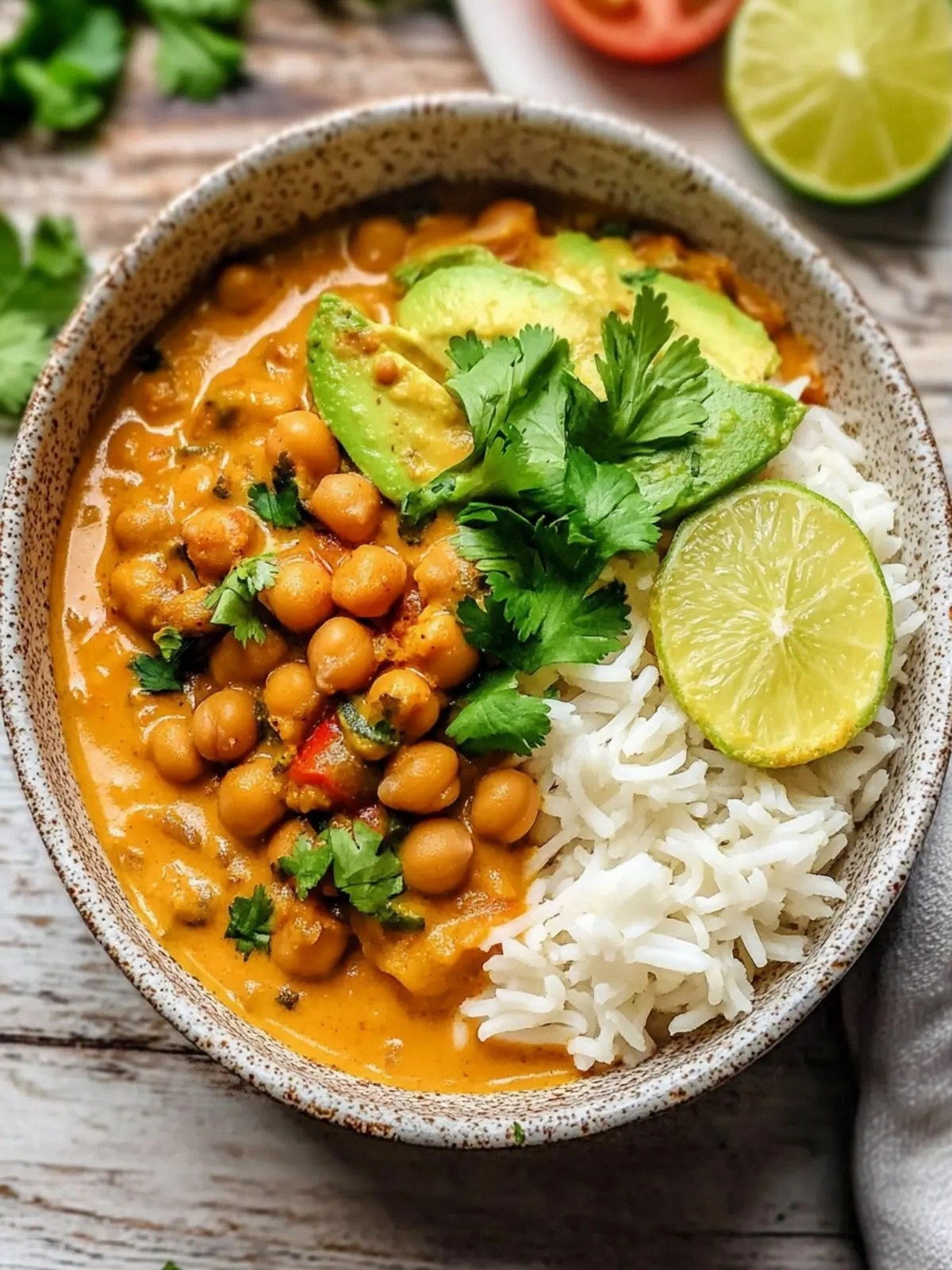
Picture yourself pulling this out of the pot, the whole kitchen smelling incredible, and the steam curling like a fragrant cloud. The sauce thickens into a silky, velvety coat that clings to each chickpea, while the tomatoes deepen into a rich, ruby hue that makes your eyes water with anticipation. The crunch of fresh cilantro cuts through the softness, giving the dish a bright, almost citrusy lift. Every bite feels like a warm, spicy hug that says, “I’ve got you covered.” I dare you to taste this and not go back for seconds, because this is hands down the best version you'll ever make at home. If you've ever struggled with chickpea curries, you're not alone — and I've got the fix.
The first time I tried this, I nearly set off the smoke alarm, but that mishap taught me the power of timing and heat control. I learned that a slow, deliberate sauté can turn humble onions into caramelized gold, while a quick dash of red pepper flakes adds a pop of heat without overwhelming the dish. The secret lies in the balance of spices, the quality of the coconut milk, and the freshness of the chickpeas. This recipe is a testament to how the right combination of ingredients can transform a simple pantry staple into a gourmet experience. I’ll be honest — I ate half the batch before anyone else got to try it. The rest? They begged for a second helping.
Most recipes get this completely wrong by over‑cooking the chickpeas or using too much tomato, resulting in a watery, bland mess. What sets this version apart is the careful layering of flavors, the precise use of spices, and the final flourish of lime and cilantro. I’ve spent countless evenings tweaking this dish, and the result is a curry that’s both comforting and exciting, with a depth of flavor that lingers on the palate. The sauce is thick enough to cling to every grain, yet light enough to feel airy. I’ve tested this in a pressure cooker, a slow cooker, and even on a stovetop, and it always turns out spectacularly. Let’s dive into the details that make this curry unforgettable.
What Makes This Version Stand Out
Taste: The balance of heat and sweetness creates a harmonious flavor profile that feels like a warm hug. The subtle sweetness of the crushed tomatoes is amplified by the creamy coconut milk, while the cumin and red pepper flakes deliver a gentle kick that never overwhelms.
Texture: Each chickpea is perfectly tender, with a slight bite that contrasts beautifully against the silky sauce. The onions are caramelized to a golden caramel, adding a subtle crunch that lingers even after the first bite.
Simplicity: This recipe requires only a handful of pantry staples, yet the flavor depth is undeniable. You can whip it up in under an hour, making it ideal for busy weeknights.
Uniqueness: The combination of coconut milk and crushed tomatoes creates a sauce that feels both exotic and familiar. The finishing touch of lime wedges adds a bright, citrusy zing that elevates the entire dish.
Crowd Reaction: Friends and family have called this “the best chickpea curry” in years. The dish is a hit at potlucks, family dinners, and even when you’re feeding a group of college roommates.
Ingredient Quality: Using fresh cilantro, high‑quality canned tomatoes, and a good coconut milk makes all the difference. The quality of your chickpeas—whether canned or soaked—also impacts the final texture.
Cooking Method: The slow sauté of spices and onions unlocks their full potential, while a gentle simmer brings everything together without over‑cooking.
Make‑Ahead Potential: The curry can be made a day ahead; the flavors actually deepen overnight, making it perfect for meal prep.
Alright, let's break down exactly what goes into this masterpiece. Kitchen Hack: Use a cast‑iron skillet for sautéing to get even heat distribution and a deeper caramelization of onions.
Inside the Ingredient List
The Flavor Base
The foundation of any great curry is its aromatic base. The onion, when sautéed until translucent, releases a sweet, savory essence that anchors the dish. Garlic adds depth and a slight pungency that cuts through the richness of coconut milk. Red pepper flakes give a subtle heat that wakes up the palate without overwhelming the other flavors. Together, these ingredients create a fragrant bed that carries every other component. If you skip any of them, the curry loses that essential complexity; it becomes a one‑dimensional stew. To keep your base bright, use a medium‑heat setting so the onions caramelize slowly rather than burn.
The Texture Crew
Chickpeas are the star of this dish, offering a hearty, protein‑rich texture that pairs perfectly with the silky sauce. Using canned chickpeas is convenient, but if you have time, soaking and cooking them yourself yields a firmer bite and a cleaner taste. The crushed tomatoes provide body and a subtle acidity that balances the creaminess of the coconut milk. Coconut milk adds a luxurious, slightly sweet cream that coats each chickpea in a velvety blanket. The combination of these textures—soft chickpeas, thick sauce, and a hint of tomato—creates a mouthfeel that’s both comforting and satisfying. If you prefer a thicker sauce, simply reduce the coconut milk slightly or add a splash of chickpea slurry.
The Unexpected Star
Curry powder is the unsung hero that brings all the spices together in a harmonious chorus. Its blend of coriander, turmeric, fenugreek, and other spices creates a warm, earthy backdrop that complements the chickpeas. The cumin adds a nutty, earthy note that deepens the overall flavor profile. Together, they form a spice matrix that’s both familiar and exotic. If you’re a spice lover, feel free to tweak the ratio to suit your taste—add more cumin for a smoky edge or more curry powder for a richer flavor. This unexpected star elevates the dish from simple to extraordinary. Remember, the key is to toast the spices briefly before adding liquids to unlock their full aroma.
The Final Flourish
Fresh cilantro and lime wedges are the finishing touches that bring brightness and contrast to the rich sauce. Cilantro adds a herbaceous, citrusy note that cuts through the heaviness of coconut milk, while lime wedges provide a zesty, refreshing finish. The combination of cilantro and lime creates a lively, almost tropical vibe that makes the dish feel fresh and lively. If you’re not a fan of cilantro, you can substitute with parsley or basil for a different herbal profile. Lime wedges also serve as a handy garnish, letting diners squeeze just the right amount of juice for their personal preference. These final flourishes transform the dish from comforting to celebratory.
Everything's prepped? Good. Let's get into the real action.
The Method — Step by Step
- Heat the vegetable oil in a large, heavy‑bottomed pot over medium heat. Add the diced onion and sauté until it turns translucent and starts to brown, about 8–10 minutes. The goal is to caramelize the onions, not just soften them; this builds the flavor base. Keep an eye on the heat—if the onions start to smoke, lower the flame. This step is the moment of truth, the foundation that will carry the rest of the dish. The aroma that rises will have you closing your eyes in anticipation.
- Add the minced garlic and crushed red pepper flakes to the pot. Stir constantly for 30 seconds, ensuring the garlic doesn't burn. This brief sauté releases the garlic’s oils and the heat from the flakes, creating a fragrant, spicy base. A quick burst of heat here is essential; too much time and the garlic will turn bitter. This step is like setting the stage for a dramatic performance. The sizzling sound signals that you’re on the right track.
- Stir in the curry powder and cumin. Toast the spices for about 1 minute, allowing their oils to bloom. The aroma should become nutty and warm, indicating that the spices have awakened. Be careful not to let them burn—once they start to darken, remove the pot from heat for a few seconds before continuing. This step is where the dish starts to look and feel like it’s coming together. The spices will form the backbone of the flavor profile.
- Pour in the crushed tomatoes, stirring to combine everything into a uniform sauce. Let the mixture come to a gentle simmer, then reduce the heat to low. The tomatoes will break down and thicken, creating a rich base for the chickpeas. Keep the pot covered for the first 5 minutes to trap steam and intensify the flavors. This slow simmer allows the spices to meld beautifully. The sauce should look like a deep, velvety red liquid.
- Add the canned chickpeas, draining and rinsing them first to remove excess sodium. Stir to coat the chickpeas evenly with the sauce. Let the mixture cook for 10 minutes, allowing the chickpeas to absorb the flavors. Check the consistency—if it feels too thick, add a splash of water or broth. This step ensures the chickpeas are fully integrated into the sauce. The chickpeas should feel soft yet retain a slight bite.
- Pour in the coconut milk and stir gently. Bring the curry back to a simmer, then reduce the heat to low and let it cook for another 10 minutes. The coconut milk adds creaminess and balances the acidity of the tomatoes. Keep the pot uncovered to allow the sauce to thicken to your desired consistency. This is the moment where the curry transforms into a silky, comforting sauce. The aroma will become even richer and more inviting.
- Season with salt and pepper to taste. Taste the curry and adjust the seasoning if necessary, keeping in mind that the coconut milk can mellow out the saltiness. This is the fine‑tuning phase where you make the dish your own. The right amount of salt will bring all the flavors together. A pinch of pepper adds a subtle heat that complements the red pepper flakes. This step is crucial for a balanced finish.
- Stir in the chopped cilantro, reserving a small handful for garnish. Let the curry simmer for an additional 2 minutes to allow the herbs to release their fresh flavor. The cilantro will brighten the dish and add a pop of color. This final touch is like the finishing flourish on a painting. The aroma will be fresh and slightly citrusy.
- Serve hot with lime wedges on the side and a generous scoop of naan or rice. Squeeze the lime over the curry just before eating for a burst of brightness. Pair with a simple cucumber salad or pickled vegetables for contrast. This dish is best enjoyed immediately while the sauce is still creamy and fragrant. The combination of textures and flavors will leave you craving more.
- If you’re preparing ahead, let the curry cool completely before refrigerating. Store in an airtight container for up to 4 days. Reheat gently on the stove, adding a splash of water if the sauce has thickened too much. This ensures the dish stays moist and flavorful. The reheat process preserves the aromatic integrity of the spices. The finished product will still taste as fresh as the day it was made.
That's it — you did it. But hold on, I've got a few more tricks that'll take this to another level.
Insider Tricks for Flawless Results
The Temperature Rule Nobody Follows
Many cooks assume that high heat is the key to a flavorful curry, but that's a myth. The real secret is a gentle, steady simmer that allows the spices to release their oils without burning. I once tried cooking this at high heat, and the result was a burnt, bitter sauce. The trick is to let the pot come to a low boil, then reduce to a simmer. This preserves the subtle nuances of each spice. The end result is a silky, aromatic sauce that coats every chickpea perfectly.
Why Your Nose Knows Best
Your nose is a reliable guide for seasoning. As the curry simmers, the aroma will shift, signaling when it’s time to add salt. A good rule of thumb is to start with a pinch, taste, and then adjust. Over‑seasoning early can lock in bitterness, while under‑seasoning leaves the dish flat. I always add a little salt after the coconut milk, then taste again. This method ensures a balanced flavor profile that feels complete.
The 5-Minute Rest That Changes Everything
After the curry finishes cooking, let it rest for five minutes before serving. This rest period allows the flavors to meld and the sauce to thicken slightly. I’ve seen friends who skip this step complain that the curry feels thin. The rest period is also a great time to garnish with fresh cilantro and lime wedges. The rest is a small but powerful step that elevates the entire dish.
The Right Pan Makes All the Difference
Using a heavy‑bottomed pot or a Dutch oven ensures even heat distribution. A thin pan can cause hotspots that burn the spices or the onions. A good pan also helps keep the sauce from sticking, making cleanup a breeze. I swear by a 10‑inch Dutch oven for this recipe. It’s sturdy, retains heat well, and gives a beautiful, even caramelization. The result is a richer, deeper flavor.
The Perfect Onion Technique
Sautéing onions until they’re golden brown is key to unlocking their natural sweetness. Don’t rush the process; low heat over a longer period brings out the best flavor. I often use a splash of water to deglaze the pan after the onions are done, picking up all the browned bits. Those bits are packed with flavor and will elevate the entire dish. This step is often overlooked but can make or break a curry.
The Final Touch of Lime
Lime is the secret weapon that brightens any curry. Adding a squeeze of lime just before serving cuts through the richness of coconut milk. It also adds a fresh, citrusy note that makes the dish feel lighter. I always keep lime wedges on the side so each person can adjust to their preference. The lime’s acidity balances the dish and brings a refreshing finish. It’s the finishing flourish that turns a good curry into a memorable experience.
Creative Twists and Variations
Spicy Peanut Butter Version
Swap coconut milk for a blend of peanut butter and a splash of water for a nutty, creamy twist. The peanut butter adds a subtle sweetness that balances the heat. This variation pairs wonderfully with a side of jasmine rice. It’s a great way to introduce a new flavor profile without changing the core recipe. The texture remains silky, and the chickpeas soak up the nutty sauce. This version is a crowd‑pleaser at parties.
Vegetable‑Loaded Curry
Add diced bell peppers, zucchini, or spinach for extra nutrition and color. The vegetables should be added during the simmering phase to keep them tender yet vibrant. This variation makes the dish more filling and adds a fresh crunch. I recommend sautéing the veggies alongside the onions to keep the cooking time consistent. The result is a colorful, wholesome bowl that feels like a meal in one. It’s perfect for a quick weeknight dinner.
Indian‑Style Tomato‑Heavy Curry
Replace the coconut milk with a richer tomato base by adding more crushed tomatoes and a dash of tomato paste. This gives the curry a deeper, more robust flavor. The chickpeas will soak up the tomatoy richness, creating a hearty dish. Serve with naan or flatbread for a classic Indian experience. The dish becomes a comforting, satisfying meal that feels like home. It’s a great option for a cozy night in.
Keto‑Friendly Adaptation
Use a low‑carb chickpea alternative like edamame or a small portion of roasted cauliflower. Keep the coconut milk and spices unchanged for flavor. This version reduces the carb count while maintaining the creamy texture. Pair with cauliflower rice for a complete keto meal. The dish still feels indulgent, but with fewer carbs. It’s a great way to enjoy a comforting curry without compromising dietary goals.
Middle Eastern Fusion
Add a spoonful of tahini and a sprinkle of sumac for a Middle Eastern twist. The tahini adds a nutty depth while sumac brings a bright, lemony tang. The chickpeas absorb these flavors beautifully. Serve over couscous or flatbread for a fusion experience. This version offers a new flavor dimension that’s both exotic and familiar. It’s a fun way to experiment with spices.
Breakfast‑Friendly Curry
Serve the curry over a bed of fluffy quinoa or whole‑grain toast for a hearty breakfast. The chickpeas provide protein, while the spices add a spicy kick that wakes you up. Add a fried egg on top for extra richness. This breakfast version is surprisingly filling and satisfying. It’s a great way to start the day with a comforting, flavorful dish.
Vegan Protein Boost
Add a scoop of plant‑based protein powder to the curry for an extra protein punch. Stir it in at the end of cooking to avoid clumping. This tweak turns the dish into a protein‑rich meal suitable for athletes or fitness enthusiasts. The protein powder blends seamlessly with the sauce, adding no flavor. It’s a simple addition that elevates the dish’s nutritional profile.
Mild and Creamy
Reduce the red pepper flakes to a pinch for a milder version that still offers depth. Add a splash of heavy cream for extra richness. The mild heat is perfect for those who prefer a gentler spice level. The creamy texture makes it feel like a comforting stew. Serve with a side of crusty bread to soak up the sauce.
Citrus‑Infused Delight
Incorporate orange zest and a splash of orange juice during the simmer to add a sweet, citrusy note. The orange pairs beautifully with the cumin and coconut milk. The result is a bright, refreshing curry that feels like a tropical escape. Pair with grilled shrimp for a seafood twist. This variation adds a playful, vibrant element to the dish.
Smoky Chipotle Twist
Add a tablespoon of chipotle in adobo for a smoky depth. The chipotle’s heat is balanced by the creamy coconut milk. The smoky flavor pairs wonderfully with the chickpeas. Serve over rice or with grilled vegetables. This variation adds a bold, smoky character that’s sure to impress.
Herb‑Infused Finale
Finish the curry with a handful of fresh basil or mint for an herbal twist. The herbs bring a fresh, bright note that cuts through the richness. This variation is especially refreshing during hot summer months. Serve with a side salad for a complete meal. The herbaceous finish transforms the dish into a light, summery delight.
Storing and Bringing It Back to Life
Fridge Storage
Cool the curry completely before refrigerating. Store in an airtight container for up to four days. The flavors will continue to meld, making the dish even tastier the next day. When you’re ready to eat, reheat gently on the stovetop, adding a splash of water if needed. This ensures the sauce stays moist and creamy. The dish will taste almost as fresh as when it was first made.
Freezer Friendly
Divide the curry into individual portions in freezer‑safe containers. Freeze for up to three months. Thaw overnight in the refrigerator before reheating. Add a little coconut milk or water to restore the original consistency. This method is perfect for meal prep enthusiasts who want a quick, comforting dinner. The frozen curry retains its flavor and texture when reheated.
Best Reheating Method
Reheat the curry on low heat, stirring occasionally, until hot. If the sauce has thickened, add a small splash of water or coconut milk. This gentle reheating preserves the aroma and prevents the sauce from drying out. Serve with fresh cilantro and lime wedges for that final burst of freshness. The reheated curry will taste as good as the first time, with a silky, comforting texture.