What Makes This Version Stand Out
- Flavor: The blend of pork sausage and ground beef creates a robust, meaty foundation that’s elevated by paprika and dried parsley. The sauce’s sweet‑tart profile, thanks to brown sugar and cider vinegar, adds a complex layer that cuts through the richness.
- Texture: Minute rice keeps the filling light and airy, preventing it from becoming gummy. The blanched cabbage leaves remain supple, allowing the rolls to hold together without becoming limp.
- Simplicity: Only eight core ingredients mean you can whip this up in under an hour, even on a busy weeknight. The method is straightforward, with no complicated steps that require advanced skills.
- Uniqueness: The combination of a quick sauté, a slow simmer, and the final oven bake gives this dish a depth of flavor that most cabbage rolls lack.
- Crowd Reaction: Friends and family always ask for the recipe after the first batch. They’re amazed by how the sauce coats the rolls like velvet, making every bite a delight.
- Ingredient Quality: Using fresh, high‑quality pork sausage and ground beef ensures the best flavor. The cabbage is a large, green head that offers plenty of leaves and a mild taste.
- Cooking Method: The technique of layering the sauce, rolling the cabbage, and baking creates a caramelized glaze that adds a subtle crunch to the edges.
- Make‑Ahead Potential: These rolls keep well in the refrigerator and can be reheated without losing their moisture, making them perfect for meal prep.
Inside the Ingredient List
The Flavor Base
The ground pork sausage and ground beef are the heart of the dish. Their fat content keeps the filling juicy while the lean meat provides a sturdy structure. If you skip the sausage, the rolls become too dry; if you skip the beef, the flavor profile becomes one‑dimensional. Swap the pork for turkey sausage if you prefer a lighter option, but keep the beef for texture.
The Texture Crew
Minute rice is the secret weapon that keeps the filling from becoming clumpy. Its tiny grains absorb liquid quickly, creating a silky consistency that melds with the meat. If you’re allergic to gluten, simply replace the rice with quinoa or cauliflower rice for a low‑carb version. The onion and garlic add a base of aromatic depth; if you’re avoiding onions, a splash of leeks works well.
The Unexpected Star
Cider vinegar is the unsung hero that brightens the sauce. It adds a subtle acidity that balances the sweetness of the tomatoes and brown sugar. A drop of balsamic vinegar can be used as a substitute if you’re out of cider vinegar, but the flavor will shift slightly toward a richer, sweeter profile.
The Final Flourish
The tomato sauce and diced tomatoes form the luscious glaze that coats each roll. The brown sugar provides a caramelized sweetness, while the paprika adds a subtle smokiness. If you prefer a thicker sauce, reduce the liquid slightly or add a tablespoon of tomato paste. The dried parsley and olive oil finish the dish with a fresh, herbal aroma.
Everything’s prepped? Good. Let’s get into the real action...
The Method — Step by Step
- Begin by bringing a large pot of salted water to a rolling boil. Trim the core of the cabbage and carefully separate the leaves, aiming for leaves that are at least 8 inches long. Blanch the leaves in the boiling water for 2 minutes, then plunge them into ice water to stop the cooking process. This step ensures the leaves stay bright green and pliable, ready to hold the filling without tearing.
- While the cabbage blanches, heat 1 tablespoon of olive oil in a large skillet over medium heat. Add the diced onion and minced garlic, sautéing until the onion turns translucent and the garlic releases its fragrance. This aromatics base will carry the flavors throughout the dish.
- Introduce the ground pork sausage and ground beef to the skillet, breaking them apart with a wooden spoon. Cook until the meats are fully browned and no longer pink. The key is to let the fat render out; this will keep the filling moist and flavorful. Once browned, stir in the minute rice, dried parsley, paprika, and a pinch of salt and pepper. Let the mixture cook for another minute to toast the rice slightly.
- In a separate bowl, combine the tomato sauce, diced tomatoes, cider vinegar, brown sugar, and the remaining tablespoon of olive oil. Whisk until the sauce is smooth and the sugar has dissolved. Taste and adjust seasoning if needed; you want a balanced sweet‑tart profile that will caramelize in the oven.
- Lay a blanched cabbage leaf on a clean surface. Place about 2 tablespoons of the meat filling near one end of the leaf, then spoon a small line of sauce over the filling. Fold the sides of the leaf over the filling and roll tightly, ensuring the roll is snug but not overstuffed. Repeat with the remaining leaves and filling.
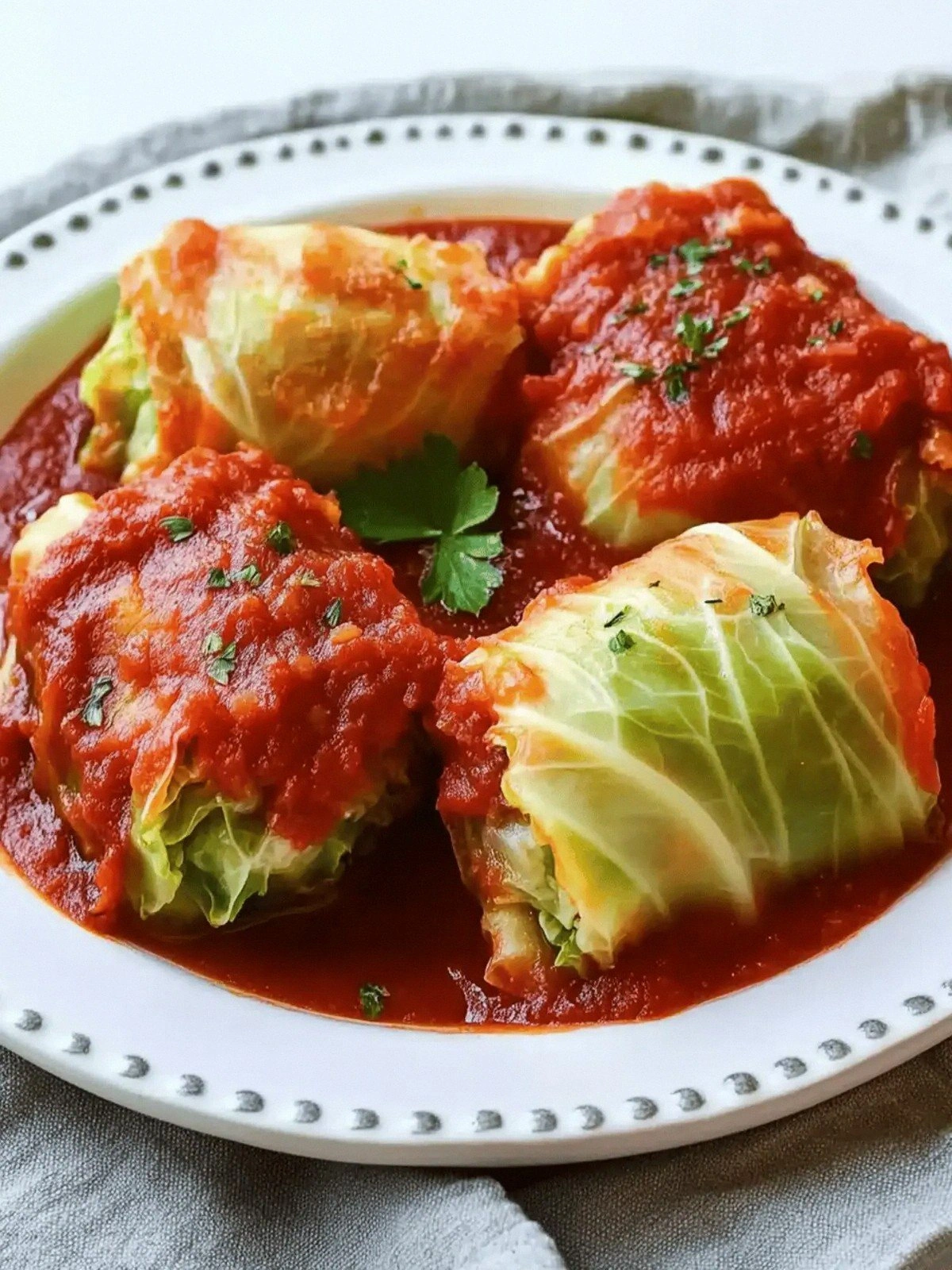
- Arrange the rolls seam‑side down in a single layer in a baking dish. Pour the remaining sauce over the rolls, making sure each roll is coated. This will create a glossy glaze that caramelizes during baking.
- Cover the dish tightly with foil and bake at 350°F (175°C) for 30 minutes. After 30 minutes, remove the foil and bake for an additional 10 minutes, or until the sauce has thickened into a shiny glaze and the edges of the rolls have a slight char.
- Once baked, allow the rolls to rest for 5 minutes before serving. This resting period lets the juices redistribute, ensuring each bite is juicy and flavorful. Slice the rolls on a diagonal for a visually appealing presentation.
That's it — you did it. But hold on, I've got a few more tricks that'll take this to another level...
Insider Tricks for Flawless Results
The Temperature Rule Nobody Follows
Many cooks bake at 400°F, but that temperature can dry out the filling. Stick to 350°F for a gentle bake that preserves moisture. If you prefer a crispier top, finish with a broil for 2 minutes, but watch closely to prevent burning.
Why Your Nose Knows Best
Before you remove the foil, give the dish a quick sniff. A pleasant, caramelized aroma indicates that the sauce has thickened properly. If it still smells watery, give it a few more minutes under the foil.
The 5‑Minute Rest That Changes Everything
Letting the rolls rest after baking allows the juices to settle. Cutting into them too quickly can cause a burst of liquid that spills over the plate. A short rest also lets the sauce thicken further, creating a glossy finish.
The Perfect Onion Technique
If you love onion flavor, consider caramelizing the onions in the skillet before adding the meat. This deepens the sweetness and adds a subtle depth that complements the tomato sauce.
The Quick Slice Trick
Use a serrated knife to slice the rolls. The sawtooth edge cuts through the cabbage and filling cleanly, preventing the rolls from tearing and preserving their structure.
Creative Twists and Variations
This recipe is a playground. Here are some of my favorite ways to switch things up:
Mediterranean Roll
Swap the pork sausage for ground lamb, and add chopped olives and feta cheese to the filling. Finish with a drizzle of tzatziki sauce for a refreshing twist.
Spicy Asian Roll
Replace paprika with a tablespoon of Sriracha and add minced ginger to the filling. Top the baked rolls with a sprinkle of sesame seeds and a splash of soy sauce.
Vegetarian Delight
Omit the meats and use a hearty mix of lentils, diced carrots, and mushrooms. The filling will still be rich and satisfying, with a comforting earthiness.
Low‑Carb Version
Replace minute rice with cauliflower rice and reduce the tomato sauce slightly. The result is a lighter, keto‑friendly dish that still packs a punch.
Holiday Twist
Add a handful of dried cranberries to the filling for a sweet‑savory holiday flavor. Finish with a sprinkle of chopped pecans for crunch.
Storing and Bringing It Back to Life
Fridge Storage
Store leftover rolls in an airtight container for up to 3 days. The sauce will keep the rolls moist, and the cabbage stays tender. For best results, cool the rolls to room temperature before refrigerating.
Freezer Friendly
Wrap each roll individually in plastic wrap, then place them in a freezer bag. They can be frozen for up to 2 months. Thaw overnight in the refrigerator before reheating.
Best Reheating Method
Reheat in the oven at 350°F for 15 minutes, or until heated through. Add a splash of water or broth before reheating to steam the rolls back to perfection. Finish with a quick broil for 2 minutes to revive the glaze.