I was halfway through a midnight ramen binge when the stove decided to go rogue, splattering soy sauce across the counter like a bad painting. I stared at the chaos, realizing that the only thing I needed was a quick, colorful fix that could be prepped in minutes yet taste like a five‑star restaurant. That moment sparked the birth of the Lo Mein Meal Prep: Quick, Colo—a dish that turns ordinary pantry staples into a vibrant, protein‑packed feast. I dare you to taste this and not go back for seconds.
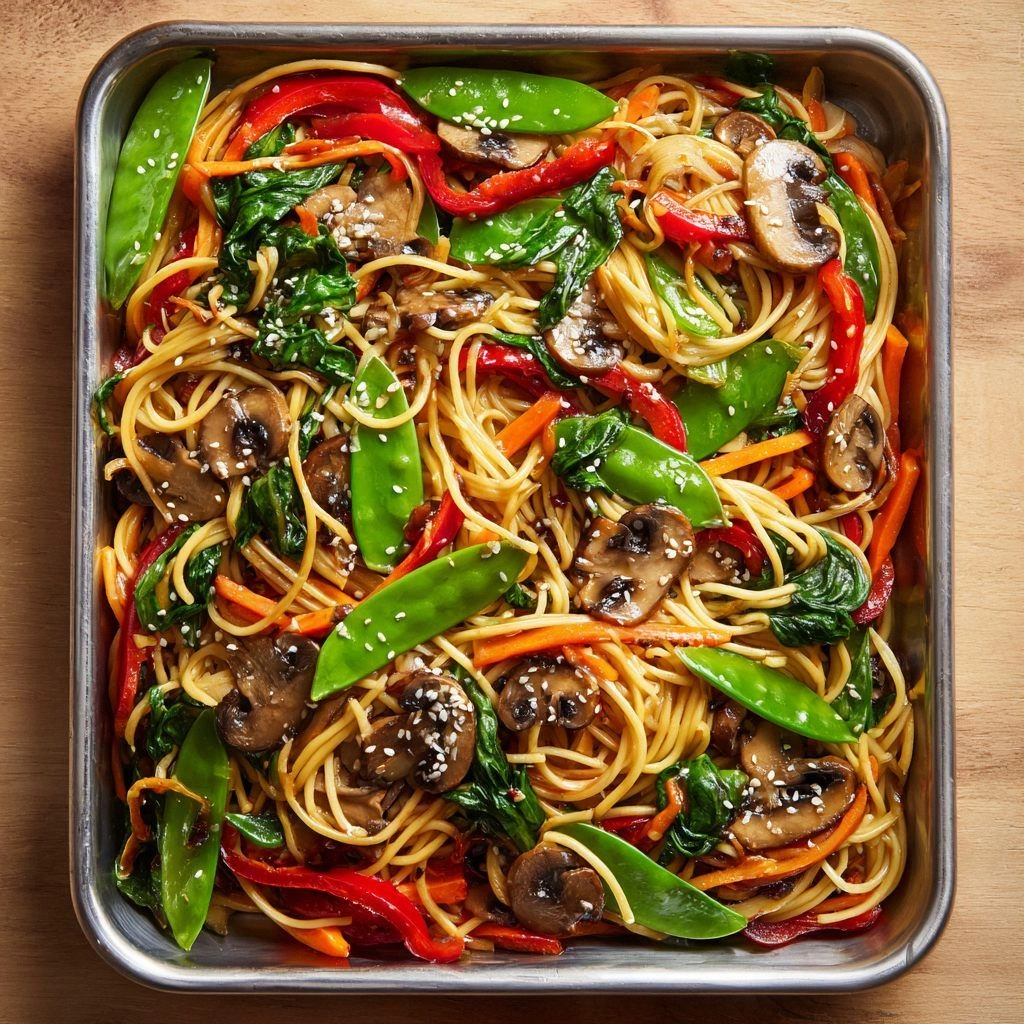
Picture the steam curling from a sizzling wok, the faint scent of garlic and ginger mingling with the sharp tang of soy sauce. The sound of vegetables crisping against the hot pan is like a drumbeat, urging you forward. When the noodles hit your tongue, they’re coated in a silky sauce that clings like velvet, each bite bursting with crunch from carrots, snow peas, and bell peppers. The final garnish of sesame seeds adds a nutty crunch that shatters like thin ice against your palate. If you’ve ever struggled with bland stir‑fries, you’re not alone—and this is the fix.
What makes this version stand out is the meticulous balance of flavors and textures: a sauce that’s both sweet and savory, veggies that stay crisp, and noodles that hold their bite. I’ve refined the technique to ensure every ingredient shines without overpowering the others. The result? A meal that’s not just quick but also a work of culinary art you’ll want to recreate every week. Stay with me here—this is worth it.
The secret? A dash of hoisin for depth, a splash of sesame oil for that nutty finish, and a quick cornstarch slurry to give the sauce that glossy sheen. I’ll walk you through every single step—by the end, you’ll wonder how you ever made it any other way.
What Makes This Version Stand Out
- Flavor: The sauce is a symphony of sweet, salty, and umami notes that coat each noodle strand like a velvet blanket.
- Texture: The vegetables retain a satisfying crunch, while the noodles stay al dente, preventing that dreaded mush.
- Speed: Prep takes 15 minutes, cook 30 minutes—perfect for a busy weekday lunch or dinner.
- Color: A rainbow of veggies turns a simple dish into a feast for the eyes.
- Protein Flexibility: Add tofu, shrimp, or chicken—this base adapts to any protein preference.
- Make‑Ahead Magic: Store in the fridge for up to four days or freeze for a longer shelf life.
Alright, let's break down exactly what goes into this masterpiece…
Inside the Ingredient List
The Flavor Base
Soy Sauce: The backbone of any good stir‑fry, it provides a salty depth that balances the sweetness of hoisin and oyster sauces. Skipping it would leave the dish bland, like a blank canvas. If you’re watching sodium, opt for a low‑sodium version; the result is still delicious.
Oyster Sauce: Adds a subtle brininess and thickness. Without it, the sauce would feel thin and watery. For a vegetarian version, use mushroom sauce as a perfect substitute.
Hoisin Sauce: Brings a sweet, slightly tangy undertone that elevates the overall profile. If you can’t find hoisin, a touch of honey mixed with a dash of vinegar can mimic its sweetness.
Sesame Oil: A finishing drizzle that gives the dish a nutty aroma and glossy sheen. A little goes a long way; too much can overpower the other flavors.
The Texture Crew
Noodles: Use high‑protein egg noodles for chewiness; if you’re vegan, swap for rice or soba noodles. Cook them al dente to avoid sogginess during storage.
Cornstarch Slurry: This simple mixture of cornstarch and water thickens the sauce to a silky consistency. If you forget to whisk it, the sauce will clump—don’t let that happen.
Vegetable Oil: High‑smoke‑point oil like peanut or canola works best for searing. It keeps the veggies from sticking and adds a subtle flavor.
The Unexpected Star
Ginger: Fresh grated ginger injects a bright zing that cuts through the richness of the sauce. If you’re out of fresh, a teaspoon of ginger paste works fine.
Garlic: The aromatic base that brings everything together. Too much can dominate; 2 cloves strike the right balance.
Sesame Seeds: Add a nutty crunch and a pop of color. They’re optional but elevate the dish.
The Final Flourish
Green Onions: Sprinkle them on top for a fresh, oniony bite that brightens the dish. They also add a pop of green that’s pleasing to the eye.
Optional Protein: Tofu, shrimp, or chicken can turn this into a hearty meal. If you’re vegetarian, tofu is the easiest switch.
Everything's prepped? Good. Let's get into the real action…
The Method — Step by Step
- Prep the Noodles: Bring a pot of salted water to a boil and cook the noodles according to package instructions until just al dente. Drain and rinse under cold water to stop the cooking process. Toss with a splash of sesame oil to prevent sticking. Let them sit while you tackle the veggies.
- Blanch the Vegetables: In a large pot of boiling water, quickly blanch broccoli, carrots, snow peas, and bell pepper for 30 seconds each. Immediately transfer them to an ice bath to preserve their bright colors and crispness. Drain and pat dry. This step keeps the veggies from becoming mushy during the stir‑fry.
- Make the Sauce: In a small bowl, whisk together soy sauce, oyster sauce, hoisin sauce, sesame oil, cornstarch slurry, and water. Keep the mixture smooth; any lumps will ruin the silky texture. Set aside.
- Heat the Wok: Place a high‑heat wok or skillet over medium‑high heat and add vegetable oil. Wait until the oil shimmers but isn’t smoking. This ensures a quick sear and prevents veggies from steaming.
- Sauté Aromatics: Add minced garlic and grated ginger to the hot oil. Stir constantly for 30 seconds until fragrant. Watch out: the oil can splatter—keep your face a safe distance.
That's it — you did it. But hold on, I've got a few more tricks that'll take this to another level…
Insider Tricks for Flawless Results
The Temperature Rule Nobody Follows
Many people cook at medium heat, which can cause veggies to steam rather than sear. I always set my wok to high heat, allowing the vegetables to crisp up in seconds. This small tweak elevates the dish from ordinary to extraordinary.
Why Your Nose Knows Best
Before adding the sauce, give the wok a sniff. If it smells slightly sweet, the sugars in the sauce are caramelizing properly. If it’s flat, you might need to increase the heat a bit.
The 5‑Minute Rest That Changes Everything
After cooking, let the dish rest for five minutes before plating. This allows the sauce to thicken naturally and the flavors to settle. The result? A more cohesive, mouth‑watering experience.
The Quick Toss
When adding the noodles, toss them vigorously for a few seconds to ensure even coating. A gentle stir can leave pockets of sauce that are too thick or too thin.
The Secret of Freshness
If you’re meal‑prepping, add a splash of water or broth when reheating. This re‑steams the noodles, preventing them from drying out. I’ve saved this trick for a week‑long lunch rotation.
Creative Twists and Variations
Spicy Sriracha Kick
Add a tablespoon of sriracha to the sauce for a fiery punch that complements the sweet undertones. This variation is perfect for heat lovers and pairs well with a cooling cucumber salad.
Mushroom Umami Boost
Replace the tofu with sautéed shiitake mushrooms. Their earthy flavor deepens the dish, making it a vegetarian favorite for mushroom aficionados.
Coconut Curry Twist
Swap the soy sauce for coconut aminos and add a tablespoon of red curry paste. The result is a creamy, aromatic bowl that transports you to Thai street food.
Mediterranean Flair
Use olive oil instead of vegetable oil, and finish with a squeeze of lemon juice. The citrus brightness brings a Mediterranean vibe to this Asian staple.
Breakfast Boost
Add a handful of scrambled eggs to the wok for a protein‑rich breakfast. The eggs absorb the sauce, creating a savory, satisfying morning meal.
Low‑Carb Version
Replace noodles with spiralized zucchini or shirataki noodles. The texture stays similar, and the carb count drops dramatically for keto or low‑carb dieters.
Storing and Bringing It Back to Life
Fridge Storage
Place the cooled lo mein in airtight containers, leaving a little space for expansion. Store in the fridge for up to four days. When ready to eat, microwave on high for 2 minutes, stirring halfway through.
Freezer Friendly
Divide the dish into freezer‑safe portions and seal tightly. Freeze for up to three months. Thaw overnight in the fridge, then reheat as described above.
Best Reheating Method
Add a splash of water or broth to the dish before reheating. This creates steam that restores the noodles’ softness and prevents them from drying out. A quick stir in a hot pan also helps re‑warm evenly.