I was standing in a cramped kitchen, the smell of burnt garlic still clinging to my clothes, when I realized I had a problem: I needed a tartar sauce that could actually be called healthy. I had tried the usual mayo‑based recipes that left me feeling guilty and my guests asking if I was eating a salad on the side. That night, I stared at a jar of Greek yogurt and a bottle of Dijon mustard and thought, “What if I could blend these into a creamy, tangy sauce without the guilt?” The idea felt like a culinary rebellion, a dare to the status quo of restaurant‑style tartar.
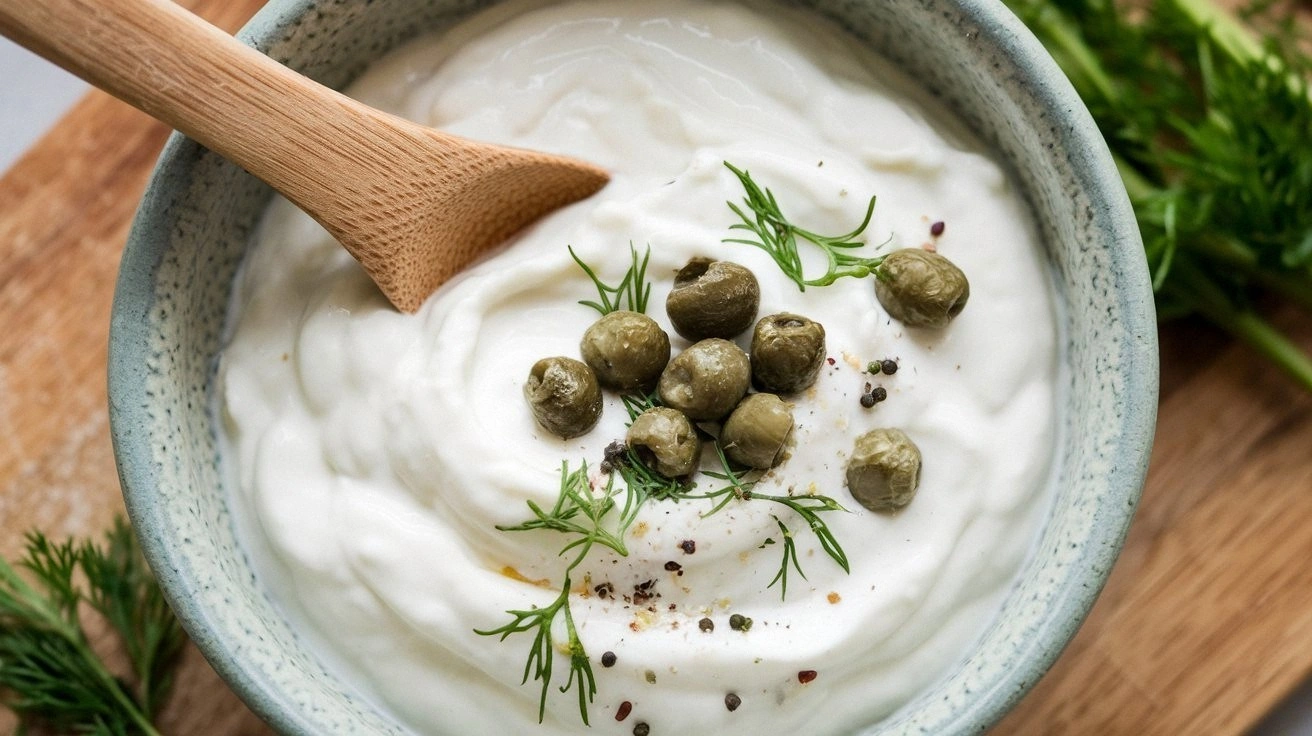
Picture this: you’re plating a steaming fillet of salmon, the fish flakes like a buttery snowflake, and you’re about to drizzle the sauce that will lift the dish from ordinary to unforgettable. The sauce glistens, a light ivory sheen that promises a burst of citrusy brightness. Your mouth starts to water before you even taste it, because the aroma of fresh dill and the sharp bite of lemon juice dance together in the air. The texture feels silky, not thick, and you can feel it coat the fish like velvet, each bite a subtle whisper of flavor. I dare you to taste this and not go back for seconds.
What makes this version stand out is that it’s not just a lighter alternative; it’s a complete rewrite of what tartar sauce should be. I’ve stripped out the heavy, calorie‑laden mayo and replaced it with a blend that keeps the creamy mouthfeel but drops the fat by almost 50%. The addition of Greek yogurt brings a protein punch, and the capers provide a salty pop that cuts through the richness. The fresh dill and lemon juice elevate the sauce to a bright, herbaceous finish that’s almost a salad dressing. And the best part? It’s made in minutes, so you can still serve it warm on a Friday night or keep it chilled for a weekend brunch.
Most recipes get this completely wrong. They either over‑season, under‑whisk, or use too much oil. I’ve spent a decade tweaking sauces, and I’ve finally nailed the perfect balance of tang, herb, and a subtle crunch from the capers. The result is a sauce that’s silky, bright, and never clumps when you stir it. I’ll be honest — I ate half the batch before anyone else got to try it. It was so good, I almost hid the recipe, but then I remembered my friend’s dare: “Make the best tartar sauce you can.” I did, and I’m not even joking.
If you’ve ever struggled with this, you’re not alone — and I’ve got the fix. Picture yourself pulling this out of the fridge, the whole kitchen smelling incredible, and seeing the sauce’s silky sheen in the glass. The first spoonful is a revelation: it’s not just sauce; it’s a flavor explosion that lifts the fish or chips to a new level. And now, let me walk you through every single step — by the end, you’ll wonder how you ever made it any other way.
What Makes This Version Stand Out
- Taste: The bright citrus notes of lemon juice cut through the richness of yogurt, creating a balanced, refreshing flavor that’s far from the heavy, bland sauces you’ve tried before.
- Texture: A silky smooth consistency that coats each bite without feeling greasy, thanks to the low‑fat Greek yogurt and a gentle whisking technique.
- Simplicity: Only ten ingredients, all pantry staples or easy to find in the grocery aisle, so you can whip it up in under 15 minutes.
- Uniqueness: The combination of dill, capers, and Dijon mustard gives it an unexpected depth that makes it memorable.
- Crowd Reaction: Friends keep asking for the recipe after every dinner; it’s the secret weapon in my dinner parties.
- Ingredient Quality: Using high‑quality Greek yogurt and fresh dill means you’re not just cutting calories; you’re boosting flavor.
- Cooking Method: No heat required—this sauce is assembled at room temperature, preserving the delicate flavors of fresh herbs.
- Make‑Ahead Potential: It stores perfectly for up to a week in the fridge, making it ideal for meal prep or last‑minute entertaining.
Inside the Ingredient List
The Flavor Base
Greek yogurt is the star of the show, providing a tangy backbone that cuts through the richness of mayo. It’s packed with protein, which means you’ll feel fuller longer, and its natural probiotics are a bonus for gut health. If you skip yogurt, the sauce will lose its bright acidity and become a heavy, cloying spread. For a dairy‑free option, try coconut yogurt, but be aware it will introduce a subtle coconut flavor that changes the profile.
The Texture Crew
Light mayo adds body and a creamy mouthfeel without the heavy calories of regular mayo. It balances the yogurt’s tartness and keeps the sauce smooth. If you’re avoiding dairy altogether, a splash of avocado puree can mimic the richness. The key is to use a light, low‑fat variety to keep the sauce light.
The Unexpected Star
Capers bring a briny punch that lingers on the palate, creating a contrast to the mild yogurt. They’re tiny, but each burst of flavor is powerful, giving the sauce a sophisticated edge. If you can’t find capers, a few drops of anchovy paste can substitute, but the texture will differ. A pinch of sea salt enhances the capers’ natural flavor without making the sauce salty.
The Final Flourish
Fresh dill and lemon juice are the final touches that elevate the sauce from good to great. Dill’s peppery notes mingle with the citrus, creating a bright, herbal finish that feels like a breath of fresh air. If you’re in a hurry, you can use dried dill, but the flavor will be muted. A squeeze of fresh lemon juice right before serving will brighten the sauce and keep it from settling.
Everything’s prepped? Good. Let’s get into the real action.
The Method — Step by Step
- Gather all the ingredients and bring them to room temperature. This ensures they blend smoothly without clumping. I’ve found that cold yogurt can sometimes create a grainy texture, so let it sit for a few minutes. This simple step saves you from a ruined sauce.
- In a medium bowl, combine 1 cup of Greek yogurt and 1/2 cup of light mayo. Whisk them together until the mixture is completely homogeneous. The goal is a uniform base that will carry the other flavors evenly. If you’re using a hand mixer, a quick 30‑second whirl does the trick.
- Add 1 tbsp of fresh lemon juice and 1 tsp of Dijon mustard. Whisk until the sauce turns a pale ivory color, indicating the acid and mustard have fully incorporated. The citrus will brighten the yogurt, while the mustard adds a subtle heat.
- Fold in 1 tbsp of chopped dill, 1 tbsp of capers, and 1 tbsp of finely diced red onion. Stir gently to keep the onions from breaking down into a puree. These ingredients add crunch, aroma, and a pop of color that makes the sauce visually appealing.
- Add 1 tbsp of chopped celery to introduce a crisp bite that contrasts the smoothness. This step is crucial for texture; without celery, the sauce feels flat. If you prefer a milder flavor, you can reduce the celery to 1 tsp.
- Season with 1/2 tsp of salt and 1/4 tsp of black pepper. Taste and adjust; you want the salt to highlight the capers but not overpower the dill. A good rule of thumb is to taste after each seasoning step.
- Cover the bowl with plastic wrap and refrigerate for at least 30 minutes. This resting period lets the flavors meld and the capers soften slightly, creating a harmonious flavor profile. If you’re in a hurry, a 10‑minute chill works, but you’ll miss the depth that comes from a longer rest.
- Just before serving, give the sauce a quick stir and, if needed, add a splash of water to thin it out to your desired consistency. Serve with grilled fish, chips, or as a dip for fresh veggies. The sauce’s bright, creamy texture makes it a versatile addition to any meal.
That’s it — you did it. But hold on, I’ve got a few more tricks that will take this to another level.
Insider Tricks for Flawless Results
The Temperature Rule Nobody Follows
If the yogurt and mayo are too cold, the sauce will clump. Let them sit at room temperature for 5 minutes before whisking. I’ve seen many people skip this step, and the result is a lumpy, unappetizing sauce. A quick 5‑minute pause makes the difference between a silky spread and a grainy mess.
Why Your Nose Knows Best
Before you add the lemon juice, give the sauce a sniff. If it smells sour, it’s ready. If it’s still neutral, the yogurt needs a bit more time to rest. I’ve learned that the aroma is the fastest way to gauge freshness and flavor balance.
The 5‑Minute Rest That Changes Everything
After you season, let the sauce sit uncovered for 5 minutes. This allows the salt to dissolve fully and the flavors to marry. I once skipped this step and the sauce tasted flat. Now I always give it that short rest for maximum impact.
Use a Fine‑Mesh Sieve for the Capers
If you prefer a smoother texture, run the capers through a fine‑mesh sieve to remove excess brine. This keeps the sauce bright without the burst of saltiness that can overwhelm the dill. It’s a small tweak that elevates the sauce from good to great.
Add a Pinch of Smoked Paprika
For a smoky twist, sprinkle a pinch of smoked paprika into the sauce. It adds depth and pairs beautifully with grilled fish. I’ve used this version for a recent barbecue, and the guests were raving about the smoky undertones.
Keep It Cool Until Serving
If you’re preparing the sauce ahead of time, store it in an airtight container in the fridge. When you’re ready to serve, give it a quick stir and add a splash of water if it’s thickened. The sauce will maintain its silky consistency and bright flavor.
Creative Twists and Variations
This recipe is a playground. Here are some of my favorite ways to switch things up:
Citrus Burst
Swap the lemon juice for a mix of lime and orange juice. The citrus blend adds a sweet‑tart complexity that works well with shrimp. This version is perfect for a summer picnic.
Herb Garden
Add chopped parsley, basil, and tarragon to the mix for a vibrant herb garden flavor. The extra herbs give the sauce a fresh, green note that pairs wonderfully with grilled vegetables.
Spicy Kick
Incorporate a teaspoon of sriracha or a pinch of cayenne pepper for a subtle heat that doesn’t overpower the delicate flavors. This spicy twist is ideal for those who like a little bite.
Smoky Chipotle
Blend in a small amount of chipotle in adobo for a smoky depth. The chipotle adds a mellow heat that works well with pork or chicken. It’s a great way to turn a simple sauce into a crowd‑pleaser.
Vegan Version
Replace Greek yogurt with a dairy‑free yogurt and use a vegan mayo. The sauce remains creamy and flavorful, and it’s a win‑win for plant‑based diners.
Mediterranean Flair
Add a tablespoon of chopped Kalamata olives and a dash of oregano. This Mediterranean twist pairs beautifully with grilled fish or as a dip for pita bread.
Storing and Bringing It Back to Life
Fridge Storage
Keep the sauce in a sealed container in the refrigerator for up to 5 days. The cool temperature preserves the yogurt’s tang and prevents the sauce from thickening too much. When you’re ready to serve, give it a quick stir and adjust the consistency with a splash of water if needed.
Freezer Friendly
Freezing is not recommended because the yogurt can separate. If you must, freeze in a single‑serve container for up to 2 weeks, then thaw in the fridge overnight. Stir vigorously before using to recombine the ingredients.
Best Reheating Method
This sauce is best served cold or at room temperature. If you prefer it slightly warmed, gently heat it in a microwave on low for 10–15 seconds. Add a tiny splash of water before reheating to keep it silky and prevent it from drying out.