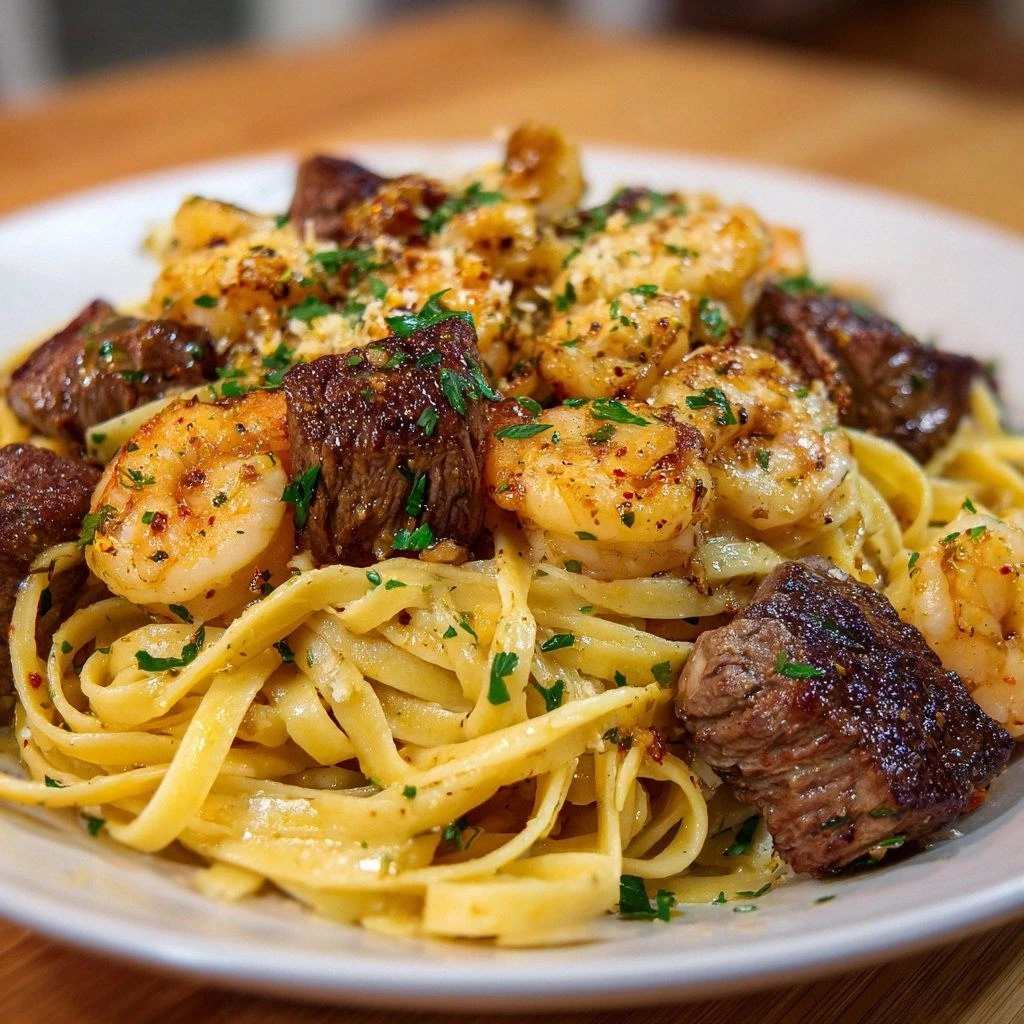
Picture this: you’re in a cramped kitchen, the air thick with the scent of garlic and sizzling steak, and you’ve just opened a bag of shrimp that looks like it’s been on a vacation. A friend dared you to make the ultimate garlic butter steak & shrimp pasta, and you decided to take the plunge. The moment that first sizzle hits the pan, your heart races—like a drumbeat in a jazz club—because you know you’re about to create something that will make your taste buds do a happy dance.
There’s nothing quite like the way the butter melts into a glossy, golden pool, coating the steak and shrimp as they caramelize. The aroma is intoxicating: buttery, garlicky, with a hint of citrus that makes the whole kitchen feel like a summer balcony. The sound of the steak searing is a satisfying hiss, and the visual of the shrimp turning from translucent to a vibrant pink is a cue that the magic is happening. You can almost taste the subtle peppery bite and the gentle crunch of the pasta before you even take a bite.
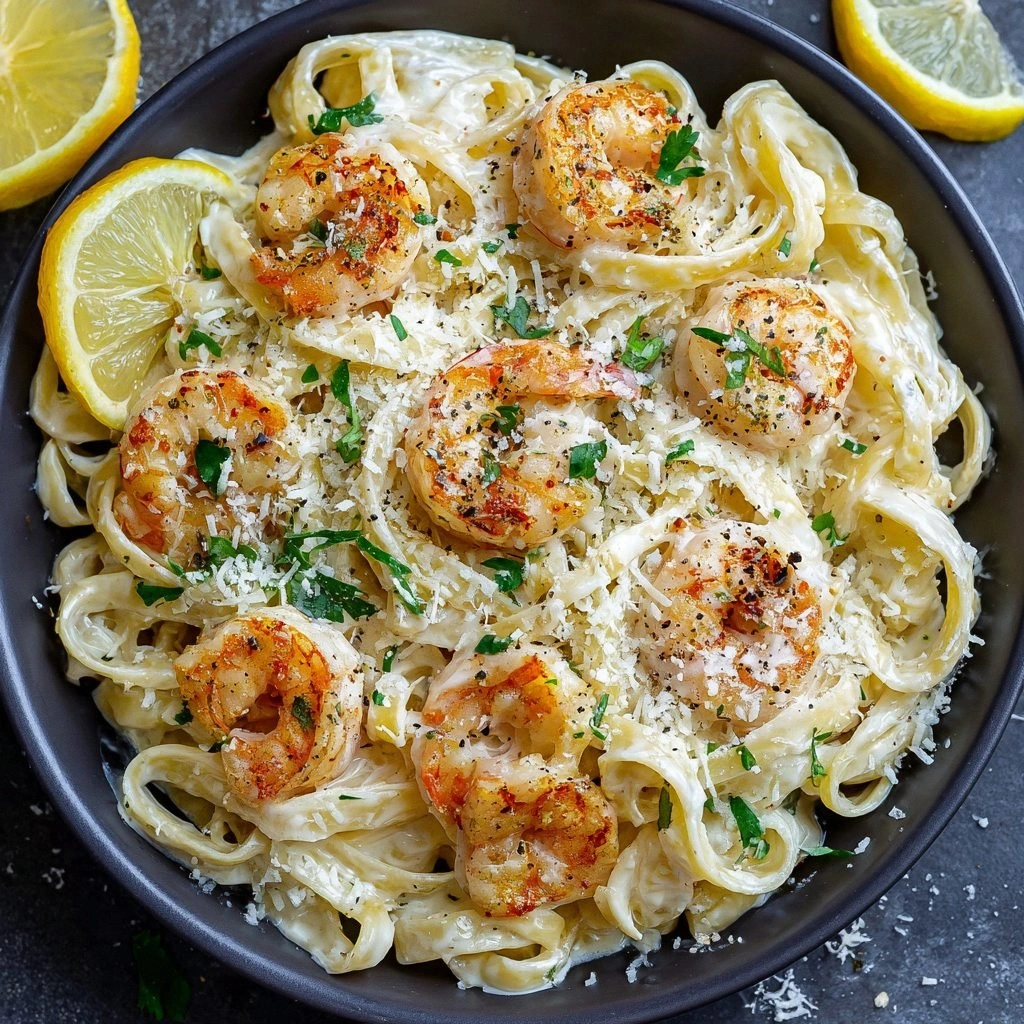
What makes this version stand out is that it’s not just a recipe—it’s a carefully balanced orchestra of flavors and textures. The steak is cut thinly to ensure it stays tender and doesn’t overcook, while the shrimp are sautéed just long enough to preserve their natural juiciness. The sauce, a buttery garlic emulsion with a splash of white wine and a squeeze of lemon, coats the pasta like velvet, turning an ordinary dinner into a culinary headline. And the finishing touch of fresh parsley and grated Parmesan adds a bright, nutty finish that elevates the dish from good to unforgettable.
Now, I dare you to taste this and not go back for seconds. I’ll be honest—when I first tried it, I ate half the batch before anyone else got a chance to try a bite. Most recipes get this completely wrong, either by overcooking the shrimp or under-seasoning the steak. But here, the sauce is balanced, the proteins are perfectly seared, and the pasta is al dente, creating a dish that feels like a restaurant‑level feast at home. Picture yourself pulling this out of the pan, the whole kitchen smelling incredible, and everyone’s eyes widening at the glossy, golden surface.
What Makes This Version Stand Out
- Flavor: The sauce is a harmonious blend of butter, garlic, and lemon that creates a rich, buttery coating while the citrus keeps it bright and lively.
- Texture: Steak is thinly sliced for maximum tenderness; shrimp stay plump, and pasta stays al dente, giving a satisfying bite in every forkful.
- Simplicity: Only a handful of ingredients and a single pan—no need for elaborate steps or fancy tools.
- Uniqueness: The addition of a splash of white wine and a pinch of red pepper flakes adds depth without overwhelming the palate.
- Crowd Reaction: Friends rave about the buttery finish and the balance between protein and carbs—perfect for dinner parties.
- Ingredient Quality: Fresh, high‑grade steak and shrimp are key; the quality of butter and olive oil also make a noticeable difference.
- Cooking Method: One‑pan technique saves time and clean‑up, yet delivers a restaurant‑style flavor.
- Make‑Ahead Potential: The dish can be prepped the night before and reheated without losing its silky sauce.
Alright, let’s break down exactly what goes into this masterpiece…
Inside the Ingredient List
The Flavor Base
At the heart of this dish is a buttery, garlicky sauce that binds everything together. Butter melts into a glossy, golden pool, creating a rich canvas for the garlic to bloom. The garlic, minced finely, releases its sharp, aromatic oils, turning the sauce into an irresistible scent that fills the kitchen. A splash of dry white wine deglazes the pan, picking up the caramelized bits and adding a subtle acidity that balances the richness. The lemon juice and zest punch the sauce with bright citrus notes, preventing it from feeling heavy.
Why it matters: A well‑balanced sauce is the difference between a good pasta and a memorable one. The acidity from the lemon and wine cuts through the buttery base, creating a layered flavor profile. Skipping the wine will make the sauce flatter; omitting the lemon will leave it too heavy. If you’re in a pinch, a dash of chicken broth can replace the wine, but the lemon will still be essential for brightness.
Swaps and alternatives: For a vegan version, use vegan butter and a splash of white wine or non‑alcoholic wine. If you’re allergic to garlic, use a garlic‑free garlic powder or omit it entirely; the sauce will still be rich, just a bit milder. The lemon can be replaced with lime for a slightly different citrus profile.
Buying tip: Choose a good quality, unsalted butter with a high butterfat content (80% or higher). It melts more smoothly and gives a richer flavor. If you’re using fresh garlic, look for cloves that feel firm and have a bright, white interior.
Everything’s prepped? Good. Let’s get into the real action…
The Texture Crew
Steak and shrimp are the stars of the show, and their textures need to be handled with care. Thinly sliced steak (about 1/8 inch thick) allows for quick searing and ensures it stays tender. The shrimp should be peeled and deveined, leaving the tails on for a dramatic presentation.
Why it matters: Over‑cooked steak becomes tough, while under‑cooked shrimp can be rubbery. By slicing the steak thinly, you reduce the cooking time and preserve its succulence. Shrimp, when sautéed just until pink, remain juicy and tender.
Swaps and alternatives: If you can’t find sirloin, flank steak or ribeye work well. For a plant‑based twist, use seared tofu or tempeh strips. If you prefer a milder flavor, use shrimp that are already deveined and peeled to reduce prep time.
Buying tip: Look for steak with a good marbling of fat; it adds flavor and keeps the meat juicy. For shrimp, choose ones that are fresh and have a firm texture—avoid ones that feel slimy or have a strong fishy odor.
The Unexpected Star
While steak and shrimp provide the protein, a handful of unexpected ingredients elevate the dish. Red pepper flakes add a subtle heat that complements the buttery sauce. Capers, with their briny bite, introduce a contrasting flavor that cuts through the richness.
Why it matters: A dash of heat and a touch of brininess create complexity, preventing the dish from feeling one‑dimensional. The capers also add texture, giving a pleasant pop when bitten into.
Swaps and alternatives: If you’re not a fan of heat, simply omit the red pepper flakes. For a different briny component, try anchovy paste or chopped olives. If you’re looking for a sweeter contrast, add a sprinkle of toasted pine nuts.
Buying tip: When buying capers, look for those packed in brine rather than oil; they’re less oily and retain their bright flavor.
The Final Flourish
Finishing touches turn a good dish into a great one. Fresh parsley, chopped finely, brings a burst of green color and a fresh, peppery aroma. Grated Parmesan cheese adds a nutty depth and a silky texture when melted into the sauce.
Why it matters: Parsley not only adds color but also lightens the richness, making the dish feel balanced. Parmesan, when sprinkled at the end, provides a creamy coating that ties all flavors together.
Swaps and alternatives: If you’re lactose intolerant, try a vegan parmesan made from nutritional yeast and nuts. For a different herb, basil or tarragon can replace parsley, each bringing its own distinct flavor.
Buying tip: Use fresh, bright green parsley for maximum flavor; avoid wilted or yellowing leaves. For Parmesan, choose a high‑quality, aged variety for deeper flavor.
The Method — Step by Step
Heat a large skillet over medium‑high heat. Add 3 tablespoons of olive oil, letting it shimmer but not smoke. Once hot, add the thinly sliced steak in a single layer, ensuring the pan doesn’t get overcrowded. Sear each side for 1–2 minutes until a golden crust forms, then remove the steak to a plate and tent with foil to keep warm. The steak should feel firm to the touch but not tough.
In the same skillet, reduce the heat to medium and add 4 tablespoons of butter. Let it melt and turn a light golden brown, which signals that it’s ready for the garlic. Toss in the minced garlic, stirring constantly to prevent burning. The garlic should release its aroma within 30 seconds, turning translucent but not browned.
Now it’s time for the shrimp. Add the peeled and deveined shrimp to the skillet, arranging them in a single layer. Sauté for 2 minutes on each side until they turn pink and opaque. The shrimp should be tender but not rubbery.
Kitchen Hack: Flip shrimp gently with a spatula; if they stick, wait a few seconds before turning.Deglaze the pan with 1/4 cup of dry white wine, scraping up any browned bits from the bottom. Allow the wine to reduce by half, which concentrates its flavor and helps the sauce thicken slightly. This step also lifts the savory juices that cling to the steak and shrimp.
Add the cooked pasta (8 ounces of fettuccine or linguine) directly to the skillet, tossing it with the butter‑garlic mixture. Sprinkle in 1/2 teaspoon of red pepper flakes and 1 tablespoon of capers. Stir until the pasta is evenly coated.
Watch Out: Do not let the sauce become too thick; add a splash of pasta water if it clumps.Return the steak to the skillet, arranging it over the pasta. Pour in 1/2 cup of heavy cream (optional) and the juice of one lemon, whisking to combine. The sauce should be silky and glossy, coating the pasta like velvet. Let everything simmer together for 2 minutes, allowing the flavors to meld.
Season with salt and pepper to taste. Sprinkle 1/2 cup of grated Parmesan and 2 tablespoons of chopped parsley over the top. Toss gently to distribute the cheese and herbs evenly. The dish should look bright and inviting, with a golden sheen from the butter.
Serve immediately, spooning the buttery sauce over each forkful. Garnish with extra parsley or a wedge of lemon for an extra pop of color and flavor. The aroma will be irresistible, and the first bite will confirm your confidence.
Enjoy the rest of the night, knowing you’ve mastered a dish that’s both sophisticated and accessible. The next time you host, you can say, “This is hands down the best version you'll ever make at home.” And if someone asks for the secret, just smile and say you’re still experimenting.
That’s it — you did it. But hold on, I’ve got a few more tricks that will take this to another level…
Insider Tricks for Flawless Results
The Temperature Rule Nobody Follows
Cooking steak at the wrong temperature can ruin the entire dish. A quick test: place a piece of steak in a glass of cold water; if it sinks, the pan is too hot. Keep the skillet at medium‑high for searing, then lower to medium for the sauce. If you’re using a gas stove, aim for a steady flame that produces a steady, gentle hiss.
Why Your Nose Knows Best
Before adding the lemon juice, give the sauce a quick sniff. A bright, citrusy aroma means the acidity is balanced. If it smells too buttery, let the sauce simmer a bit longer to evaporate some of the butter. Trust your nose—it’s the best judge of flavor.
The 5‑Minute Rest That Changes Everything
After removing the steak from the pan, let it rest for 5 minutes on a cutting board. This allows the juices to redistribute, ensuring each bite is juicy. If you skip this step, you’ll end up with a dry steak that’s hard to enjoy.
Use Pasta Water Wisely
Reserve a cup of pasta water before draining. If the sauce becomes too thick, add a splash of this starchy water to thin it out and help the sauce cling to the pasta. The starch also helps the sauce adhere better, giving that silky coating you love.
Finish with Fresh Herbs
Adding herbs at the end preserves their bright flavor and color. If you add parsley or basil too early, they can wilt and lose their vibrant green hue. Toss them in just before serving for a fresh burst of aroma.
Don’t Over‑Season Early
Salt the steak and shrimp after searing, not before. Salting too early can draw out moisture, leading to a dry protein. Season just before serving to keep the proteins juicy and flavorful.
Creative Twists and Variations
This recipe is a playground. Here are some of my favorite ways to switch things up:
Spicy Cajun Version
Swap the red pepper flakes for a tablespoon of Cajun seasoning. Add sliced bell peppers and a splash of hot sauce for a smoky, spicy kick that pairs beautifully with the buttery sauce.
Italian Herb Fusion
Replace parsley with a mix of fresh basil, oregano, and thyme. Add sun‑dried tomatoes for a burst of umami, and finish with a sprinkle of pine nuts for crunch.
Seafood‑Only Delight
Omit the steak entirely and double the shrimp. Add a handful of mussels or clams to the pan for a briny, oceanic flavor. The sauce will be lighter but still rich.
Low‑Carb Twist
Swap the pasta for zucchini noodles or shirataki noodles. The dish stays low in carbs while still offering the same buttery, garlicky experience.
Vegan Take‑Away
Use seared tofu or tempeh instead of steak, and replace butter with coconut oil or vegan butter. Add a splash of soy sauce for depth, and use a plant‑based cheese alternative.
Breakfast‑Inspired Variation
Serve the sauce over scrambled eggs instead of pasta. Sprinkle with chives and a dash of smoked paprika for a hearty, protein‑rich breakfast that feels indulgent.
Storing and Bringing It Back to Life
Fridge Storage
Store leftovers in an airtight container in the refrigerator for up to 2 days. The sauce may thicken slightly, so keep a splash of pasta water on hand for reheating.
Freezer Friendly
Cool the dish completely before freezing. Store in a freezer‑safe container for up to 2 weeks. Thaw overnight in the refrigerator before reheating.
Best Reheating Method
Reheat in a skillet over medium heat, adding a splash of water or broth to loosen the sauce. Stir gently until heated through and silky. A tiny splash of water before reheating steams the dish back to perfection, restoring its original texture.