I still remember the night I tried to make a “simple” quinoa bowl and ended up with a culinary disaster that smelled like burnt cardboard and tasted like regret. I was in a hurry, the stove was on too high, and I tossed quinoa straight into a pot of boiling water without broth. The grains turned into a mushy, flavorless mess, and the only thing that salvaged the plate was a handful of dried cranberries I threw in for luck. That experience taught me that a grain bowl is only as good as the foundation you build it on, and that foundation can be transformed with a few intentional choices.
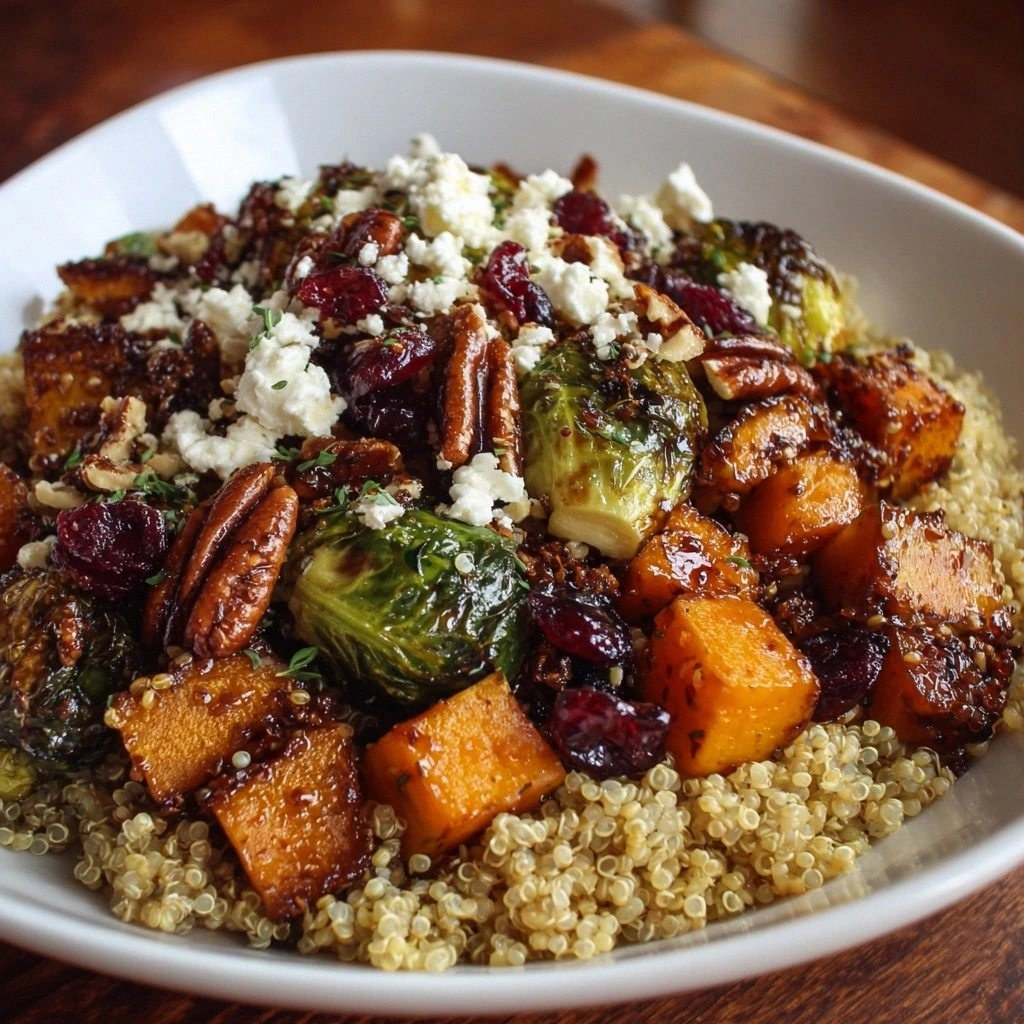
Picture this: a warm, golden butternut squash that melts on your tongue, a cluster of Brussels sprouts that crackle like fresh snow under a hot pan, and a bed of fluffy quinoa that feels like a cloud you can eat. The aroma that rises from the oven is a blend of caramelized sweetness and earthy spice, while the gentle clink of the spoon against the bowl is music to my ears. The first bite is a symphony—sweet, savory, tangy, crunchy—all wrapped in a comforting hug that feels like a cozy blanket on a crisp fall morning.
What makes this version stand out? It’s not just the ingredients; it’s the way I orchestrate them. I use vegetable broth to cook the quinoa, giving it a depth that plain water can’t match. I roast the vegetables at a high heat so they caramelize on the edges while staying tender inside. I drizzle maple syrup over the roasted veggies for a subtle sweetness that doesn’t overpower. I finish with a splash of olive oil and a sprinkle of feta for creaminess and a tangy counterpoint. I dare you to taste this and not go back for seconds.
If you’ve ever struggled with bland grain bowls, you’re not alone—my friend tried the same recipe last week and said the quinoa was as dry as a desert. I’ve got the fix: cook it in broth, add a dash of salt, and finish it with a handful of fresh herbs. The result is a bowl that feels like a full meal, not a side dish. This is hands down the best version you'll ever make at home. And trust me, once you taste the caramelized butternut squash, you’ll never go back to the plain, boring bowl again.
Picture yourself pulling this out of the oven, the whole kitchen smelling incredible, and the bowls glistening with a glossy maple glaze. The colors are a celebration of fall—burnt orange, deep green, ruby red. The textures range from silky quinoa to crunchy pecans, to the velvety feta that melts into pockets of salty cream. The moment you take a bite, you’re transported to a cozy cabin with a fire crackling, and you’ll wonder why you ever cooked anything else. Let me walk you through every single step — by the end, you'll wonder how you ever made it any other way.
What Makes This Version Stand Out
Flavor: The use of vegetable broth as a cooking liquid infuses the quinoa with a savory backbone that elevates the entire dish. It’s like giving the grains a secret handshake with the rest of the ingredients.
Texture: Roasting the butternut squash and Brussels sprouts at 400°F creates a caramelized exterior that shatters like thin ice when you bite, while the interior remains silky. This contrast keeps each spoonful exciting.
Visual Appeal: The vibrant colors of orange, green, and red make the bowl a feast for the eyes before the first bite, turning a simple meal into an Instagram-worthy masterpiece.
Balance: Sweet maple syrup, tart dried cranberries, salty feta, and crunchy pecans create a harmonious balance that satisfies every taste bud.
Make‑Ahead Friendly: The quinoa can be cooked ahead and stored, the roasted veggies keep well, and the dressing can be mixed in advance. This makes it a perfect weeknight dinner or a party starter.
Ingredient Quality: Choosing organic, locally sourced produce when possible adds depth and reduces environmental impact—your bowl will taste better and feel better.
Versatility: Swap out quinoa for farro or barley, or switch feta for goat cheese. The core technique remains, and the dish adapts to your pantry.
Alright, let's break down exactly what goes into this masterpiece…
Inside the Ingredient List
The Flavor Base
Quinoa is the star of the show—a protein-packed grain that’s naturally gluten-free and high in fiber. It acts like a sponge, absorbing the savory vegetable broth and the subtle sweetness of maple syrup. If you skip quinoa, the bowl loses its hearty backbone, turning into a salad of vegetables with no substantial texture. For a twist, try using wild rice or barley for a nuttier, chewier bite.
The Texture Crew
Brussels sprouts and butternut squash bring the crunch and creaminess that contrast beautifully. The Brussels sprouts are halved to expose more surface area, allowing them to crisp up and caramelize. Butternut squash, diced into bite-sized cubes, absorbs the maple glaze and turns silky inside while staying firm outside. If you prefer a softer texture, roast the Brussels sprouts for a shorter time or sauté them instead.
The Unexpected Star
Dried cranberries are the sweet punch that brightens the bowl. They burst with juice when you bite into them, adding a festive, tart counterpoint to the savory elements. If you’re not a fan of cranberries, raisins or dried apricots will work, though they bring a slightly different flavor profile. Remember, the cranberries also add a pop of color that makes the dish more appealing.
The Final Flourish
Pecans provide a nutty crunch that elevates the texture, while feta cheese offers a creamy, tangy finish that cuts through the sweetness. Olive oil is the secret weapon that helps the veggies roast evenly and brings a silky finish to the quinoa. A drizzle of maple syrup ties all the flavors together, creating a subtle glaze that glistens on the bowl. Salt and pepper are essential to bring out the natural flavors of each ingredient. If you’re watching sodium, use low-sodium broth and reduce the salt to taste.
Everything's prepped? Good. Let's get into the real action…
The Method — Step by Step
- Begin by preheating your oven to 400°F (200°C). While the oven heats, rinse 1 cup of quinoa under cold water until the water runs clear. This removes the natural saponin bitterness and gives the grains a cleaner taste. In a medium saucepan, combine the rinsed quinoa with 2 cups of vegetable broth. Bring to a boil, then reduce to a simmer, cover, and let it cook for 15 minutes or until the liquid is absorbed. Fluff with a fork and set aside.
- Dice 2 cups of butternut squash into 1/2‑inch cubes, and halve 2 cups of Brussels sprouts. Toss the vegetables in 2 tablespoons of olive oil, 1 tablespoon of maple syrup, 1/2 teaspoon of salt, and 1/4 teaspoon of black pepper. Spread them in a single layer on a parchment‑lined baking sheet. The even spacing ensures the veggies roast uniformly and develop a caramelized crust. Roast in the preheated oven for 20 minutes, stirring halfway through.
- While the veggies are roasting, sprinkle 0.5 cup of dried cranberries and 0.5 cup of chopped pecans over the baking sheet. The cranberries will caramelize slightly, and the pecans will toast to a golden crunch. Return the sheet to the oven for an additional 5 minutes, or until the cranberries are plump and the pecans are fragrant.
- Once the veggies are roasted, remove the tray from the oven. The vegetables should have a caramelized crust with a hint of sweetness and a gentle crunch. Let them cool for a minute before transferring them to a large mixing bowl. The residual heat will keep them warm for the next steps.
- Add the cooked quinoa to the bowl with the roasted vegetables. Gently fold in 0.5 cup of crumbled feta cheese, allowing it to melt slightly into the warm quinoa. The feta adds a creamy tang that balances the maple sweetness and the earthy vegetables.
- Taste the mixture and adjust seasoning if needed. If you prefer a saltier bowl, add a pinch more salt; for more peppery heat, sprinkle a bit more black pepper. This is the moment of truth—your bowl should have a harmonious blend of sweet, savory, and tangy.
- Serve the grain bowl hot, topped with an extra sprinkle of pecans and a drizzle of maple syrup for that glossy finish. If you’re serving guests, you can set up a toppings bar with extra feta, cranberries, or even a splash of balsamic reduction for those who like a tangy kick. And there you have it—your Fall Harvest Grain Bowls are ready to be devoured.
That's it — you did it. But hold on, I've got a few more tricks that'll take this to another level…
Insider Tricks for Flawless Results
The Temperature Rule Nobody Follows
Many people roast veggies at a lower temperature, but the secret to that caramelized crunch is 400°F (200°C). The high heat sears the sugars, creating a caramelized crust that tastes like a caramel candy bar. If you’re using a convection oven, reduce the temperature by 25°F to avoid over‑browning.
Why Your Nose Knows Best
The aroma of roasting maple‑glazed butternut squash is a powerful cue that the veggies are perfectly caramelized. Trust your nose—when the scent is sweet and nutty, you’re ready to pull them out. If the smell leans too much toward burnt, pull them out sooner.
The 5‑Minute Rest That Changes Everything
After roasting, let the veggies rest for exactly five minutes. This brief pause allows the steam to redistribute, making the inside tender while preserving the crunchy exterior. A friend once skipped this step and the veggies were soggy—lesson learned.
The Feta Factor
Feta adds a creamy tang that cuts through the maple sweetness. If you’re dairy‑free, try a sprinkle of nutritional yeast or a drizzle of tahini for a similar umami burst. The key is to add it while the bowl is still warm so it melts slightly.
The Quick Pickle Boost
A quick pickle of red onion adds a bright acidity that balances the richness. Slice 1/4 cup of red onion thinly, toss with 1 tablespoon of apple cider vinegar, 1/2 teaspoon of sugar, and a pinch of salt. Let it sit for 10 minutes before adding to the bowl.
The Crunchy Garnish
Adding toasted pumpkin seeds or sunflower seeds on top gives an extra layer of crunch and a pop of color. Toast them in a dry skillet over medium heat until golden, then sprinkle over the finished bowl.
Creative Twists and Variations
This recipe is a playground. Here are some of my favorite ways to switch things up:
Mediterranean Twist
Swap feta for crumbled halloumi, add chopped kalamata olives, and finish with a drizzle of lemon‑yogurt sauce. The briny olives and citrusy yogurt give it a bright, Mediterranean vibe.
Asian Flair
Replace maple syrup with a splash of soy sauce and a drizzle of sesame oil. Toss in some sliced green onions, a pinch of toasted sesame seeds, and a squeeze of lime for a quick, Asian‑inspired bowl.
Vegan Powerhouse
Omit feta entirely and add a scoop of protein‑rich lentils or chickpeas. Top with a dollop of tahini‑lemon dressing and a sprinkle of nutritional yeast for extra flavor.
Sweet & Savory Breakfast
Serve the bowl over a bed of sautéed spinach, top with a sunny‑side‑up egg, and drizzle maple syrup over the whole thing for a breakfast that feels like dessert.
Pomegranate Pop
Replace dried cranberries with pomegranate seeds for a burst of tartness and a jewel‑like visual appeal. The pomegranate adds a refreshing crunch that pairs well with the sweet maple glaze.
Pumpkin Spice Upgrade
Add a pinch of pumpkin pie spice to the vegetable mix before roasting. The warm spices elevate the fall flavor profile, making the bowl feel like a holiday treat.
Storing and Bringing It Back to Life
Fridge Storage
Store the bowl in an airtight container for up to 4 days in the refrigerator. Keep the quinoa, roasted veggies, and toppings separate if you plan to reassemble later. This prevents the quinoa from absorbing moisture and becoming mushy.
Freezer Friendly
Freeze the cooked quinoa and roasted vegetables separately in freezer bags for up to 3 months. Thaw overnight in the refrigerator and reheat in a skillet with a splash of water or broth to restore moisture.
Best Reheating Method
Reheat in a skillet over medium heat, adding a tablespoon of water or broth to create steam. This technique keeps the quinoa fluffy and the veggies crisp. A tiny splash of water before reheating steams the bowl back to perfection.