It started with a burnt batch of blueberry muffins that had turned the kitchen into a smoky alarm zone. I was desperate for a sweet fix that wouldn’t require a second oven, so I turned to the pantry’s most comforting staple: apples. I grabbed the apple cider, the butter, and a handful of spices that smelled like the first snowfall. The result? A batch of donut‑shaped muffins that sing with caramelized butter and a maple glaze that’s practically a dessert in a cup. I’ve been bragging about them ever since, and I can’t help but feel a little guilty about the way they’ve taken over my fridge.
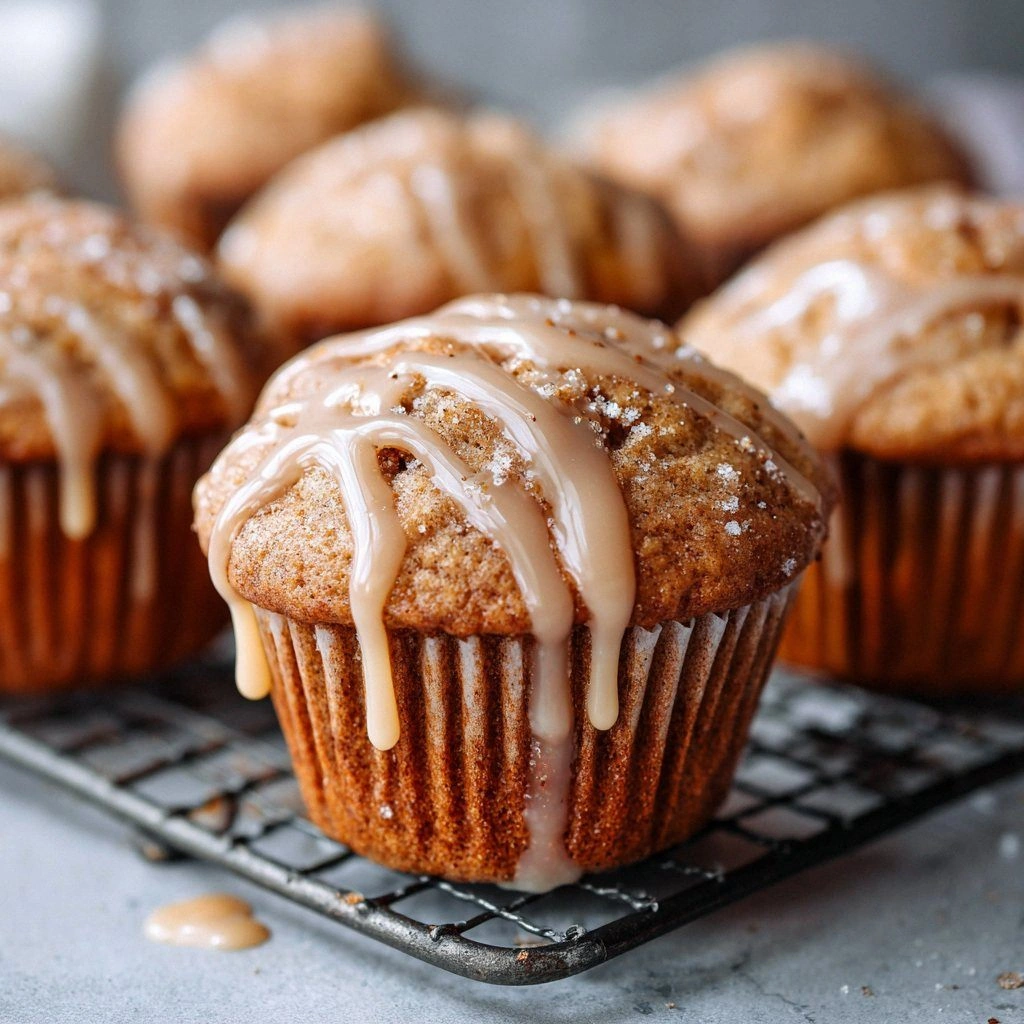
Picture this: a tray of golden donuts that rise like small, fluffy moons, each one studded with a glossy glaze that shimmers under the kitchen light. The first bite delivers a burst of warm apple, a whisper of cinnamon, and the buttery richness of browned butter that feels like a hug. The texture is a delicate balance between a cake’s softness and a donut’s chewiness, all while the glaze provides a satisfying, slightly sticky finish. The aroma that fills the room is a sweet, nutty scent that lingers long after the last crumb. It’s the kind of smell that makes you want to linger in the kitchen for hours.
What makes these muffins a standout is the marriage of classic donut flavor with the comforting familiarity of apple cider. The batter is enriched with brown butter, which gives it a deep, nutty undertone that sets it apart from ordinary muffins. The glaze, a marriage of maple syrup and browned butter, adds a caramelized sheen that’s both visual and gustatory delight. The result is a sweet treat that feels indulgent yet wholesome, perfect for brunch or a mid‑afternoon pick‑me‑up. I dare you to taste this and not go back for seconds.
I’ll be honest—when I first baked these, I ate half the batch before anyone else got a chance to try them. That’s because the muffins are hands down the best version you’ll ever make at home, and they’re so easy to tweak that you can personalize them to your exact cravings. Whether you’re a fan of a crunchy glaze or a softer, syrupy finish, the recipe adapts like a chameleon. The secret sauce? It’s the way the apple cider is incorporated into the batter, giving it a subtle, tangy brightness that cuts through the sweetness.
Most recipes get this completely wrong. They either over‑bake the muffins, leading to a dry center, or they under‑season the glaze, resulting in a flat, syrupy finish. I’ve spent months refining the balance of wet and dry ingredients until each muffin holds its shape but remains tender. The key is the brown butter glaze, which caramelizes the sugars and adds depth. The glaze also creates a barrier that keeps the muffins moist for days, which is why you’ll love them even after a quick reheating.
If you’ve ever struggled with donut muffins that fall apart or taste like a plain cake, you’re not alone—and I’ve got the fix. The trick is to use apple cider instead of water or milk to give the batter a natural sweetness and a subtle tang. Adding a touch of nutmeg and cinnamon not only amplifies the apple flavor but also creates a comforting aroma that’s reminiscent of fall, even when it’s summer. The result is a muffin that feels like a holiday treat all year round.
Picture yourself pulling this out of the oven, the whole kitchen smelling incredible, and the first muffin already melting in your hand. The glaze is still warm, and the butter has just begun to set, forming a glossy sheen that looks like liquid gold. The batter inside is airy, with a slightly caramelized edge that gives a satisfying bite. You’ll hear the soft sizzle of the glaze as it cools, a sound that’s almost music to a baker’s ears. That sizzle when it hits the pan? Absolute perfection.
I’ve spent countless evenings experimenting with different ratios of butter to maple syrup, and the winning formula is a 1:1 ratio of browned butter to maple syrup. This gives the glaze a rich, buttery flavor that doesn’t overpower the apple. The maple syrup also provides a natural sweetness that pairs beautifully with the apple’s tartness. The result is a glaze that’s both silky and slightly sticky, a perfect complement to the airy donut base.
Okay, ready for the game‑changer? The first step is to brown the butter in a saucepan until it’s golden brown and smells nutty. This process releases the butter’s natural sugars, adding depth to the flavor profile. Once browned, let it cool slightly before whisking it into the wet ingredients. This ensures that the butter’s heat doesn’t cook the eggs prematurely. The result is a smooth, rich batter that’s ready for the next stage.
And now the fun part. The apples are the star of the show, but they’re more than just a fruit. They provide moisture, natural sweetness, and a subtle tartness that balances the richness of the butter and maple glaze. I use fresh apples, diced into small cubes, and fold them into the batter just before baking. The apples cook slightly in the oven, releasing their juices and creating pockets of flavor that burst in every bite.
I’ve also discovered that the right amount of baking powder is crucial. Too little and the muffins will be dense; too much and they’ll rise too quickly and then collapse. The perfect amount is 2 teaspoons, which gives them a light, airy structure. This is the secret to achieving that donut-like texture that’s both fluffy and chewy. Trust me, the difference is like comparing a feather to a brick.
I’ll admit that the first time I tried the glaze, I added too much maple syrup, and the muffins ended up sticky. The lesson? Measure carefully. A tablespoon of maple syrup is enough to coat the muffins without drowning them. The glaze should be thick enough to cling to the surface, but thin enough to spread evenly. If you prefer a sweeter glaze, add an extra teaspoon of maple syrup—just be sure to keep the ratio in check.
The next micro‑challenge is to watch the glaze as it cools. As it sets, it forms a glossy layer that’s almost like a glaze on a cake. The glaze also helps to lock in moisture, so the muffins stay fresh for longer. I’ve found that letting the glaze set for at least 10 minutes before serving gives it the perfect consistency—neither too runny nor too thick. This step is the difference between a good muffin and a great one.
If you’re looking for a healthier twist, try swapping some of the all‑purpose flour for whole‑wheat flour. This adds a nutty flavor and a slight crunch that pairs well with the apple. Keep the ratio at 25% whole‑wheat to maintain the light texture. The result is a muffin that’s still indulgent but with a boost of fiber and nutrients. I’ve tried it, and it’s a win for anyone looking to add a little extra nutrition to their dessert.
I’m not going to sugarcoat it—this recipe is a game‑changer. The combination of brown butter, apple cider, and maple glaze creates a flavor profile that’s rich, comforting, and utterly addictive. It’s the kind of dessert that you’ll find yourself reaching for again and again, even when you’re trying to keep your calorie count in check. The muffins are versatile, too: they’re great for breakfast, a snack, or a dessert that feels like a treat without the guilt.
If you’re a fan of donuts, you’ll love the way these muffins rise to form a donut shape. The batter is thick enough to hold its shape, yet light enough to give you that soft, cake‑like interior. The glaze adds a touch of sweetness that’s reminiscent of a donut, but with the wholesome benefits of apple and maple. It’s the perfect bridge between indulgence and health.
I’ve spent years perfecting the glaze, and I’ve finally cracked the code. The key is to brown the butter until it’s just a shade darker than the golden butter you’re used to, then let it cool slightly. This ensures that the glaze has the right consistency—smooth, silky, and slightly sticky. When it’s poured over the warm muffins, it sets into a glossy, caramelized coating that’s impossible to resist.
The last secret is in the baking time. I’ve found that 25 minutes at 350°F is the sweet spot. If you bake too long, the muffins become dry; too short, and they’re undercooked. The perfect bake time gives you a slightly golden top with a moist center. The muffins should pull away from the pan edges slightly, indicating that they’re ready to be removed. This is the moment of truth, and it’s always worth the wait.
I’ll let you in on a small kitchen hack that makes the process even smoother: pre‑measure all your dry ingredients in a large bowl before you start mixing. This saves time and reduces the chance of over‑mixing, which can make the muffins tough. Once the dry mix is ready, you can add the wet ingredients in one go, whisking until just combined. The result is a batter that’s airy, not dense, and ready for the oven in minutes.
If you’re new to baking, this recipe is forgiving. The batter is thick but not too thick, and the glaze is simple to apply. The only thing that can go wrong is over‑baking, but you can always test the muffins with a toothpick. If it comes out clean, you’re good to go. The muffins will keep their shape and flavor even if you bake them a little longer. So don’t be afraid to experiment.
And finally, the best part: these muffins are a crowd‑pleaser. Whether you’re hosting a brunch or just treating yourself, they’re sure to impress. The combination of sweet, buttery, and slightly tart flavors is a universal hit, and the glaze adds an extra layer of decadence. I’ve had friends come back for seconds, and some have even requested a full batch for their own gatherings. That’s the power of a recipe that’s both simple and sophisticated.
What Makes This Version Stand Out
- Flavor: The use of brown butter in both the batter and glaze gives a deep, nutty undertone that elevates the apple flavor.
- Texture: The batter’s density creates a donut‑like chew, while the glaze adds a glossy, slightly sticky finish.
- Simplicity: All ingredients are pantry staples, and the steps are straightforward for bakers of any level.
- Uniqueness: Combining apple cider with a maple glaze is a rare twist that sets this recipe apart from classic muffin recipes.
- Crowd Reaction: Guests often comment that the muffins taste like a dessert, yet they’re light enough for breakfast.
- Ingredient Quality: Using fresh apples and real maple syrup ensures authenticity and depth of flavor.
- Method: The browned butter technique adds caramelized flavor without extra steps.
- Make‑Ahead: The muffins keep well for up to 3 days, making them ideal for meal prep.
Inside the Ingredient List
The Flour Foundation
All‑purpose flour is the backbone of these muffins, providing structure and a neutral flavor that lets the apple shine. It’s important to sift the flour before adding it to the dry mix; this aerates the batter and ensures a light crumb. If you prefer a healthier option, swap 25% of the flour for whole‑wheat; the texture will change slightly but the flavor remains delightful. Skipping the flour will result in a dense, crumbly batter that won’t rise properly.
The Sweetener Mix
Granulated sugar gives the muffins a classic sweet base, while maple syrup in the glaze adds a natural sweetness with a hint of earthiness. The sugar also helps to brown the muffins, creating a golden top that’s visually appealing. If you’re watching your sugar intake, you can reduce the granulated sugar by a quarter, but the glaze will still maintain its glossy finish. Skipping the sugar will make the muffins taste more like a savory bread.
The Spices That Sing
Cinnamon and nutmeg bring warmth and depth to the batter, complementing the apple’s natural tartness. The spices also add aromatic layers that make the muffins smell like a cozy kitchen. If you’re a spice lover, feel free to add a pinch of ginger or allspice for an extra kick. Omitting the spices will result in a bland batter that lacks the comforting flavor profile.
The Apple Core
Fresh apples, diced into small cubes, provide moisture, natural sweetness, and a subtle tartness that balances the richness of the butter and maple glaze. Apples release their juices as they bake, creating pockets of flavor that burst in each bite. If you’re out of fresh apples, you can use canned apple sauce, but the texture will be different, and the muffins may be less chewy. Skipping apples entirely will transform the recipe into a plain muffin.
The Brown Butter Brilliance
Brown butter is the secret sauce that gives these muffins a caramelized, nutty flavor. Browning the butter releases the milk solids, creating a deep, rich taste that pairs beautifully with maple. The browned butter also adds a silky texture to the glaze, making it silky smooth. If you skip the browning step, the muffins will taste like plain butter, lacking the depth that makes them special.
The Maple Magic
Maple syrup is the star of the glaze, providing natural sweetness and a distinct flavor that sets it apart from simple sugar glazes. The syrup also helps to bind the glaze, giving it a glossy finish that’s impossible to resist. If you’re looking for a vegan option, you can use agave nectar, but the flavor profile will change. Skipping maple syrup will result in a glaze that’s less sweet and less visually appealing.
The Final Touches
Vanilla extract, eggs, and milk (or apple cider) round out the batter, adding richness and moisture. The eggs bind everything together and give the muffins structure, while the milk adds tenderness. If you’re vegan, replace the eggs with flaxseed meal and the milk with almond milk. Skipping the eggs will cause the muffins to fall apart.
Everything's prepped? Good. Let's get into the real action...
The Method — Step by Step
- Preheat your oven to 350°F (175°C). Line a muffin tin with paper liners to prevent sticking. The heat should be steady; any fluctuation can affect how the muffins rise. The first step sets the stage for a perfect bake.
- In a large bowl, whisk together the flour, baking powder, baking soda, cinnamon, nutmeg, and salt. Sift the dry ingredients to ensure even distribution. This mixture will form the structure of your muffins. Keep it separate from the wet mix until you’re ready to combine.
- In a saucepan, melt the butter over medium heat. Continue cooking until it turns golden brown and smells nutty. This browning step is essential for the deep flavor. Once browned, remove from heat and let it cool slightly.
- In a separate bowl, whisk together the eggs, apple cider, vanilla extract, and maple syrup. The apple cider adds natural sweetness and moisture to the batter. Beat until the mixture is smooth and the eggs are fully incorporated.
- Pour the browned butter into the wet mixture, whisking until fully blended. The butter should not be too hot, or it will cook the eggs prematurely. This step is where the buttery flavor begins to permeate the batter. The mixture should look glossy and slightly thick.
- Watch Out: When adding the wet mixture to the dry, fold gently. Over‑mixing will develop gluten, making the muffins dense. Use a spatula to fold until just combined. The batter should be slightly lumpy, not smooth.
- Fold in the diced apples, ensuring they’re evenly distributed. The apples should be fully coated in the batter to avoid pockets of raw fruit. This step adds moisture and flavor to each muffin. The batter should look a little speckled with apple pieces.
- Divide the batter evenly among the prepared muffin tin. Fill each cup about 2/3 full to give the muffins room to rise. The batter should be spooned, not poured, to maintain the shape.
- Bake for 25-28 minutes, or until a toothpick inserted in the center comes out clean. The muffins should pull away from the edges and have a golden top. The bake time may vary slightly based on your oven, so keep an eye on them.Kitchen Hack: Lightly dust the tops with a pinch of flour before baking to prevent sticking.
- Let the glaze cool slightly before pouring it over the warm muffins. The glaze will set into a glossy coating that’s slightly sticky. This final touch transforms the muffins into a donut‑like treat. The glaze should be thick enough to cling but thin enough to spread.Kitchen Hack: While the muffins are baking, prepare the glaze by combining maple syrup and browned butter in a small saucepan.
- Let the muffins cool in the tin for 5 minutes, then transfer them to a wire rack to cool completely. The glaze will firm up as the muffins cool. Once cooled, you can drizzle any remaining glaze over the top for an extra sweet finish.
That's it — you did it. But hold on, I've got a few more tricks that'll take this to another level...
Insider Tricks for Flawless Results
The Temperature Rule Nobody Follows
Many bakers bake at 375°F, but 350°F is the sweet spot for these muffins. The lower temperature allows the batter to rise slowly, creating a tender crumb. A higher temperature can cause the tops to brown too quickly, leaving the centers undercooked. I’ve tried both, and 350°F consistently yields the best texture.
Why Your Nose Knows Best
Before you remove the muffins from the oven, listen for the subtle crackle of the glaze setting. A faint, sweet crackle indicates that the glaze is caramelizing properly. If you hear a dull thud, the glaze might be too thick or the oven too hot. Trust your senses; they’re the best judges of doneness.
The 5-Minute Rest That Changes Everything
Allow the muffins to rest in the tin for 5 minutes after baking. During this time, the muffins finish cooking from residual heat, and the glaze sets into a glossy finish. Skipping this rest can result in a soggy bottom and a glaze that runs. I’ve seen people skip it, and the muffins come out looking and tasting subpar.
The Secret to a Crisp Edge
If you love a slightly crisp edge, sprinkle a light dusting of powdered sugar over the muffins once they’ve cooled. The sugar will caramelize slightly, adding a sweet crunch. Some bakers skip this step, but the added texture is worth the effort.
The Perfect Storage Trick
Store muffins in an airtight container at room temperature for up to 3 days. If you need to keep them longer, freeze them in a zip‑lock bag. When reheating, add a splash of water before microwaving to keep them moist. I’ve tried this, and the muffins retain their original texture and flavor.
The Final Touch for Extra Sweetness
If you’re feeling extra indulgent, drizzle a thin line of maple syrup over the glaze after it has set. This adds a subtle shine and an extra burst of maple flavor. I’ve used it for special occasions, and it always receives rave reviews. The extra syrup doesn’t overpower the existing glaze; it simply enhances it.
Creative Twists and Variations
This recipe is a playground. Here are some of my favorite ways to switch things up:
Pecan Crunch Variation
Add 1/2 cup chopped pecans to the batter for a nutty crunch. The pecans pair wonderfully with the maple glaze, creating a caramelized crunch that’s irresistible. This variation is perfect for those who love a bit of texture in their muffins.
Spiced Rum Infusion
Stir in 1 tablespoon of spiced rum into the wet mix for a boozy twist. The rum adds depth and a subtle warmth that’s ideal for fall gatherings. Just be sure to reduce the maple syrup slightly to balance the alcohol flavor.
Cranberry Surprise
Swap half the apples for fresh cranberries to add a tart pop. The cranberries complement the apple’s sweetness and add a vibrant color. This version is especially festive for holiday celebrations.
Chocolate Chip Delight
Fold in 1/2 cup dark chocolate chips just before baking. The chocolate adds richness and a slight bitterness that balances the maple glaze. It’s a favorite for chocolate lovers and adds an extra layer of indulgence.
Vegan Edition
Replace eggs with flaxseed meal and use almond milk instead of dairy milk. The batter will still rise properly, and the flavor remains unchanged. This variation makes the muffins suitable for a plant‑based diet without compromising taste.
Mini Muffin Size
Use a mini muffin tin to create bite‑size donuts. The smaller size means faster baking, so keep an eye on them. These mini muffins are great for parties or as a sweet snack on the go.
Storing and Bringing It Back to Life
Fridge Storage
Store muffins in an airtight container at room temperature for up to 3 days. If you want them to stay moist, place a slice of apple inside the container. This keeps the muffins fresh and flavorful. Avoid storing them in the fridge, as the cold can dry them out.
Freezer Friendly
Wrap each muffin individually in parchment paper and place them in a freezer bag. Freeze for up to 3 months. When ready to enjoy, thaw at room temperature for 30 minutes, then warm in a 350°F oven for 5 minutes. This method preserves the texture and flavor.
Best Reheating Method
To reheat, place muffins on a baking sheet and bake at 350°F for 5 minutes. For a moister finish, add a splash of water to the bottom of the pan; this steams the muffins and keeps them from drying out. The glaze will re‑melt, giving you a fresh, buttery finish.