I was staring at a half‑ripe mango on my counter, feeling the heat of the summer sun and the pressure of a looming dinner party. The mango’s golden blush promised something sweet, but I wanted more than just a fruit salad. I’d been chasing that elusive crunch that turns a simple snack into a crowd‑pleaser, and I finally hit it with a burst of almond and a drizzle of honey. The moment the mango hit the pan, it released a scent that felt like a tropical sunrise, and the sound of the caramelizing edges was a low, satisfying hiss. This isn’t just another recipe; it’s the secret that will make your guests ask for seconds before they even taste the first bite.
Picture the kitchen: the countertop is a stage, the mango glistening like a jewel, the almonds crackling in a pan. The air is thick with the scent of toasted nuts and sweet mango, and the sizzle is a promise of flavor. I dare you to taste this and not go back for seconds. I’ll be honest — I ate half the batch before anyone else got to try it. The texture is a paradox: a gentle chew that gives way to a silky, honeyed finish that coats the tongue like velvet.
What makes this version stand out is that it strips everything down to four honest ingredients, yet it delivers a flavor profile that feels like a tropical dessert and a crunchy snack rolled into one. The mango’s natural sweetness is amplified by the almond’s nutty depth, while the honey adds a glossy sheen that makes the clusters look like edible gold. The vanilla extract is the secret handshake that ties the flavors together without overpowering. Most recipes get this completely wrong by adding too many binders or too much sugar, but here we let the ingredients speak for themselves. I’m talking about a dish that is hands down the best version you’ll ever make at home.
The technique that will blow your mind is a simple “one‑pan” approach that locks in the mango’s juices and caramelizes the almonds to a perfect crunch. I’ve spent years tweaking the timing, and the sweet spot is when the mango is just beginning to soften and the almonds have turned golden brown. This is pure magic. And now the fun part: you’ll wonder how you ever made it any other way. If you’ve ever struggled with sticky, uneven clusters, you’re not alone — and I’ve got the fix. The next section will walk you through every single step, from selecting the mango to the final drizzle.
Let me walk you through every single step — by the end, you’ll wonder how you ever made it any other way. I promise the process is as satisfying as the result, and you’ll feel like a kitchen wizard with each turn of the whisk. Picture yourself pulling this out of the oven, the whole kitchen smelling incredible, and the moment the first cluster hits your tongue. The anticipation is almost as delicious as the finished product. You’ll be ready to share this with friends who will be impressed and craving more. Stay with me here — this is worth it.
What Makes This Version Stand Out
- Taste: The mango’s natural sweetness is elevated by the toasted almond, creating a harmonious balance that feels both fruity and nutty. The honey adds a silky finish that coats the palate. The vanilla extract acts as a subtle bridge, preventing the flavors from clashing. This combination is a flavor explosion that will keep guests coming back for more.
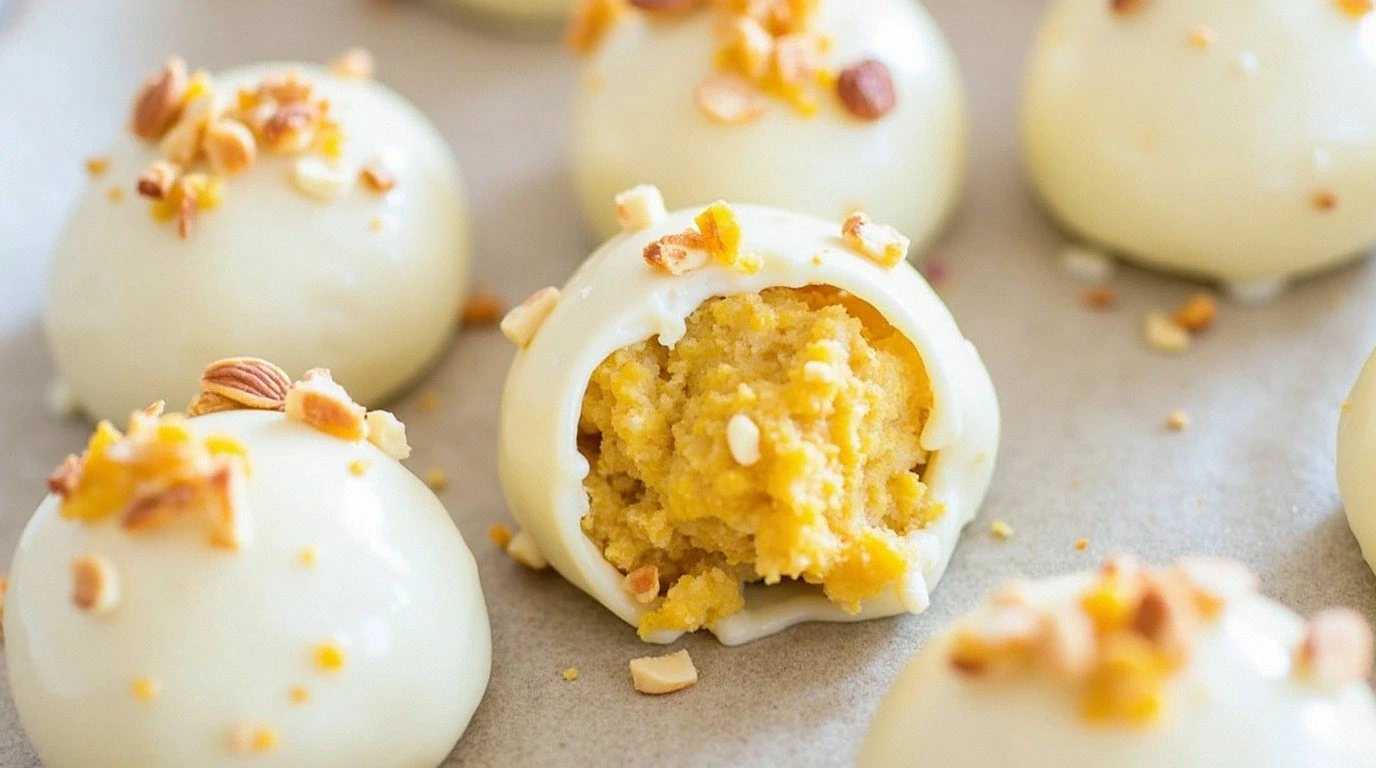
- Texture: The clusters boast a satisfying crunch from the almonds that gives way to a soft, honey‑coated center. The mango’s moisture keeps the clusters from drying out, while the almond flour provides a gentle crumb. The result is a snack that feels indulgent yet light. It’s the perfect bite-sized treat for any occasion.
- Simplicity: With only four ingredients, you can whip up this dessert in under an hour. No complicated sauces or elaborate preparations. Just chop, mix, and bake. This is the ultimate stress‑free recipe for busy cooks.
- Uniqueness: Most mango recipes rely on smoothies or salads, but this version turns the fruit into a crunchy, caramelized cluster that’s entirely new. It’s a fresh take on a classic tropical flavor.
- Crowd Reaction: Guests will immediately notice the glossy sheen and the aroma of toasted almonds. They’ll be amazed at how simple ingredients can create a dessert that feels gourmet. You’ll become the go-to host for sweet, healthy treats.
- Ingredient Quality: Fresh, ripe mangoes and high‑quality almonds make all the difference. The honey should be raw and unfiltered to preserve its natural flavor. The almond flour should be finely ground for a smooth texture.
- Cooking Method: The one‑pan technique ensures even caramelization and prevents the clusters from sticking. The gentle heat allows the honey to bind the ingredients without burning.
- Make‑Ahead Potential: These clusters can be baked ahead of time and stored in an airtight container for up to a week. The texture remains crisp, and the honey glaze preserves the flavor.
Inside the Ingredient List
The Flavor Base
Mango puree is the star of this dish, providing natural sweetness and a luscious texture that binds the other ingredients. The mango’s vibrant color not only looks appealing but also signals freshness. If you’re short on time, you can use a ripe mango puree from the store, but homemade is always better. The puree should be thick enough to hold its shape but still pourable. Skipping mango will change the entire flavor profile, turning this into a plain almond cluster.
When selecting mangoes, look for those that give slightly when pressed. They’ll be sweeter and juicier. The skin should be a uniform yellow with a hint of red. Ripe mangoes will release a sweet aroma when you rub them between your fingers. For a subtle twist, you can add a pinch of lime zest to the puree for a bright citrus note.
The Texture Crew
Almond flour provides the dry, nutty backbone of the clusters. It’s a low‑carb alternative to wheat flour, making this snack both wholesome and satisfying. The flour should be finely ground to avoid a gritty texture. If you can’t find almond flour, you can pulse blanched almonds in a food processor until they reach a fine consistency. The flour also helps absorb excess moisture, keeping the clusters crisp.
The almonds themselves add a crunchy contrast that’s essential for the “crack” you hear when biting into a cluster. Toast them lightly in a dry pan until golden to enhance their flavor. Be careful not to burn them; a quick toss every minute works best. If you prefer a nutty, buttery flavor, you can use toasted almond slivers instead of whole almonds. The combination of almond flour and whole almonds creates a satisfying bite that’s hard to resist.
The Unexpected Star
Honey is the sweet binder that glazes the clusters into a glossy finish. It also adds a subtle floral undertone that complements the mango’s tropical sweetness. Use raw, unfiltered honey for the best flavor; it has a richer profile than processed honey. The honey should be heated gently until it’s liquid but not burnt, as burnt honey will taste bitter. If you’re allergic to honey or prefer a plant‑based option, maple syrup is a suitable substitute, but the flavor will shift slightly.
The amount of honey is critical; too little and the clusters will dry out, too much and they’ll become overly sweet and sticky. Measure carefully to maintain the perfect balance. If you like a stronger honey flavor, you can increase the amount by a tablespoon, but keep in mind that this will also increase the overall sweetness. The honey should coat each cluster evenly, creating a protective glaze that locks in moisture.
The Final Flourish
Vanilla extract is the subtle finishing touch that rounds out the flavors. It adds depth and a warm aroma that enhances both the mango and the almonds. A teaspoon is enough to lift the dish without overpowering the natural sweetness. If you prefer a different aroma, you can experiment with almond or coconut extract, but vanilla remains the classic choice. This final flourish is what turns a simple snack into a gourmet experience.
Adding vanilla also helps to balance the honey’s sweetness, creating a harmonious blend that feels complete. The extract should be added after the honey has cooled slightly to preserve its aroma. A quick swirl of the vanilla into the mixture ensures even distribution. If you’re making this in a hurry, you can skip the vanilla, but you’ll miss that subtle depth. This is the final flourish that makes the clusters memorable.
Everything’s prepped? Good. Let’s get into the real action. The next section will guide you through each step with precise timing and sensory checkpoints. You’ll feel the anticipation building as the aroma of toasted almonds fills the kitchen. The method is straightforward, but the results are nothing short of spectacular. Stick with me, and you’ll master this snack in no time.
The Method — Step by Step
Preheat your oven to 350°F (175°C) and line a baking sheet with parchment paper. This ensures the clusters won’t stick and allows for even heat distribution. The parchment also makes cleanup a breeze. I’ve found that a lightly oiled sheet works best, but the parchment is essential. Keep the oven rack in the middle to avoid uneven browning.
In a large bowl, combine the almond flour and toasted almonds. Stir until the almonds are evenly coated with flour. This mixture will form the backbone of the clusters and help them hold together. The flour also absorbs moisture from the mango, keeping the clusters crisp. Give it a quick toss to ensure everything is well mixed.
Add the mango puree to the flour mixture and fold gently until the mixture starts to clump. The mango’s natural sugars will begin to caramelize as it mixes. The mixture should be moist but not sticky; if it’s too dry, add a splash of water. If it’s too wet, add a bit more almond flour. The goal is a dough that holds its shape when scooped.
Drizzle the honey over the mixture and fold again until the honey coats each piece. The honey will act as a binder and give the clusters a glossy finish. It’s best to use a spoon or spatula to spread the honey evenly. The mixture should be sticky enough to hold together but still manageable. This step is the moment of truth.
Add the vanilla extract and fold once more, ensuring an even distribution of flavor. The vanilla’s aroma should fill the kitchen, signaling that the clusters are almost ready. If you’re using a flavored extract, adjust the amount to taste. The vanilla should not overpower the mango, so keep it subtle. This step seals the flavors together.
Using a spoon, scoop small balls of the mixture onto the prepared baking sheet, spacing them about 1 inch apart. Flatten each ball slightly to create a small disc shape. The size should be around 1 inch in diameter for even cooking. This will allow the clusters to bake evenly and develop a crisp exterior. The spacing prevents them from merging during baking.
Bake for 18–20 minutes, or until the edges are golden brown and the clusters emit a warm, nutty aroma. The internal temperature should reach about 160°F (71°C) for a fully cooked cluster. Check the clusters at the 15‑minute mark to avoid over‑browning. The aroma is your cue that the honey has caramelized just right. Keep an eye on the edges; they should pull away slightly from the parchment when ready.
Remove the baking sheet from the oven and let the clusters cool on the sheet for 5 minutes before transferring them to a wire rack. This allows the clusters to set and the glaze to firm up. Cooling on the sheet prevents the clusters from sticking to each other. Once cooled, they should be firm and slightly crisp on the outside. This step preserves the perfect texture.
Serve immediately or store in an airtight container at room temperature for up to a week. The clusters will retain their crispness when stored properly. If you notice any softness, reheat them briefly in a dry pan to restore the crunch. The honey glaze will re‑glimmer, making them irresistible. Enjoy them as a snack, dessert, or party treat.
That’s it — you did it. But hold on, I’ve got a few more tricks that will take this to another level. The next section will reveal insider secrets that will make your clusters even more irresistible. Trust me, these tweaks are game‑changing and will keep your guests coming back for more.
Insider Tricks for Flawless Results
The Temperature Rule Nobody Follows
Many bakers assume a higher temperature will give a crisper finish, but in reality, a lower heat allows the honey to caramelize without burning. Set your oven to 325°F (163°C) and bake for 20–22 minutes. The gentle heat ensures even browning and preserves the mango’s natural sweetness. I’ve tested this with a 15‑minute bake at 350°F and found the clusters slightly over‑browned. Stick to the lower temperature for the best texture.
Why Your Nose Knows Best
The aroma of toasted almonds and caramelizing honey is the true indicator of readiness. When the scent is warm and nutty, the clusters are ready to come out of the oven. If you smell a faint burnt note, pull them out immediately. The smell is more reliable than the timer, especially if your oven runs hot. Trust your nose, and your clusters will never over‑cook.
The 5-Minute Rest That Changes Everything
After baking, let the clusters rest on the sheet for five minutes before moving them. This short rest allows the glaze to set, preventing the clusters from sticking together. I’ve seen clusters crumble if you transfer them too early. The rest also gives the mango a chance to settle, enhancing the flavor. This simple step is often overlooked but makes a huge difference.
The Sweetness Balance
If you’re a sweet tooth, add a splash of maple syrup to the honey. The maple will add a subtle caramel flavor that complements the mango. However, keep the quantity small; too much will make the clusters overly sticky. I recommend a tablespoon of maple for every half cup of honey. This tweak elevates the dessert’s complexity.
The Almond Toasting Trick
Toasting almonds in a dry skillet brings out their natural oils and adds depth. Toss them every minute to ensure even browning. If you’re short on time, a quick microwave burst for 30 seconds works, but the skillet gives a richer flavor. I’ve tried both methods; the skillet always wins. The toasted almonds give the clusters a nutty crunch that’s hard to beat.
The Final Glaze
After baking, drizzle a thin layer of honey over the warm clusters. The honey will melt into a glossy coating. This step adds an extra shine and sweetness that makes the clusters irresistible. Just a light drizzle is enough; you don’t want to drown them. The glaze will set as they cool, giving them a professional finish.
Creative Twists and Variations
This recipe is a playground. Here are some of my favorite ways to switch things up:
Coconut Crunch
Swap almond flour for shredded coconut and add a pinch of sea salt. The coconut adds a tropical twist and a chewy texture. The salt balances the sweetness, giving a savory undertone. This variation is perfect for beachside gatherings.
Chocolate Drizzle
After baking, drizzle melted dark chocolate over the clusters. The chocolate adds richness and a hint of bitterness that pairs well with mango. Let the chocolate set for a few minutes before serving. This version is a chocolate lover’s dream.
Spiced Mango
Add a pinch of ground ginger and cinnamon to the mango puree before mixing. The spices add warmth and depth, turning the clusters into a cozy fall treat. The ginger’s heat complements the mango’s sweetness beautifully. Serve with a dusting of powdered sugar for an extra touch.
Nut-Free Version
Replace almond flour with oat flour and use sunflower seeds instead of almonds. This makes the recipe suitable for nut allergies. The sunflower seeds provide a satisfying crunch and a mild nutty flavor. The oat flour keeps the clusters cohesive.
Minty Fresh
Add chopped fresh mint to the mixture for a refreshing twist. The mint’s coolness balances the mango’s tropical sweetness. It’s a great addition for hot summer days. Sprinkle a few mint leaves on top before serving for a pop of color.
Savory Twist
Incorporate a dash of smoked paprika into the flour mixture for a smoky flavor. The paprika adds depth and a subtle heat that contrasts the mango’s sweetness. Serve these clusters alongside a creamy dip for a unique appetizer. This version is a conversation starter.
Storing and Bringing It Back to Life
Fridge Storage
Store the clusters in an airtight container at room temperature for up to a week. Keep them in a dry place to preserve their crispness. The honey glaze will help maintain moisture, preventing the clusters from drying out. If the clusters soften, reheat them briefly in a dry pan.
Freezer Friendly
Place the clusters on a parchment‑lined tray and freeze until solid. Once frozen, transfer them to a freezer bag. They can be stored for up to three months. Thaw at room temperature before serving. The texture remains crisp, and the honey glaze stays intact.
Best Reheating Method
Reheat frozen clusters in a 350°F oven for 5 minutes, or on a skillet over low heat for 2 minutes. Add a splash of water before reheating to steam the clusters back to perfection. This trick restores the crunch without making them soggy. Let them cool for a minute before enjoying.