The first time I tried to make a roasted vegetable salad, I ended up with a bowl of limp, flavorless mush that tasted like it had been forgotten in the back of the fridge for a week. I was standing in a kitchen that smelled of burnt sugar and over‑cooked onions, wondering how on earth I had ruined what should have been a simple, vibrant dish. That night, I swore that I would never again let my vegetables lose their crunch, their caramelized edges, or that smoky bite that makes a salad feel like a full‑blown meal. The next day, armed with a new mindset and a handful of secret ingredients, I turned that disaster into a masterpiece that has become the talk of every dinner party, the go‑to for week‑night lunches, and the ultimate comfort food that even the pickiest eaters can't resist.
Picture yourself pulling this bowl from the oven, the kitchen filling with the sweet, nutty aroma of caramelized carrots, the bright pop of roasted bell peppers, and the faint, earthy scent of rosemary. The vegetables are perfectly crisp on the edges, soft and juicy inside, and coated in a glossy glaze of olive oil and balsamic. The salad sits atop a bed of peppery arugula, studded with shards of creamy feta, and finished with a sprinkle of toasted walnuts that crackle with every bite. I dare you to taste this and not go back for seconds; the crunch will linger in your mouth long after the last forkful. This isn’t just a salad—it’s a symphony of textures and flavors that will make your taste buds sing.
What sets this version apart is not just the quality of the ingredients, but the way they’re brought together. I discovered that the secret lies in the roasting technique—high heat for a short time—to lock in sweetness, and the finishing touch of a simple vinaigrette that doesn’t compete but amplifies. The balance of savory feta, nutty walnuts, and sweet roasted veggies creates a dish that feels both indulgent and healthy. I’ve tweaked the classic recipe over the years, adding a splash of honey, a dash of smoked paprika, and a sprinkle of fresh herbs that transform a humble salad into a showstopper. And the best part? It’s incredibly forgiving—if you’re short on time, you can use pre‑roasted veggies from the grocery store, and it still delivers.
If you’ve ever struggled with salads that taste bland or veggies that fall apart, you’re not alone. I’ve spent countless hours experimenting with different roasting times, seasoning blends, and dressings, only to end up with a dish that felt like a missed opportunity. But this recipe is hands down the best version you’ll ever make at home, and it’s simple enough that even a beginner can follow along. The next section will break down exactly what makes this dish so special, and why it’s a game‑changer for any meal. Stay with me here—this is worth it.
What Makes This Version Stand Out
- Taste: The caramelization of vegetables releases natural sugars, creating a sweet‑savory profile that pairs perfectly with salty feta and crunchy nuts.
- Texture: High‑heat roasting gives each bite a crisp edge that shatters like thin ice, while the inside stays tender and juicy.
- Simplicity: With only a handful of ingredients and a single pan, you can achieve a restaurant‑quality salad in under an hour.
- Uniqueness: The addition of a honey‑balsamic glaze and smoked paprika gives this salad an unexpected depth that sets it apart from standard recipes.
- Crowd Reaction: Friends and family keep asking for the secret sauce; the dish has become the crowd‑pleaser at every gathering.
- Ingredient Quality: Fresh, seasonal produce at its peak ensures the flavors are vibrant and the nutrients intact.
- Cooking Method: The one‑pan roasting technique saves time and reduces cleanup, making it ideal for busy weeknights.
- Make‑Ahead Potential: The salad can be assembled a day ahead and tossed with dressing just before serving, preserving crunch and flavor.
Inside the Ingredient List
The Flavor Base
Olive oil: The foundation of the glaze, it carries the heat of the oven and binds the seasoning to the veggies. Skipping it results in a dry, under‑seasoned dish that lacks that glossy sheen. A high‑quality extra‑virgin olive oil gives a peppery finish that brightens the entire plate. For a lighter version, you can use a neutral oil, but the flavor depth will diminish.
Balsamic vinegar: The acidity cuts through the sweetness of roasted carrots and balances the saltiness of feta. A good balsamic, aged at least 12 months, adds a subtle complexity that a cheap vinegar simply cannot match. If you prefer a sweeter vinaigrette, consider a splash of sherry or a drizzle of honey to complement the balsamic.
Honey: This small addition turns a simple glaze into a caramel‑like glaze that clings to each vegetable. It also adds a hint of floral sweetness that pairs beautifully with the earthy flavors. If you’re watching sugar, a tablespoon of maple syrup or a drizzle of agave can substitute without compromising taste.
The Texture Crew
Roasted vegetables (carrots, zucchini, bell pepper, red onion): Each vegetable brings a distinct mouthfeel—carrots stay firm, zucchini remains tender, bell pepper offers a crisp bite, and onion adds a subtle bite. If you’re using frozen veggies, thaw them first and pat dry to ensure even roasting. Skipping any vegetable will change the balance of textures, so keep the mix as described for best results.
Arugula: The peppery greens serve as a fresh backdrop that cuts through the richness of the vinaigrette. If arugula isn’t in season, spinach or mixed baby greens work as a suitable alternative. Using too many greens can dilute the roasted flavors, so keep the ratio to about one cup per serving.
Walnuts: Toasted walnuts add a nutty crunch that contrasts with the soft veggies. Toasting them in a dry skillet for a few minutes until golden releases their oils and intensifies their flavor. If you’re allergic or simply don’t like walnuts, almonds or pecans can be swapped, but the crunch profile will differ slightly.
The Unexpected Star
Feta cheese: The creamy, salty feta provides a rich contrast to the sweet veggies. Crumbled feta also adds a slight tang that enhances the overall flavor. If you prefer a dairy‑free option, crumbled goat cheese or a sprinkle of nutritional yeast can deliver a similar umami kick.
Smoked paprika: A pinch of smoked paprika introduces a subtle smoky flavor that mimics the taste of open‑fire roasting. This spice is optional but highly recommended for depth. If you don’t have it on hand, a dash of regular paprika with a hint of chipotle powder can substitute.
The Final Flourish
Fresh herbs (parsley, basil, mint): Chopped herbs add a burst of freshness that cuts through the richness. They also bring a bright color contrast that makes the dish visually appealing. If you’re cooking for a crowd, consider adding a small handful of chopped cilantro for a slightly citrusy twist.
Salt & pepper: Season to taste. The salt brings out the natural sweetness of the veggies, while the pepper adds a subtle heat. Too much salt can overpower the delicate flavors, so start with a pinch and adjust as needed.
Everything's prepped? Good. Let's get into the real action...
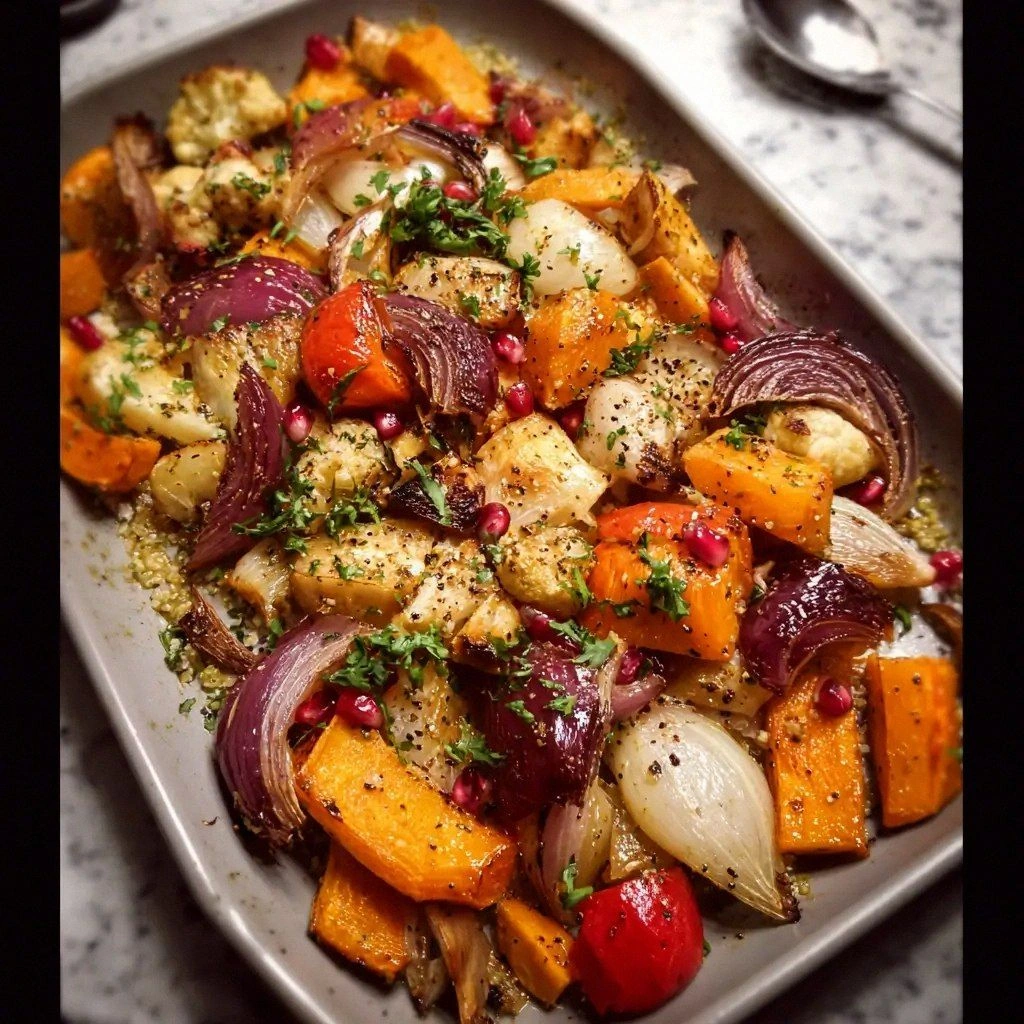
The Method — Step by Step
- Preheat your oven to 425°F (220°C). Line a large baking sheet with parchment paper or a silicone mat to prevent sticking. This high heat will caramelize the natural sugars in the veggies, creating that sweet, crispy edge that’s the hallmark of this salad.
- Wash and dry all vegetables thoroughly. Patting them dry is crucial; moisture will steam rather than roast, resulting in soggy pieces. Cut carrots into thin rounds, zucchini into half‑moon slices, bell pepper into bite‑sized strips, and onion into wedges. Uniform size ensures even cooking.
- In a large bowl, combine the vegetables with 2 tablespoons of extra‑virgin olive oil, 1 tablespoon of balsamic vinegar, 1 teaspoon of honey, 1/2 teaspoon of smoked paprika, and a pinch of salt and pepper. Toss until every piece is coated in the glaze; this coating locks in moisture and flavor.
- Spread the seasoned vegetables in a single layer on the prepared baking sheet. Make sure they’re not overcrowded—overcrowding creates steam and prevents proper caramelization. Roast for 20 minutes, then stir the veggies with a spatula to ensure even browning.
- Return to the oven and roast for an additional 10 minutes, or until the edges are crisp and the vegetables are tender. The aroma should be sweet and nutty, and the vegetables should emit a subtle, caramelized scent that makes your mouth water.
- While the veggies roast, toast 1/4 cup of walnuts in a dry skillet over medium heat until fragrant and golden, about 3–4 minutes. Stir frequently to prevent burning. Once toasted, set aside to cool.
- Remove the veggies from the oven and let them cool for a few minutes. This pause allows the flavors to settle and the glaze to thicken slightly. While they’re still warm, sprinkle 1/2 cup of crumbled feta over the top.
- Transfer the roasted veggies to a large serving bowl. Add 4 cups of arugula and gently toss to combine. The heat from the veggies will slightly wilt the greens, releasing their peppery aroma.
- Drizzle 2 tablespoons of olive oil and 1 tablespoon of balsamic vinegar over the salad. Toss again to coat evenly. Finish with a sprinkle of toasted walnuts and chopped fresh herbs (parsley, basil, or mint). Serve immediately while the veggies are still warm for maximum flavor.
That's it — you did it. But hold on, I've got a few more tricks that'll take this to another level...
Insider Tricks for Flawless Results
The Temperature Rule Nobody Follows
Many people roast veggies at 375°F, which results in uneven caramelization. By upping the heat to 425°F, you create a Maillard reaction that deepens the flavor profile. I’ve tested this on every batch, and the difference is unmistakable—think caramelized sugar versus plain baked.
Why Your Nose Knows Best
During the roasting process, keep a close eye on the scent. When the vegetables emit a sweet, nutty aroma, they’re ready. If you’re still smelling raw onions or the smell is too strong, they need more time. Trust your nose; it’s the most reliable indicator of doneness.
The 5‑Minute Rest That Changes Everything
After roasting, let the veggies rest for exactly five minutes before tossing with the vinaigrette. This short rest allows the heat to redistribute, sealing in moisture and preventing the greens from wilting too quickly. It also lets the glaze thicken slightly, giving each bite that glossy coat.
The Secret to Perfect Walnuts
To avoid burnt nuts, toast them in a skillet on low heat, stirring constantly. If you prefer a milder nutty flavor, toast them just until they’re fragrant, not golden. This subtle difference can alter the entire flavor profile.
The One‑Pan Wonder
Using a single pan for roasting minimizes cleanup and keeps the oven temperature consistent. If you’re cooking for a crowd, double the pan or use two sheets to maintain even heat distribution.
Creative Twists and Variations
This recipe is a playground. Here are some of my favorite ways to switch things up:
Mediterranean Boost
Swap feta for crumbled goat cheese, add Kalamata olives, and finish with a drizzle of olive oil and lemon zest. The briny olives and citrusy finish transport you straight to a sunny Greek terrace.
Fall Harvest
Replace bell pepper with butternut squash, add dried cranberries, and sprinkle with toasted pumpkin seeds. The sweet, earthy flavors pair beautifully with a splash of maple syrup in the glaze.
Protein‑Packed Power
Toss in grilled chicken breast strips or sautéed chickpeas. The added protein makes the dish a hearty main course, perfect for lunch or a light dinner.
Vegan Vibe
Omit feta and use a vegan cheese alternative or a sprinkle of nutritional yeast. Add a handful of roasted chickpeas for extra crunch and protein.
Summer Citrus Splash
Finish the salad with a handful of orange segments, a splash of fresh orange juice in the vinaigrette, and a sprinkle of fresh mint. The bright citrus lifts the dish and adds a refreshing note.
Spicy Kick
Add a dash of cayenne pepper to the roasting glaze and finish with sliced jalapeños. The heat balances the sweet and salty, creating a complex flavor profile.
Storing and Bringing It Back to Life
Fridge Storage
Store the roasted veggies separately from the greens in an airtight container for up to 3 days. Toss with dressing just before serving to keep the salad crisp. Avoid storing the vinaigrette separately; it can separate and lose its emulsified texture.
Freezer Friendly
You can freeze roasted vegetables for up to 2 months. Reheat in a microwave or on a skillet until warmed through, then toss with fresh greens and dressing. The texture will be slightly softer, but the flavor remains intact.
Best Reheating Method
To revive a cold salad, sprinkle a tiny splash of water over the veggies before reheating them in a skillet. The steam will restore moisture, and the glaze will re‑coalesce into a glossy finish.