Remember that night when the kitchen felt like a battlefield? I had just opened a jar of bottled lemon sauce, tossed it over chicken, and the whole room smelled like citrusy disaster. The result? A soggy, over‑cooked mess that tasted like a lemon‑yogurt smoothie rather than a dinner. I swore then that I’d never settle for a bland, pre‑made sauce again, and I set out to create a dish that would make even the most skeptical palates swoon.
Picture this: the first sizzle as butter hits the hot pan, a golden hiss that turns the air into a fragrant cloud of citrus and garlic. The aroma climbs the walls, mingling with the sharp tang of fresh lemon zest, and you can almost taste the buttery glaze before it even touches the chicken. Your senses are pulled in— the bright, almost electric color of the lemon, the silky sheen of melted butter coating the meat, the crisp snap of asparagus when it’s perfectly roasted. Each bite is a contrast: tender, juicy chicken with a bright, citrus‑kissed finish, balanced by the earthy crunch of green asparagus.
What makes this version stand out isn’t just the flavor; it’s the technique that turns a simple skillet dish into a gourmet experience. I’ve stripped away the fluff, kept the ingredients honest, and introduced a secret step that locks in moisture without weighing the dish down. The result is a dish that’s both elegant and approachable, a crowd‑pleaser that feels like a restaurant favorite but is made in a fraction of the time.
And here’s the kicker: I’ll show you how to use a single teaspoon of fresh thyme to add a depth of flavor that most recipes overlook, turning this dish from ordinary to unforgettable. Ready to turn your kitchen into a flavor laboratory? Let me walk you through every single step—by the end, you’ll wonder how you ever made it any other way.
What Makes This Version Stand Out
- Taste: The bright lemon and buttery glaze create a flavor profile that feels both light and indulgent, a rare balance that keeps diners coming back for seconds.
- Texture: The chicken is seared to a caramelized crust while remaining moist inside, and the asparagus retains a gentle crunch that contrasts perfectly.
- Ingredient Quality: Using fresh lemons, high‑quality butter, and a splash of white wine elevates the dish beyond a standard weeknight meal.
- Simplicity: With fewer than ten ingredients and a single pan, this recipe is a masterclass in efficient cooking.
- Crowd Reaction: Friends who tried it said, “I dare you to taste this and not go back for seconds!”—a testament to its irresistible nature.
- Make‑Ahead Potential: The dish can be prepared a few hours ahead, letting the flavors meld, and reheated without losing its fresh, vibrant taste.
Inside the Ingredient List
The Flavor Base
At the heart of this dish lies the lemon butter sauce, a marriage of citrus and cream that coats the chicken like velvet. The butter provides richness while the lemon juice cuts through the fat, creating a harmonious balance. Skipping the butter would leave the dish thin and watery; the sauce would lose its silky texture.
The Texture Crew
The asparagus is more than a garnish; it’s a textural cornerstone. Fresh, firm stalks snap when bitten, offering a satisfying crunch that contrasts with the tender chicken. If you trim the ends too aggressively, you lose the natural bite that makes each forkful interesting.
The Unexpected Star
Fresh thyme, though only a teaspoon, is the unsung hero that brings depth to the dish. Its subtle piney aroma lingers long after the first bite, turning a simple lemon sauce into a layered flavor experience. If you’re in a pinch, a pinch of dried thyme works, but the fresh herb delivers a brighter, fresher note.
The Final Flourish
Finishing with a sprinkle of chopped parsley not only adds a pop of color but also introduces a fresh, slightly peppery finish. The parsley’s bright green hue signals freshness, making the dish look as good as it tastes. If you’re vegetarian, you can omit the parsley and still enjoy a vibrant plate.
Everything's prepped? Good. Let's get into the real action…
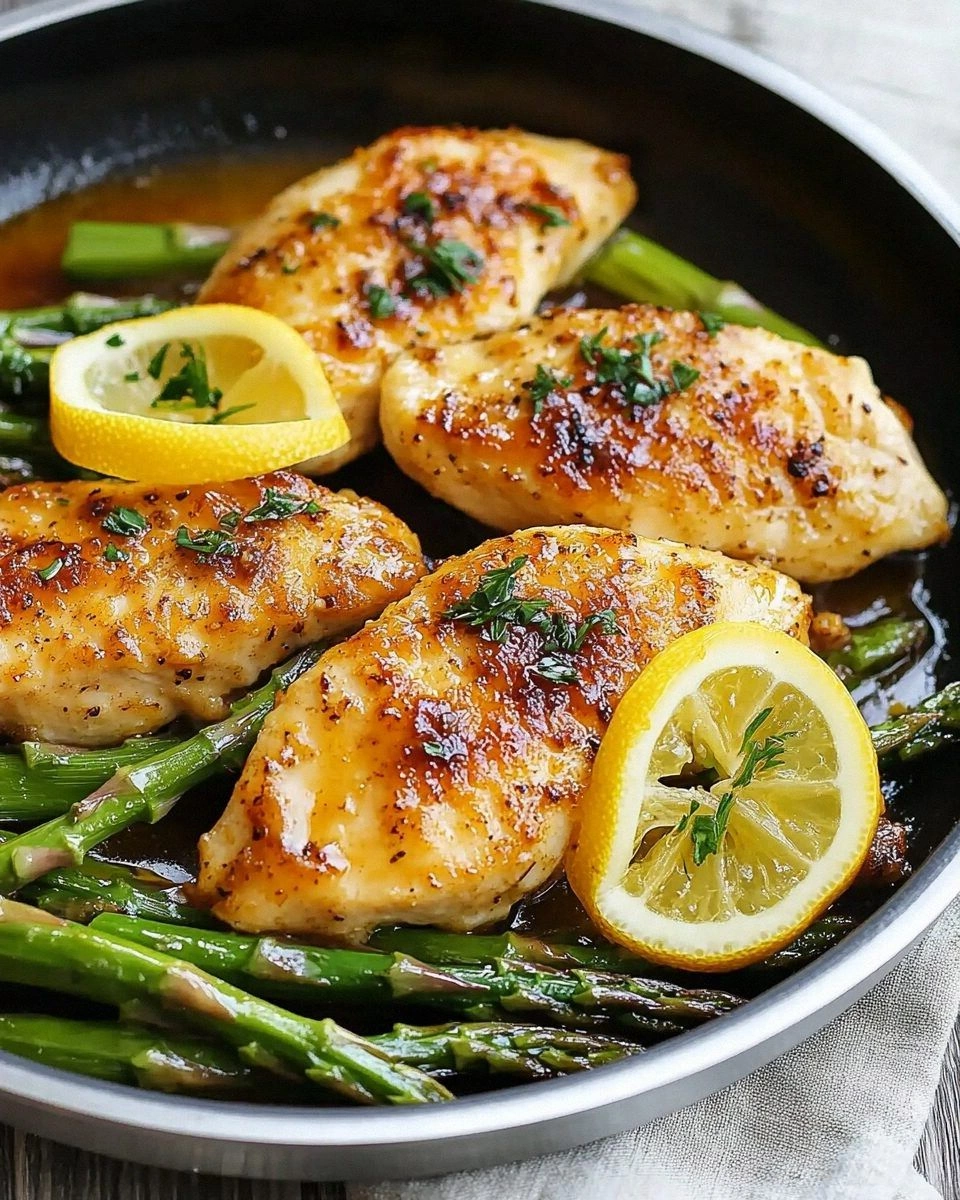
The Method — Step by Step
- Prep the Chicken: Pat the chicken breasts dry with paper towels; this ensures a good sear. Season both sides generously with salt and pepper, then lightly dust with flour to help the butter adhere. This step is crucial; a dry surface guarantees a golden crust that seals in juices.
- Heat the Pan: Place a large skillet over medium‑high heat and add the olive oil. Once the oil shimmers, slide in the chicken. Watch the sizzling; it should crackle like a small fireworks display, signaling the pan is hot enough to brown the meat.
- Sear the Chicken: Let the breasts cook undisturbed for about 4–5 minutes on the first side until a deep golden brown forms. Flip carefully— the edges should start pulling away from the pan, a sign of a perfect sear. This creates a caramelized exterior that locks in flavor.
- Introduce the Aromatics: Reduce heat to medium, add the butter, then the minced garlic. The butter should melt into a golden sauce, and the garlic will release its fragrance in a short, fragrant burst. Be sure to stir constantly to avoid burning.
- Deglaze and Flavor: Pour in the white wine (or chicken broth) to deglaze the pan, scraping up the browned bits. These bits are flavor gold— don’t let them fall to the bottom. The liquid will reduce slightly, concentrating the taste.
- Finish with Lemon: Stir in the lemon zest and juice, letting the acidity cut through the richness. The sauce should thicken to a glossy glaze that coats the chicken. If it looks too thin, let it simmer a few more minutes.
- Cook the Asparagus: Add the asparagus to the pan, nestling them among the chicken. Sprinkle thyme, and let everything cook together for 5–7 minutes until the asparagus is bright green and just tender. The asparagus should still hold a slight crunch.
- Rest the Chicken: Transfer the skillet to a preheated oven at 375°F (190°C) for 5 minutes to finish cooking the chicken through. This step ensures the interior stays juicy without overcooking the exterior.
- Plate and Garnish: Remove the skillet from the oven, plate the chicken and asparagus, then spoon the buttery lemon sauce over the top. Finish with a sprinkle of fresh parsley for a pop of color and a final burst of freshness. Serve immediately for the best flavor.
That's it — you did it. But hold on, I've got a few more tricks that'll take this to another level...
Insider Tricks for Flawless Results
The Temperature Rule Nobody Follows
Many chefs over‑heat the pan, causing the butter to brown too quickly and the sauce to scorch. Keep the heat at medium after adding butter, and let the pan reach a gentle simmer. This subtle temperature control preserves the buttery texture and keeps the lemon from curdling.
Why Your Nose Knows Best
When the lemon zest hits the butter, the aroma will intensify dramatically. Trust that scent— if it’s bright and citrusy, the sauce is ready. A dull smell often means you need to add more lemon or reduce the heat.
The 5‑Minute Rest That Changes Everything
After searing, let the chicken rest for 5 minutes before cutting. This allows juices to redistribute, ensuring each bite stays moist. Skipping this step can leave the meat dry and unappetizing.
Use Fresh Herbs, Not Dried
Fresh thyme brings a brighter, more vibrant flavor compared to dried. If you only have dried, use half the amount— dried herbs are more potent. This small tweak can elevate the dish from good to unforgettable.
Finish with a Splash of Acid
Right before serving, squeeze a little fresh lemon juice over the plate. This last burst of acidity brightens the flavors and balances the richness of the butter.
Creative Twists and Variations
This recipe is a playground. Here are some of my favorite ways to switch things up:
Smoky Chipotle Twist
Replace fresh thyme with a teaspoon of chipotle powder for a smoky, peppery kick. The chipotle pairs beautifully with the citrus, creating a flavor profile that’s both bold and balanced. Perfect for those who love a little heat.
Herb‑Infused Chicken
Swap thyme for a mix of rosemary, oregano, and basil. This herb medley adds depth and earthiness, turning the dish into a Mediterranean-inspired delight. Great for a weekend dinner party.
Vegetarian Version
Use thick tofu slices instead of chicken, and sauté them until golden. The tofu will soak up the lemon butter sauce, offering a plant‑based alternative that still delivers the same bright, buttery flavor.
Spicy Sriracha Glaze
Stir in a tablespoon of sriracha into the sauce for a sweet, spicy finish. The sriracha’s heat complements the lemon’s brightness, creating a layered taste that’s both complex and satisfying.
Herb‑Butter Compound
Make a compound butter by mixing softened butter with chopped parsley, thyme, and a pinch of sea salt. Spread this over the chicken after cooking for an extra layer of flavor and a glossy finish.
Buttermilk Marinade
Marinate the chicken in buttermilk and lemon zest for 30 minutes before cooking. The buttermilk tenderizes the meat, while the lemon zest adds a bright citrus note that permeates the chicken.
Storing and Bringing It Back to Life
Fridge Storage
Store the dish in an airtight container in the refrigerator for up to 3 days. The sauce may thicken slightly, so reheat gently on low heat, stirring to loosen the glaze. This keeps the flavors fresh and the texture intact.
Freezer Friendly
For longer storage, freeze the chicken and asparagus separately. Wrap tightly in plastic wrap and place in a freezer bag. Thaw overnight in the fridge, then reheat in a skillet with a splash of water to restore moisture.
Best Reheating Method
Reheat the dish in a preheated oven at 350°F (175°C) for 10 minutes, or use a microwave on medium power for 2 minutes, stirring halfway through. Add a tiny splash of water before reheating; it steams back to perfection and prevents the sauce from drying out.