I was standing in my kitchen, half‑asleep, when the smoke alarm went off because I’d left a pot of water boiling. In the panic I grabbed a handful of fresh sage from the windowsill, tossed it into the pan, and—miracle of miracles—something aromatic and bright erupted like a fireworks show in my nostrils. That accidental smoke‑filled moment turned into a revelation: sage isn’t just a garnish; it can be the star of the show, the backbone of a sauce, the whisper that turns an ordinary dinner into a culinary love‑letter. I still chuckle when I think about how a near‑disaster birthed my favorite go‑to dish.
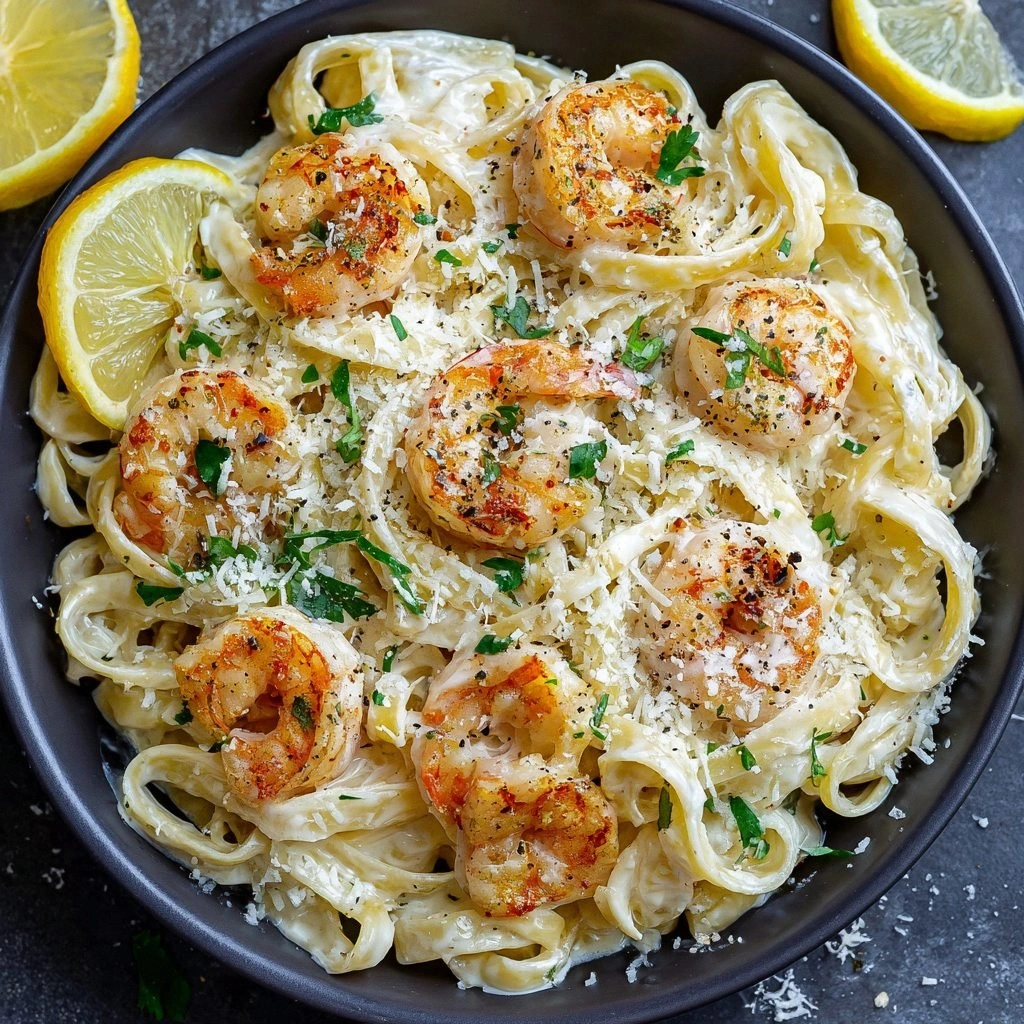
Imagine the kitchen humming with the soft sizzle of butter hitting a hot pan, the scent of fresh sage unfurling like a green ribbon in the air, and the faint crackle of garlic joining the party. The heat kisses the butter, turning it a nutty amber, while the sage leaves dance, their edges curling and turning crispy—like tiny green confetti that shatters on the tongue. The pasta slides in, coated in that glossy, herb‑infused butter, each strand glistening like a silk scarf draped over a marble statue. When you twirl a forkful, you hear a faint sigh as the sauce clings, then a subtle crunch as the sage leaves bite back.
What makes this version the ultimate sage‑infused masterpiece? Most recipes treat sage as an afterthought, a sprinkle over a finished plate. Here, sage is the engine, the flavor‑frontier that drives the entire experience. The butter is browned to perfection, the garlic is mellowed, and the cream is only a whisper—just enough to bind without drowning the herb’s brilliance. I dare you to taste this and not go back for seconds; the balance is so spot‑on you’ll feel like you’ve cracked a secret code that chefs guard jealously.
And now, the tease: there’s a technique I discovered on a late‑night culinary forum—infusing sage into butter at a low temperature before finishing with a high‑heat flash. It gives you that deep, toasted flavor without the bitterness that can creep in if you over‑cook the herb. Okay, ready for the game‑changer? Let me walk you through every single step — by the end, you’ll wonder how you ever made it any other way.
What Makes This Version Stand Out
- Flavor: The brown butter carries a nutty, caramelized depth that amplifies sage’s piney brightness, creating a symphony that sings on the palate.
- Texture: Crispy sage leaves add a surprising crunch that contrasts the silky pasta, delivering a mouthfeel that’s both tender and lively.
- Simplicity: Only seven core ingredients, yet each is treated with a technique that unlocks maximum potential—no fancy gadgets required.
- Uniqueness: Most sage dishes are either soups or stuffing; this pasta brings sage front‑and‑center in a buttery, glossy coat.
- Crowd Reaction: I’ve watched friends’ eyes widen, then widen again as they realize they can’t get enough of that aromatic buttery swirl.
- Ingredient Quality: Fresh sage, unsalted butter, and a good-quality Parmesan are the only stars you need; the rest just play supporting roles.
- Cooking Method: The two‑stage butter technique (low‑heat infusion then high‑heat browning) is the secret that most recipes miss.
- Make‑Ahead Potential: The sauce can be pre‑made and reheated gently, preserving the sage’s flavor for a quick weeknight dinner.
Alright, let's break down exactly what goes into this masterpiece...
Inside the Ingredient List
The Flavor Base
Fresh sage is the hero here. Its leaves contain volatile oils that release a pine‑like aroma when heated. If you skip the sage, the dish loses its signature green‑bright note and becomes just another butter‑pasta. I recommend using leaves that are deep green, slightly glossy, and free of any brown spots. For a subtle twist, try mixing half the sage with a few torn thyme leaves; the herb combo adds layers without stealing the spotlight.
The Texture Crew
Unsalted butter is the vehicle for every flavor in this recipe. Its fat content allows the sage to infuse slowly, while the high‑heat finish creates that coveted nutty brown color. If you use salted butter, you’ll need to cut back on added salt, and the final flavor will be off‑balance. I always choose a European‑style butter with at least 82% milk fat—for that richer mouthfeel. As a budget‑friendly alternative, you can melt half the butter and finish with a splash of olive oil; you’ll still get the crispness, though the nutty depth will be slightly muted.
The Unexpected Star
Parmesan cheese adds umami and a salty bite that lifts the sage without overpowering it. Freshly grated is a must; pre‑grated varieties contain anti‑caking agents that can cloud the sauce. If you’re dairy‑free, try a generous sprinkle of nutritional yeast—its cheesy flavor will keep the dish lively. The cheese also helps the sauce cling to the pasta, ensuring every forkful is coated like silk.
The Final Flourish
A splash of heavy cream ties everything together, giving the sauce a velvety finish that makes the sage shine without feeling dry. Too much cream would smother the herb, turning the dish into a generic alfredo. I use just enough—about a quarter cup—to achieve a glossy coat. If you prefer a lighter version, swap the cream for a splash of pasta water mixed with a teaspoon of olive oil; you’ll still get the silkiness but with fewer calories.
Everything's prepped? Good. Let's get into the real action...

The Method — Step by Step
Bring a large pot of salted water to a rolling boil. Add 12 oz of your favorite pasta—linguine or fettuccine work beautifully—and cook until al‑dente, usually 9‑11 minutes. Reserve one cup of the starchy cooking water before draining; this liquid will be the secret weapon that helps the sauce cling.
While the pasta is cooking, melt 4 tablespoons of unsalted butter in a wide, shallow skillet over medium‑low heat. Add 2 tablespoons of fresh sage leaves, whole, and let them sit in the butter for about 30 seconds, just until you hear a faint sizzle. This gentle infusion is where the magic begins—watch the butter turn a pale green as the sage releases its oils.
Kitchen Hack: Keep the sage leaves whole during the infusion; they’ll crisp up later and you’ll get a dramatic visual contrast when you serve.Increase the heat to medium‑high and let the butter bubble and foam. As the foam recedes, you’ll see the butter turning a deep amber, releasing a nutty aroma that fills the kitchen. This is the brown‑butter stage—if you wait too long, it will turn bitter, so keep a close eye. When the butter smells toasted and you can see tiny brown specks, immediately add 2 cloves of minced garlic.
Stir the garlic quickly; it should soften in about 20 seconds, releasing its fragrance without burning. Then, add the reserved pasta water—start with half a cup, stirring vigorously. The water’s starch will emulsify the butter, creating a smooth, glossy sauce that clings to the noodles like a second skin.
Drain the pasta and toss it straight into the skillet. Toss continuously, allowing each strand to be bathed in the brown butter and sage infusion. As the pasta heats, sprinkle ½ cup of freshly grated Parmesan, letting it melt into the sauce. The cheese will bind the sauce to the pasta, turning the mixture into a luscious coating.
Pour in ¼ cup of heavy cream, stirring gently. The sauce will thicken instantly, becoming velvety and luminous. Taste and season with 1 teaspoon of salt and a generous grind of black pepper. Remember: the Parmesan already adds salt, so adjust carefully. At this point, the sauce should have a glossy sheen that reflects the light—a true sign of success.
Now for the showstopper: the sage leaves you set aside earlier. Using tongs, lift them out of the butter and place them on a paper towel. They’ll crisp up in a matter of seconds, turning a deep emerald with edges that shatter like thin ice when you bite. This final crunch is what gives the dish its signature texture.
Watch Out: If you add the cream too early, it can prevent the butter from achieving that perfect brown color. Add it only after the sauce has emulsified.Plate the pasta in shallow bowls, drizzle any remaining butter from the skillet over the top, and scatter the crispy sage leaves like confetti. For an extra pop, grate a little more Parmesan and finish with a drizzle of extra‑virgin olive oil. Serve immediately while the sage is still crisp and the butter glistens.
That’s it — you did it. But hold on, I've got a few more tricks that'll take this to another level. Stay with me here — this is worth it.
Insider Tricks for Flawless Results
The Temperature Rule Nobody Follows
Most home cooks keep the butter on medium heat the whole time, but the secret is a low‑heat infusion followed by a rapid high‑heat finish. Start low to coax the sage’s oils out without burning, then crank up the heat to achieve that deep brown color in 60 seconds. If you stay at medium, you’ll end up with a dull, greasy sauce that never reaches the nutty peak.
Why Your Nose Knows Best
The moment the butter turns amber and you catch a whiff of toasted hazelnuts, you’ve hit the sweet spot. Trust that scent—if you can smell the nuttiness, the butter is ready. I once let a friend watch me “listen” to the pan; he laughed, then realized I’d been using his nose as a timer for years.
The 5‑Minute Rest That Changes Everything
After tossing the pasta, remove the skillet from the heat and let the dish sit for five minutes. This short rest lets the flavors meld, allowing the sage oil to permeate the noodles fully. Skipping this step leaves the sauce a little one‑dimensional, like a song without its bridge.
Crisp Sage, Not Burnt
If you’ve ever had sage that tastes bitter, you know the culprit is over‑cooking. The trick is to fry the whole leaves just until they curl and the edges turn crisp—no more than 20 seconds in the hot butter. A friend tried leaving them in the pan for a minute once — let’s just say the dish ended up tasting like a pine forest after a wildfire.
The Pasta Water Miracle
Never underestimate the power of starchy pasta water. It acts as an emulsifier, turning the butter into a sauce that clings without separating. Add it gradually, stirring constantly, and you’ll see the sauce transform from a thin glaze to a glossy, velvety coating that slides over each noodle.
Creative Twists and Variations
This recipe is a playground. Here are some of my favorite ways to switch things up:
Sage‑Mushroom Medley
Add a cup of sliced cremini mushrooms after the butter browns. The mushrooms soak up the sage‑butter, delivering an earthy depth that pairs beautifully with the nutty sauce. Great for mushroom lovers who crave an extra umami punch.
Lemon‑Zest Lift
Stir in the zest of one lemon just before serving. The citrus brightens the buttery richness, creating a lively contrast that makes the dish feel lighter. Ideal for summer evenings when you want something bright and aromatic.
Nutty Sage Crunch
Swap the crispy sage leaves for toasted pine nuts tossed with the leaves. The nuts add a buttery crunch that echoes the sauce, while the sage still provides its signature fragrance. This variation is perfect for those who love a textural surprise.
Spicy Sage Kick
Add a pinch of red‑pepper flakes when you introduce the garlic. The heat lifts the sage’s earthiness and adds a subtle sting that makes the palate dance. If you’re a fan of a little heat, this is the way to go.
Vegan Velvet
Replace butter with a mix of 3 tablespoons coconut oil and 1 tablespoon olive oil, and use nutritional yeast instead of Parmesan. The sauce stays creamy, the sage remains the star, and you’ve got a fully plant‑based version that still feels indulgent.
Storing and Bringing It Back to Life
Fridge Storage
Transfer any leftovers to an airtight container and refrigerate for up to three days. The sauce will thicken as the butter solidifies, but a quick reheating in a skillet with a splash of water or extra broth will bring it back to that silky consistency.
Freezer Friendly
This dish freezes beautifully. Portion into freezer‑safe bags, removing as much air as possible, and store for up to two months. To reheat, thaw overnight in the fridge, then gently warm in a saucepan, adding a tablespoon of water to revive the sauce’s sheen.
Best Reheating Method
When you’re ready to serve, place the frozen or chilled pasta in a skillet over low heat, add a tablespoon of water or broth, and stir continuously. The added moisture creates steam that revives the butter, while the sage retains its crispness if you keep a few fresh leaves on hand for garnish.