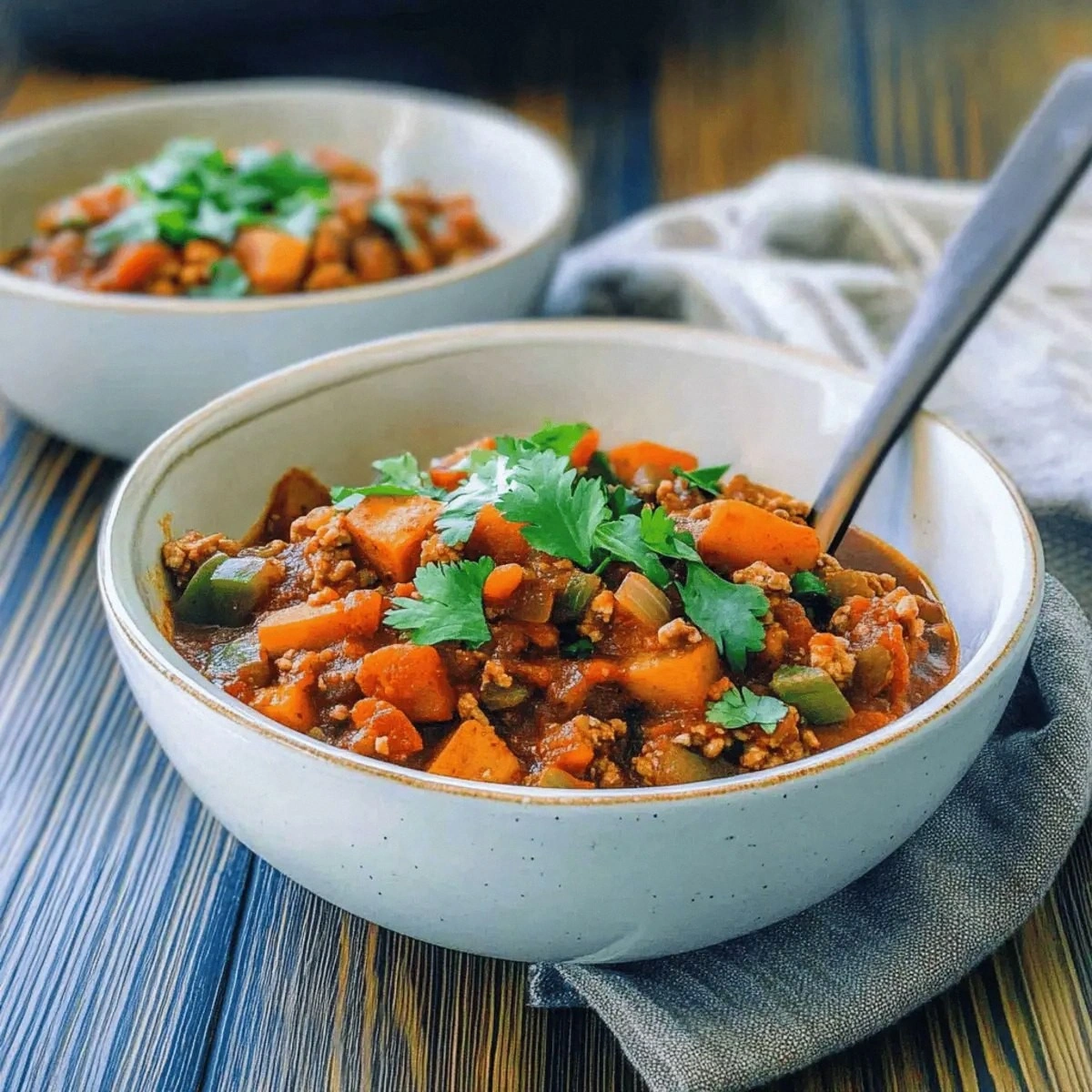
It was a rainy Thursday evening and my kitchen had the kind of quiet that only a stubborn pot can break. I had a half‑baked idea in my mind—turn my leftover beef short ribs into something that would make my taste buds do a happy dance. The stove was on, the Instant Pot humming like a contented cat, and I stared at the rack of meat, wondering if this could be the moment I finally nailed the ultimate Korean galbitang. I’ve tried every recipe I’ve found, from the quick stovetop versions to the slow‑cooker variations, and each time I ended up with a soup that was either too watery or missing that deep, savory umami punch that makes Korean broths unforgettable. So, I set a dare for myself: “I dare you to taste this and not go back for seconds.”
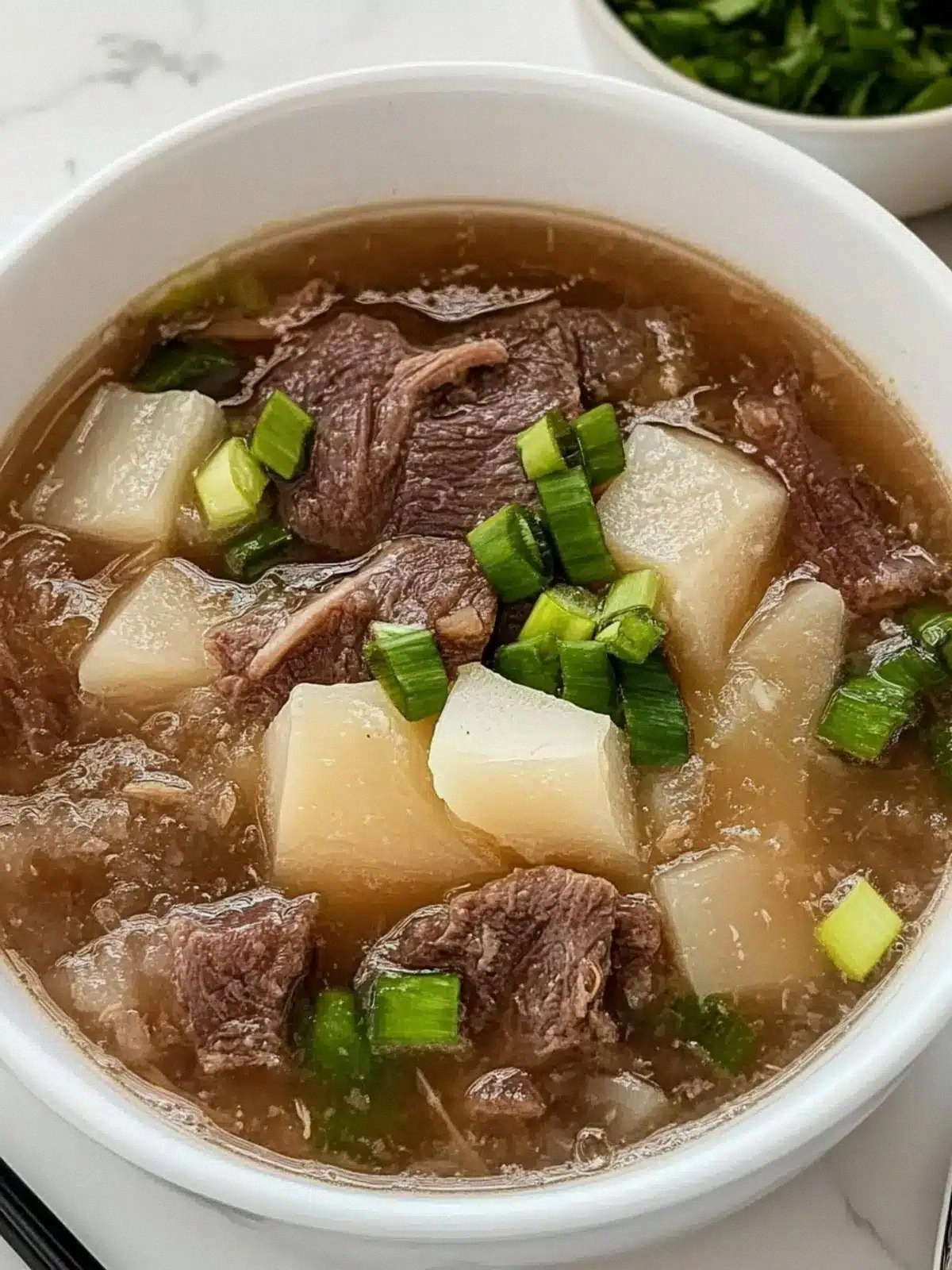
Picture the scene: the aroma of caramelized beef, the gentle hiss of broth bubbling, and the faint, comforting scent of ginger and garlic mingling with the subtle sweetness of onions. The sound is a rhythmic, satisfying crackle as the Instant Pot seals in the flavors. The color is a golden amber that promises richness, and the texture—when you dip your spoon—offers a silky broth that coats the back of your tongue like velvet. And the first bite? It’s a burst of umami that lingers, followed by a gentle heat from the gochugaru, a whisper of pepper, and the earthy crunch of radish mu. It’s a symphony of sensations that makes the ordinary feel extraordinary.
What sets this version apart is that I’ve combined the best of traditional Korean techniques with the convenience of the Instant Pot, and I’ve added a few secret touches that most recipes overlook. The result is a broth so clear yet so deep, that every spoonful feels like a hug from a Korean grandmother who just opened her kitchen for you. This is hands down the best version you'll ever make at home, and if you've ever struggled to get the right balance of flavors in a galbitang, you're not alone—this is the fix. I’ll be honest—I ate half the batch before anyone else got to try it. But the moment you taste it, you’ll wonder how you ever made it any other way.
Let me walk you through every single step—by the end, you’ll wonder how you ever made it any other way. I’m going to take you from selecting the best short ribs to the final garnish, with a few micro‑challenges along the way that will make your kitchen adventure unforgettable. Keep your eyes on the clock, your hands steady, and your palate ready for the flavors that are about to unfold. This is going to be a delicious journey, and I’m excited to share it with you.
What Makes This Version Stand Out
- Depth of Flavor: The combination of beef short ribs, ginger, and Korean radish mu creates a broth that is both hearty and nuanced. The slow pressure cooking unlocks collagen, giving the soup a silky mouthfeel that’s hard to replicate in a standard stovetop.
- Texture: The meat falls off the bone in seconds, while the radish retains a firm bite that contrasts beautifully with the tender broth. The instant pot’s quick release preserves the integrity of the vegetables.
- Simplicity: With just a handful of ingredients and an Instant Pot, you can achieve restaurant‑quality galbitang in under an hour. No pre‑soaking or complex seasoning steps.
- Uniqueness: A splash of Korean soup soy sauce (guk‑ganjang) adds a subtle, savory depth that sets this broth apart from the usual soy‑based versions.
- Crowd‑Pleaser: Whether you’re feeding a family or entertaining guests, the rich, clear broth and succulent meat will have everyone asking for the recipe.
- Ingredient Quality: Fresh, high‑quality beef short ribs are key. Look for marbling and a slight pink hue—this ensures a flavorful, tender result.
- Make‑Ahead Potential: The soup can be stored in the fridge for up to five days or frozen for up to two months without losing its character.
- Healthful: The broth is low in fat after skimmed, and the radish adds fiber and vitamins, making this dish both comforting and nutritious.
Alright, let's break down exactly what goes into this masterpiece…
Inside the Ingredient List
The Flavor Base
At the heart of any great galbitang lies a flavor base that marries the savory richness of beef with aromatic herbs and spices. The 8 cups of water act as the canvas, absorbing every nuance of the meat, while the 4 cloves of minced garlic and 1 inch of ginger infuse the broth with a warm, comforting heat. The 1 medium onion, sliced into wedges, contributes a subtle sweetness that balances the umami of the short ribs. Together, these ingredients form the backbone that makes the soup both clear and deeply flavorful. If you skip any of these, the broth will feel thin or one‑dimensional. A quick swap—using beef broth instead of water—adds an extra layer of depth, but it’s not necessary for this version.
The Texture Crew
The texture crew is composed of the short ribs themselves and the Korean radish mu. The short ribs, about 2.5–3 lbs, are the star that delivers a melt‑in‑your‑mouth experience when pressure‑cooked to tenderness. The radish mu, about 1.5 cups, is sliced into bite‑size pieces that stay crisp enough to provide a satisfying crunch. If you prefer a smoother soup, you can puree part of the broth with a stick blender, but that will change the classic feel of galbitang. A great alternative for the radish is daikon, which offers a milder flavor but similar texture. Choosing well‑marbled ribs ensures a richer broth and a more succulent bite.
The Unexpected Star
The Korean soup soy sauce, or guk‑ganjang, is the unexpected star that elevates this recipe. It’s a fermented soy sauce with a lighter, sweeter profile than regular soy sauce, which gives the broth a subtle depth without overpowering the delicate flavors. A tablespoon is enough to lift the entire dish, but if you’re a soy sauce aficionado, you can increase it to two tablespoons for a bolder taste. This ingredient is often omitted in quick recipes, but it’s essential for that authentic Korean finish. The gochugaru, a pinch of Korean red pepper flakes, adds a gentle heat that lingers without dominating the palate.
The Final Flourish
The final flourish includes the garnish and finishing touches that transform a good soup into an unforgettable meal. A handful of cooked glass noodles provides a chewy texture that contrasts the tender meat and crisp radish. Sprinkle sesame seeds for a nutty aroma and a subtle crunch. The green onions, sliced thin, add a bright, fresh note that cuts through the richness. A squeeze of fresh lemon or a splash of rice vinegar at the table can brighten the broth further, but keep it optional so each diner can personalize their bowl.
Everything’s prepped? Good. Let’s get into the real action…
The Method — Step by Step
- Begin by seasoning the short ribs with a pinch of salt and pepper. This simple step ensures the meat’s natural flavors shine through. Place the ribs in the Instant Pot, making sure they’re not overcrowded; if necessary, do it in batches. The pressure cooker will seal in the juices, giving the broth a deep, savory base.
- Sauté the sliced onion, minced garlic, and grated ginger in a splash of oil directly in the pot. This step caramelizes the aromatics, creating a fragrant foundation that will permeate the broth. Stir until the onion turns translucent and the garlic releases its aroma—about 2 minutes.
- Add the water, ensuring all ingredients are submerged. Then, stir in the Korean soup soy sauce (guk‑ganjang). The liquid will bubble and rise, indicating the pot is building pressure. This is the moment when the broth starts to form its signature color.
- Seal the Instant Pot lid and set the valve to “Sealing.” Cook on high pressure for 45 minutes. The short ribs will become tender, and the broth will develop a rich, clear hue. During the cooking process, a small amount of foam may rise; simply skim it off with a spoon.
- After the cooking time, allow the pressure to release naturally for 10 minutes. This gentle release ensures the meat stays moist and the flavors meld. Then, carefully switch the valve to “Venting” to release any remaining pressure.
- Remove the short ribs and set them aside. Strain the broth through a fine sieve or cheesecloth to remove any solids. This step ensures a crystal‑clear soup that will impress even the most discerning palates.
- Return the broth to the pot and add the sliced Korean radish mu. Simmer for an additional 5 minutes so the radish retains its firmness yet absorbs the broth’s flavor. The radish should look translucent and slightly glossy.
- Reintroduce the short ribs to the pot, allowing them to reheat and soak up the final flavors. Add a pinch of gochugaru for heat and a sprinkle of sesame seeds for aroma. Taste the broth and adjust seasoning with salt or a dash of vinegar if needed.
- Serve hot in bowls, topped with a handful of cooked glass noodles, sliced green onions, and a final drizzle of sesame oil if desired. The noodles will absorb the broth, and the onions will provide a fresh, bright contrast.
- Enjoy immediately, savoring the complex layers of flavor that unfold with every sip. If you’re a true food lover, I dare you to taste this and not go back for seconds. The broth is so satisfying that it will leave you craving more.
That's it— you did it. But hold on, I've got a few more tricks that'll take this to another level…
Insider Tricks for Flawless Results
The Temperature Rule Nobody Follows
Many people assume that the Instant Pot’s default “High” setting is enough for all recipes, but the truth is that the exact pressure and temperature can vary depending on the size of the meat and the volume of liquid. For beef short ribs, a slightly lower pressure (if your model allows) can help preserve the meat’s tenderness. I’ve found that setting the Instant Pot to “Manual” for 45 minutes at high pressure gives the best results, but if your model only offers “Pressure Cook,” just double-check the cooking time after your first batch.
Why Your Nose Knows Best
The broth’s aroma is your best indicator of doneness. When the pot releases pressure, the scent should be rich, with hints of caramelized onions and ginger. If the smell feels flat or overly watery, let it simmer for an additional 5 minutes. A well‑seasoned broth will have a distinct, savory perfume that makes you want to dive in immediately.
The 5-Minute Rest That Changes Everything
After you’ve finished cooking, let the short ribs rest for 5 minutes before slicing. This resting period allows the juices to redistribute, ensuring each bite is juicy and flavorful. Cutting into the meat right away can cause the juices to escape, leaving the meat drier. So, give it that short break—trust me, it makes a noticeable difference.
The Quick Skim Trick
During the initial pressure build, a small amount of foam may rise to the surface. Skimming this foam off before the cooking cycle ends helps keep the broth clear and prevents a slightly bitter taste from lingering. A spoon or ladle will do the job—just a quick dip and lift.
The Fresh Finish
Right before serving, add a splash of fresh lemon juice or rice vinegar to brighten the broth. This acid cuts through the richness and adds a bright, lively note that balances the savory depth. If you’re serving a crowd, offer the acid on the side so each person can adjust to their taste.
Creative Twists and Variations
This recipe is a playground. Here are some of my favorite ways to switch things up:
Miso Galbitang
Replace the guk‑ganjang with 1 tablespoon of white miso paste for a richer, slightly sweet broth. Miso adds depth and a subtle nuttiness that complements the beef. Stir the miso into the broth after the pressure release for a smooth finish.
Spicy Kimchi Galbitang
Add a cup of chopped kimchi during the final simmer. The fermented cabbage adds a tangy heat that pairs wonderfully with the beef. Just be sure to taste the broth before adding more gochugaru, as kimchi can be quite spicy.
Vegetarian Version
Swap the short ribs for thick slices of marinated tofu or seitan. Use vegetable broth instead of water, and add a handful of shiitake mushrooms for umami. This version is just as comforting and still delivers a satisfying broth.
Lemon‑Herb Galbitang
Finish the soup with a squeeze of fresh lemon and a sprinkle of chopped fresh herbs like parsley or cilantro. The citrus brightens the broth and adds a fresh, herbal note that lifts the dish.
Korean BBQ Galbitang
Add a tablespoon of Korean barbecue sauce (bulgogi sauce) to the broth for a sweeter, caramelized flavor. This variation turns the soup into a fusion of Korean barbecue and traditional broth, creating a unique taste experience.
Pork Galbitang
Use pork short ribs instead of beef for a slightly sweeter, richer broth. The cooking time remains the same, but the pork’s natural fat content adds an extra layer of richness. Serve it with the same garnish for a classic Korean twist.
Storing and Bringing It Back to Life
Fridge Storage
Cool the soup to room temperature before refrigerating. Transfer it to an airtight container and store in the fridge for up to five days. The broth will thicken slightly as it cools, but it will reheat beautifully without losing flavor.
Freezer Friendly
For longer storage, portion the soup into freezer‑safe containers or zip‑lock bags. Label with the date and freeze for up to two months. When ready to eat, thaw overnight in the fridge and gently reheat on the stove or in the microwave.
Best Reheating Method
Reheat the soup on the stovetop over low heat, stirring occasionally. Add a splash of water or broth if it appears too thick. A tiny splash of water before reheating will help the broth steam back to perfection, maintaining its silky texture.