It started with a kitchen mishap that almost turned my dinner into a culinary disaster. I had just finished a frantic week of work and was craving something that could be whipped up in minutes, yet still feel indulgent. I tossed a handful of chicken breasts into a pan, only to realize I’d forgotten the seasoning. The sizzle was audible, the aroma faintly sweet, and my frustration peaked—until I remembered the jar of hot honey that had been gathering dust in the pantry. The honey’s amber glow promised a sweet‑spicy twist that could rescue the night.
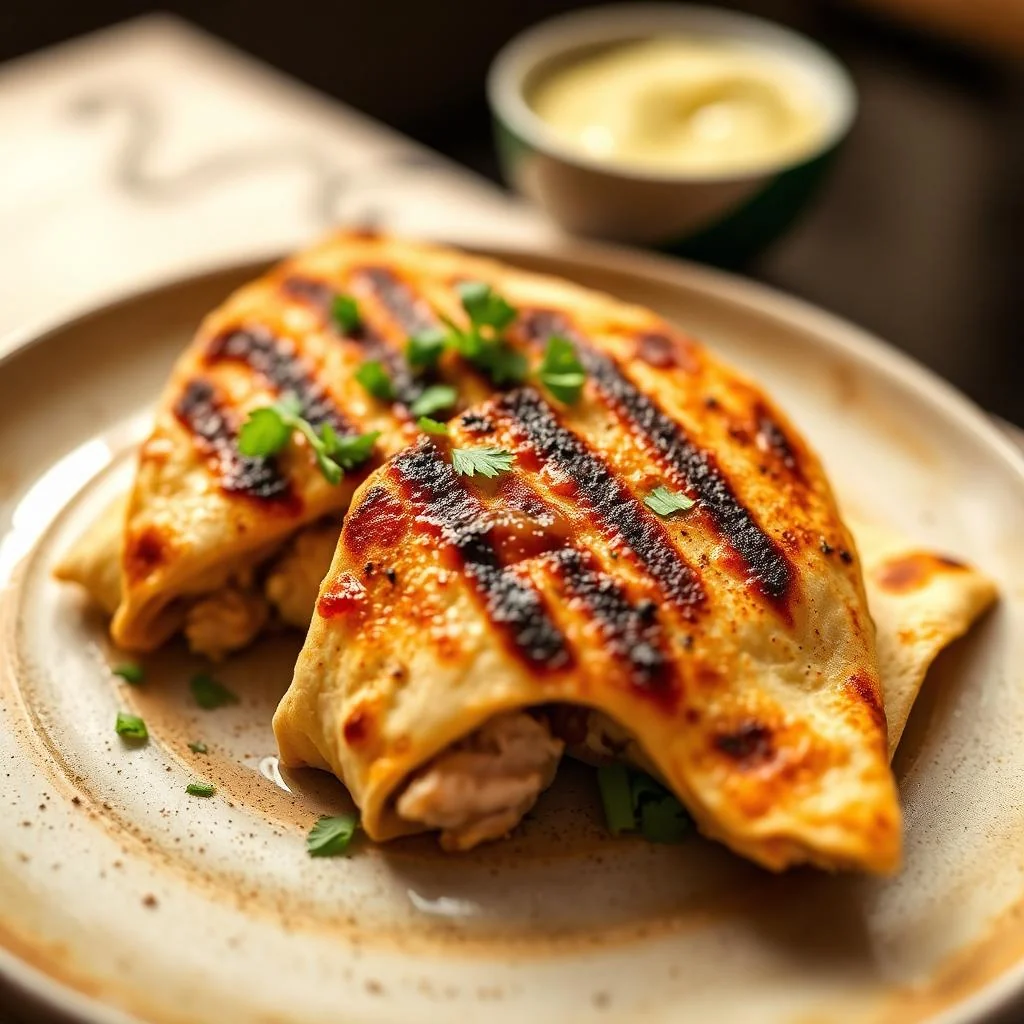
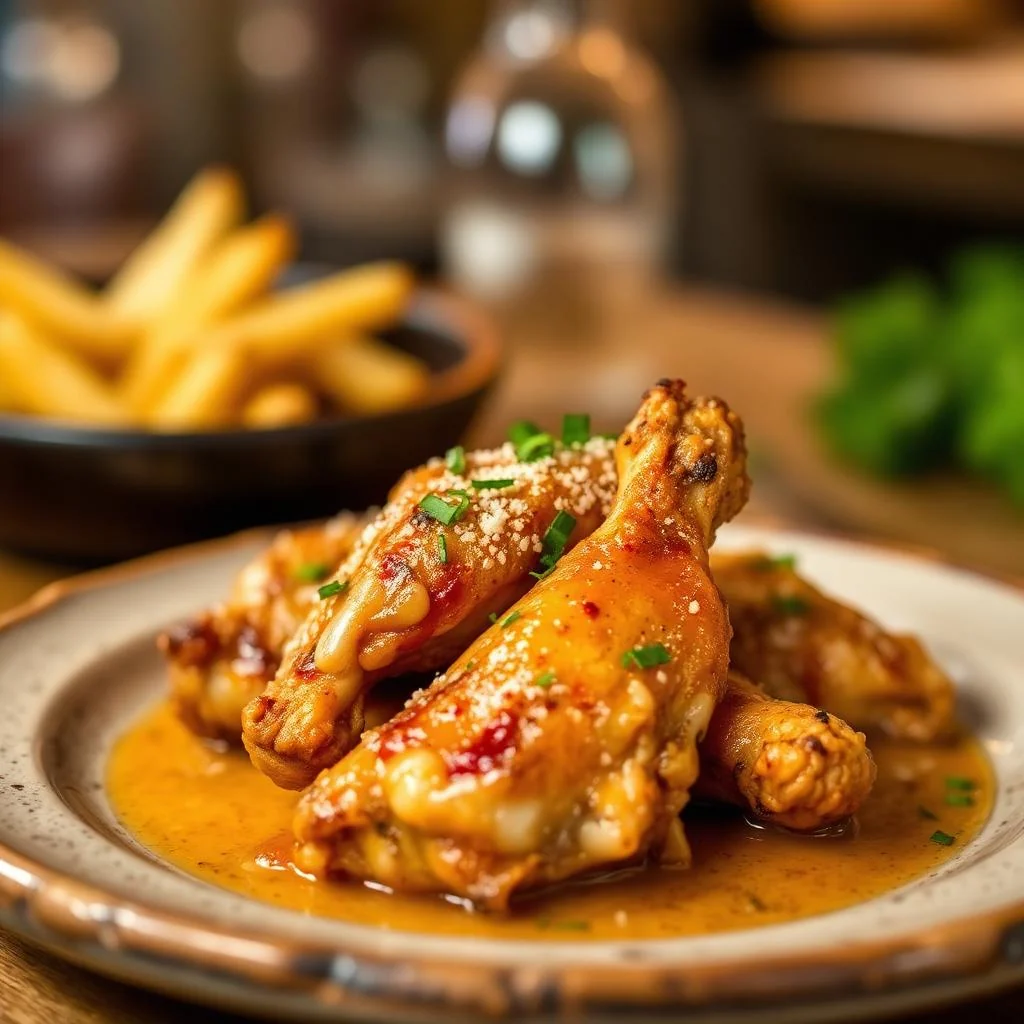
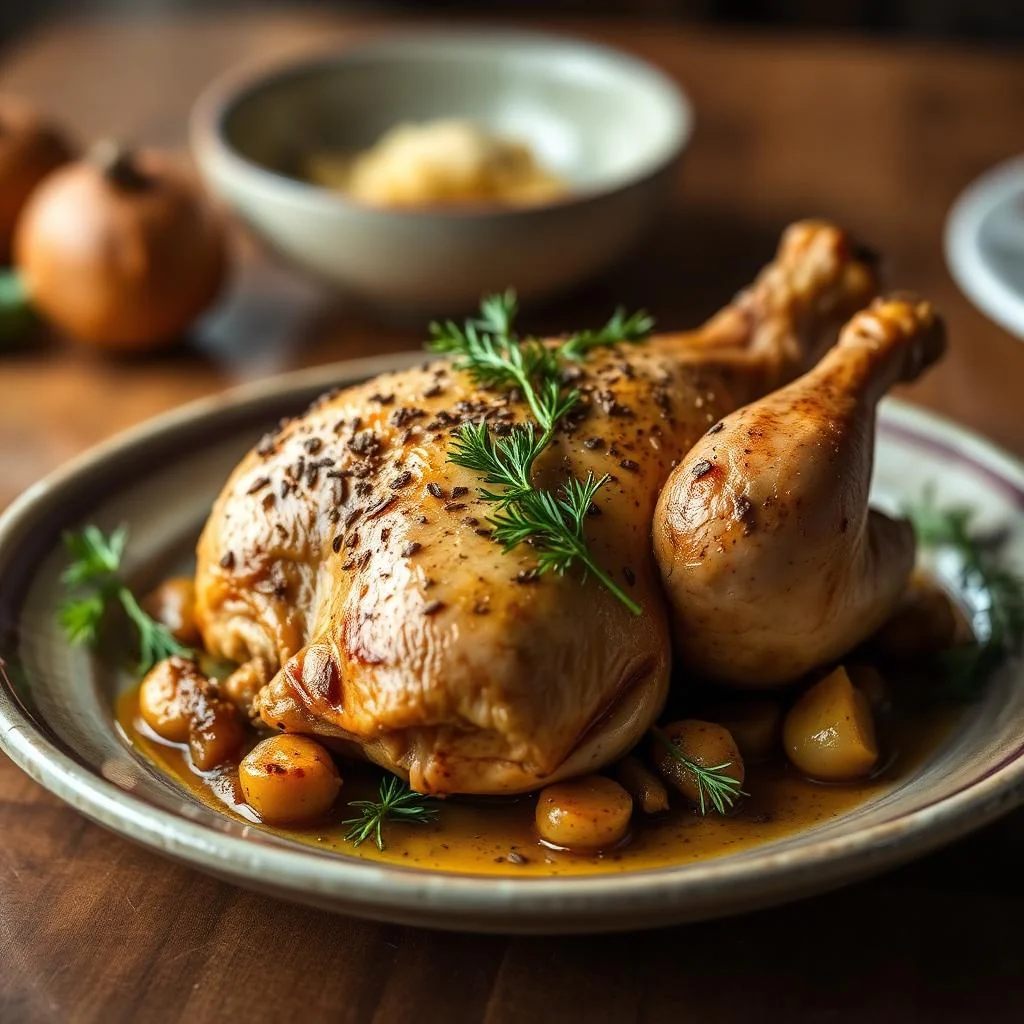
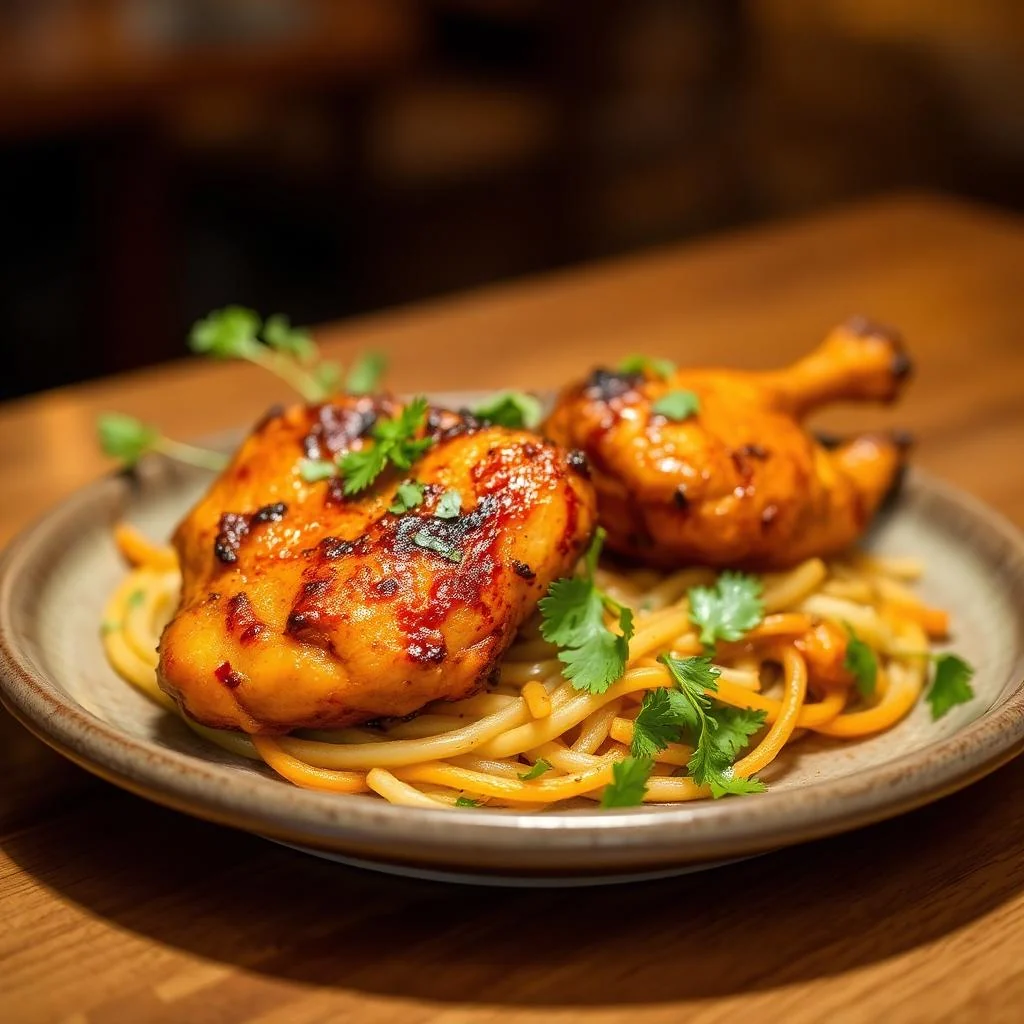
Picture this: golden chicken breasts, their skin crisped to a buttery finish, coated in a glossy glaze that clings like velvet to every surface. The honey’s sweetness cuts through the savory notes of feta, while a subtle heat lingers on the palate, leaving a memorable aftertaste that begs for seconds. The aroma is a heady mix of caramelized honey, aromatic garlic powder, and the earthy tang of feta, all mingling in a fragrant cloud that fills the kitchen. The texture is a delightful contrast—crisp exterior, juicy interior, and a creamy feta melt that adds a luxurious mouthfeel.
What sets this version apart is that it doesn’t rely on heavy sauces or time‑consuming marinades. Instead, it uses a single, bold glaze that brings everything together in a single pan. I dare you to taste this and not go back for seconds; the combination of honey’s sweetness, feta’s tang, and a whisper of heat will leave you craving more. I’ll be honest—when I first tried it, I ate half the batch before anyone else got a bite. Most recipes get this completely wrong by over‑cooking the chicken or under‑seasoning the feta, but here, the balance is spot‑on.
Imagine pulling the finished dish out of the oven and the whole kitchen smelling incredible, with a glaze that glistens like liquid gold. The moment the first bite hits your tongue, the sweet‑spicy honey melts into a silky coating, while the feta provides a subtle brine that cuts through the richness. By the end of this guide, you’ll wonder how you ever made it any other way. Let me walk you through every single step—by the end, you’ll wonder how you ever made it any other way.
What Makes This Version Stand Out
- Taste: The honey’s natural sweetness is amplified by the chili flakes, creating a depth of flavor that is both sweet and fiery. The feta’s briny tang cuts through the richness, keeping each bite fresh.
- Texture: The glaze forms a caramelized crust that cracks like thin ice when you bite, while the inside remains tender and juicy.
- Simple Prep: No marinating or complex spice blends—just a quick toss and a single pan.
- Unique Twist: Hot honey is a game‑changer; it replaces traditional barbecue sauce with an unexpected, luxurious glaze.
- Show‑stopping: The dish looks like a gourmet creation, yet it’s so easy to assemble that even beginners can impress.
- Make‑ahead Friendly: The glaze can be made a day ahead, and the chicken can be reheated without losing its crispness.
- Ingredient Quality: Using a high‑quality feta and organic honey ensures the best flavor profile.
- Versatile Serving: Works as a hearty dinner or a crowd‑pleasing appetizer for parties.
Alright, let's break down exactly what goes into this masterpiece...
Inside the Ingredient List
The Flavor Base
Boneless, skinless chicken breasts are the star of the show. They’re lean, easy to cook, and soak up flavors beautifully. If you prefer a darker color, a quick sear before glazing will add a smoky note. Skipping the chicken would turn this into a side dish; it’s essential for the protein punch.
Feta cheese is a crumbly, salty delight that adds a tangy richness. The feta should be crumbled into the glaze as the chicken finishes cooking, allowing it to melt slightly and coat the surface. If you’re not a fan of feta, you could swap it for goat cheese or a mild blue cheese; the key is a cheese that melts but doesn’t overpower.
The Sweet Heat
Hot honey is a sweet and spicy blend that elevates the dish. The honey’s natural sugars caramelize, while the chili flakes provide a subtle kick that lingers on the tongue. If you can’t find hot honey, infuse regular honey with red pepper flakes for a homemade version. Skipping the honey would reduce the dish to a plain feta chicken.
Olive oil is a heart‑healthy fat that adds moisture and helps the spices adhere to the chicken. It also creates a golden crust when the chicken is seared. Using extra‑virgin olive oil will give a more robust flavor, but a neutral oil works fine if you’re watching the taste profile.
Garlic powder and onion powder give a quick, aromatic depth without the hassle of fresh aromatics. They’re especially handy when you’re in a rush. If you’re sensitive to garlic, reduce the amount or use a garlic‑free alternative; the dish will still shine.
Salt and pepper are essential for seasoning. They bring all the flavors together and elevate the dish. Adjust to taste—some people prefer a salty kick, others a more subtle seasoning. Without them, the chicken would taste flat.
Fresh parsley adds a pop of color and a bright, herbal note. Sprinkle it on top right before serving to keep the green vibrant. If parsley isn’t available, a pinch of dried oregano or basil works as a last‑minute garnish.
Everything’s prepped? Good. Let’s get into the real action...
The Method — Step by Step
- Preheat a large skillet over medium heat and add 1 tablespoon of olive oil. Let the oil shimmer—this is the first hint that the chicken will be golden. Once the oil is hot, add the chicken breasts, skin‑side down if you’ve left the skin on. The sizzle should be audible; that’s the cue that the pan is ready.
- Season both sides of the chicken with salt, pepper, garlic powder, and onion powder. The spices should coat the surface evenly, forming a fragrant crust as the chicken cooks. Flip the chicken after 4–5 minutes, or when the underside is a deep golden brown.
- Once flipped, add the remaining tablespoon of olive oil to the pan, then pour the hot honey over the chicken. The honey should sizzle slightly, forming a glossy glaze that clings to the meat. Stir gently to coat each piece evenly. This is the moment of truth—watch the glaze thicken and the aroma intensify.
- Reduce the heat to low and let the chicken simmer in the honey glaze for 7–8 minutes. The glaze should thicken to a syrupy consistency, and the chicken should reach an internal temperature of 165°F (74°C). If you’re unsure, use a meat thermometer for precision.
- Crumbled feta is added in the last 2 minutes of cooking. Stir the feta into the glaze; it will melt slightly, creating a creamy coating that clings to the chicken. The feta’s saltiness will balance the honey’s sweetness, giving the dish a well‑rounded flavor profile.
- Once the chicken is cooked through, transfer it to a plate and let it rest for 3 minutes. Resting allows the juices to redistribute, ensuring each bite is moist. While resting, drizzle a little more hot honey over the top for an extra glossy finish.
- Serve immediately, optionally accompanied by a simple side of roasted vegetables or a crisp green salad. The contrast between the sweet glaze and the fresh greens will elevate the dining experience. Plate the chicken with the glaze still glossy, and watch the steam rise like a fragrant cloud.
That’s it—you did it. But hold on, I’ve got a few more tricks that will take this to another level…
Insider Tricks for Flawless Results
The Temperature Rule Nobody Follows
Many cooks over‑cook chicken because they’re afraid of under‑cooking it. The trick is to cook on medium heat until the first side is golden, then lower the heat to finish. This ensures a tender interior while preserving the crispy exterior. I once forgot to lower the heat and ended up with dry, rubbery chicken—don’t let that happen to you.
Why Your Nose Knows Best
Smell is a powerful indicator of doneness. When the honey glaze starts to bubble and the aroma becomes rich and caramelized, it’s a sign that the glaze has thickened enough to coat the chicken. Trust your nose; it’s a reliable cue that the dish is ready to move to the next step.
The 5‑Minute Rest That Changes Everything
Letting the chicken rest for 3–5 minutes after cooking allows the juices to redistribute, keeping the meat moist. If you cut into it immediately, the juices will escape, leaving the chicken dry. Resting also helps the glaze set, giving a more cohesive coating.
Keep It Cool When Storing
If you need to store leftovers, cool the chicken completely before refrigerating. Place it in a shallow airtight container to prevent condensation. When reheating, add a splash of water or broth to keep it moist.
Serve With a Simple Side
A side of roasted asparagus or a light quinoa salad complements the sweet‑spicy chicken perfectly. The green, crisp veggies balance the richness and add a fresh burst of color. For a more indulgent option, serve it over creamy mashed potatoes.
Creative Twists and Variations
This recipe is a playground. Here are some of my favorite ways to switch things up:
Smoky Chipotle Version
Replace the hot honey with a chipotle‑infused honey for an extra smoky depth. Add a pinch of cumin to the seasoning mix for a Mexican flair. This variation is perfect for a bold, adventurous palate.
Herb‑Infused Chicken
Swap the parsley garnish for fresh basil or mint. Add a splash of lemon juice to the glaze to brighten the flavor. The herbs give a refreshing contrast to the sweet glaze.
Vegetarian Feta Bowl
Use grilled halloumi or tofu slices instead of chicken. Toss them in the honey‑feta glaze and serve over a bed of quinoa or couscous. This version is a hearty, protein‑rich vegetarian option.
Spicy Sriracha Twist
Mix a teaspoon of sriracha into the hot honey before glazing. The sriracha adds a sharp kick that pairs wonderfully with the feta’s saltiness. This is a favorite for spice lovers.
Breakfast Edition
Serve the chicken with a side of scrambled eggs and toast for a protein‑packed brunch. The sweet‑spicy glaze pairs beautifully with the savory eggs, creating a balanced breakfast.
Storing and Bringing It Back to Life
Fridge Storage
Store leftovers in an airtight container in the refrigerator for up to 3 days. Keep the glaze and chicken separate if you’re worried about sogginess. When ready to eat, reheat in a skillet over medium heat, adding a splash of water or broth to keep the chicken moist.
Freezer Friendly
Freeze cooked chicken in a single layer on a parchment‑lined tray before transferring to a freezer bag. This prevents clumping and makes it easier to portion later. Frozen chicken can be reheated directly in the oven at 350°F for 15–20 minutes.
Best Reheating Method
Reheat in a skillet with a small amount of olive oil or water to create steam, which keeps the chicken juicy. If you prefer a crisp exterior, finish the chicken in a preheated oven for a few minutes. Adding a tiny splash of water before reheating steams the dish back to perfection.