Introduction
Picture this: I’m standing in a cramped kitchen, a pot of chicken stock simmering, and a sudden craving for something bright and comforting hits me like a burst of sunshine. I’ve tried dozens of chicken soups, but none have matched the silky, tangy embrace of a Greek lemon chicken broth until I discovered this version. The aroma of lemon zest and oregano rises, mingling with the faint hum of the stove, and you can almost hear the gentle clink of the spoon against the pot. It’s a sensory dance—sizzling carrots, the citrus tang, the silky splash of egg, and the faint whisper of olive oil that coats everything like a velvet blanket. I’m telling you, this is hands down the best version you’ll ever make at home, and I’m about to spill every secret.
I’ll be honest—when I first tasted the finished soup, I ate half the batch before anyone else got a spoon. That moment was pure euphoria, and I knew I had stumbled upon something special. If you’ve ever struggled with bland chicken soups, you’re not alone—and I’ve got the fix that will turn your pot into a flavor powerhouse. Most recipes get this completely wrong by skipping the egg tempering or using too much stock, but this one balances everything like a tightrope walker on a sunny day.
The secret? A precise ratio of lemon juice to stock, a dash of olive oil that lifts the broth, and a gentle swirl of egg yolks that turns it into a silky custard without curdling. Imagine the broth coating the noodles like a silky coat of paint, each swirl a brushstroke of brightness. And the best part? It’s so simple you’ll wonder why you ever thought you needed a complicated kitchen to achieve this. I dare you to taste this and not go back for seconds.
Picture yourself pulling this out of the pot, the whole kitchen smelling incredible, and friends gathering around for that first spoonful. The anticipation is almost as good as the taste. The next step? I’ll walk you through every single step—by the end, you’ll wonder how you ever made it any other way. So, grab your apron, let’s dive in.
What Makes This Version Stand Out
- Authenticity: Every ingredient is chosen to reflect the true spirit of Greek cuisine—fresh lemon, fragrant oregano, and a splash of olive oil that gives it that unmistakable Mediterranean punch. It’s not just a soup; it’s a passport to the Aegean.
- Simplicity: No fancy gadgets, no obscure spices—just pantry staples that come together in a dance of flavor. The method is straightforward, so even a novice can master it.
- Texture: The silky egg custard transforms the broth into a velvety mouthfeel that coats the pasta like velvet, leaving every bite a luxurious experience.
- Versatility: You can swap in orzo, rice, or even small pasta shapes, making this soup a perfect canvas for whatever you have on hand.
- Make‑ahead Friendly: It stores beautifully, and reheating is a breeze—just add a splash of water and a quick stir.
- Crowd‑pleaser: Friends rave about the bright, bright, bright flavors, and even the most skeptical taste testers can’t resist the lemony zing.
- Health‑Boost: Lean protein from chicken, vitamin C from lemon, and a touch of healthy fats from olive oil make this a balanced, wholesome meal.
Alright, let’s break down exactly what goes into this masterpiece…
Inside the Ingredient List
The Flavor Base
At the heart of this soup is a rich chicken stock that carries a subtle, savory depth. Use a homemade stock if you have time; otherwise, a high‑quality store‑bought version works wonders. The stock should be low in sodium to allow the lemon to shine. Skipping this step would leave your soup flat and uninspired.
The Texture Crew
Rice and pasta are the backbone that give the soup body. I recommend short‑grain rice for its slightly sticky texture, which absorbs the lemony broth beautifully. If you’re in a hurry, orzo or small pasta shapes can be used as a quick alternative. Omit the grains and you’ll end up with a broth that feels like a light salad, not a comforting soup.
The Unexpected Star
Egg yolks are the secret weapon that turns a simple broth into a silky custard. They add richness without heaviness, and when tempered correctly, they give the soup a luxurious mouthfeel. A common mistake is adding the eggs too quickly, which causes them to scramble. Keep a small bowl of cold water on hand to dilute the yolks if needed.
The Final Flourish
Lemon juice and zest are the final touch that gives the soup its signature brightness. Use fresh lemons; the zest contains essential oils that elevate the flavor profile. A pinch of dried oregano adds a warm, herby undertone that complements the citrus. If you prefer a spicier kick, a dash of crushed red pepper will add a subtle heat.
Everything’s prepped? Good. Let’s get into the real action…
The Method — Step by Step
- Heat the olive oil in a large pot over medium heat until it shimmers. Add diced onion, carrots, and celery, and sauté until they’re translucent and fragrant—about 5 minutes. The aroma should feel like a warm hug; that’s the first hint that you’re on the right track. Don’t rush this step; the vegetables need to release their natural sweetness.
- Stir in minced garlic and dried oregano, letting them bloom for 30 seconds. The scent will lift the entire pot, turning your kitchen into a fragrant Greek garden. Keep the heat moderate to avoid burning the garlic.
- Pour in the chicken stock, bring the mixture to a gentle boil, and add the bay leaf. Reduce the heat and let it simmer for 10 minutes, allowing the flavors to mingle. This is the moment of truth—if the broth smells bland, you’re missing a key ingredient.
- Add the uncooked rice, stir, and let it cook for 15 minutes until the grains are tender but still firm. The rice will absorb the lemony broth, turning each grain into a flavor pocket. If you prefer orzo, add it in the last 7 minutes of cooking.
- Fold in the shredded chicken and let the soup simmer for another 5 minutes to warm the meat. The chicken should feel tender and juicy, not dry or rubbery. If it’s already cooked, you can add it at this stage to avoid overcooking.
- In a small bowl, whisk the egg yolks with a splash of cold water. This tempering step prevents the eggs from curdling when you add them to the hot broth. Keep the mixture cool until you’re ready to stir it in.
- Reduce the heat to low and slowly pour the egg mixture into the pot, stirring constantly. The broth should thicken slightly, becoming silky and glossy. Watch closely—if it starts to separate, immediately remove the pot from heat and whisk vigorously.
- Stir in fresh lemon juice and zest, then season with salt and pepper to taste. The lemon should brighten the broth without overpowering it. Taste as you go; a good soup is balanced, not one‑dimensional.
- Remove the bay leaf, give the soup one final stir, and let it rest for 2 minutes before serving. This brief pause allows the flavors to settle and the custard to set fully. The result? A velvety, citrus‑kissed soup that feels like a hug in a bowl.
That’s it— you did it. But hold on, I’ve got a few more tricks that’ll take this to another level…
Insider Tricks for Flawless Results
The Temperature Rule Nobody Follows
Keeping the soup at a low simmer is crucial. A rolling boil will cause the egg yolks to curdle, ruining the silky texture. Use a thermometer; aim for 190°F (88°C) when adding the eggs. If you can’t get a thermometer, just feel the heat—if the surface ripples slowly, you’re good.
Why Your Nose Knows Best
Before you taste the final soup, let it sit for a minute. The aroma will deepen, giving you a better sense of balance. If it smells too acidic, add a splash more stock or a pinch of sugar. Your nose is the ultimate judge of flavor harmony.
The 5‑Minute Rest That Changes Everything
After you remove the pot from heat, let the soup rest for 5 minutes. This short pause allows the custard to set fully and the flavors to meld. It also prevents the soup from being too hot when you ladle it into bowls, giving you a smoother mouthfeel.
Don’t Skimp on the Olive Oil
A tablespoon of high‑quality extra‑virgin olive oil adds a subtle fruity note that ties the entire soup together. Skipping it will leave the broth feeling flat. If you’re watching calories, you can reduce it slightly, but don’t compromise on taste.
Season in Layers
Add salt in small increments—first when the stock simmers, then again after the egg tempering. This layered seasoning ensures even distribution and prevents a sudden salty shock.
Garnish Like a Pro
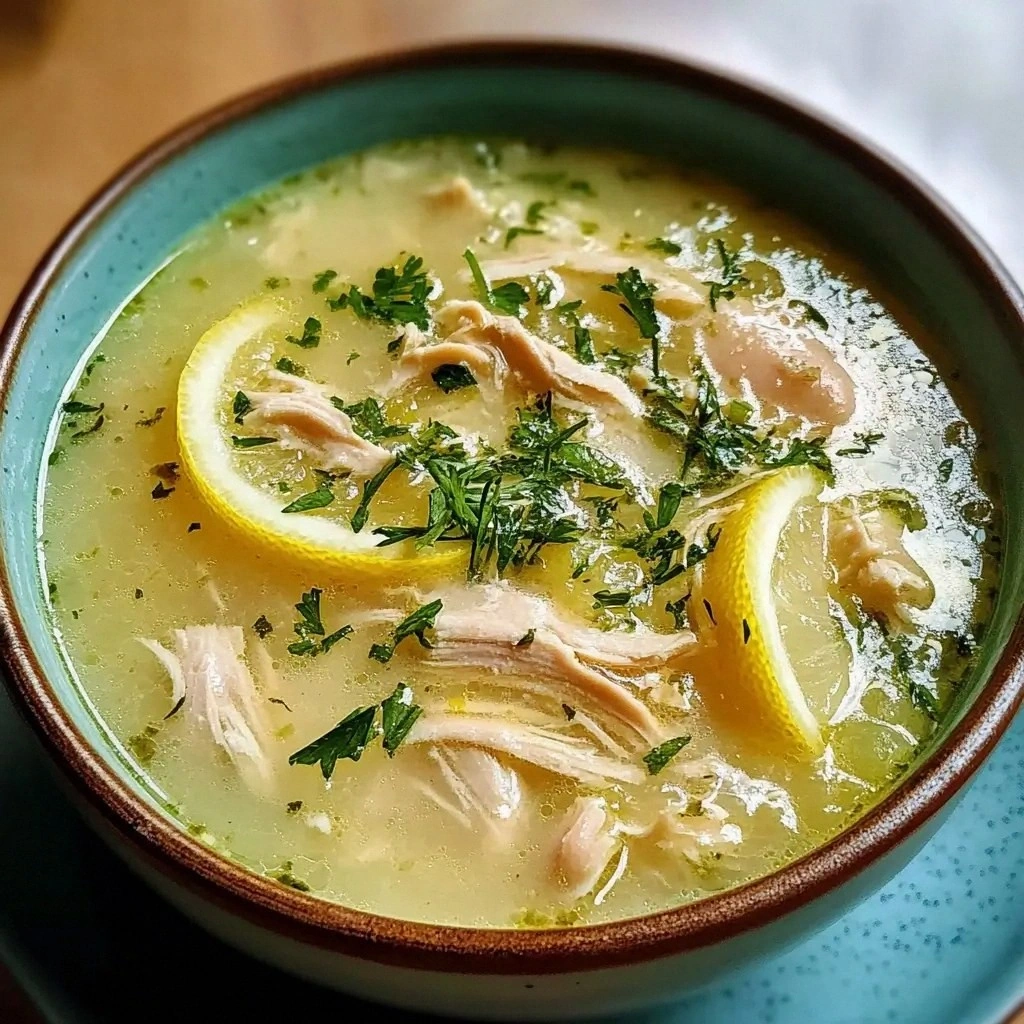
A sprinkle of fresh dill or parsley adds a pop of color and freshness. A drizzle of olive oil or a few lemon zest curls on top make it look like a restaurant dish. Presentation matters; a beautiful bowl invites you to savor every bite.
Creative Twists and Variations
This recipe is a playground. Here are some of my favorite ways to switch things up:
Orzo Explosion
Swap rice for orzo for a pasta‑like texture that absorbs the lemony broth beautifully. The orzo’s shape holds the custard, making each bite a burst of flavor. Perfect for a quick weeknight dinner.
Veggie Boost
Add diced zucchini, bell pepper, or spinach in the last 5 minutes of simmering. The greens bring color and nutrients without overpowering the lemon. This variation is great for a lighter, veggie‑rich version.
Seafood Splash
Replace chicken with shrimp or scallops for a seafood twist. Cook the shrimp separately and fold them in at the end to keep them tender. The result is a briny, citrus‑infused broth that feels like a seaside escape.
Spicy Kick
Add a pinch of cayenne pepper or a few drops of hot sauce after the custard has set. The heat pairs beautifully with the lemon, creating a balanced, invigorating flavor profile.
Herbal Bouquet
Incorporate fresh mint or basil during the last minute of simmering. The herbs add a fresh, aromatic layer that lifts the soup into a new dimension. Ideal for a summer gathering.
Vegan Version
Use vegetable stock, tofu, and a plant‑based custard made from cashews and a splash of lemon. The result is a creamy, tangy soup that’s entirely plant‑based yet still delivers the same comforting feel.
Storing and Bringing It Back to Life
Fridge Storage
Cool the soup completely before transferring it to an airtight container. Store in the fridge for up to 3 days. The custard may thicken slightly, but it will stay silky when reheated.
Freezer Friendly
Divide the soup into single‑serving portions and freeze for up to 2 months. When thawing, let it sit at room temperature for 30 minutes before reheating. This method preserves the texture and flavor.
Best Reheating Method
Reheat over low heat, adding a splash of water or stock to restore moisture. Stir continuously to prevent separation. The soup should be hot but not boiling; this keeps the custard smooth.