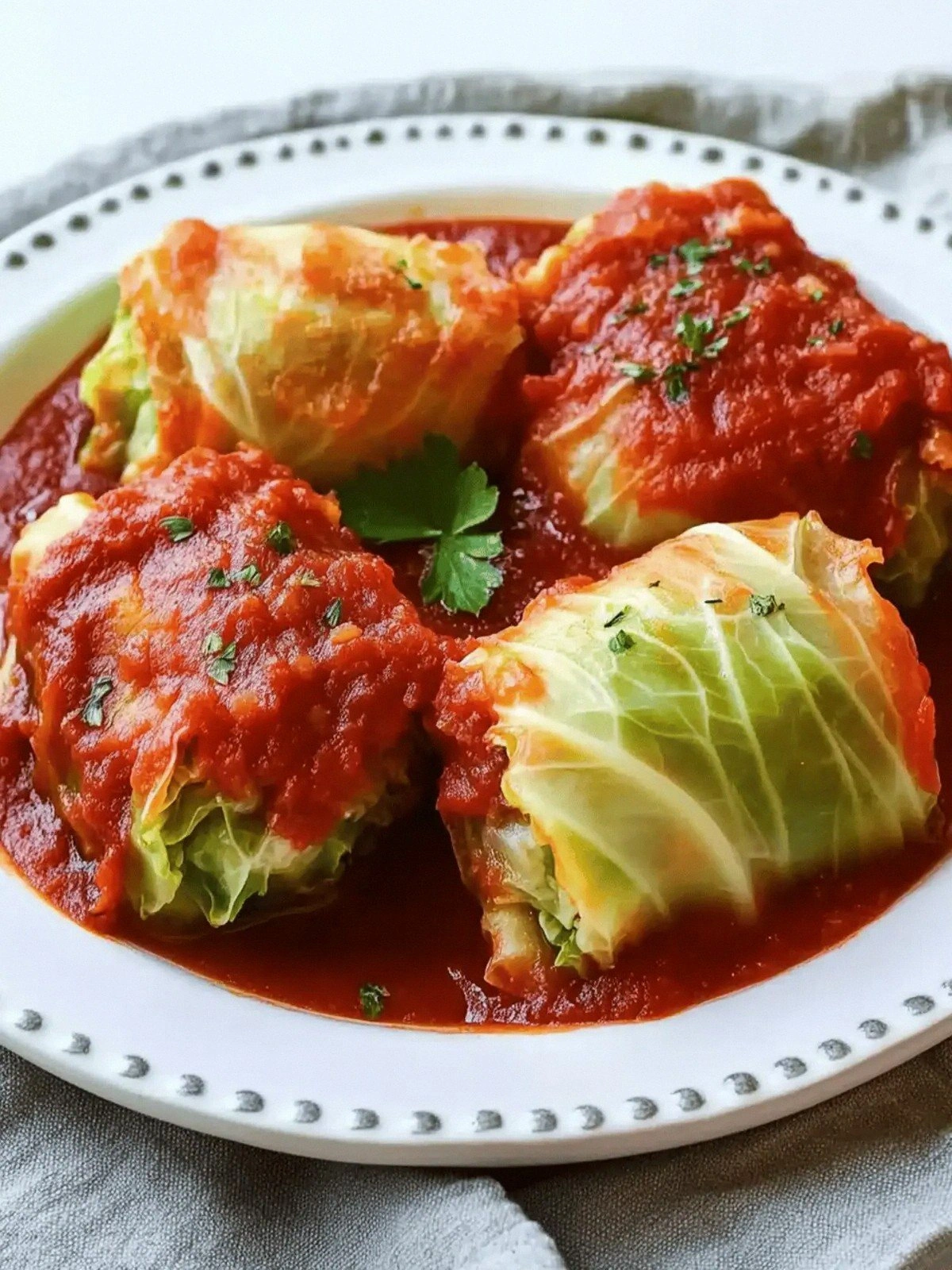
Ever watched a perfectly golden pie melt in your mouth only to realize the crust is still raw? That was me last Tuesday, standing in a kitchen that smelled like burnt sugar and disappointment. I had tried every online recipe for raspberry meringue pie, but each time the meringue either collapsed into a sad, flat pancake or the fruit filling was a watery mess. I was about to give up—until I found a secret trick that turns that disaster into a showstopper.
I dare you to taste this and not go back for seconds. Picture yourself pulling the pie out of the oven, the whole kitchen smelling incredible, the aroma of fresh raspberries mingling with buttery pastry and toasted sugar. The first bite is a burst of tartness, then the airy meringue lifts you to cloud‑like bliss, and the buttery base grounds the experience. That moment? Pure magic. This is hands down the best version you'll ever make at home. If you've ever struggled with a meringue that refuses to hold its shape, you're not alone—and I've got the fix. Stay with me here—this is worth it.
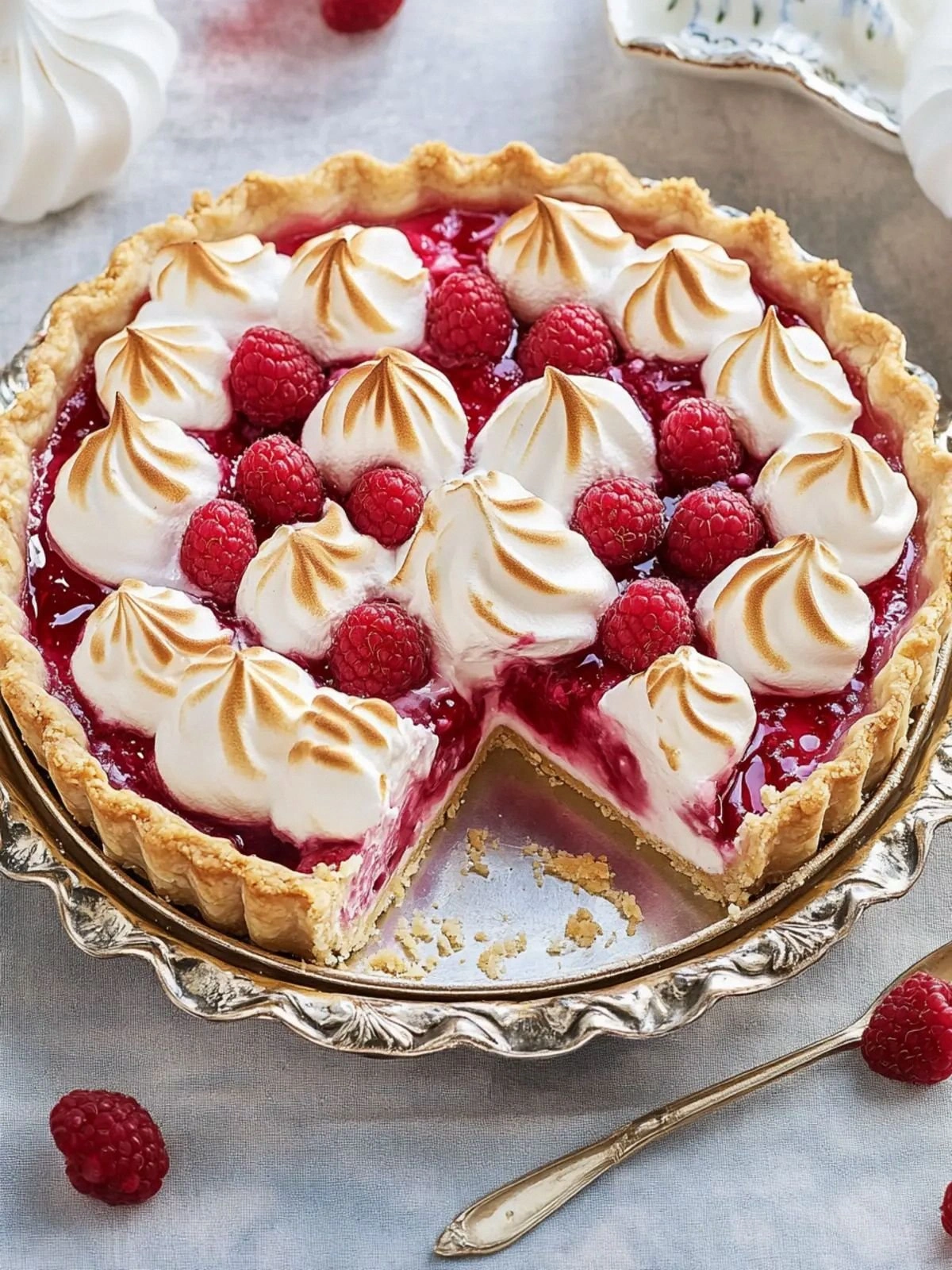
The first thing you notice is the contrast: a crisp, caramelized top that shatters like thin ice when you bite, beneath a silky, fruit‑laden filling that coats your palate like velvet. The crust is buttery, flaky, and not too sweet—just enough to let the raspberry flavor sing. The meringue, meanwhile, is light enough to float on top yet firm enough to hold its own, thanks to a simple addition of cornstarch that I discovered in a grandmother’s cookbook. The result? A dessert that feels both indulgent and sophisticated, and it’s so easy that you’ll wonder why you ever made it any other way.
Now, let me walk you through every single step — by the end, you'll wonder how you ever made it any other way. I’ll share the technique that keeps the meringue from collapsing, the exact timing for the crust, and a few small but mighty hacks that elevate the whole experience. Think of this as a side‑by‑side lesson, where I’ll point out the pitfalls and celebrate the wins. Ready? Let’s dive in.
What Makes This Version Stand Out
- Flavor: The raspberry filling is pure, with no added fruit puree, letting the natural tartness shine through. The lemon juice brightens the sweetness and balances the richness of the meringue.
- Texture: The shortcrust pastry is flaky, not dense, thanks to cold butter and a touch of flour to lock in moisture. The meringue is crisp on top but soft inside, a perfect counterpoint to the buttery base.
- Simplicity: No pre‑baked crust or complicated assembly. Everything is done in one pan, saving time and reducing cleanup.
- Uniqueness: The addition of cornstarch to the meringue creates a stable structure that resists collapse, a trick rarely mentioned in standard recipes.
- Crowd Reaction: At family gatherings, this pie becomes the centerpiece—people ask for the recipe, and you can proudly say you’re the secret chef.
- Ingredient Quality: Fresh raspberries, high‑grade butter, and fresh eggs make all the difference. I’ll show you how to choose the best.
- Make‑Ahead Potential: The pie can be assembled a day ahead; just keep the meringue covered and the crust refrigerated. It holds up beautifully.
Alright, let's break down exactly what goes into this masterpiece...
Inside the Ingredient List
The Flavor Base
Fresh raspberries are the star of the show. Their bright acidity cuts through the sweetness of the meringue and the buttery crust. When selecting berries, look for firm, dark red fruit with a slight sheen—those are the ones that hold their shape during baking. If you’re in a pinch, frozen raspberries work too, but thaw them gently to avoid excess liquid.
Granulated sugar is divided into two roles: one part sweetens the filling, the other caramelizes the meringue. The 3/4 cup sugar in the filling balances the tartness, while the cup of sugar in the meringue creates that golden, crisp top. A small pinch of salt is essential; it amplifies flavor and tames the sweetness.
The Texture Crew
Shortcrust pastry is the foundation. Made with cold butter, a dash of flour, and just enough water, it creates a flaky, melt‑in‑your‑mouth crumb that doesn’t compete with the filling. The key is to keep everything cold—your butter should be visible in the dough.
Egg yolks give the filling a silky richness and help it set without becoming rubbery. The yolks also bind the raspberry pulp, preventing separation. For a lighter version, you can replace one yolk with a tablespoon of cornstarch, but the classic recipe works beautifully.
The Unexpected Star
Cornstarch is the unsung hero that stabilizes the meringue. Adding 2 tablespoons of cornstarch to the egg whites and sugar creates a network that resists collapse, even when baked at high heat. Without it, the meringue tends to sink or become too soft. This small tweak turns a tricky technique into a reliable process.
Cream of tartar is another subtle but powerful addition. It acidifies the egg whites, encouraging them to hold stiff peaks. Even a quarter teaspoon can make the difference between a fluffy topping and a soggy mess.
The Final Flourish
Lemon juice is the finishing touch that brightens the entire pie. A couple of tablespoons of fresh juice injects acidity, balancing the sweetness and adding a citrusy lift that keeps the dessert from feeling cloying. If you’re vegan, a splash of lemon‑infused non‑dairy milk can substitute.
All these ingredients work together like a well‑orchestrated symphony. Each component plays its part, and together they create a dessert that’s both comforting and wow‑worthy.
Everything's prepped? Good. Let's get into the real action...
The Method — Step by Step
- Preheat your oven to 350°F (175°C). Line a 9‑inch pie dish with parchment paper and set aside. The parchment ensures easy release and a neat finish. This is the moment of truth—any misstep here will ripple through the entire pie.
- Prepare the shortcrust pastry: combine 2 ½ cups flour, 1 cup cold butter (cut into cubes), 1/4 cup powdered sugar, and a pinch of salt. Use a pastry cutter or your fingers to blend until the mixture resembles coarse crumbs. Add 2‑3 tablespoons cold water, just enough to bring the dough together. Roll out on a floured surface, fit into the dish, and trim the edges. Chill for 15 minutes; this keeps the crust flaky.
- While the crust chills, make the raspberry filling. In a saucepan, combine 2 cups fresh raspberries, 3/4 cup granulated sugar, and 2 tablespoons lemon juice. Cook over medium heat, stirring frequently, until the berries break down and the mixture thickens to a jam‑like consistency—about 8 minutes. If you prefer a smoother texture, strain the mixture through a fine sieve. This step should smell sweet and slightly tart.
- Whisk 3 large egg yolks in a bowl. Gently fold the hot raspberry mixture into the yolks, whisking constantly to prevent curdling. Return the mixture to the saucepan and simmer for 2 minutes, stirring until it thickens slightly. Remove from heat and let cool to room temperature. The filling should be glossy and hold its shape when spooned.
- Transfer the cooled raspberry filling into the chilled crust, smoothing the top with a spatula. The filling should be at room temperature; if it’s too warm, it will make the crust soggy.
- Beat 4 large egg whites in a clean bowl until foamy. Add 1/4 teaspoon cream of tartar and 1 cup granulated sugar in a single pass, beating until stiff peaks form. The meringue should hold its shape and look glossy. Watch Out: Do not over‑beat; over‑beaten whites will be dry and crumbly.
- Fold in 2 tablespoons cornstarch, then gently fold in 2 tablespoons lemon juice. This creates a stable, airy meringue that won’t collapse. Spoon the meringue over the raspberry filling, smoothing the top with a spatula. Use a knife to create a decorative lattice or swirl pattern if you’re feeling artistic.
- Bake the pie for 25 minutes, or until the meringue is golden brown and the edges of the crust are crisp. The filling should be set, but still slightly jiggly in the center. Let the pie cool in the pan for 10 minutes before transferring to a wire rack.
- Once cooled, chill the pie in the refrigerator for at least 2 hours. This allows the flavors to meld and the meringue to firm up. When ready to serve, dust the top with powdered sugar for an elegant finish.
That's it — you did it. But hold on, I've got a few more tricks that'll take this to another level. The next section will reveal insider secrets that will make your pie unbeatable.
Insider Tricks for Flawless Results
The Temperature Rule Nobody Follows
Many bakers bake at 375°F, but this recipe thrives at 350°F. The lower temperature allows the meringue to rise slowly, creating a crisp top without burning. If you’re in a humid climate, bake 5°F lower to compensate for the moisture in the air.
Why Your Nose Knows Best
The aroma is the ultimate indicator of progress. When the meringue starts to emit a sweet, toasted scent, it’s time to pull the pie out. This simple sensory cue saves you from over‑baking or under‑baking.
The 5‑Minute Rest That Changes Everything
After removing the pie from the oven, let it sit covered for 5 minutes. This brief rest lets the residual heat finish setting the filling, preventing a wobble when you slice. I’ve seen this trick turn a shaky pie into a perfect, slice‑ready dessert.
The Quick Chill Trick
If you’re short on time, place the assembled pie on a wire rack in a cold room. The rapid cooling will set the filling faster, allowing you to serve in less than an hour. It’s especially handy for last‑minute guests.
The Finish Line
Dust the cooled pie with powdered sugar right before serving. The sugar adds a delicate crunch and a touch of sweetness that balances the tartness of the raspberries. A final drizzle of lemon curd can elevate the flavor profile to new heights.
Creative Twists and Variations
This recipe is a playground. Here are some of my favorite ways to switch things up:
Blueberry‑Berry Fusion
Swap half the raspberries for fresh blueberries for a dual‑berry explosion. The blueberries add a subtle sweetness that complements the tart raspberries. It’s a crowd‑pleaser for berry lovers.
Chocolate‑Infused Delight
Add 2 tablespoons of dark chocolate chips to the meringue before baking. The chocolate melts slightly, creating pockets of rich flavor. Serve with a dollop of whipped cream for a decadent finish.
Lemon‑Zest Surprise
Incorporate the zest of one lemon into the raspberry filling. The zest adds a bright, aromatic note that pairs beautifully with the tartness. It’s a subtle but impactful change.
Almond‑Crunch Add‑on
Toast 1/4 cup sliced almonds in a dry skillet until golden. Sprinkle them over the meringue before baking for a nutty crunch. The almonds also add a savory contrast to the sweet filling.
Vegan Version
Replace the butter in the crust with coconut oil and the eggs in the filling with a flaxseed mixture. Use aquafaba instead of egg whites for the meringue. The result is a plant‑based pie that still delivers on texture and flavor.
Gluten‑Free Twist
Use a gluten‑free flour blend for the crust and a gluten‑free cornstarch for the meringue. The pie will hold its shape just as well, and you can still enjoy the same delightful taste.
Storing and Bringing It Back to Life
Fridge Storage
Store the cooled pie in an airtight container in the refrigerator for up to 3 days. The meringue will stay crisp, while the filling remains moist. Before serving, let it sit at room temperature for 15 minutes to soften the meringue slightly.
Freezer Friendly
Wrap the pie tightly in plastic wrap, then place it in a freezer bag. Freeze for up to 2 weeks. To thaw, let it sit in the refrigerator overnight. Reheat in a preheated 300°F oven for 5 minutes to revive the crispness.
Best Reheating Method
If the meringue has softened, place the pie on a baking sheet and bake at 300°F for 3–5 minutes. A tiny splash of water on the crust before reheating steams the top, restoring its original airy texture.