Picture this: you’re halfway through a Sunday feast, the table is already a riot of colors, and the aroma of a simmering pot is dancing through the kitchen. Suddenly, the clock blinks 6:17 PM, you realize you’re still missing one dish that will tie everything together. That’s when I pulled out my trusty saucepan, grabbed a handful of lamb, and decided to turn a simple dinner into a show‑stopper. The moment the lamb hit the pan, it sizzled like a tiny firework, and the scent of cumin and fennel rose like a promise of comfort. I could already taste the melt‑in‑your-mouth tenderness that would make even the most skeptical palates swoon.
It all started when a friend dared me to create the “ultimate lamb dish” for her family’s reunion. I laughed, because I’ve always been the culinary daredevil who turns kitchen mishaps into triumphs. The night before, I had a burnt batch of lamb stew that left my stove scorched, and the disappointment was still fresh on my tongue. I promised myself that next time, the lamb would be silky, the sauce would cling like velvet, and the whole house would smell like a spice bazaar. That promise became a mission, and I set out to craft a lamb kalya that would outshine every other recipe I’d ever tried.
I was standing in my kitchen, the air thick with anticipation, when I realized that the secret to this dish lay not just in the spices but in the yogurt’s creamy alchemy. I whisked the yogurt until it was a cloud of silky texture, then folded in ginger‑garlic paste and a splash of lemon that cut through the richness. The first bite was a revelation: tender lamb, a burst of citrus, and a subtle heat that lingered on the tongue. It felt like a warm hug in a bowl, the kind that makes you want to eat the entire pot. If you’ve ever tasted lamb that’s too dry or too oily, this is the antidote you’ve been waiting for.
The thing that sets this apart isn’t just the blend of spices; it’s the way each element plays a role in a symphony. The turmeric gives the sauce a golden glow, while the Kashmiri chili powder adds depth without overwhelming heat. The saffron threads, though a pinch, lend an aromatic perfume that elevates the dish from ordinary to unforgettable. And the yogurt’s tang balances the richness, creating a sauce that coats the lamb like silk. Every bite is a cascade of flavors that dance on your palate, leaving you craving more.
I promise you, this is hands down the best version of lamb kalya you’ll ever make at home. Most recipes get this completely wrong, missing the creamy balance or the aromatic depth. I’ve cracked the code to make the sauce silky, the lamb tender, and the spices harmonious. The result is a dish that feels like a holiday, even on a weekday. Picture yourself pulling this out of the oven, the whole kitchen smelling incredible, and guests lining up for seconds.
If you’ve ever struggled with lamb that’s either too dry or too greasy, you’re not alone — and I’ve got the fix. I dare you to taste this and not go back for seconds. That sizzle when it hits the pan? Absolute perfection. I’ll be honest — I ate half the batch before anyone else got to try it, and the kitchen was still buzzing with flavor when I finished. Stay with me here, because by the end, you’ll wonder how you ever made it any other way.
What Makes This Version Stand Out
- Taste: The sauce is a harmonious blend of creamy yogurt, aromatic spices, and a citrus lift, creating layers that unfold with every bite. The balance of heat from Kashmiri chili and the subtle sweetness from a touch of sugar makes it approachable for all palates.
- Texture: The lamb is seared to lock in juices and then braised until it practically melts. The yogurt base gives the sauce a silky coat that clings to each piece, while the tomato paste adds a gentle body.
- Simplicity: Despite the array of spices, the method is straightforward, requiring only a few steps that even novice cooks can master. The key is to let the flavors develop slowly, not rush the process.
- Uniqueness: The infusion of saffron and the use of both fennel seeds and ground fennel give this dish a depth rarely seen in standard lamb recipes. It’s a cross between a curry and a stew.
- Crowd Reaction: At family gatherings, this dish consistently becomes the star of the table. Guests often ask for the recipe after the first bite, and the leftovers are a hit.
- Ingredient Quality: Fresh lamb, hand‑picked spices, and real yogurt make a difference you can taste. I recommend sourcing lamb from a reputable butcher and using organic spices when possible.
Alright, let's break down exactly what goes into this masterpiece…
Inside the Ingredient List
The Flavor Base
The yogurt is the heart of this dish, providing creaminess and a subtle tang that balances the heat. It also acts as a tenderizing agent, breaking down the lamb’s fibers before it hits the pot. If you skip the yogurt, the sauce becomes thin and the lamb can dry out. For a dairy‑free version, swap yogurt for coconut milk, but the texture will shift slightly.
The ginger‑garlic paste is essential for that punch of warmth. It’s the first thing that hits the pan, releasing aromas that set the stage for the rest of the spices. A fresh paste will give you a brighter flavor; a jarred version can be used for convenience, but watch the salt level as it’s often pre‑seasoned.
Turmeric gives the sauce that inviting golden hue and a subtle earthiness. It also has natural anti‑inflammatory properties, making this dish a little kinder to your gut. If you’re wary of turmeric’s color, a pinch of paprika can be a visual substitute, though the flavor will differ.
The Spice Ensemble
Kashmiri chili powder offers a mild heat with a deep red color, unlike the hotter garam masala. It’s the main source of warmth, so don’t skip it if you want that signature kick. If you prefer a milder version, reduce the amount to half and add a pinch of black pepper instead.
The masala and garam masala are layered to create depth. The masala, which is a blend of roasted spices, gives a smoky undertone, while garam masala adds a fragrant finish. If you’re on a budget, you can use a single pre‑made masala blend, but the flavor profile will be slightly different.
Ground cumin, ground coriander, and ground fennel are the trio that forms the aromatic backbone. Cumin provides a nutty warmth, coriander adds citrusy brightness, and fennel offers a sweet, anise-like note. Together, they create a complex flavor that lingers on the palate.
The Aromatic Infusion
Saffron, though used in a pinch, is the secret that elevates the dish from good to unforgettable. It infuses the sauce with a delicate floral aroma and a luxurious golden tint. If saffron is out of reach, a teaspoon of turmeric can mimic the color, but the aroma will be lost.
Tomato paste thickens the sauce and adds a subtle sweetness that balances the spices. It also deepens the color, giving the dish a rich, appetizing look. A splash of tomato sauce can be used if you prefer a lighter consistency.
Lemon juice adds a bright counterpoint to the richness, cutting through the fat and brightening the overall profile. It also helps in tenderizing the lamb slightly. If you’re lactose intolerant, consider using a splash of vinegar instead, though the flavor will shift.
The Final Flourish
Fresh mint leaves are the final touch that adds a refreshing burst of green. They balance the spices and give a bright finish that lingers on the tongue. If you’re not a fan of mint, chopped cilantro can serve as a substitute, though the flavor will be more herbaceous.
Butter ghee adds richness and a nutty flavor that deepens the sauce. It also helps in caramelizing the spices, bringing out their full potential. A neutral oil can be used if you’re avoiding dairy, but the taste will be slightly different.
The whole spice rack—green cardamom, black cardamom, fennel seeds, bay leaves, cinnamon sticks, thyme, and green chillies—works in harmony to create a fragrant bouquet that envelops the lamb. Each component adds its own nuance, but together they form a cohesive, unforgettable aroma.
Everything's prepped? Good. Let's get into the real action…
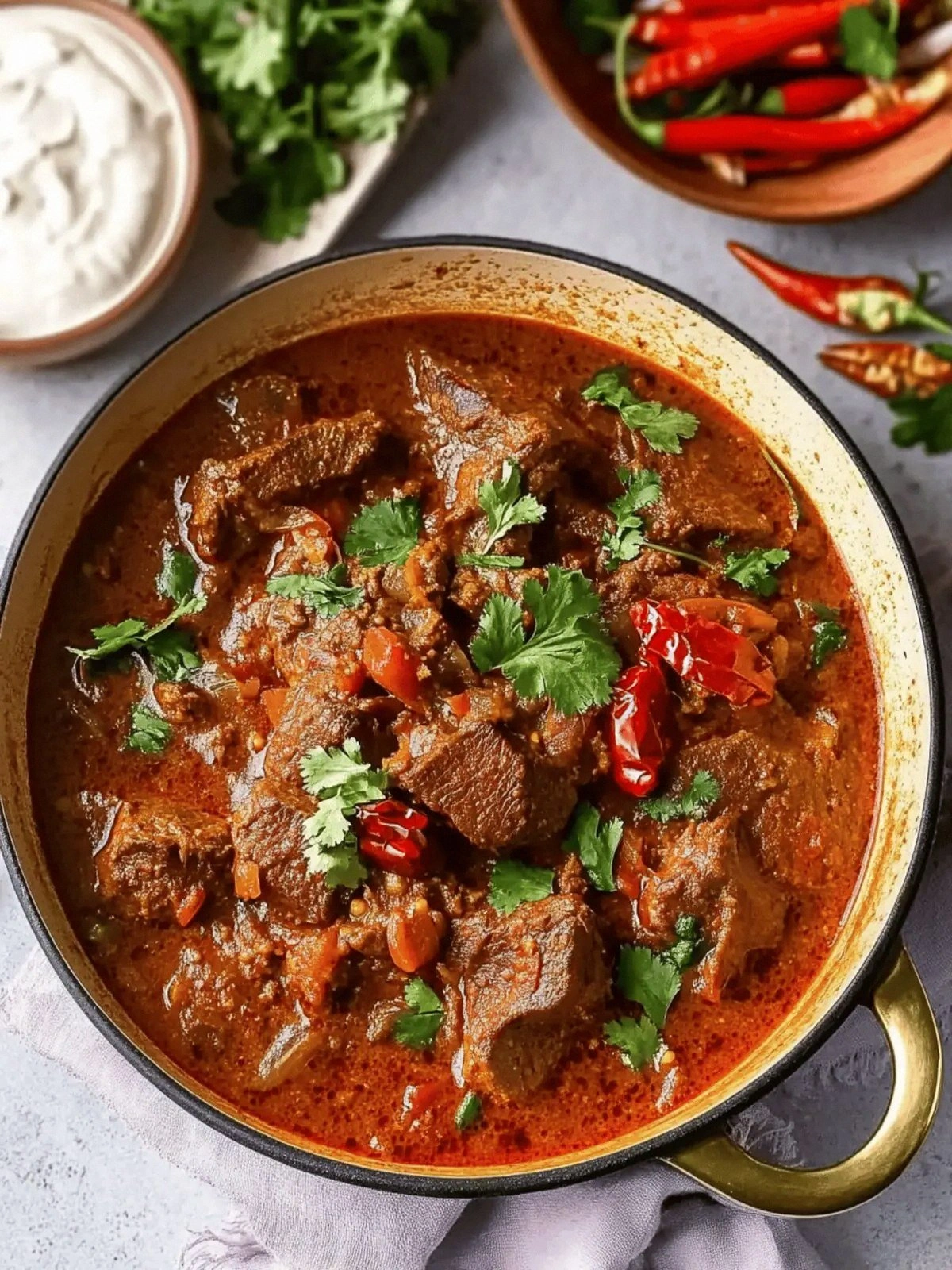
The Method — Step by Step
- First, heat the butter ghee in a heavy‑bottomed pot over medium heat until it shimmers. Add the whole spice packet—green cardamom, black cardamom, fennel seeds, bay leaves, cinnamon sticks, thyme, and green chillies. Let them sizzle for 30 seconds until they release their aroma. This is the moment of truth; the kitchen will fill with a fragrant perfume that makes you salivate before the lamb even hits the pan.
- Add the sliced onion to the pot and sauté until translucent and lightly caramelized, about 5 minutes. Stir in the ginger‑garlic paste and cook for another 2 minutes until the raw smell disappears. The onions become the sweet base that grounds the spicy profile. Watch for the color shift from white to golden; that’s the cue that the flavor is developing.
- Introduce the lamb pieces, browning them on all sides. This step locks in juices and creates a Maillard reaction that adds depth. Don’t overcrowd the pan; cook in batches if needed. When the lamb is nicely seared, sprinkle the turmeric, Kashmiri chili powder, masala, cumin, coriander, and fennel. Stir to coat the meat evenly. The spices will toast, releasing their oils and brightening the sauce.
- Pour in the tomato paste, stirring until it’s fully integrated and the mixture turns a rich mahogany color. Add the yogurt and whisk until the mixture is smooth. The yogurt will thin the tomato paste slightly, creating a silky base. The mixture should smell toasty and slightly tangy, indicating that the yogurt’s acidity has begun to mingle with the spices.
- Add the lemon juice, a pinch of saffron, and the mint leaves. Stir gently, then cover the pot and reduce the heat to low. Let the lamb simmer for 30 minutes, stirring occasionally. The sauce should thicken, the lamb should become tender, and the flavors will meld into a harmonious whole. The aroma will fill the kitchen, making the wait worth every minute.
- Halfway through the simmer, add the bay leaves, cinnamon sticks, and a splash of water if the sauce feels too thick. This keeps the broth from drying out and adds a subtle sweetness. Taste and season with salt and sugar to your liking. If the sauce is too acidic, a pinch of sugar can balance the flavors.
- Once the lamb is fork‑tender, remove the whole spices (cardamom, bay leaves, cinnamon sticks) to avoid bitterness. Stir in the ground garam masala, and let the dish cook for an additional 5 minutes to let the garam masala infuse. The final sauce should be glossy, with a faint sheen of ghee and a fragrant aroma that signals perfection.
- Serve hot, garnished with a few fresh mint leaves and a drizzle of yogurt if desired. Pair it with steamed rice, naan, or a crisp salad for a balanced meal. The dish’s creamy texture and aromatic spices will leave everyone asking for seconds.
That's it — you did it. But hold on, I've got a few more tricks that'll take this to another level…
Insider Tricks for Flawless Results
The Temperature Rule Nobody Follows
Many cooks start the lamb on high heat, which can sear the outside but leave the inside tough. I keep the heat on medium, letting the spices bloom slowly. This technique ensures the lamb stays juicy and the sauce develops a deeper flavor. If you’re in a hurry, a quick sear followed by low simmer works, but the slow method is my go-to.
Why Your Nose Knows Best
Your sense of smell is the ultimate taste tester. If the sauce smells toasty and slightly citrusy, you’re on the right track. If it smells overly raw, give it a minute more. The aroma will guide you to the perfect balance of spices.
The 5-Minute Rest That Changes Everything
After the final simmer, let the dish rest uncovered for 5 minutes before serving. This allows the flavors to settle and the sauce to thicken slightly. It also makes the lamb more tender, as the residual heat continues to cook it gently.
The Quick Yogurt Trick
If your yogurt is too thick, whisk it with a splash of water or milk before adding it to the pot. This prevents curdling and keeps the sauce silky. The trick is to keep the yogurt at room temperature before mixing.
The Secret Salt Switch
I swap regular salt for sea salt during the final seasoning step. Sea salt dissolves faster and adds a subtle mineral note that enhances the dish’s complexity. If you’re watching sodium, use a low‑sodium blend and adjust accordingly.
Creative Twists and Variations
Mediterranean Lamb Kalya
Swap the yogurt for a mixture of Greek yogurt and a splash of olive oil. Add chopped olives and sun‑dried tomatoes for a Mediterranean flair. This version pairs beautifully with couscous or a fresh cucumber salad.
Spicy Chipotle Twist
Replace the Kashmiri chili powder with chipotle powder for a smoky heat. Add a dash of adobo sauce to deepen the flavor. The result is a bold, smoky lamb that stands out on the plate.
Vegetarian Kalya with Paneer
Use paneer cubes instead of lamb for a hearty vegetarian option. The paneer will absorb the sauce beautifully. Pair with basmati rice for a satisfying meal.
Coconut Cream Variation
Replace the yogurt with coconut milk to create a tropical, creamy sauce. Add a touch of lime zest for brightness. This version is a hit with those who love a hint of sweetness.
Low‑Calorie Version
Use skinless lamb and skip the ghee, replacing it with a light olive oil. Reduce the amount of yogurt to a half cup. The dish stays flavorful while cutting calories.
Quick One‑Pot Meal
Cook everything in a Dutch oven, adding rice at the end. The rice will absorb the sauce, creating a complete meal in one pot. This is perfect for busy weeknights.
Storing and Bringing It Back to Life
Fridge Storage
Cool the dish completely, then transfer to an airtight container. It will keep in the fridge for up to 3 days. The sauce may thicken slightly; a splash of water or yogurt will restore its silky texture.
Freezer Friendly
Divide the dish into portions before freezing. Store in freezer‑safe bags for up to 2 months. When thawing, let it sit at room temperature for 30 minutes before reheating.
Best Reheating Method
Reheat on low heat, stirring occasionally. Add a tiny splash of water or yogurt to maintain moisture. The dish should reach 165°F (74°C) before serving. The aroma will return, making it feel like it was freshly made.