Picture this: a Saturday night, a frantic call from a friend who needs a dinner in under an hour, and the kitchen lights flickering as you scramble to gather ingredients. I was staring at a bag of fettuccine and a frozen shrimp pack, feeling the familiar panic that comes with last‑minute meal prep. Then I remembered a recipe that had turned a kitchen mishap into a culinary triumph—an Alfredo that was so silky it practically slid off the spoon. The moment the butter hit the pan, the scent of caramelized garlic filled the room, and the sound of a sizzling base echoed like applause. If you’ve ever felt the dread of a sauce that turns out too thick, too thin, or just plain wrong, this version is the antidote you’ve been waiting for.
What makes this recipe stand out is not just the creamy texture or the generous shrimp; it’s the subtle orchestration of flavors that makes every bite feel like a small celebration. I dare you to taste this and not go back for seconds, because the balance of salt, pepper, and Parmesan will have you reaching for the spoon again and again. Most recipes get this completely wrong, either by over‑cooking the pasta or under‑seasoning the sauce. Here, the pasta is al dente, the sauce is silky without being heavy, and the shrimp is just the right amount of pink and juicy. Picture yourself pulling this out of the pan, the whole kitchen smelling incredible, and realizing that the secret is in the timing and the quality of the ingredients.
Imagine the sauce coating the pasta like velvet, each strand of fettuccine wrapped in a cloud of butter and cream, punctuated by bright bursts of garlic and a whisper of pepper. The shrimp adds a satisfying bite and a pop of color that transforms the dish from ordinary to extraordinary. I’ll be honest—I ate half the batch before anyone else got a chance to try it, and it was a moment of pure culinary joy. If you've ever struggled with this dish, you're not alone—and I've got the fix. Let me walk you through every single step—by the end, you'll wonder how you ever made it any other way.
What Makes This Version Stand Out
- Texture: The sauce is silky yet substantial, thanks to a precise ratio of butter to cream that creates a mouth‑watering consistency without clumping.
- Flavor: Garlic is toasted to a golden hue, releasing a nutty aroma that elevates the dish beyond the usual Alfredo profile.
- Protein: Shrimp adds a lean protein punch, giving the dish a satisfying bite and a subtle briny undertone that contrasts the richness.
- Simplicity: The recipe uses only a handful of pantry staples, making it a go‑to option for busy nights without compromising on taste.
- Make‑ahead: The sauce can be prepared ahead of time and reheated without losing its velvety texture, making it ideal for entertaining.
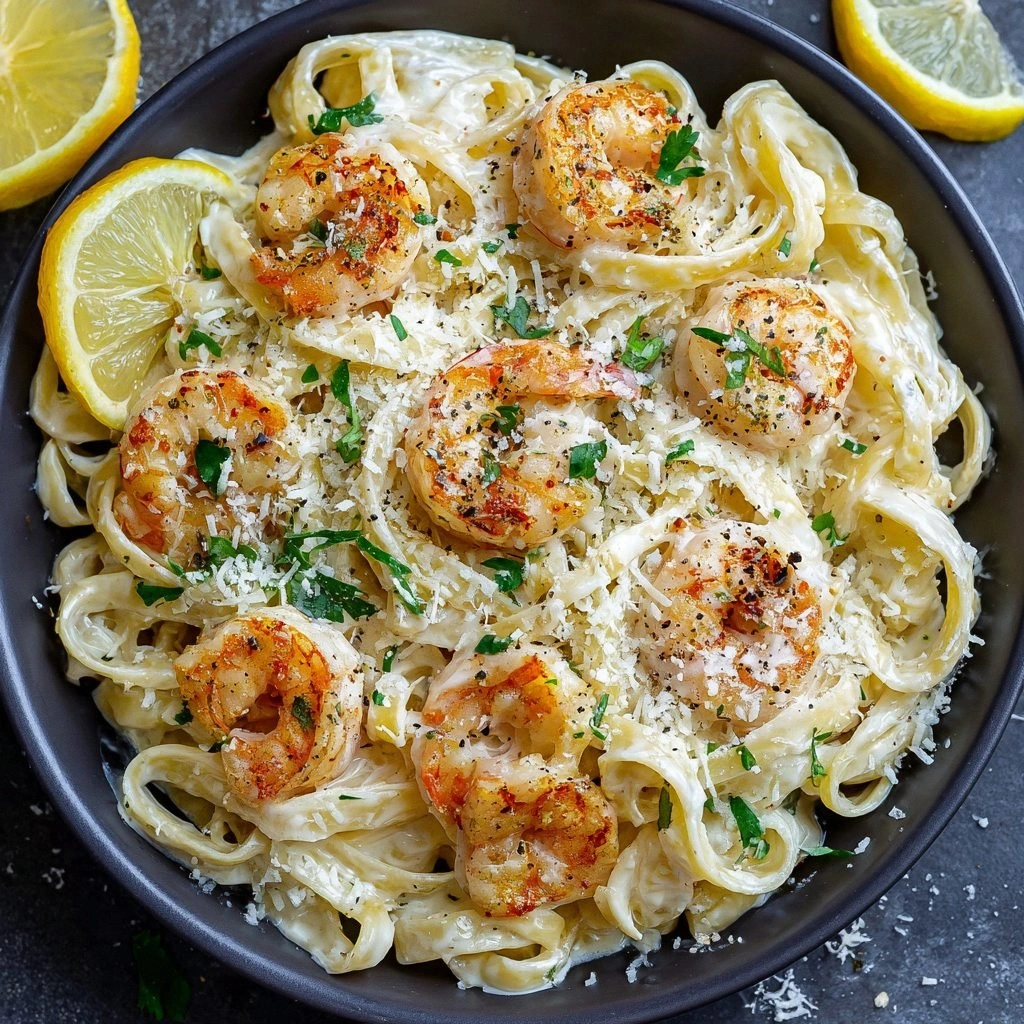
- Presentation: A sprinkle of fresh parsley and a dusting of Parmesan finish the dish with color and depth, turning it into a feast for the eyes.
Alright, let's break down exactly what goes into this masterpiece…
Inside the Ingredient List
The Flavor Base
At the heart of any great Alfredo is a robust flavor foundation that starts with butter and garlic. The butter melts into a golden pool that carries the garlic’s aroma, while the minced cloves release a subtle sweetness that counters the richness of the cream. If you skip the garlic, you lose that essential depth, and the dish becomes a plain, buttery mess. For a subtle twist, toast the garlic until it’s just beginning to brown; this brings out a nutty undertone that lingers on the palate. When selecting butter, opt for unsalted to keep the salt level under control—this gives you full command over the final seasoning.
The Texture Crew
Heavy cream is the backbone of the sauce’s luxurious mouthfeel. Its high fat content ensures a velvety coating that clings to every strand of pasta, creating a sensation of silk on the tongue. A common mistake is using low‑fat or non‑fat cream, which results in a watery sauce that separates quickly. If you’re watching calories, a half‑and‑half alternative can be used, but be prepared to add a splash of milk to maintain the same consistency. The Parmesan cheese adds body and a subtle nuttiness; freshly grated yields a melt that integrates seamlessly into the sauce.
The Unexpected Star
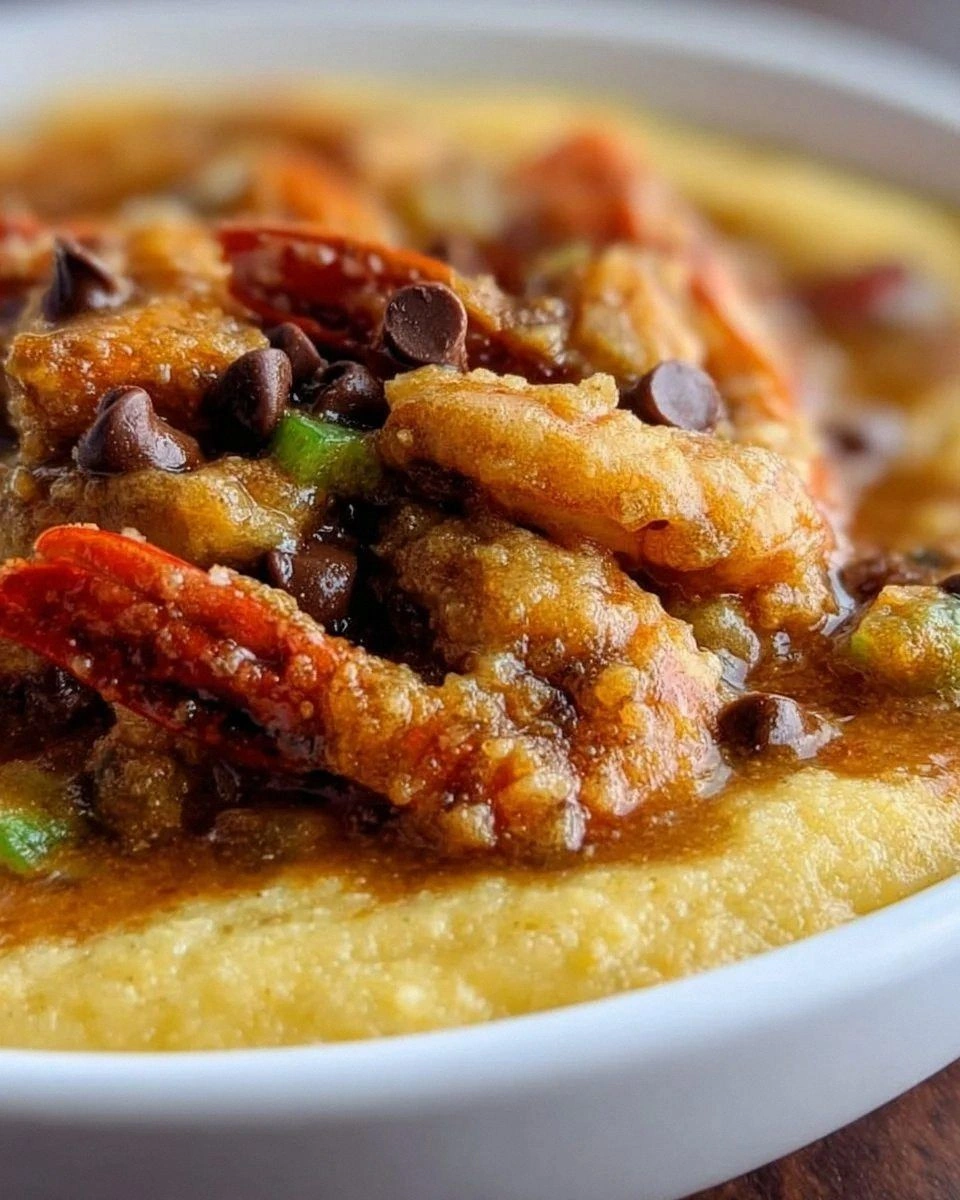
Shrimp is the dish’s secret weapon, adding a protein punch and a burst of briny flavor that cuts through the richness. Fresh shrimp is ideal, but frozen shrimp works just as well if thawed properly and pat‑dry to avoid excess water. If you prefer a milder taste, you can replace shrimp with diced chicken or even sautéed mushrooms for a vegetarian option. The key is to cook the shrimp just until it turns pink, which preserves its tenderness and juiciness.
The Final Flourish
Fresh parsley offers a bright, herbaceous finish that balances the richness of the sauce. A squeeze of lemon juice can also be added for a citrusy lift, but keep it minimal to avoid overpowering the dish. Salt and pepper are the final seasoning checks; taste the sauce before tossing in the pasta, and adjust as needed. Remember that the pasta water contains starch that helps the sauce cling to the noodles—don’t forget to reserve a cup before draining. With these final touches, the dish achieves a harmonious balance of flavors and textures.
Everything's prepped? Good. Let's get into the real action…
The Method — Step by Step
- Bring a large pot of salted water to a rolling boil. Add the fettuccine and cook until it reaches al dente, about 9–10 minutes. Reserve a cup of pasta water before draining; this starchy liquid will help the sauce cling to the noodles. While the pasta cooks, heat a large skillet over medium heat and add the butter. Watch it melt into a golden pool, and add the minced garlic. The garlic should sizzle softly, releasing a fragrant aroma that signals it’s ready.
- When the garlic is translucent, pour in the heavy cream. Stir constantly to avoid scorching, and let the mixture come to a gentle simmer. As the cream thickens, add the grated Parmesan, whisking until it’s fully incorporated. The sauce should become glossy and slightly thickened—if it’s still watery, let it simmer a bit longer. Taste and season with salt and pepper, adjusting to your preference.
- Increase the heat to medium‑high and add the shrimp to the skillet. Sauté for 2–3 minutes on each side until the shrimp turns pink and opaque. This quick sear locks in moisture and gives the shrimp a slightly crisp edge that contrasts with the creamy sauce. If the shrimp starts to stick, give the pan a quick splash of pasta water to loosen the mixture.
- Add the drained fettuccine directly to the sauce, tossing vigorously to coat each strand. If the sauce feels too thick, add a splash of the reserved pasta water until you reach your desired consistency. The pasta should be slick with sauce, and the heat should be just warm enough to keep the dish steaming. Stir in the chopped parsley, letting its bright green color brighten the plate.
- Serve immediately, topped with a generous dusting of extra Parmesan and a final crack of black pepper. The dish should look glossy, the pasta strands should be coated in a creamy sauce, and the shrimp should be pink and juicy. If you’re plating for guests, arrange the shrimp on top of the pasta for an elegant presentation. Remember, the sauce is at its peak when served hot—don’t let it cool and thicken.
That’s it—you did it. But hold on, I’ve got a few more tricks that will take this to another level. These insider tips will ensure your Alfredo stays smooth, your shrimp stays succulent, and every bite is a triumph.
Insider Tricks for Flawless Results
The Temperature Rule Nobody Follows
Many cooks lower the heat after adding the cream, but the sauce needs to stay at a gentle simmer to prevent separation. Keep the heat at medium and stir constantly; this ensures the fats emulsify properly. When you add the Parmesan, wait until the sauce is just off the boil—this avoids the cheese from clumping. If the sauce starts to look oily, simply lower the heat and whisk vigorously. This small adjustment can mean the difference between a silky sauce and a greasy mess.
Why Your Nose Knows Best
Before you season, give the sauce a quick sniff. The aroma of toasted garlic and butter should be unmistakable; if it feels flat, it’s time to adjust. A well‑seasoned sauce will have a depth that lingers on the palate, not just a burst of salt. Trust your senses—your nose is a reliable guide to flavor balance. This technique saves countless hours of trial and error in the kitchen.
The 5‑Minute Rest That Changes Everything
After cooking, let the dish rest for five minutes off the heat. This allows the flavors to meld and the sauce to thicken slightly, creating a more cohesive bite. The pasta will absorb some of the sauce, making each mouthful richer. This simple step is often overlooked but is essential for a restaurant‑quality finish.
Freshness Is King
Using fresh shrimp and high‑quality Parmesan makes a noticeable difference. Fresh shrimp hold their shape better, while aged Parmesan brings a complex nutty flavor. If you’re using frozen shrimp, thaw them in cold water and pat them dry before cooking. This prevents excess moisture from diluting the sauce.
The Right Pasta Water
Reserve at least a cup of pasta water before draining. The starchy water is the secret to a silky sauce that clings to noodles. Add it gradually while tossing the pasta with the sauce; the water will help the sauce coat each strand evenly. This trick is a staple in Italian cooking and can elevate any pasta dish.
Creative Twists and Variations
This recipe is a playground. Here are some of my favorite ways to switch things up:
Spinach and Sun‑Dried Tomato Alfredo
Sauté fresh spinach and chopped sun‑dried tomatoes with the garlic for a burst of umami. The spinach adds a subtle earthiness, while the tomatoes bring a sweet tang. Swap the shrimp for sliced chicken breast for a lean protein option. The result is a colorful, flavorful twist that’s still creamy and comforting.
Mushroom Medley Alfredo
Replace shrimp with a mix of wild mushrooms—cremini, shiitake, and porcini—for a rich, earthy flavor. Sauté the mushrooms until they release their juices and caramelize slightly. The mushrooms absorb the sauce beautifully, creating a depth that’s both hearty and elegant.
Cajun Shrimp Alfredo
Add a pinch of Cajun seasoning to the shrimp before cooking for a spicy kick. The heat pairs well with the creamy sauce, creating a dynamic contrast. Finish with a sprinkle of chopped green onions for freshness and color.
Lemon‑Herb Shrimp Alfredo
Brighten the dish with a squeeze of fresh lemon juice and a handful of chopped basil or thyme. The citrus lifts the richness, while the herbs add a fragrant aroma. This variation is perfect for spring or summer gatherings.
Vegan Alfredo with Cashews
For a dairy‑free version, blend soaked cashews with vegetable broth and nutritional yeast to create a creamy base. Use coconut milk instead of heavy cream for a tropical twist. Cook the pasta in salted water and toss with the cashew sauce, then add sautéed shrimp or tofu for protein. This version is both indulgent and plant‑based.
Storing and Bringing It Back to Life
Fridge Storage
Store leftovers in an airtight container for up to three days. Keep the sauce separate from the pasta if possible; this prevents the noodles from becoming soggy. When ready to reheat, add a splash of water or milk to the sauce to restore its creamy texture.
Freezer Friendly
The sauce freezes well for up to two weeks. Freeze the sauce in a freezer‑safe container, and store the pasta separately. When reheating, thaw the sauce in the microwave, stirring frequently, and add a bit of milk or cream to loosen it. The shrimp can also be frozen, but it’s best to reheat it quickly to avoid overcooking.
Best Reheating Method
Reheat the sauce over low heat, stirring constantly until it’s hot and smooth. If the sauce has thickened, whisk in a small amount of pasta water or milk to reach the original consistency. The key is gentle heat—high temperatures can cause the sauce to split or the shrimp to toughen. Once heated, toss the pasta back in the sauce and serve immediately for the best texture.