I remember the night I nearly turned my kitchen into a molten lava pit. A half‑finished pot of cheese sauce had spilled onto the counter, the milk curdled into a gooey mess, and I stared at the blackened skillet with a mix of horror and disbelief. That disaster became the catalyst for my obsession with the perfect baked mac and cheese. I spent the next week scouring forums, watching YouTube tutorials, and experimenting with every cheese I could find, until I finally cracked the code that turns a humble pasta dish into a show‑stopping comfort food.
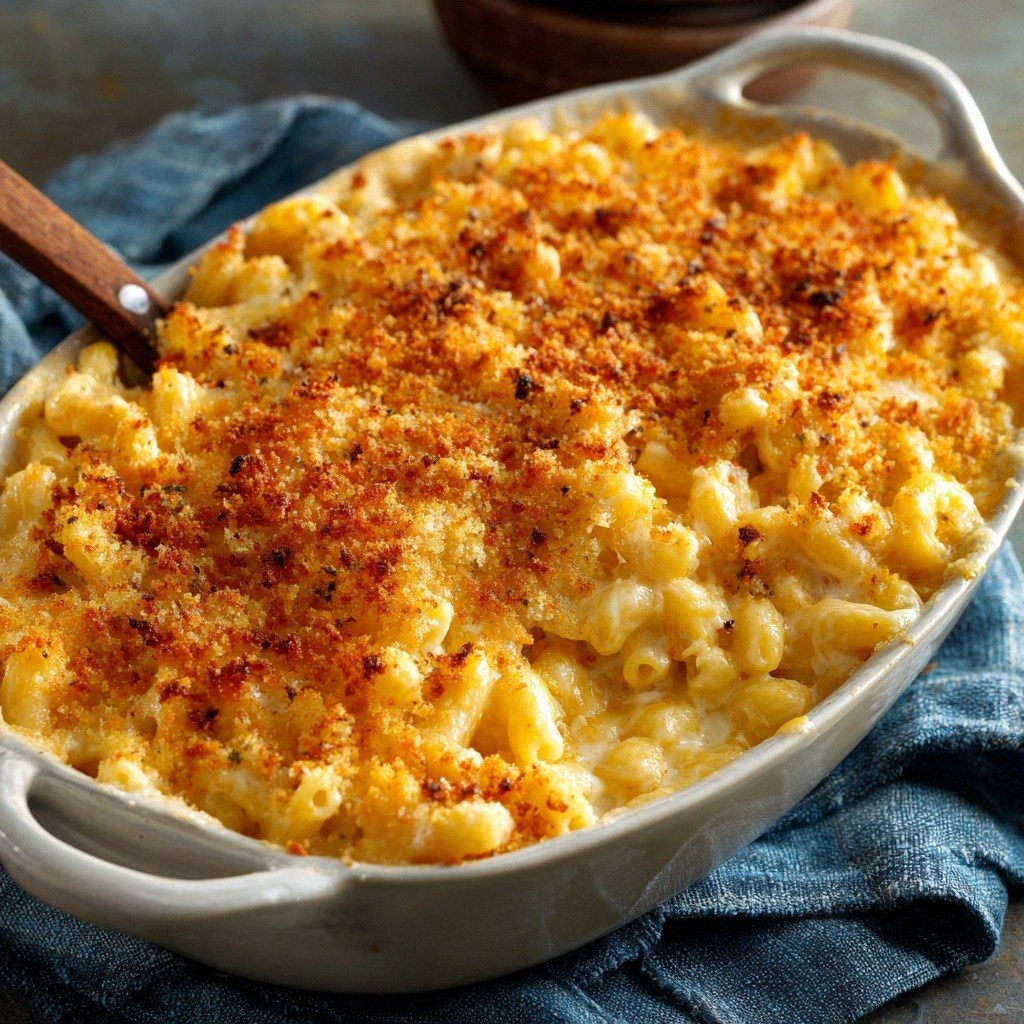
Picture the scene: a steaming pot of golden sauce, the aroma of melted cheddar mingling with a hint of smoked paprika, the sound of bubbling milk like a tiny, savory orchestra. The pasta clings to the sauce like a lover to a winter coat, each bite a silky hug that melts in your mouth. The crust on top crackles with a buttery, panko crunch that feels like applause after a perfect performance. The first spoonful is a revelation—richness balanced with a gentle pepper bite, a whisper of garlic, and a satisfying buttery finish that lingers on the palate. If that sounds like a dream, let me assure you: it’s real, and it’s in your kitchen tonight.
Why does this version stand out from the countless “mac and cheese” recipes that flood the internet? Because it’s a symphony of textures and flavors that work in perfect harmony. The sauce is silky yet thick, thanks to a classic roux that coats each noodle like velvet. The cheddar is bold but not overpowering, while the parmesan adds a subtle nutty depth. The breadcrumb topping provides a contrast that snaps like a fresh piece of toast, and the smoked paprika brings a smoky warmth that elevates the dish beyond ordinary comfort. This is not just another mac and cheese; it’s a culinary revelation that will have you saying, “I dare you to taste this and not go back for seconds.”
And there’s a secret ingredient that you’ll probably not see on your pantry shelf until now—panko breadcrumbs. They add a light, airy crunch that’s different from regular breadcrumbs, and when tossed with a splash of olive oil, they transform into a golden, buttery topping that’s simply irresistible. This twist is the game‑changer that turns a classic into a legend. So, if you’ve ever struggled with soggy pasta or bland cheese, you’re not alone—and I’ve got the fix. Let me walk you through every single step—by the end, you’ll wonder how you ever made it any other way.
What Makes This Version Stand Out
- Taste: The blend of sharp cheddar and nutty parmesan creates a depth that lingers on the tongue. The smoked paprika and garlic powder add a subtle warmth that elevates the dish beyond ordinary comfort.
- Texture: The roux-based sauce coats each noodle like silk, while the panko topping offers a crisp contrast that snaps with every bite.
- Simplicity: Only ten ingredients, all pantry staples, make this recipe a breeze for beginners and seasoned cooks alike.
- Uniqueness: The addition of smoked paprika and panko breadcrumbs gives it an unexpected twist that sets it apart from standard mac and cheese.
- Crowd Reaction: Friends and family always ask for the recipe after tasting it. The dish is a guaranteed hit at gatherings.
- Ingredient Quality: Using real, high‑quality cheeses ensures a richer flavor profile and a more satisfying texture.
- Cooking Method: The stovetop roux and oven baking combine to create a layered flavor experience.
- Make‑Ahead Potential: Assemble the dish a day ahead, refrigerate, and bake when you’re ready—perfect for busy evenings.
Inside the Ingredient List
The Flavor Base
The backbone of any great mac and cheese is the sauce. Here, we use a classic roux made from butter and flour to thicken the milk and create a silky base. The choice of milk—whole for richness, or 2% for a lighter touch—affects the final texture. If you skip the roux, the sauce will be thin and watery, and the pasta will absorb too much liquid, leading to a soggy outcome.
The Texture Crew
Elbow macaroni is the default because its shape holds sauce well, but feel free to experiment with shells, penne, or even fusilli for a fun twist. The panko breadcrumbs, tossed with a hint of olive oil, create a golden, buttery crust that provides a satisfying crunch. Skipping the breadcrumbs will leave the top flat and bland, and the dish will lack that memorable snap.
The Unexpected Star
Smoked paprika is the secret that gives this recipe its smoky depth. It’s subtle enough not to overpower the cheeses, yet bold enough to distinguish the dish from standard mac and cheese. If you don’t have smoked paprika, a pinch of regular paprika with a dash of cumin can mimic the warmth, though it won’t be exactly the same.
The Final Flourish
A pinch of nutmeg adds an aromatic warmth that pairs beautifully with the cheeses. Garlic powder and freshly ground black pepper give the sauce depth without the need for raw garlic, which can become bitter if overcooked. These seasonings are optional but highly recommended for a more complex flavor profile. If you prefer a milder taste, reduce the amount of paprika and pepper to suit your palate.
Everything's prepped? Good. Let's get into the real action...
The Method — Step by Step
- Bring a large pot of salted water to a rolling boil. Add the elbow macaroni and cook until just al dente, about 8 minutes. Drain and set aside. The pasta should still have a slight bite; it will soften further in the oven. This step ensures the noodles absorb the sauce evenly later.
- While the pasta cooks, melt the butter in a medium saucepan over medium heat. Once melted, whisk in the flour to form a smooth roux. Cook for 2 minutes, stirring constantly, until the mixture turns a light golden hue. This creates the foundation for a velvety sauce.
- Slowly pour in the whole milk, whisking vigorously to prevent lumps. The sauce should thicken into a glossy, pourable consistency. If it becomes too thick, add a splash more milk until you reach the desired thickness. This step is crucial for achieving that silky texture that coats every noodle.
- Reduce the heat to low and stir in the shredded cheddar cheese, grated parmesan, smoked paprika, garlic powder, and black pepper. Let the cheeses melt completely, creating a rich, cohesive sauce. The cheese should be fully incorporated, forming a smooth, glossy coating on the pasta.
- Add the cooked macaroni to the sauce, tossing gently until every noodle is evenly coated. The sauce should cling to the pasta like a second skin. If the mixture feels too thick, add a tablespoon of milk to loosen it slightly.
- Transfer the sauced pasta into a greased 9x13 inch baking dish. Spread it out evenly to ensure uniform baking. This step ensures that the top crust will bake evenly, giving you that perfect golden finish.
- In a small bowl, combine the panko breadcrumbs with a tablespoon of olive oil, a pinch of salt, and a dash of smoked paprika. Sprinkle this mixture over the top of the pasta. The breadcrumbs will form a crunchy, buttery crust when baked. This is the moment of truth.
- Bake in a preheated 375°F (190°C) oven for 20–25 minutes, or until the top is golden brown and the sauce is bubbling. The edges will start pulling away, indicating that the dish is perfectly cooked. Keep an eye on the crust; if it browns too quickly, tent the dish with foil.
- Remove from the oven and let it rest for 5 minutes before serving. This resting period allows the sauce to thicken slightly and the flavors to meld. The result is a silky, cohesive dish with a crisp, buttery crust.
That's it— you did it. But hold on, I've got a few more tricks that'll take this to another level: from the perfect cheese ratio to the subtle seasoning tweaks that elevate every bite. Stay tuned for insider secrets that will make this dish the talk of your dinner table.
Insider Tricks for Flawless Results
The Temperature Rule Nobody Follows
Many cooks bake at 400°F, but that can scorch the top before the pasta is fully cooked. Baking at 375°F allows the sauce to set and the crust to brown evenly. If you prefer a chewier crust, lower the temperature to 350°F and bake for an extra 5 minutes.
Why Your Nose Knows Best
Smell the sauce as it thickens; it should emit a rich, buttery aroma. A faint, sour scent indicates the cheese has curdled or the milk has gone bad. Trust your nose—if it smells off, start over.
The 5-Minute Rest That Changes Everything
Letting the dish rest after baking allows the sauce to thicken and the flavors to meld. It also prevents the bottom from sticking to the pan. A quick 5-minute rest is all you need to elevate the texture.
The Secret to a Crispy Crust
Toss the breadcrumbs with a tablespoon of olive oil and a pinch of salt before sprinkling. The oil creates a buttery flavor, and the salt enhances the crunch. If you like extra crunch, add a teaspoon of grated parmesan to the breadcrumb mixture.
The Right Cheese Blend
Sharp cheddar provides a bold flavor, while parmesan adds a nutty depth. For a milder version, use mozzarella or a blend of cheddar and fontina. Experimenting with cheeses can turn this classic into a new favorite.
Creative Twists and Variations
This recipe is a playground. Here are some of my favorite ways to switch things up:
Spicy Jalapeño Jalapeño Mac
Add diced jalapeños to the sauce for a kick. Mix in a teaspoon of chipotle powder for smoky heat. This version is perfect for heat lovers and pairs wonderfully with a cool avocado salad.
Mushroom & Truffle Mac
Sauté sliced mushrooms with garlic before adding to the sauce. Finish with a drizzle of truffle oil after baking. The earthy mushroom flavor and truffle aroma elevate the dish into gourmet territory.
BBQ Chicken Mac
Stir in shredded rotisserie chicken and a splash of your favorite BBQ sauce before baking. The smoky sweetness complements the cheese, creating a comforting, protein-packed meal.
Pesto & Sun‑Dried Tomato Mac
Fold in a couple of tablespoons of basil pesto and chopped sun‑dried tomatoes. The bright green pesto adds freshness, while the sun‑dried tomatoes bring a sweet, tangy burst.
Cauliflower Crust Mac
Replace half the pasta with finely chopped cauliflower. This low‑carb variation keeps the creamy sauce while adding a subtle, nutty flavor. It’s a great option for those watching their carb intake.
Lemon‑Herb Mac
Add a squeeze of fresh lemon juice and a handful of chopped fresh herbs (parsley, thyme, or dill) to the sauce. The citrus brightness lifts the richness, creating a bright, refreshing dish.
Storing and Bringing It Back to Life
Fridge Storage
Cool the baked mac to room temperature, then cover tightly with plastic wrap or a lid. Store in the refrigerator for up to 3 days. When ready to eat, reheat in the oven at 350°F for 10 minutes, or until heated through.
Freezer Friendly
Divide the dish into individual portions and wrap each tightly with foil, then place in a freezer bag. Freeze for up to 2 months. Thaw overnight in the refrigerator before reheating as described above.
Best Reheating Method
Add a splash of milk or broth before reheating to keep the sauce creamy. Cover the dish with foil to prevent the top from drying out. Reheat at 350°F for 15 minutes, or until steaming hot.