Picture this: it’s a Sunday afternoon, you’re scrolling through a thousand bland chicken recipes, and your fridge is a sad, lonely pile of raw chicken thighs, a jar of honey, and a bottle of sriracha that’s been sitting on the shelf like a forgotten dare. I’m talking about that exact moment when your culinary curiosity spikes, and you think, “Why not turn this into a flavor explosion?” That’s how I stumbled onto the Spicy Honey Sriracha Chicken w—an audacious marriage of sweet, heat, and umami that makes your taste buds do a little happy dance. The first time I tasted it, the honey’s glossy glaze kissed the chicken, the sriracha’s fiery whisper danced on the tongue, and the sesame oil’s nutty aroma turned the kitchen into a fragrant fireworks display. I’m not exaggerating: the moment you bite into that caramelized, peppery skin, you’ll feel the world pause for a second before you’re already craving a second helping.
I’ll be honest—my first attempt was a disaster. I overcooked the chicken, the honey burned like a campfire, and the broccoli ended up soggy. But the second time? The sauce coated the chicken like velvet, the edges crisped to a golden crunch that shattered like thin ice, and the broccoli stayed bright green, a pop of color that made the dish look like it’d just stepped off a food runway. I’m not just talking about a recipe; I’m offering you a culinary experience that feels like a secret weapon in your pantry. You’ll wonder how you ever made it any other way.
Most recipes for spicy honey chicken get this completely wrong—too much honey, too little heat, or the dreaded “broccoli sogginess.” The secret to this version lies in the balance of sauce thickness, the timing of the stir, and a little trick with cornstarch that gives the glaze that perfect glossy finish. I dare you to taste this and not go back for seconds. This is hands down the best version you’ll ever make at home, and the only thing you’ll need to worry about is how to keep that heat in check for your spice-loving friends.
Picture yourself pulling this out of the pan, the whole kitchen smelling incredible, the steam curling up in a sweet, spicy cloud. Your guests will be amazed, your Instagram will be lit, and you’ll have a new favorite dish that can be served over rice, noodles, or even a simple green salad. Let me walk you through every single step — by the end, you’ll wonder how you ever made it any other way.
What Makes This Version Stand Out
- Flavor: The honey and sriracha marry to create a glaze that’s simultaneously sweet, smoky, and blisteringly hot—like a caramelized caramel swirl on a hot summer day.
- Texture: The chicken’s skin crisps to a crunchy, caramelized shell while the inside stays juicy, thanks to a quick sear and a resting period.
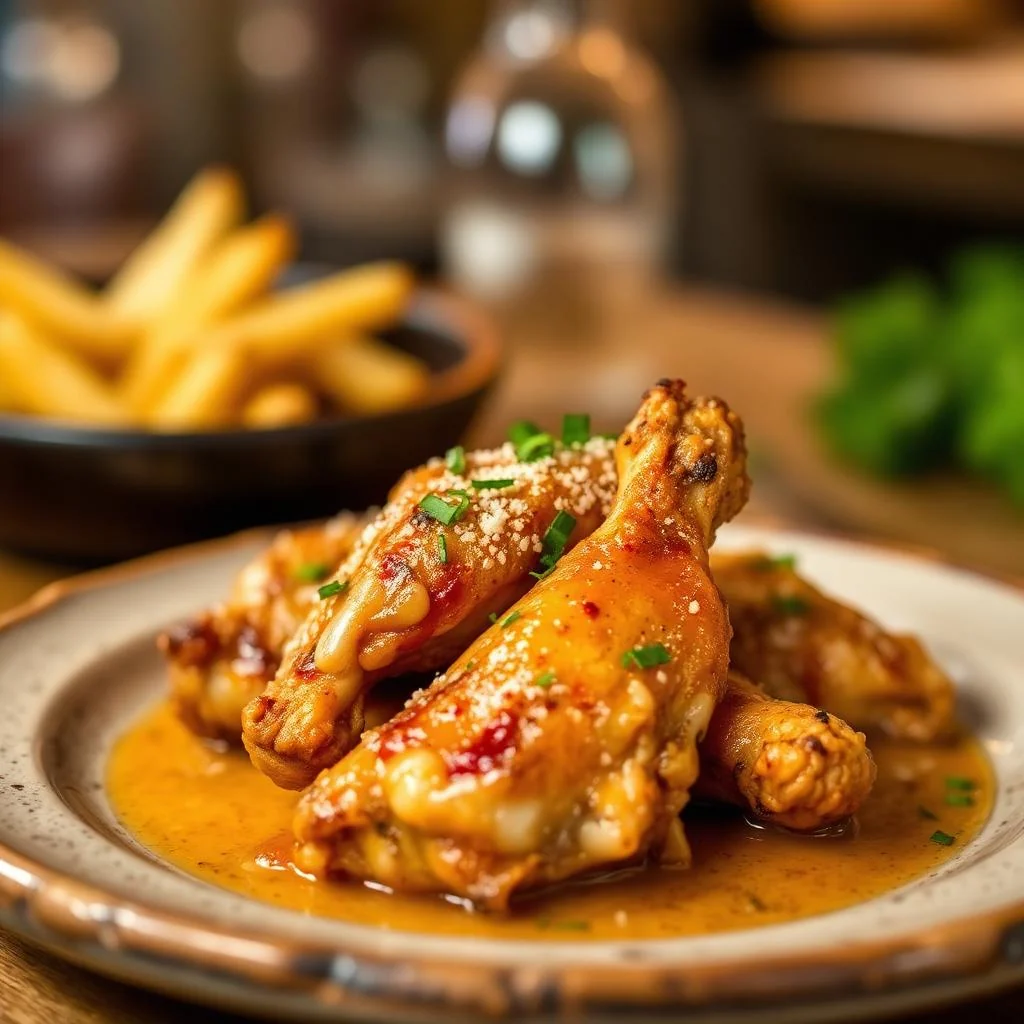
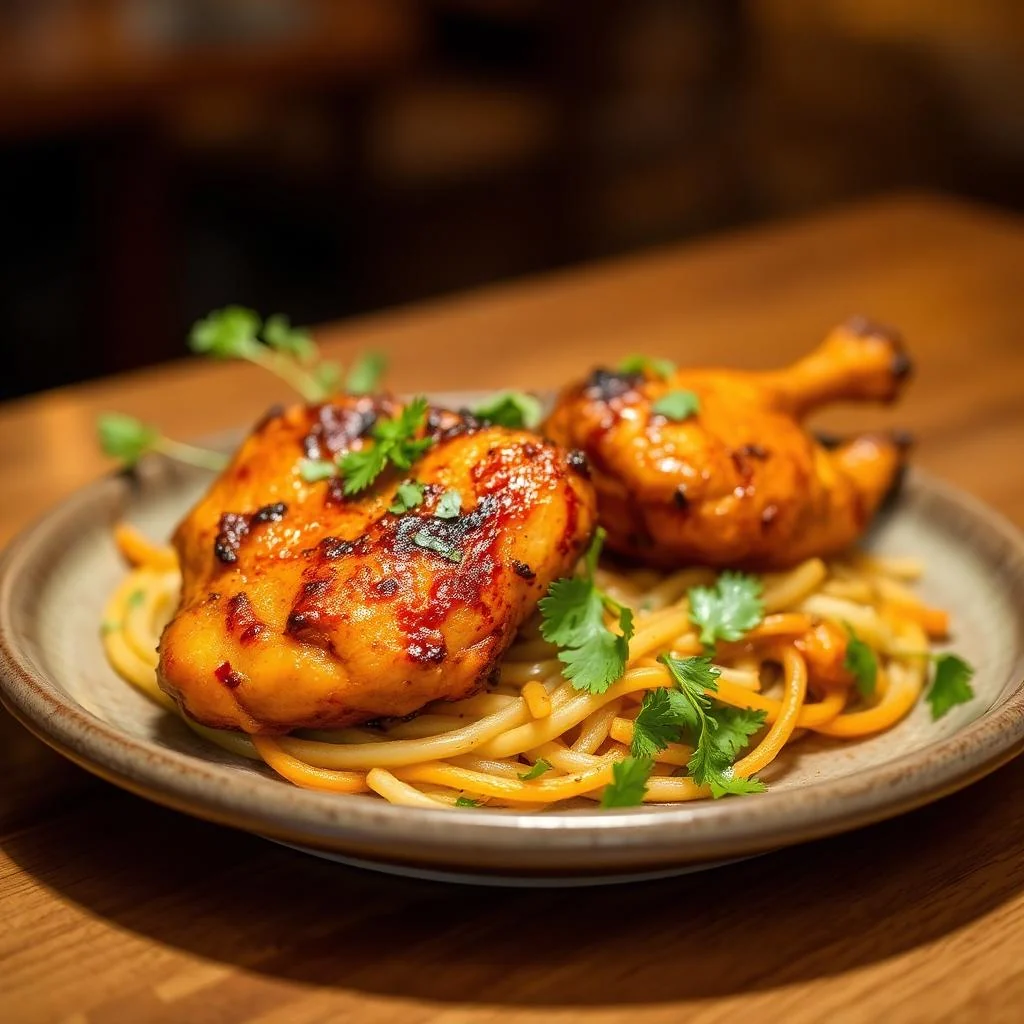
- Visual Appeal: The glossy sauce gives the dish a “wow” factor that makes it look as good as it tastes, with bright green broccoli providing a pop of color.
- Ingredient Quality: Using fresh ginger, garlic, and a splash of rice vinegar elevates the sauce from ordinary to restaurant‑grade.
- Make‑Ahead Potential: The sauce can be prepared ahead and stored, allowing you to assemble the dish in under 10 minutes on a busy night.
- Versatility: It works with chicken thighs, breast, or even tofu for a vegetarian version, and it pairs wonderfully with rice, noodles, or a light salad.
- Crowd Reaction: The balance of heat and sweetness makes it a hit at parties—everyone will ask for the recipe.
Inside the Ingredient List
The Flavor Base
The honey and sriracha are the heart of this dish. Honey brings a deep, caramelized sweetness that caramelizes beautifully when heated, while sriracha adds a smoky, peppery heat that cuts through the richness. If you skip the sriracha, the dish loses its signature kick, becoming a sweet glaze that feels like a dessert. If you replace honey with maple syrup, you’ll get a different sweetness profile—softer and less caramelized.
When selecting honey, choose a dark, robust variety like buckwheat or wildflower; it will provide a richer flavor and a darker glaze. A lighter honey will yield a milder glaze that still works but doesn’t have that deep, almost chocolatey undertone. If you’re allergic to honey, agave nectar is a close substitute, but keep in mind it’s sweeter and less caramelized.
The Texture Crew
Cornstarch is the unsung hero that thickens the sauce into a glossy glaze without diluting the flavor. A light dusting of cornstarch on the chicken before searing creates a crisp exterior, while a slurry of cornstarch and water added to the sauce during the final stir gives it that perfect sheen. Skip it, and you’ll end up with a watery sauce that clings to the chicken like a bad haircut.
Sesame oil is used in small amounts to impart a nutty aroma. A drizzle of sesame oil at the end of cooking elevates the dish from ordinary to gourmet. If you can’t find sesame oil, a touch of toasted sesame seeds can substitute, but the aroma will be less intense.
The Unexpected Star
Broccoli isn’t just a side; it’s the crunchy, green counterpoint that balances the sweetness of the glaze. The florets should be crisp-tender, not mushy. Blanch the broccoli for 2 minutes, then shock it in ice water to lock in color and texture. If you skip the blanching step, the broccoli will be limp and bland.
You can swap broccoli for snow peas or bell pepper strips if you’re looking for a different crunch. Each option offers a unique flavor profile while maintaining the dish’s structural integrity.
The Final Flourish
Sesame seeds and sliced green onions add a finishing touch that enhances both flavor and presentation. Toast the sesame seeds lightly before adding them to the dish to bring out their nutty aroma. If you’re sensitive to onion, you can replace green onions with chives or even scallions.
Everything’s prepped? Good. Let’s get into the real action…
The Method — Step by Step
- Prep the chicken: Pat the chicken thighs dry with paper towels; this step is critical for a crispy skin. Toss the pieces in a bowl with 1 tablespoon of cornstarch, 1 teaspoon of salt, and 1 teaspoon of black pepper, ensuring each piece is lightly coated. This coating will puff up during searing, giving you that coveted crunch.
- Heat the pan: Place a large skillet over medium-high heat and add 1 tablespoon of vegetable oil. When the oil shimmers, it’s ready. Add the chicken in a single layer, skin side down, and let it sear undisturbed for 4–5 minutes until the skin is golden and releases easily from the pan.
- Flip and sear the other side: Turn the chicken pieces over and sear for another 3–4 minutes until the internal temperature reaches 165°F (74°C). This step locks in juices and ensures even cooking. Once done, remove the chicken and set aside on a plate.
- Blanch the broccoli: In a pot of boiling salted water, toss the broccoli florets for exactly 2 minutes, then immediately transfer them to an ice bath to halt the cooking process. Drain thoroughly—this preserves the bright green color and crispness.
- Make the sauce: In the same skillet, reduce heat to medium. Add 2 tablespoons of honey, 2 tablespoons of sriracha, 2 tablespoons of soy sauce, 1 tablespoon of rice vinegar, and 1 tablespoon of sesame oil. Stir until the mixture starts to bubble and the honey dissolves completely. This is the moment of truth—if it smells toasty and slightly caramelized, you’re on the right track.
- Add the cornstarch slurry: Whisk 1 tablespoon of cornstarch with 2 tablespoons of cold water until smooth. Pour the slurry into the pan, whisking constantly. The sauce should thicken within 30 seconds, becoming glossy and clingy. Don’t let it boil too long, or it will become too thick.
- Return the chicken and broccoli: Add the seared chicken back to the pan, followed by the blanched broccoli. Toss everything together, ensuring the chicken is coated in the glossy sauce. Cook for an additional 2 minutes so the flavors meld.
- Finish with sesame seeds and green onions: Sprinkle 1 tablespoon of toasted sesame seeds and sliced green onions over the dish. Give it a final quick toss, then remove from heat. The sesame seeds should crackle slightly, adding a nutty aroma that rounds out the dish.
- Rest and serve: Let the dish rest for 2 minutes before serving. This brief pause allows the sauce to set into a silky glaze. Serve immediately over steamed rice or noodles, and watch the sauce coat every bite like a silky velvet.
That’s it— you did it. But hold on, I’ve got a few more tricks that’ll take this to another level. These insider tweaks will help you master the sauce’s consistency, prevent sticking, and keep the chicken juicy.
Insider Tricks for Flawless Results
The Temperature Rule Nobody Follows
Cooking the chicken at a slightly lower temperature after the initial sear prevents it from drying out. Once the skin is golden, reduce the heat to medium and let the chicken finish cooking in its own juices. This method keeps the meat tender and the skin crisp, a balance that many overlook.
Why Your Nose Knows Best
Trust your nose when you’re adding the honey and sriracha. If the aroma is sweet but not cloying, you’ve got the right balance. If it smells overly sweet, let the sauce simmer a bit longer to evaporate some of the sugar. Your nose is the best judge of flavor harmony.
The 5-Minute Rest That Changes Everything
Letting the dish rest for 5 minutes before serving allows the sauce to thicken and the flavors to meld. During this time, the chicken’s juices redistribute, ensuring every bite is juicy. Skipping this step often results in a watery sauce that feels under-seasoned.
The Quick Blanch Trick
Blanching the broccoli for exactly 2 minutes preserves its crunch and bright green hue. If you over-blanch, the broccoli becomes soggy and loses its vibrant color. A quick ice bath stops the cooking process instantly, locking in the texture.
The Garlic‑Ginger Harmony
Sauté the minced garlic and grated ginger for just 30 seconds before adding the sauce. This brief sauté releases their essential oils without burning them, giving the dish depth without bitterness. If you sauté too long, the garlic will turn bitter and the ginger will lose its bright zing.
Creative Twists and Variations
This recipe is a playground. Here are some of my favorite ways to switch things up:
Teriyaki Twist
Swap the soy sauce for teriyaki sauce and add a splash of mirin. The result is a sweeter, caramelized glaze that pairs beautifully with rice noodles. This variation is perfect for a quick weeknight dinner.
Citrus Kick
Add the zest and juice of a lime or lemon to the sauce for a bright, refreshing acidity that cuts through the honey’s sweetness. The citrus notes give the dish a fresh, summery vibe that’s perfect for outdoor gatherings.
Thai Chili Variation
Replace sriracha with Thai bird’s eye chili paste and a splash of fish sauce. This version brings a deeper umami flavor and an authentic Thai heat that’s unmistakable.
Vegan Version
Use tofu instead of chicken and swap honey for maple syrup or agave nectar. The tofu will absorb the glaze, creating a protein‑rich, plant‑based dish that still delivers the same sweet‑spicy punch.
Crunchy Slaw Side
Serve the dish over a crunchy slaw of shredded cabbage, carrots, and a light vinaigrette. The slaw adds a refreshing crunch that balances the rich, sticky glaze.
Storing and Bringing It Back to Life
Fridge Storage
Store leftovers in an airtight container in the refrigerator for up to 3 days. The sauce will thicken slightly, but the chicken will remain juicy. Before reheating, stir the dish to redistribute the glaze.
Freezer Friendly
Freeze the dish in a freezer‑safe container for up to 2 months. Thaw overnight in the refrigerator, then reheat gently on the stovetop or in the microwave, adding a splash of water to loosen the sauce if needed.
Best Reheating Method
Reheat on low heat, stirring frequently, until warmed through. Add a teaspoon of water or broth to keep the sauce from drying out. The result is a silky glaze that feels fresh and vibrant.