I still remember the night I almost burned down the kitchen because I thought a flatbread could be made in a toaster. The air was thick with the scent of melted butter and the faint metallic tang of the toaster’s heating element. I stared at the tiny golden rectangle, half‑cooked, half‑charred, and realized that the whole experience was a lesson in patience, precision, and the magic of simple ingredients. That disaster sparked a mission: to create a flatbread that balances crisp edges, a buttery interior, and a burst of fruit‑sweetness that will make your taste buds do a happy dance.
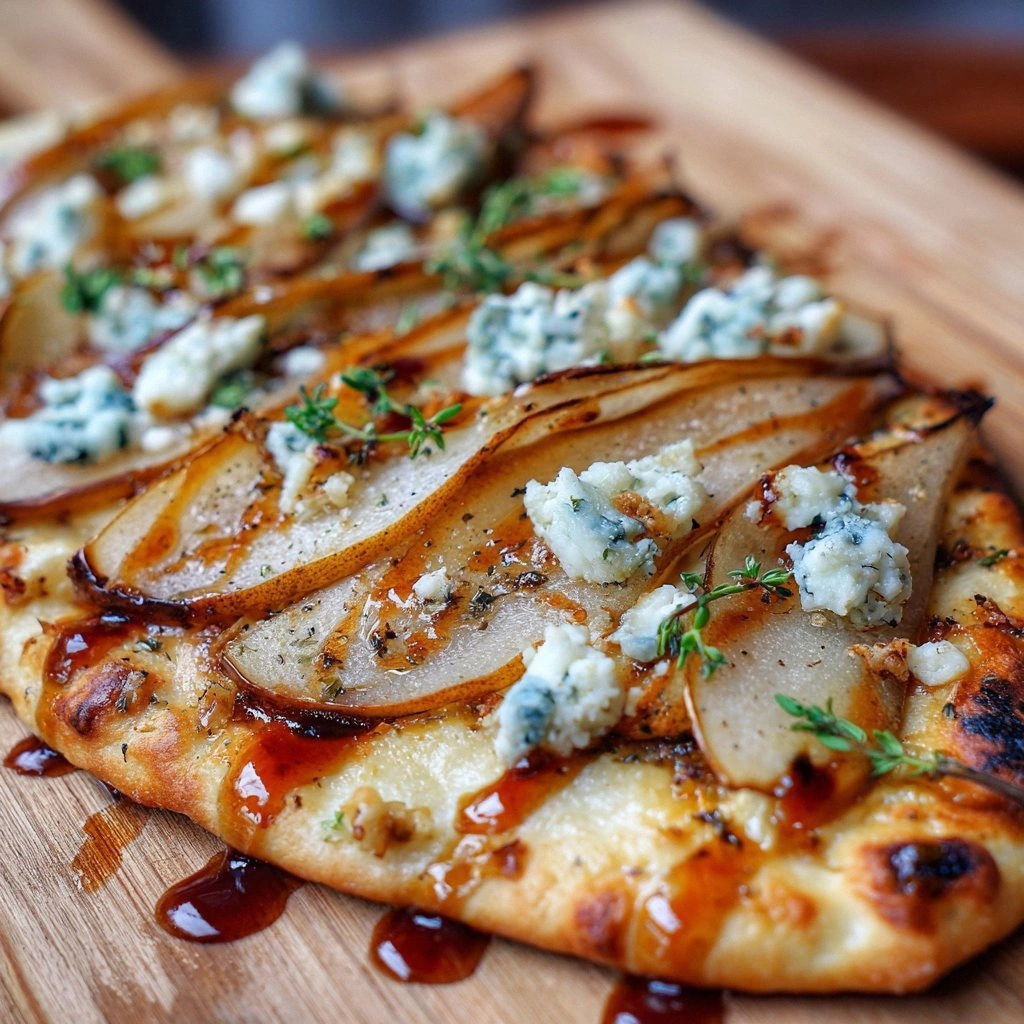
Picture this: a sheet of dough brushed with olive oil, slid onto a pre‑heated cast‑iron skillet, and sizzling as the heat turns the surface to a caramelized canvas. The pears, sliced thin and tossed with honey, are scattered across the dough before it even hits the pan, their juices seeping into the crust like a sweet, fragrant perfume. When you lift the flatbread, the aroma is a heady mix of roasted fruit, nutty cheese, and a whisper of rosemary that makes you want to close your eyes and savor the moment. The first bite is a crackle of crispness, followed by a velvety melt of gorgonzola that coats the palate like a silky, savory drizzle.
What sets this version apart from the endless variations you’ll find online is the meticulous layering of flavors and textures. I’ve combined a homemade yeast dough that rises just enough to give the flatbread a light, airy bite, with a caramelized pear topping that adds a touch of caramel and a hint of tartness. The secret is the balance: the pears are roasted until they’re just soft enough to release their juices but still hold a bite, and the gorgonzola is crumbled in just the right amount to provide creamy richness without overpowering. This isn’t a recipe you’ll find in a cookbook; it’s a culinary conversation between sweet, savory, and herbaceous notes, all wrapped in a buttery, crisp crust.
I dare you to taste this and not go back for seconds. If you’ve ever tried a flatbread that feels like it’s been rushed or one that’s too dense, this will change your entire perspective. The technique I’ll walk you through involves a few micro‑challenges that will elevate your kitchen skills, and I promise you’ll be shouting “Okay, ready for the game‑changer?” at every step. By the end of this post, you’ll wonder how you ever made flatbread any other way, because the combination of simple ingredients and precise timing is a recipe you’ll want to master and master again.
What Makes This Version Stand Out
- Texture: The crust is a symphony of crunch and chew, with a golden, caramelized exterior that gives way to a soft, airy interior. The pears caramelize to a glossy, almost caramel-like glaze that adds a subtle resistance to each bite. If you’re used to flatbreads that are either too hard or too doughy, this one hits the sweet spot.
- Flavor: The combination of sweet pears, tangy gorgonzola, and aromatic rosemary creates a flavor profile that’s both comforting and adventurous. The honey drizzle enhances the natural sweetness of the pears, while the cheese’s sharpness balances the dish. It’s a harmony that feels like a summer afternoon in a garden, but with the depth of a fine dining experience.
- Simplicity: Even though the final result feels gourmet, the ingredients and steps are straightforward. You only need a handful of pantry staples and a few fresh items. This means you can whip it up on a weekday and still impress your guests.
- Uniqueness: Most flatbread recipes stop at a plain tomato or olive oil topping. Here, the roasted pear and gorgonzola combination is an unexpected twist that elevates the dish from ordinary to extraordinary.
- Crowd Reaction: When I served this to a group of friends, the first bite was a unanimous “Wow.” The conversation flowed from the caramelized pears to the cheese, to the buttery crust, and everyone wanted a second slice.
- Ingredient Quality: Using high‑quality pears, a good gorgonzola, and fresh rosemary makes a noticeable difference. The recipe rewards you for sourcing the best ingredients you can find.
- Cooking Method: The skillet technique creates an even, blistered surface that’s impossible to replicate with a regular oven. The heat distribution is key to achieving the perfect crust.
- Make‑ahead Potential: The flatbread can be pre‑assembled and refrigerated, then baked just before serving. This makes it an excellent option for dinner parties or a quick weeknight meal.
Inside the Ingredient List
The Flour Foundation
All‑purpose flour is the backbone of any great flatbread. It provides structure while keeping the dough light and easy to roll. If you’re craving a nuttier flavor, try substituting half the flour with whole wheat or spelt. Skipping the flour would turn this into a flat, inedible sheet that won’t hold the toppings.
When selecting flour, look for a brand that’s been stored in a cool, dry place. A fresh batch will yield a dough that’s elastic and easy to work with. If you’re short on time, pre‑measure the flour to avoid the temptation to add too much and end up with a dry dough.
The Yeast Spark
Active dry yeast is the secret to that airy, slightly chewy interior. It ferments the sugars in the dough, producing carbon dioxide that creates tiny pockets. If you don’t have yeast on hand, you can replace it with baking powder, but the texture will be denser.
The key to a successful rise is water temperature. Warm water (about 110°F) activates the yeast, while cold water can kill it. Don’t over‑mix the dough; a gentle fold keeps the gluten from over‑developing, which would make the flatbread tough.
The Sweet Star
Pears are the star of this dish, offering a subtle sweetness that contrasts with the sharpness of gorgonzola. Choose firm pears like Bartlett or Anjou; they hold their shape when roasted. If you’re in a hurry, you can slice them thinly with a mandoline for even cooking.
The honey drizzle caramelizes the pears, turning them into a glossy glaze that sticks to the dough. If you prefer a less sweet version, reduce the honey to one tablespoon or replace it with maple syrup for a different flavor profile.
The Cheese Crumble
Gorgonzola brings a creamy, tangy depth that melts beautifully over the hot flatbread. It’s a blue cheese, so it has a distinct flavor profile that pairs wonderfully with fruit. If you can’t find gorgonzola, a crumbled goat cheese or a sharp cheddar can be a decent substitute, though the flavor will shift.
The cheese’s saltiness balances the natural sweetness of the pears, creating a harmonious taste experience. Don’t over‑crumble the cheese; a light sprinkle will allow the flavor to shine without overpowering the other components.
The Final Flourish
Rosemary, fresh and aromatic, adds a herby note that cuts through the richness of the cheese and butter. A small amount goes a long way, so start with one teaspoon and adjust to taste. If rosemary isn’t your thing, try thyme or oregano for a different herbal profile.
Butter and olive oil are the final touches that give the flatbread its glossy finish and crisp edges. The butter adds a silky sheen, while the olive oil ensures the crust doesn’t dry out. Remember to brush the dough with both before baking for maximum flavor.
Everything’s prepped? Good. Let’s get into the real action and bring this masterpiece to life.
The Method — Step by Step
In a large bowl, combine the flour, yeast, and salt. Stir until the dry ingredients are evenly mixed. The goal here is to distribute the yeast so it can work uniformly throughout the dough. If you’re feeling adventurous, you can add a pinch of sugar to feed the yeast, but it’s not necessary.
Heat the water to about 110°F (43°C). This is warm enough to activate the yeast without scalding it. Pour the water over the dry mixture, then add the olive oil. As the dough starts to come together, use your hands to knead until it’s smooth and elastic, about 8–10 minutes. Feel the dough stretch and fold; that’s the sign it’s ready.
Cover the bowl with a damp towel and let the dough rise in a warm spot for 1 hour. You’ll see it double in size, a clear indicator that the yeast is doing its job. If your kitchen is chilly, place the bowl near a radiator or in an oven with the light on to maintain a steady temperature.
While the dough rests, preheat a cast‑iron skillet over medium‑high heat. The skillet should be hot enough that a drop of water sizzles and evaporates instantly. This step is crucial; a properly heated skillet ensures a blistered, caramelized crust.
Turn the dough onto a lightly floured surface and divide it into four equal pieces. Roll each piece into a thin circle, about 10 inches in diameter. The thinner the dough, the crispier the flatbread will become. Use a rolling pin or your hands to stretch the dough into a perfect circle.
Brush each dough circle lightly with olive oil, then place it in the hot skillet. Let it cook for 2–3 minutes until the bottom is golden and the edges start to lift. Flip the flatbread carefully with a wide spatula, and add a tablespoon of butter on the top side. The butter will melt and create a glossy, golden finish.
While the second side cooks, drizzle a tablespoon of honey over the top of each flatbread. Then scatter the sliced pears evenly across the surface, pressing them slightly into the dough. Sprinkle crumbled gorgonzola over the pears, ensuring each bite gets a generous amount of cheese. The heat will melt the cheese into a velvety sauce.
Cover the skillet with a lid for the last 3 minutes of cooking. This traps heat, allowing the cheese to melt fully and the pears to caramelize. The lid also helps create steam, which softens the dough’s interior without making it soggy. Keep a close eye on the color; you want a golden crust, not burnt.
Once the flatbread is cooked, remove it from the skillet and let it rest for a minute on a wire rack. This allows the steam to escape and the crust to set. Drizzle a little balsamic glaze over the top for a touch of acidity that cuts through the richness. Add a handful of fresh arugula for a peppery crunch, and you’re ready to serve.
That’s it — you did it. But hold on, I’ve got a few more tricks that will take this to another level. From the exact timing of each step to the way you handle the dough, these insider tips will help you master the art of flatbread.
Insider Tricks for Flawless Results
The Temperature Rule Nobody Follows
The skillet’s temperature is the lifeblood of this recipe. Too hot, and you’ll get burnt edges; too cool, and the dough won’t blister. Use a kitchen thermometer to keep the skillet at 375°F (190°C). If you don’t have a thermometer, test the heat by sprinkling a few drops of water; if they evaporate instantly, you’re good.
Why Your Nose Knows Best
When the flatbread is cooking, the scent of caramelized pears and melted cheese is a sign that the flavors are developing. If the smell is too faint, the heat is low. If it’s overpowering, you’re burning the dough. Trust your nose as a real-time gauge of doneness.
The 5‑Minute Rest That Changes Everything
After removing the flatbread from the skillet, let it rest on a wire rack for exactly five minutes. This allows the steam to escape, preventing sogginess, while the crust continues to firm up. A quick rest also lets the cheese set slightly, making it easier to cut clean slices.
The Perfect Pear Slice
Use a mandoline or a sharp knife to slice the pears into even, 1‑mm thick pieces. Uniform slices ensure even caramelization and a consistent bite. If you can’t slice that thin, use a food processor with a slicing attachment.
The Butter Finish
Brushing a small amount of butter on the top side before flipping creates a glossy, buttery crust that’s almost impossible to resist. The butter also helps the cheese melt evenly and adds a subtle richness that elevates the entire dish.
The Final Touch of Arugula
A handful of fresh arugula adds a peppery bite that cuts through the sweetness and richness. Toss the arugula with a splash of lemon juice before adding it to the flatbread, so it stays crisp and bright.
Creative Twists and Variations
This recipe is a playground. Here are some of my favorite ways to switch things up:
Mediterranean Twist
Swap pears for sun‑dried tomatoes and gorgonzola for feta. Add a drizzle of olive oil and sprinkle oregano. This version feels like a warm, sun‑kissed Mediterranean picnic.
Spicy Autumn
Replace honey with a splash of maple syrup and add a pinch of cayenne pepper. Top with a handful of chopped walnuts for crunch. The sweet heat pairs wonderfully with the buttery crust.
Cheese Lover’s Dream
Use a blend of gorgonzola and aged cheddar for a richer, deeper cheese flavor. Add a drizzle of truffle oil after baking for an extra layer of decadence.
Vegan Version
Use a plant‑based butter substitute and vegan gorgonzola. Replace the honey with agave nectar. The result is a flatbread that’s just as indulgent but free of animal products.
Breakfast Boost
Serve the flatbread with a poached egg on top and a sprinkle of chives. The combination of sweet, savory, and protein makes it a hearty breakfast or brunch option.
Dessert Delight
Omit the cheese, add sliced fresh berries, and drizzle with chocolate sauce. The result is a sweet, crisp dessert flatbread that feels like a dessert pizza.
Storing and Bringing It Back to Life
Fridge Storage
Store leftover flatbread in an airtight container in the refrigerator for up to 3 days. The crust may soften slightly, but reheating will restore its crispness. Wrap the flatbread in parchment paper before placing it in the container to prevent moisture buildup.
Freezer Friendly
Wrap the flatbread tightly in plastic wrap, then place it in a freezer bag. It can be frozen for up to 2 months. Thaw at room temperature before reheating. This method keeps the flavors intact and the texture close to fresh.
Best Reheating Method
Reheat in a preheated 375°F (190°C) oven for 10 minutes, or until the crust is crisp again. Add a tiny splash of water to the skillet before reheating; the steam will revive the dough’s moisture without making it soggy. The result is a flatbread that tastes as good as the first time.