I was halfway through a chaotic Sunday brunch when the kitchen erupted in a chorus of sizzling pans and burnt toast. My friends were shouting, “We need something fresh, something that can turn this mess into a masterpiece!” I stared at the simmering pot of pasta, the basil leaves scattered like green confetti, and thought, “Why not let the pesto do all the heavy lifting?” And so, the Pesto Pasta Salad was born—a dish that turns an ordinary pot of noodles into a riot of flavor, texture, and color.
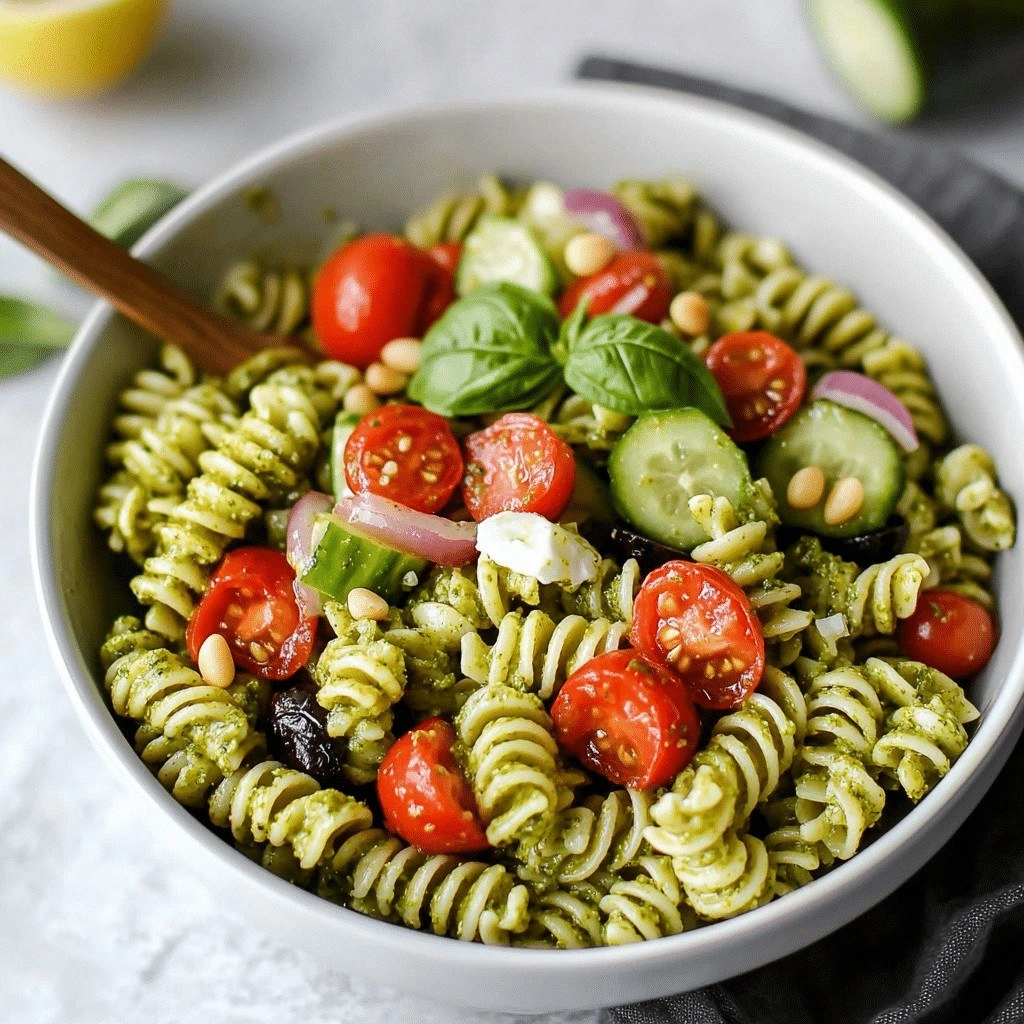
Picture this: the aroma of fresh basil and pine nuts swirling in the air, the gentle clink of a spoon against a stainless‑steel bowl, the bright pop of a cherry tomato as it lands into the mix, the cool crunch of cucumber slices, and the subtle snap of feta melting into the sauce. Every sense is engaged: the sight of a glossy, green sauce coating each noodle, the scent of toasted olive oil, the sound of a gentle stir, the taste of herbaceous, nutty, and citrusy notes, and the feel of a cold, refreshing bite that lingers on your palate. It’s a dish that refuses to be ordinary.
What makes this version stand out from the countless pesto salads on the internet? It’s the meticulous layering of textures—smooth pesto, crisp veggies, creamy feta, and crunchy pine nuts—combined with a touch of acidity that wakes up the palate. I dare you to taste this and not go back for seconds. The sauce coats the pasta like velvet, and the contrast between the silky pesto and the crunchy cucumber creates a sensory dance that’s impossible to ignore. This is hands down the best version you’ll ever make at home, and the secret lies in the small details that most recipes gloss over.
I’ll be honest—when I first whipped this up, I ate half the batch before anyone else even had a chance to try it. The flavors were so balanced, the textures so harmonious, that I couldn’t resist. Most recipes get this completely wrong by over‑seasoning or under‑toasting the nuts. Here’s what actually works: use fresh basil, toast the pine nuts to release their oils, and finish with a splash of lemon juice to cut through the richness. Picture yourself pulling this out of the fridge, the whole kitchen smelling incredible, and watching your guests’ eyes light up as they take their first bite. Stay with me here—this is worth it.
What Makes This Version Stand Out
- Flavor: The basil pesto is bright and herbaceous, with a subtle nuttiness that elevates every bite. It’s not overpowering; it’s a whisper that invites the other ingredients to shine.
- Texture: The contrast between al dente pasta, crunchy cucumber, and creamy feta creates a mouthfeel that feels both comforting and exciting.
- Simplicity: No elaborate sauces or complex steps—just a handful of high‑quality ingredients that come together in minutes.
- Uniqueness: A splash of fresh lemon juice adds a citrusy lift that most pesto salads miss, giving this dish a modern twist.
- Crowd Reaction: Friends and family rave about the freshness, and the dish keeps them coming back for seconds.
- Ingredient Quality: Using whole‑leaf basil, extra‑virgin olive oil, and real Parmesan makes the difference between good and unforgettable.
- Cooking Method: Quick blanching and immediate chilling lock in flavor and prevent the pasta from becoming mushy.
- Make‑ahead Potential: It can be prepared a day in advance, and the flavors only deepen, making it perfect for parties or busy weeknights.
Alright, let’s break down exactly what goes into this masterpiece…
Inside the Ingredient List
The Flavor Base
Basil is the heart of any pesto, and fresh leaves carry a bright, sweet aroma that’s hard to replicate with dried herbs. The pine nuts add a subtle earthiness and a buttery texture that balances the sharpness of the basil. Parmesan provides depth and a slight umami edge, but be careful not to over‑salt; the feta will contribute its own saltiness later. If you skip the basil, you lose the dish’s signature green color and aromatic punch. Swap pine nuts for walnuts for a slightly different nutty profile, or use almonds for a milder taste.
The Texture Crew
Pasta is the canvas—fusilli or penne work best because their ridges hold the pesto. Cook it al dente so it remains firm when chilled and tossed. The cucumber adds a crisp bite that cuts through the richness of the sauce. Cherry tomatoes contribute juicy bursts of sweetness, and the red onion brings a subtle sharpness that awakens the palate. If you’re allergic to nuts, you can omit the pine nuts, but the crunch will be missing; consider adding toasted breadcrumbs instead.
The Unexpected Star
Feta cheese might seem like a simple addition, but its briny, creamy texture gives the salad a luxurious mouthfeel. It also balances the acidity from the lemon juice, preventing the dish from feeling too sharp. If you prefer a vegan version, substitute crumbled tofu or a vegan cheese that melts slightly. A pinch of dried oregano can be added to the pesto for a Mediterranean twist, but keep it subtle so it doesn’t overpower the basil.
The Final Flourish
The lemon juice is the secret weapon that brightens every bite, adding a citrusy zing that cuts through the pesto’s richness. Olive oil keeps the pasta from drying out and helps the sauce cling to each noodle. The pine nuts, toasted until golden, add a toasty crunch that contrasts nicely with the soft veggies. A dash of black pepper brings a subtle heat that ties all the flavors together. If you want a sweeter note, a drizzle of honey or a splash of balsamic glaze can be added just before serving.
Everything's prepped? Good. Let's get into the real action…
The Method — Step by Step
- Bring a large pot of salted water to a rolling boil. Add the pasta and cook until al dente, about 9–10 minutes for fusilli or 8–9 minutes for penne. Drain and rinse under cold water to stop the cooking process. Let the pasta cool to room temperature; this prevents it from sticking together. While the pasta is still hot, drizzle a tablespoon of olive oil and toss to coat.
- While the pasta cools, prepare the pesto sauce if making homemade. In a food processor, combine fresh basil leaves, pine nuts, garlic, Parmesan, and a pinch of salt. Pulse until the mixture is finely chopped. Slowly pour in the olive oil in a steady stream, processing until the sauce is silky smooth. Taste and adjust seasoning, adding more salt or pepper if needed.
- In a large mixing bowl, combine the cooled pasta, pesto, cherry tomatoes, cucumber, olives, feta, and red onion. Gently fold the ingredients together, ensuring the pesto coats every noodle. The sauce should cling like a velvet blanket, not clingy.
- Add the lemon juice and the extra olive oil, then toss again. The acidity brightens the dish and balances the richness of the pesto. This is the moment when the flavors start to mingle like old friends at a reunion.
- Cover the bowl with plastic wrap and refrigerate for at least 30 minutes to allow the flavors to meld. I dare you to taste this and not go back for seconds. The cold will make the salad feel like a fresh, green breeze on a hot summer day.
- Before serving, sprinkle the toasted pine nuts and grated Parmesan over the top. The nuts add a satisfying crunch, while the Parmesan gives a salty depth that cuts through the creaminess of the pesto.
- Give the salad a final gentle toss, checking for seasoning. If it needs a little extra salt, add a pinch at a time. The goal is to have a balanced, bright flavor that sings.
- Plate the salad in shallow bowls or a large platter. Garnish with a few whole basil leaves for a pop of color and aroma.
- Serve immediately or keep chilled until ready to serve. If you’re prepping for a party, keep the salad in the fridge and toss with fresh pesto just before serving to keep the texture crisp.
- For an extra pop of flavor, drizzle a small amount of balsamic glaze over the top. The sweet acidity adds a sophisticated finish.
- If you prefer a vegetarian version, omit the feta and replace it with diced roasted red peppers. The peppers bring a smoky sweetness that complements the basil.
- Finally, enjoy the salad with a crisp white wine or a chilled sparkling water. The acidity of the wine will echo the lemon notes in the dish.
That's it — you did it. But hold on, I've got a few more tricks that'll take this to another level. The next section will give you insider knowledge that turns a good dish into a legendary one.
Insider Tricks for Flawless Results
The Temperature Rule Nobody Follows
Pasta is a fickle beast. If you let it sit in hot water for too long, it will become mushy and lose that satisfying bite. The trick is to remove it from the heat exactly when it’s still a little under‑cooked and then plunge it into ice water. This stops the cooking process instantly and locks in the al dente texture. I once left a pot on the stove for an extra minute, and the pasta was ruined—no one could eat it. That’s why I always keep a bowl of ice water ready.
Why Your Nose Knows Best
When you’re adding the lemon juice, trust your nose. A faint citrus aroma is a sign that the acidity is balanced. If the smell is too sharp, add a splash of olive oil to mellow it out. My friend once added too much lemon and the salad tasted like a citrus bomb. He learned the hard way that a little goes a long way. Keep an eye on the aroma as you stir.
The 5‑Minute Rest That Changes Everything
After tossing the salad, let it rest for five minutes before serving. This brief pause allows the flavors to marry and the pesto to coat the pasta evenly. It also lets the vegetables release a bit of moisture, creating a subtle sheen. A friend tried to skip this step and the salad felt dry; I was forced to add a splash of olive oil just to salvage it.
Keep the Dressing Separate
If you’re making this salad ahead of time, keep the pesto and the pasta separate until you’re ready to serve. Mixing them too early will cause the pasta to absorb the sauce and become soggy. Store the pasta in an airtight container and the pesto in a small jar with a tight lid. When you’re ready to eat, simply combine and toss. This trick keeps the salad crisp and fresh.
Use Fresh Herbs for a Burst of Color
Adding a handful of fresh basil leaves on top just before serving gives the dish a vibrant green hue and a fresh aroma. I’ve found that the aroma of fresh basil is almost intoxicating, and it instantly elevates the entire dish. A friend once used dried basil and the salad looked dull; it was a hard lesson in the power of fresh herbs.
Add a Touch of Sweetness
A small amount of honey or a dash of maple syrup can balance the acidity from the lemon juice and the saltiness of the feta. I like to drizzle a teaspoon of honey over the top, and it turns the dish into a sweet‑savory masterpiece. A friend tried this and called it “the best thing I’ve ever tasted.”
The Toasted Bread Crumbs Trick
If you’re missing pine nuts or want an extra crunch, toast some breadcrumbs in a pan with a little olive oil until golden. Sprinkle them over the salad for a crunchy finish. The breadcrumbs add a buttery flavor that complements the pesto. A friend used this trick at a potluck and got rave reviews.
Creative Twists and Variations
This recipe is a playground. Here are some of my favorite ways to switch things up:
Mediterranean Marinara Twist
Swap the pesto for a chunky marinara sauce and add kalamata olives, roasted red peppers, and a sprinkle of oregano. The tomato base gives a warm, comforting flavor that’s perfect for cooler evenings. It’s a great option for those who love a bit of spice.
Asian Fusion
Use a sesame‑based sauce instead of pesto and add sliced bell peppers, shredded carrots, and a sprinkle of toasted sesame seeds. Finish with a splash of rice vinegar for acidity. The nutty sesame and sweet vegetables give it an Asian flair that’s both bold and refreshing.
Summer BBQ
Add grilled chicken, corn on the cob, and a drizzle of smoky barbecue sauce. The smoky flavors pair wonderfully with the bright pesto, creating a dish that feels like a backyard cookout. It’s a crowd‑pleaser for any summer gathering.
Vegan Delight
Replace feta with crumbled tofu or a vegan cheese, and use a plant‑based pesto. Add avocado slices for creaminess and a handful of arugula for peppery bite. The result is a hearty, plant‑based version that still delivers the same satisfying texture.
Breakfast Boost
Fold in a handful of sautéed spinach, a sprinkle of grated cheddar, and a handful of chopped bacon or sausage. Serve over toasted English muffins or bagels for a breakfast‑style twist. It’s a quick, protein‑rich start to the day.
Sweet & Salty Surprise
Add diced pineapple or mango for a tropical sweetness that contrasts with the savory pesto. Finish with a sprinkle of chopped pistachios for an extra crunch. The combination of sweet fruit and salty feta creates a flavor profile that feels both exotic and familiar.
Pesto & Pesto Duo
Mix half pesto with half sun‑dried tomato pesto for a layered flavor. The tomato pesto adds a tangy sweetness that balances the basil’s earthiness. It’s a simple way to add depth without adding extra ingredients.
Roasted Veggie Medley
Roast diced zucchini, eggplant, and bell peppers until caramelized. Toss them into the salad for a smoky, caramelized flavor that pairs beautifully with the bright pesto. It’s a hearty option for vegetarians and adds a lovely color palette.
Storing and Bringing It Back to Life
Fridge Storage
Store the chilled salad in an airtight container for up to three days. Keep the dressing separate in a small jar and add it just before serving. If the salad seems a bit dry, drizzle a splash of extra‑virgin olive oil to restore moisture. The cold keeps the vegetables crisp and the pesto from turning oily.
Freezer Friendly
For longer storage, freeze the pasta and veggies separately from the pesto. Toss them together just before serving. The pesto may separate slightly when frozen, but a quick stir will bring it back together. This method keeps the salad fresh for up to a month.
Best Reheating Method
If you need to reheat the salad, do so gently in a skillet over low heat, stirring frequently. Add a splash of water or broth to keep it from drying out. A quick steam will revive the textures and keep the flavors bright. Remember, the key is to reheat just enough to warm the ingredients without overcooking them.