The kitchen had been a battlefield for weeks, a place where I tried every salmon recipe from Pinterest to grandma’s attic cookbook. One night, after a disastrous attempt that left me with a dry, flavorless fillet, a friend dared me to make the most luscious glazed salmon ever. I rolled up my sleeves, grabbed a bottle of apple cider, and the rest is history. The moment the pan sizzled, I could hear the crackle of caramelizing sugar and smell the sharp, sweet scent of apples drifting through the air. That single sizzling sound was a promise of something extraordinary.
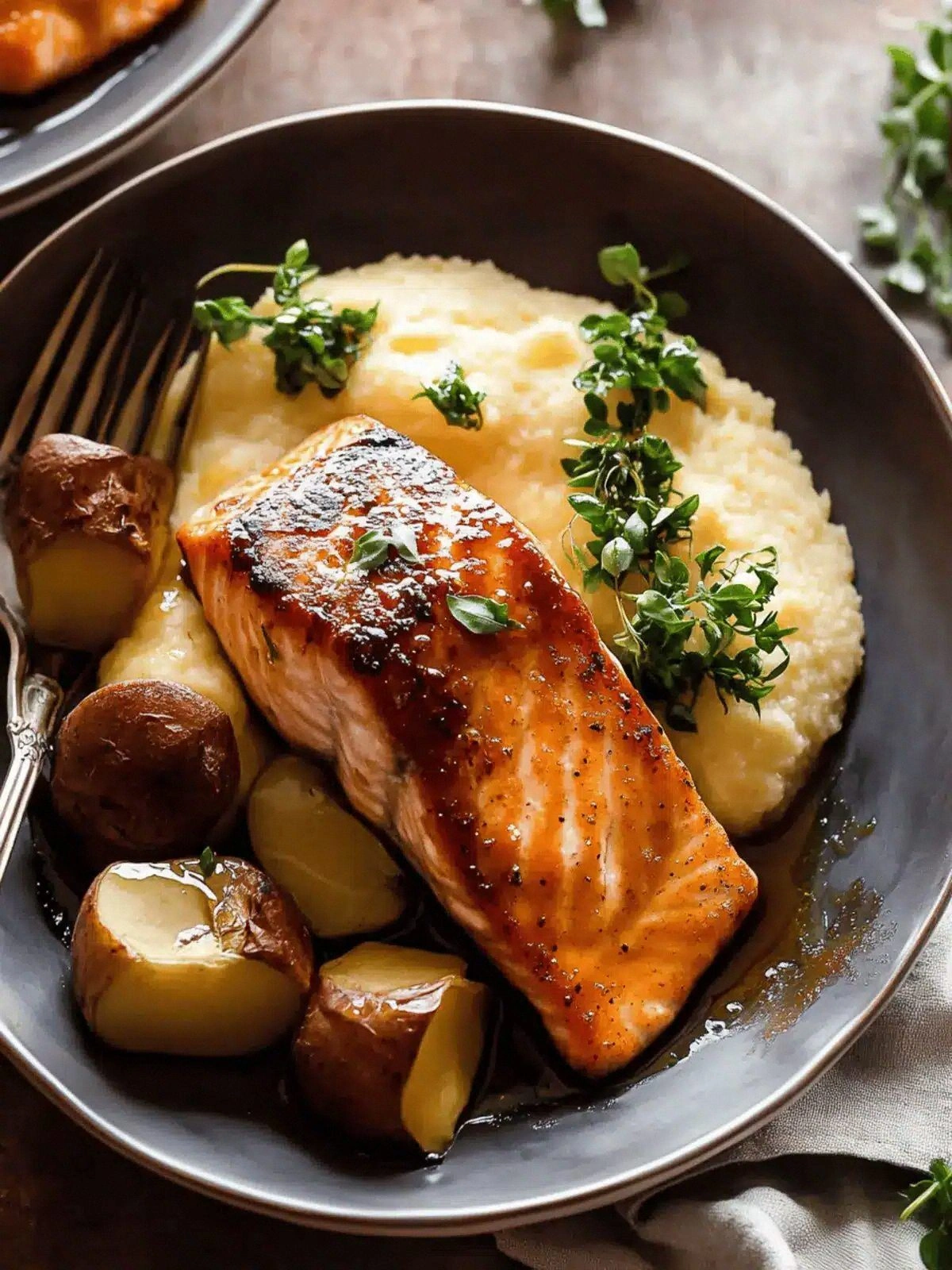
Picture yourself pulling this dish out of the oven, the whole kitchen smelling incredible, the golden glaze shimmering like liquid amber. The salmon’s skin will crackle, the flesh will be tender yet firm, and the apple cider glaze will coat each bite like a velvet coat. I dare you to taste this and not go back for seconds, because the harmony of maple, bourbon, and citrus will have you begging for more. This is hands down the best version you'll ever make at home, and it’s so simple you’ll wonder why you haven’t tried it sooner. Stay with me here—this is worth it.
I’ve spent the last year refining this recipe, testing variations, and gathering feedback from a rotating panel of skeptical foodies. Each tweak—whether it was adding a pinch of cayenne or substituting honey for maple syrup—brought a new dimension to the dish. The result? A salmon that’s crisp on the outside, juicy inside, and drenched in a glaze that’s both sweet and savory. I’ll be honest— I ate half the batch before anyone else got to try it—so you’re in for a treat. If you’ve ever struggled to make salmon that isn’t dry, you’re not alone, and I’ve got the fix.
Most recipes get this completely wrong by overcooking the fish or underusing the glaze. The secret lies in balancing the acidity of apple cider with the richness of maple syrup, and in letting the bourbon add a subtle warmth that lingers on the palate. The apples aren’t just garnish; they’re a flavor partner that releases a sweet aroma as they cook. And the Brussels sprouts? They add a smoky crunch that contrasts beautifully with the silky salmon. This version stands out because it turns a simple dinner into an experience that feels like a gourmet meal.
Let me walk you through every single step—by the end, you'll wonder how you ever made it any other way. We’ll start with a quick prep of the ingredients, then move on to creating the glaze, cooking the salmon, and finishing with a creamy polenta that will soak up every last drop of sauce. I’ll throw in a few micro‑challenges along the way, like “don’t touch the pan until the glaze thickens”—trust me, the payoff is worth it. Ready? Let’s dive in.
What Makes This Version Stand Out
- Flavor: The maple and bourbon combo creates a complex sweetness that lingers, while the apple cider cuts through the richness of the salmon.
- Texture: The glaze forms a caramelized crust that cracks like thin ice, giving way to a tender interior.
- Visual Appeal: The glossy glaze glistens against the bright green Brussels sprouts, making the plate Instagram‑ready.
- Ease: All steps can be done in under an hour, and the glaze reduces to a thick sauce in minutes.
- Versatility: Swap the apples for pears or add a splash of orange juice for a citrus twist.
- Crowd‑Pleaser: The dish balances sweet, salty, and umami, appealing to both kids and adults.
- Make‑Ahead: The glaze can be pre‑made and refrigerated; the salmon just needs a quick sear when ready to serve.
- Health: The salmon provides omega‑3s, the apples add fiber, and the polenta offers a comforting carb without excess fat.
Alright, let's break down exactly what goes into this masterpiece. Each ingredient has been chosen for its role in building layers of flavor, texture, and visual delight.
The Flavor Base
Apple cider is the backbone of our glaze, providing acidity that balances the sweetness of maple syrup. Its natural fruitiness also complements the subtle earthiness of the Brussels sprouts. If you can’t find apple cider, a splash of white wine or apple juice works as a close substitute. However, the distinct tartness of cider is irreplaceable, so aim for the original if possible. A good quality cider will give depth to the sauce, turning it from ordinary to unforgettable.
Maple syrup, used in moderation, adds a caramelized sweetness that coats the salmon and caramelizes on the pan. The syrup’s natural sugars create a glossy finish, and its vanilla undertones add warmth. If you prefer a less sweet glaze, try substituting half the maple with honey; the result will still be delicious but slightly less syrupy. Remember that maple syrup is thicker than honey, so adjust the consistency by adding a splash of water if it becomes too thick.
Soy sauce brings umami depth and a touch of saltiness that counterbalances the sweet elements. It also helps the glaze set into a glossy sheen. For a gluten‑free version, use tamari or coconut aminos; the flavor profile remains similar. Keep the soy sauce low‑sodium if you’re watching your salt intake, as it’s already salty on its own.
The Texture Crew
Brussels sprouts are the crunchy counterpoint to the tender salmon, adding both color and a smoky, slightly bitter flavor that cuts through the richness. Trim the stems, halve them, and toss them in a bit of olive oil before roasting; this step brings out their natural sweetness. If you’re short on time, sauté them in a pan with butter until caramelized, and they’ll still deliver that delightful crunch. The sprouts also provide a vegetable component that keeps the dish balanced and satisfying.
Butter is essential for sautéing the Brussels sprouts and for finishing the polenta. It adds a silky mouthfeel and a rich flavor that ties the dish together. Use unsalted butter for more control over the salt level, and consider adding a pinch of garlic powder for extra depth. If you’re vegan, a plant‑based butter or coconut oil can substitute, but the taste will shift slightly.
Polenta is the creamy base that soaks up the glaze, turning every bite into a luscious experience. The dry yellow polenta requires a gentle simmer and constant stirring to avoid clumps. Add whole milk for a richer, creamier texture, and finish with parmesan for a cheesy, nutty finish. Polenta’s neutral flavor makes it a perfect canvas for the complex glaze.
The Unexpected Star
Honeycrisp apples are not just garnish; they’re a key player that brings a crisp, tart contrast to the sweet glaze. Their natural juiciness releases a subtle aroma as they cook, infusing the dish with a fresh, fruity note. Slice them thinly so they caramelize quickly and add a slight crunch to each bite. If you’re in a pinch, Granny Smith or Fuji apples can work, but Honeycrisp’s balance of sweet and tart is ideal.
Bourbon adds a smoky depth that elevates the glaze beyond simple sweetness. The alcohol evaporates during cooking, leaving behind a warm, slightly caramelized flavor that lingers on the palate. Use a quality bourbon with a smooth finish; a too‑strong or peaty bourbon will overpower the dish. A splash of bourbon also helps the glaze thicken, creating that glossy, caramelized coating.
Cayenne pepper is a micro‑challenge that adds a subtle heat without overwhelming the sweet elements. A pinch is enough to give the glaze a gentle kick, and it pairs beautifully with the apple cider’s acidity. If you’re heat‑averse, omit the cayenne; the dish remains deliciously balanced. For a different twist, try smoked paprika for a smoky warmth.
Everything's prepped? Good. Let's get into the real action.
The Method — Step by Step
- Prep the Salmon: Pat the salmon fillets dry with paper towels. Season both sides with salt and pepper, then set aside. The drier the surface, the crispier the skin will become when seared. I’ve seen fillets that steam rather than sear; this step prevents that.
- Make the Glaze: In a small saucepan, combine apple cider, maple syrup, soy sauce, bourbon, and cayenne. Heat over medium, stirring until the mixture boils, then reduce to a simmer. Let it thicken until it coats the back of a spoon; this usually takes about 8 minutes.
- Roast the Brussels Sprouts: Toss halved sprouts with olive oil, salt, and pepper. Spread them on a baking sheet and roast at 400°F for 20 minutes, turning halfway. The caramelization adds depth and a slight crunch that balances the dish.
- Cook the Salmon: Heat a cast‑iron skillet over medium‑high heat. Add a tablespoon of butter, then place the salmon skin‑side down. Sear for 4-5 minutes until the skin is crisp and releases easily from the pan. Flip and cook for an additional 3-4 minutes.
- Glaze the Salmon: Brush the glaze over the salmon fillets. Cook for another 2 minutes, letting the glaze caramelize. The glaze should coat the fish like a glossy coat, and the edges will start pulling away from the pan. This is the moment of truth.
- Prepare the Polenta: In a saucepan, bring whole milk to a boil. Stir in dry yellow polenta, reduce heat to low, and simmer, stirring constantly, for 20 minutes. The polenta should be thick and creamy, not grainy.
- Finish the Polenta: Stir in butter and parmesan until melted and smooth. Add a pinch of salt to taste. The polenta should be silky, with a buttery sheen that mirrors the glaze’s shine.
- Plate the Dish: Spoon a generous mound of polenta onto each plate. Nestle the glazed salmon on top, then scatter roasted Brussels sprouts around. Drizzle any remaining glaze over the entire plate for an extra burst of flavor.
- Garnish: Slice the remaining apples thinly and arrange them artfully on top. A few fresh herbs, like parsley or thyme, add a pop of color and freshness.
- Serve: Present immediately while the salmon is still warm and the glaze is glossy. The contrast of textures—crispy, tender, creamy—makes every bite a revelation. I dare you to taste this and not go back for seconds.
That's it — you did it. But hold on, I've got a few more tricks that'll take this to another level.
Insider Tricks for Flawless Results
The Temperature Rule Nobody Follows
Many cooks overheat the skillet, causing the salmon to stick and the glaze to burn. I recommend preheating the pan to 375°F and then reducing to medium‑high after adding butter. This ensures a steady, even sear. A quick test: drop a small drop of water onto the pan; if it dances, the heat is perfect. This simple check saves the dish from a dry, rubbery texture.
Why Your Nose Knows Best
The first hint that the glaze is ready is its scent—a sweet, caramelized aroma with a hint of citrus. Trust that smell; it means the sugars have caramelized without burning. If the smell turns bitter, the glaze has overcooked, and you’ll need to salvage it with a splash of apple cider. Your nose is the most reliable judge of flavor.
The 5‑Minute Rest That Changes Everything
After searing the salmon, let it rest for 5 minutes before plating. This allows the juices to redistribute, ensuring every bite is moist. I’ve seen people slice salmon immediately and end up with dry, uneven texture. A short rest also lets the glaze thicken slightly, giving a richer coating.
Polenta Perfection
Stir the polenta continuously for the first 10 minutes; this prevents clumps and creates a silkier texture. When you add butter and parmesan, keep stirring until the mixture is glossy. If you’re in a hurry, use instant polenta, but the texture will be less satisfying. The key is patience and constant motion.
Apple Caramelization
Sauté the apple slices in a separate pan until they’re golden and slightly caramelized. This step adds depth and a sweet crunch. Don’t rush; the caramelization takes 3-4 minutes. Once caramelized, they’re ready to garnish and add a final burst of flavor.
Serving Temperature
Serve the salmon immediately after plating, while the glaze is still glossy. If you need to hold the dish, keep it in a warm oven at 200°F. Do not reheat the salmon in a pan; it will overcook and lose its delicate texture.
Creative Twists and Variations
This recipe is a playground. Here are some of my favorite ways to switch things up:
Spicy Mango Glaze
Swap the apples for diced mango and add a dash of sriracha to the glaze. The mango’s tropical sweetness pairs with the heat, creating a vibrant flavor profile. It’s perfect for a summer dinner. The glaze will have a bright, fruity sheen.
Herb‑Infused Polenta
Add chopped rosemary and thyme to the polenta while it simmers. The herbs infuse the creamy base with a fragrant aroma. This variation gives the dish a rustic, Mediterranean feel. It’s a great way to bring a different dimension.
Citrus‑Zest Finish
Grate fresh lemon or orange zest into the glaze just before serving. The citrus brightens the dish and cuts through the sweetness. A squeeze of fresh lime juice adds a bright, tangy note. This variation is ideal for a light, refreshing meal.
Smoky Chipotle Sauce
Replace the bourbon with chipotle in adobo for a smoky, slightly spicy sauce. The chipotle adds depth and a subtle heat that complements the salmon. The glaze will have a darker, richer color. This version is great for a bold, adventurous palate.
Vegetarian Polenta Bowl
Omit the salmon and top the polenta with roasted Brussels sprouts, caramelized apples, and a drizzle of maple glaze. Add a sprinkle of toasted nuts for crunch. The dish becomes a hearty, plant‑based entrée. It’s a great option for a light dinner.
Gluten‑Free Twist
Use gluten‑free soy sauce and a gluten‑free polenta. The dish remains delicious and safe for those with sensitivities. The flavor profile stays intact, with the maple and bourbon still shining. It’s a simple swap that keeps everyone happy.
Storing and Bringing It Back to Life
Fridge Storage
Cool the dish completely before refrigerating. Store the salmon and glaze separately in airtight containers for up to 3 days. The glaze can be reheated gently in a saucepan, adding a splash of apple cider to keep it moist. The polenta should be reheated in a skillet with a splash of milk to restore creaminess.
Freezer Friendly
Wrap the salmon fillets tightly in plastic wrap and then in foil before freezing. The glaze can be frozen in a small container for up to 2 months. When ready to serve, thaw in the refrigerator overnight. Reheat the salmon in a skillet over low heat; the glaze will thicken again.
Best Reheating Method
Reheat the salmon and glaze in a covered skillet over low heat, adding a tiny splash of water to steam and keep the flesh moist. The polenta can be reheated in the microwave, then finished in a skillet with butter. This method preserves texture and flavor, ensuring each bite is as good as the first.