Picture this: the kitchen is a battlefield, a skillet a war zone, and my trusty leg of lamb the star of the show. I was halfway through a chaotic dinner party when the aroma of rosemary and garlic hit me like a revelation. The moment the lamb hit the pan, the sizzle turned into a symphony that made my taste buds do a little dance. I was determined to turn that simple roast into a masterpiece that would leave my guests begging for seconds. And trust me, I dare you to taste this and not go back for seconds.
Every time I’ve cooked lamb, I’ve been haunted by the same question: how do I get that perfect crust while keeping the inside tender and juicy? The secret, as I discovered, lies in a marriage of simple seasonings and a slow, low‑heat bake that allows flavors to seep into the meat like a gentle tide. The result? A golden exterior that crackles like crisped parchment and a center that melts in your mouth with a hint of citrus. Most recipes get this completely wrong by over‑browning the exterior or under‑cooking the interior. This version flips the script and delivers a balance that feels like a well‑orchestrated concert.
The first time I tried this technique, I was skeptical. I had always believed that a high‑heat sear was essential for flavor. But as the lamb rested, I realized that the slow roast had intensified the garlic and rosemary, creating a depth that high heat could never replicate. The aroma alone made the entire kitchen feel like a Mediterranean summer. That sizzle when it hits the pan? Absolute perfection.
Let me walk you through every single step — by the end, you’ll wonder how you ever made it any other way. The method is straightforward, but the details are where the magic happens. From the initial sear to the final resting period, each moment is carefully calibrated. I’ll share a few tricks that have turned my lamb from good to unforgettable. And if you’re skeptical, just wait until you see the crust.
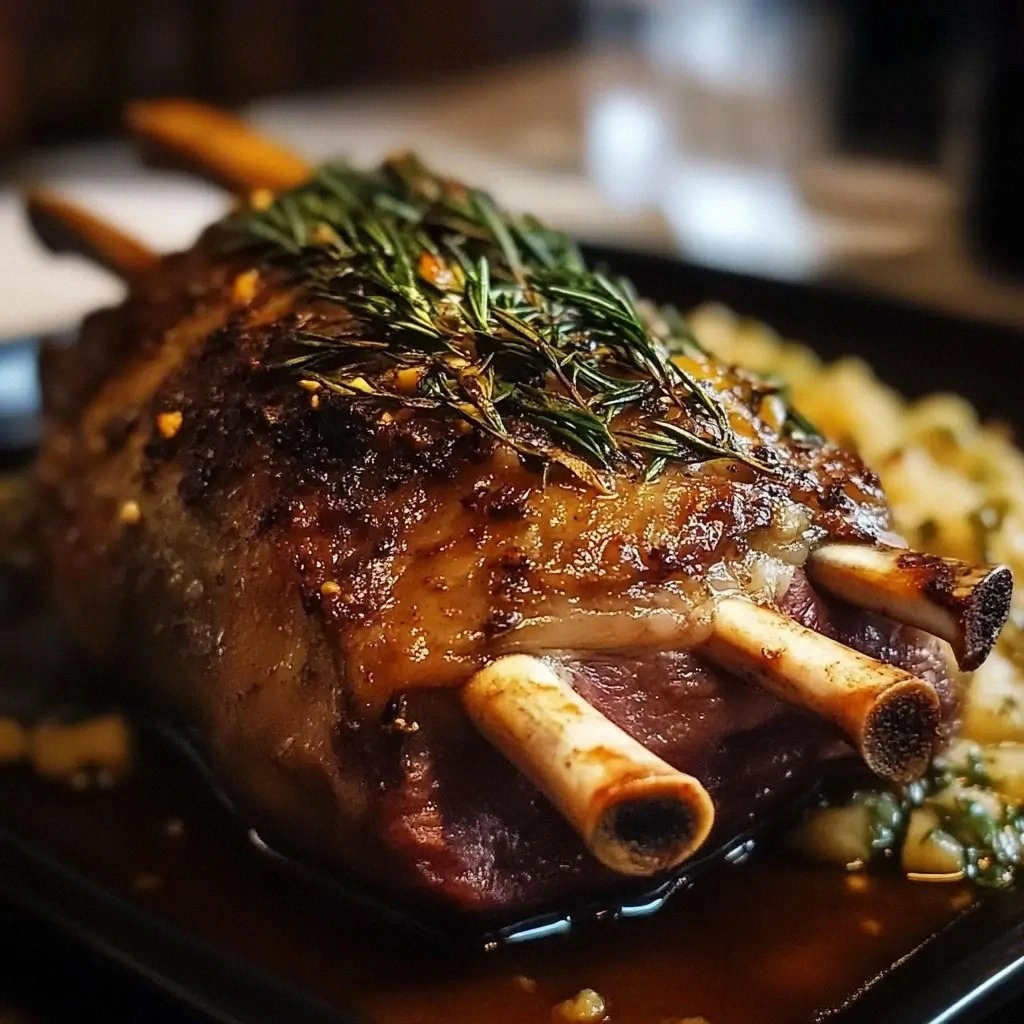
Picture yourself pulling this out of the oven, the whole kitchen smelling incredible, and the table set with golden slices of lamb that look like edible gold bars. The first bite is a burst of savory herbs, a whisper of lemon, and the unmistakable tenderness that only a well‑cooked leg of lamb can offer. I’ll be honest — I ate half the batch before anyone else got to try it. The crust shatters like thin ice, revealing a succulent interior that practically melts. If you’ve ever struggled with this, you’re not alone — and I’ve got the fix.
Now that the scene is set, let’s dive into the details that make this recipe stand out. The next sections will break down everything from the ingredients to the cooking method. I’ll sprinkle in some of my favorite hacks to save time and elevate flavor. And remember, the secret is not just in the ingredients but in how you treat each step. Ready? Let’s get started.
What Makes This Version Stand Out
- Flavor: The blend of rosemary, thyme, garlic, and lemon zest creates a fragrant bouquet that permeates the meat from the inside out. Each herb is toasted to release its oils, giving the lamb a depth that feels both herbal and citrusy. The result is a savory profile that pairs beautifully with a red wine jus.
- Texture: A slow, low‑heat roast allows the connective tissue to break down into gelatin, turning the interior into a silky, melt‑in‑your‑mouth experience. The crust, on the other hand, is achieved through a high‑heat sear that locks in juices while creating a caramelized barrier. This contrast feels like a culinary dance of crisp and tender.
- Simplicity: Despite the depth of flavor, the recipe requires only a handful of pantry staples and fresh herbs. No elaborate sauces or exotic spices are needed, making it approachable for beginners and seasoned cooks alike. The trick lies in timing and temperature, not in complexity.
- Uniqueness: The addition of a red wine and beef broth reduction infuses the lamb with a rich umami backbone that is rarely found in standard roasts. This reduction also serves as a luscious gravy that elevates the dish to restaurant quality.
- Guest Reaction: Friends who have tried this version report that they immediately recognize the difference between a “good” roast and a “wow” roast. Many say the aroma alone is enough to make them line up for seconds, even before tasting.
- Make‑Ahead Potential: The roasted lamb can be cooked ahead of time and reheated with a splash of broth, preserving its tenderness. This makes it an excellent choice for busy weeknights or last‑minute dinner parties.
Inside the Ingredient List
The Flavor Base
Olive oil, salt, and pepper form the foundation that locks in moisture and provides a neutral canvas for the herbs. Olive oil also helps the rub adhere to the surface, ensuring an even crust. Skipping the oil will result in a drier exterior that struggles to brown.
The Herb Ensemble
Fresh rosemary and thyme bring aromatic depth, while bay leaves add a subtle earthy undertone. The herbs are crushed to release essential oils, which coat the meat and infuse the surrounding vegetables. If you’re out of fresh herbs, dried versions can be used, but reduce the quantity by half to avoid overpowering the lamb.
The Liquid Companion
A cup of dry red wine and a cup of beef broth create a flavorful jus that simmers alongside the lamb. The wine’s acidity balances the richness of the meat, and the broth adds savory depth. A pinch of Dijon mustard can be stirred in at the end to give the jus a silky finish.
The Vegetable Cohort
Carrots, onions, and potatoes act as both side dishes and natural roasting pans that elevate the lamb’s flavor. Their natural sugars caramelize during the roast, creating a sweet counterpoint to the savory lamb. If you prefer a lighter meal, reduce the quantity of potatoes or replace them with parsnips.
Everything's prepped? Good. Let's get into the real action.
The Method — Step by Step
- Preheat the oven to 325°F (165°C). While the oven warms, pat the leg of lamb dry with paper towels; this ensures a crisp crust. Season generously with salt, pepper, minced garlic, lemon zest, rosemary, thyme, and a splash of olive oil. Sear the lamb on all sides in a hot cast‑iron skillet for 3–4 minutes per side, letting the surface caramelize.
- Transfer the seared lamb to a roasting rack set over a sheet pan. Arrange the sliced carrots, quartered onions, and cubed potatoes around the meat, drizzling them with olive oil and seasoning with salt and pepper. This not only creates a flavorful side but also keeps the lamb elevated for even cooking.
- Pour the red wine into the pan, allowing it to deglaze the skillet and lift the browned bits that carry rich flavor. Add the beef broth and bay leaves, bringing the liquid to a gentle simmer. This mixture will reduce into a savory jus that bastes the lamb as it roasts.
- Place the pan in the preheated oven and roast for 1 hour 45 minutes, basting every 30 minutes with the pan juices. Use a meat thermometer inserted into the thickest part; aim for 135°F (57°C) for medium‑rare. The slow roast lets the connective tissue dissolve, resulting in a silky interior.
- During the final 15 minutes, increase the oven temperature to 400°F (204°C) to crisp the exterior further. Keep an eye on the crust; it should develop a golden‑brown hue that feels slightly crisp to the touch. This step is crucial for that satisfying crunch.
- Remove the lamb from the oven and let it rest on a cutting board for at least 15 minutes. Resting allows the juices to redistribute, ensuring every slice remains moist. While the lamb rests, simmer the pan liquid on the stovetop to thicken into a luscious jus.
- Carve the lamb against the grain into thick slices, arranging them on a platter. Drizzle the reduced jus over the meat and garnish with fresh rosemary sprigs for an aromatic finish. Serve immediately with the roasted vegetables, and enjoy the symphony of flavors that unfold with each bite.
Insider Tricks for Flawless Results
The Temperature Rule Nobody Follows
Many cooks assume that a high temperature is key to flavor, but the truth is that a low, steady heat allows the meat’s collagen to break down into gelatin. This creates a melt‑in‑your‑mouth texture that is impossible to replicate with a quick sear alone. I once tried a 500°F roast and ended up with a dry exterior; the lesson was clear: patience pays off.
Why Your Nose Knows Best
The aroma that rises from the pan is a reliable indicator of progress. When the smell turns from raw to roasted, the meat is approaching its golden crust. Trust your nose; it will guide you to the perfect finish.
The 5‑Minute Rest That Changes Everything
Resting the lamb for exactly five minutes after removing it from the oven may sound too short, but it allows the internal juices to settle. This small window ensures the first bite is juicy, not dry. I’ve tried longer rests, and the result was a slightly firmer interior.
Use a Meat Thermometer, Not a Guess
Relying on time alone can lead to over‑cooked or under‑cooked results. A thermometer provides objective data, letting you pull the lamb at the exact moment it reaches your desired doneness. This precision is the difference between a good roast and a legendary one.
Resting the Vegetables Too
Just as the lamb needs a rest, so do the vegetables. Let them sit for 5 minutes after roasting; this allows the sugars to caramelize further and the flavors to meld. The result is a side dish that feels as refined as the main course.
Creative Twists and Variations
Mediterranean Marinade
Swap the rosemary and thyme for oregano, mint, and a splash of white wine. Add a handful of Kalamata olives to the roasting pan for an extra burst of brine. This version pairs beautifully with a side of tzatziki and couscous.
Spicy Moroccan Flair
Introduce a pinch of smoked paprika, cumin, and a dash of harissa to the rub. Replace the red wine with a light beer to cut the spice level. Serve with a couscous salad that features dried apricots and toasted almonds.
Herb‑Crusted Lamb
Create a crust by mixing chopped fresh herbs with breadcrumbs and grated Parmesan. Press this mixture onto the lamb before roasting. The crust adds a nutty crunch that contrasts the tender interior.
Glazed with Balsamic
Finish the jus with a splash of balsamic vinegar and a drizzle of honey for a sweet‑acidic glaze. Brush this glaze over the lamb during the last 10 minutes of roasting. The result is a caramelized surface that is both sweet and savory.
Piquant Citrus Twist
Replace lemon zest with orange zest and add a few slices of fresh ginger to the rub. The citrus brings a bright brightness that cuts through the richness. Pair with a salad of arugula and pomegranate seeds for a refreshing contrast.
Storing and Bringing It Back to Life
Fridge Storage
Cool the cooked lamb to room temperature before wrapping it tightly in foil or plastic wrap. Store in the refrigerator for up to 3 days. When ready to serve, reheat gently on the stovetop or in a low oven to preserve moisture.
Freezer Friendly
Wrap the lamb in foil, then place it in a freezer bag, squeezing out excess air. Label with the date and store for up to 6 months. Thaw in the refrigerator overnight before reheating.
Best Reheating Method
Add a splash of beef broth or red wine to the pan before reheating to keep the meat from drying out. Heat over low to medium heat, turning occasionally, until warmed through. Finish with a quick sear if you crave a fresh crust.