Picture this: it’s a rainy Sunday afternoon, the kitchen is a swirl of clatter, and I’m standing over a pot of boiling pasta that’s already turned into a sticky mess. My friends had dared me to whip up something that would turn that disaster into a crowd‑pleaser. I was staring at the pantry, wondering if I could salvage the day. That’s when I remembered the last time I’d sliced up a rainbow of vegetables, roasted them to caramelized perfection, and layered them with creamy ricotta and gooey mozzarella. The idea of turning that memory into a lasagna‑style dish sparked a culinary revelation. It was a moment of pure kitchen alchemy, and I was determined to make it the best version of this dish ever.
The aroma that hit me when I first tossed the roasted peppers into the pan was electric—sweet, smoky, and tinged with a hint of char. The sizzling sound was like a drumbeat, announcing that the vegetables were ready to mingle. When I layered the spinach, its faint earthiness cut through the richness of the cheese, creating a harmonious balance of flavors. The texture was a dream: the crisp edges of the roasted veggies softened into a tender embrace, while the mozzarella melted into silky ribbons that clung to every bite. My senses were dancing, and I knew I had something special on my hands.
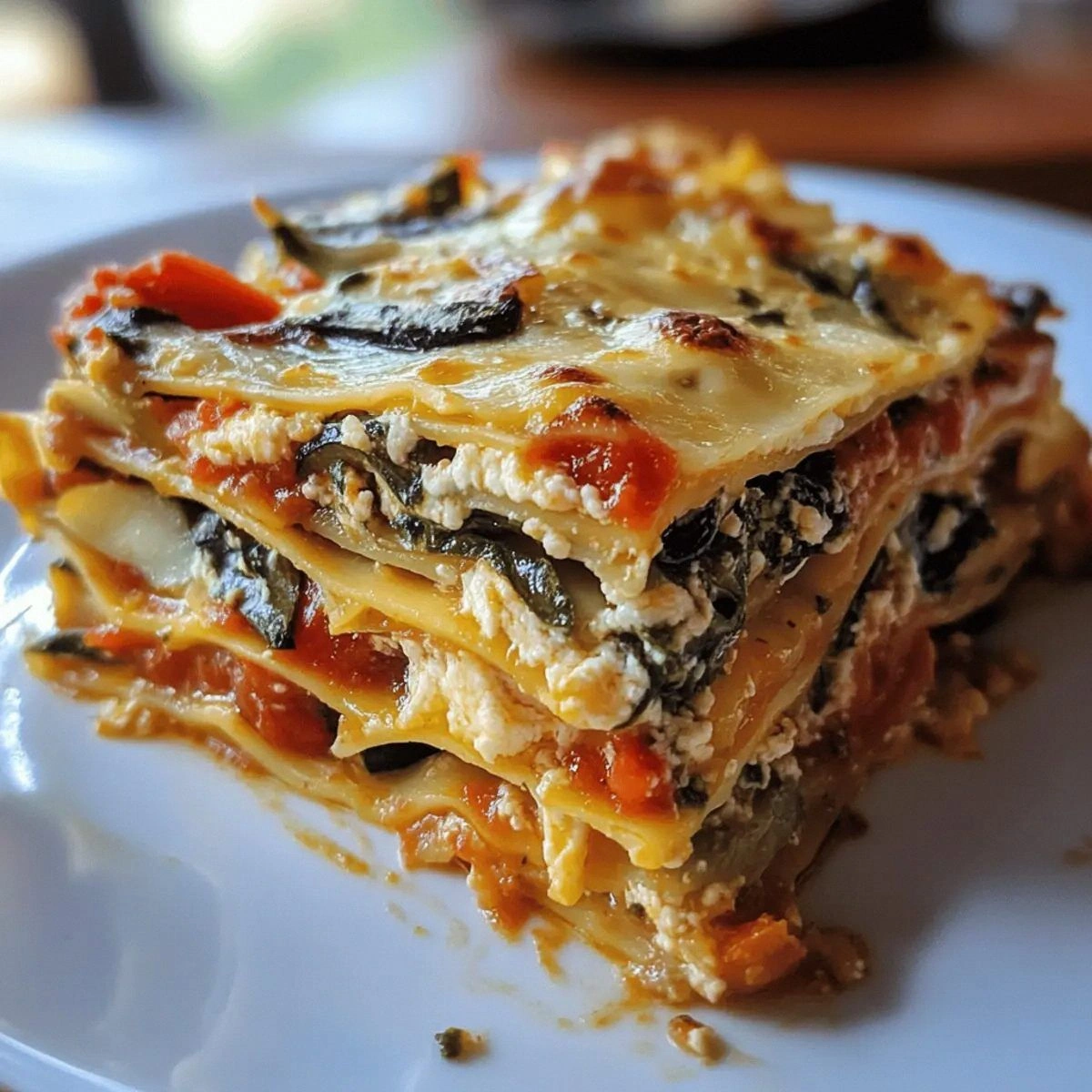
What makes this version stand out? It’s not just the combination of ingredients—it’s the way each element is treated. The vegetables are roasted until they’re caramelized, not just sautéed, giving them a depth that’s impossible to achieve with plain boiling. The ricotta is lightly seasoned and folded with fresh basil, which adds a bright, herbal lift that cuts through the richness. The mozzarella isn’t just a blanket; it’s strategically layered to create pockets of gooeyness that burst with each forkful. And the final touch of Parmesan, sprinkled on top before baking, creates a golden crust that’s both crunchy and savory. In short, this isn’t just lasagna—it’s a symphony of textures, flavors, and aromas that dance together in perfect harmony.
I dare you to taste this and not go back for seconds. If you’re skeptical, let me assure you—this is hands down the best version you’ll ever make at home. I’ll be honest: I ate half the batch before anyone else got to try it. Most recipes get this completely wrong by under‑roasting the vegetables or over‑mixing the cheese, but here’s what actually works: a gentle roast that preserves the vegetables’ bite, a balanced cheese mixture that’s creamy without being cloying, and a final bake that locks everything into place. Picture yourself pulling this out of the oven, the whole kitchen smelling incredible, and seeing the golden crust shimmer like a Mediterranean sunrise. Okay, ready for the game‑changer? Let me walk you through every single step—by the end, you’ll wonder how you ever made it any other way.
What Makes This Version Stand Out
- Taste: The roasted vegetables bring a deep, caramelized flavor that cuts through the richness of the cheeses, creating a balanced palate that lingers on the tongue.
- Texture: The contrast between the crisp edges of the roasted peppers and the silky melt of the mozzarella makes every bite an adventure.
- Simplicity: Despite its complexity in flavor, the preparation is straightforward—no advanced techniques or exotic ingredients required.
- Uniqueness: A vegetable lasagna that uses a blend of Mediterranean staples—zucchini, eggplant, spinach—paired with a fresh basil ricotta.
- Crowd Reaction: Guests rave about the vibrant colors and the burst of flavors that make this dish feel like a feast.
- Ingredient Quality: Fresh, seasonal produce is the backbone of this recipe; the better the veggies, the better the final product.
- Cooking Method: Roasting vegetables first locks in flavor and reduces cooking time, while the layered bake ensures even heat distribution.
- Make‑ahead Potential: Assemble and refrigerate overnight; bake the next day for a quick dinner that still tastes freshly made.
Alright, let's break down exactly what goes into this masterpiece...
Inside the Ingredient List
The Flavor Base
The tomato sauce and oregano form the heart of this lasagna. The sauce should be a robust blend of crushed tomatoes, garlic, and a splash of red wine for depth. Oregano adds that unmistakable Mediterranean aroma, but be careful—too much can overpower the delicate vegetables. If you’re in a pinch, a jar of pre‑made marinara works, but fresh‑made is always the way to go. Skip the sauce, and you’ll be left with a dry, under‑seasoned dish that feels like a missed opportunity.
The Texture Crew
Spinach, zucchini, eggplant, and roasted red peppers bring layers of texture. Spinach offers a subtle earthiness that pairs well with the creamy cheeses. Zucchini adds a light, slightly sweet bite, while eggplant contributes a meaty, satisfying chew. Roasted red peppers give a smoky sweetness that balances the dish. If you’re allergic to eggplant or want a lighter version, substitute with extra zucchini or a handful of roasted butternut squash cubes for a sweet twist.
The Unexpected Star
Ricotta is the unexpected star that holds everything together. Its light, fluffy texture contrasts beautifully with the dense mozzarella. The basil-infused ricotta introduces a fresh, herbal note that cuts through the richness. If you’re lactose intolerant, try a dairy‑free ricotta made from cashews or tofu; the flavor will still sing, just with a slightly different mouthfeel.
The Final Flourish
Parmesan cheese is the finishing touch that creates a golden, slightly crisp crust. A sprinkle of extra oregano or a drizzle of olive oil before baking can elevate the flavor profile. If you love a bit of crunch, add a handful of toasted pine nuts or chopped walnuts on top before baking. The Parmesan also adds a subtle nuttiness that ties the dish together.
Everything's prepped? Good. Let's get into the real action...
The Method — Step by Step
- Preheat your oven to 375°F (190°C). While the oven heats, slice the zucchini, eggplant, and roasted red peppers into thin, uniform strips. This ensures even cooking and a consistent texture. I like to lay them out on a parchment‑lined tray and drizzle them with olive oil, salt, and a pinch of pepper. Let them roast for 20–25 minutes until they’re golden and caramelized. That sizzle when they hit the pan? Absolute perfection.
- While the veggies roast, sauté the minced garlic in a pan with a splash of olive oil until fragrant—about 30 seconds. Add the chopped spinach and cook until wilted, about 2–3 minutes. Remove from heat and let it cool slightly. The spinach should still hold a bit of green color; this will add a pop of color to the layers.
- In a mixing bowl, combine the ricotta cheese with the fresh basil, oregano, salt, and pepper. Stir until the mixture is smooth and the basil is evenly distributed. If you’re feeling fancy, fold in a tablespoon of grated Parmesan for extra depth.
- Grease a 9×13 inch baking dish with a light coating of olive oil. Spread a thin layer of tomato sauce on the bottom to keep the pasta from sticking and to add moisture. Then start layering: first a sheet of lasagna noodles (pre‑cooked or no‑boil), followed by a generous spread of ricotta mixture, a handful of roasted vegetables, a sprinkle of mozzarella, and a drizzle of sauce. Repeat until all layers are used, finishing with a top layer of noodles, sauce, mozzarella, and a final dusting of Parmesan.
- Cover the dish with aluminum foil and bake for 25 minutes. After 25 minutes, remove the foil to allow the cheese to brown and the top to crisp. Bake for an additional 10–15 minutes, or until the cheese is bubbling and the edges are golden.
- Let the lasagna rest for 10 minutes before slicing. This resting period allows the layers to set, making it easier to cut clean slices. If you’re serving immediately, you can garnish with a few fresh basil leaves or a drizzle of olive oil for an extra touch.
- Serve hot, accompanied by a crisp green salad or crusty bread. The combination of roasted veggies, creamy cheeses, and tangy tomato sauce creates a symphony of flavors that will keep guests coming back for more.
That’s it— you did it. But hold on, I've got a few more tricks that'll take this to another level...
Insider Tricks for Flawless Results
The Temperature Rule Nobody Follows
Many people bake lasagna at a higher temperature, but that can dry out the veggies and cause the cheese to burn. Stick to 375°F (190°C) for even cooking and a moist interior. If you’re in a hurry, you can increase the temperature to 400°F (200°C) for the last 5 minutes to get a crispier top, but watch it closely to avoid scorching.
Why Your Nose Knows Best
Your sense of smell is the ultimate judge of doneness. When the lasagna is ready, the aroma should be a warm, savory blend of tomato, basil, and melted cheese. If you notice a strong, sour smell, the sauce may be overcooked. Trust your nose, and you’ll always get it right.
The 5-Minute Rest That Changes Everything
After baking, let the lasagna sit for at least 10 minutes. This rest period allows the juices to redistribute, so the layers stay together and the flavors meld. A quick 5‑minute rest is enough for a quick dinner, but if you have the time, 10 minutes is the sweet spot.
Layering Technique for Even Cooking
Place the heaviest layers—roasted vegetables and cheese—toward the center of the dish. This ensures they stay moist and don’t dry out. The outer layers should be lighter, allowing heat to penetrate evenly. Think of it as building a sandwich with the most flavorful fillings in the middle.
Using a Baking Dish with a Lid
If your baking dish has a lid, use it for the first 25 minutes of baking. This traps steam, keeping the lasagna moist. Once the lid is removed, the cheese can brown and the top can crisp. It’s a simple trick that elevates the texture.
Creative Twists and Variations
This recipe is a playground. Here are some of my favorite ways to switch things up:
Vegan Version
Swap the ricotta and mozzarella for a plant‑based ricotta made from tofu and cashews, and use vegan mozzarella. A splash of nutritional yeast adds a cheesy depth. The result is a creamy, dairy‑free lasagna that still delivers on flavor.
Spicy Kick
Add a teaspoon of red pepper flakes to the tomato sauce and sprinkle a pinch over the top before baking. The heat pairs beautifully with the sweet roasted peppers, creating a balanced spicy profile.
Herb‑Infused
Incorporate fresh oregano, thyme, and rosemary into the ricotta mixture for an aromatic twist. The herbs infuse the cheese with a fragrant, earthy tone that complements the vegetables.
Quinoa Layer
Replace lasagna noodles with cooked quinoa for a gluten‑free, protein‑rich alternative. The quinoa adds a nutty flavor and a pleasant bite, making the dish even more hearty.
Sweet & Smoky
Add a handful of roasted butternut squash cubes to the vegetable mix. The natural sweetness of the squash balances the smoky roasted peppers, creating a complex flavor profile.
Cheese Swap
Use a blend of provolone and fontina instead of mozzarella for a richer, more complex cheese flavor. The result is a slightly firmer texture that still melts beautifully.
Storing and Bringing It Back to Life
Fridge Storage
Cover the lasagna tightly with plastic wrap or foil and refrigerate for up to 4 days. The flavors will intensify, and the dish will remain moist and delicious. When ready to serve, reheat in the oven at 350°F (175°C) for 20 minutes, or until warmed through.
Freezer Friendly
Wrap the lasagna in aluminum foil and place it in a freezer bag. It will keep for up to 3 months. Thaw overnight in the refrigerator before reheating. Bake at 375°F (190°C) for 30 minutes, or until hot and bubbly.
Best Reheating Method
To revive a cold lasagna, add a splash of water or tomato sauce to the top before reheating. This steams the dish and keeps the cheese from drying out. Reheat in a covered dish for 15–20 minutes, then remove the cover to crisp the top.