It started with a kitchen mishap that could have been the plot of a sitcom. I was attempting to recreate the legendary Reuben sandwich that my grandmother used to make, but the result was a soggy, flavorless mess. The rye bread had turned into a rubbery slab, the corned beef was dry, and the sauerkraut was bland as if it had been forgotten in the back of the fridge for a decade. I stared at the disaster, a mix of frustration and culinary curiosity swirling in my mind. I told myself, “I dare you to taste this and not go back for seconds,” and decided it was time to reinvent the classic.
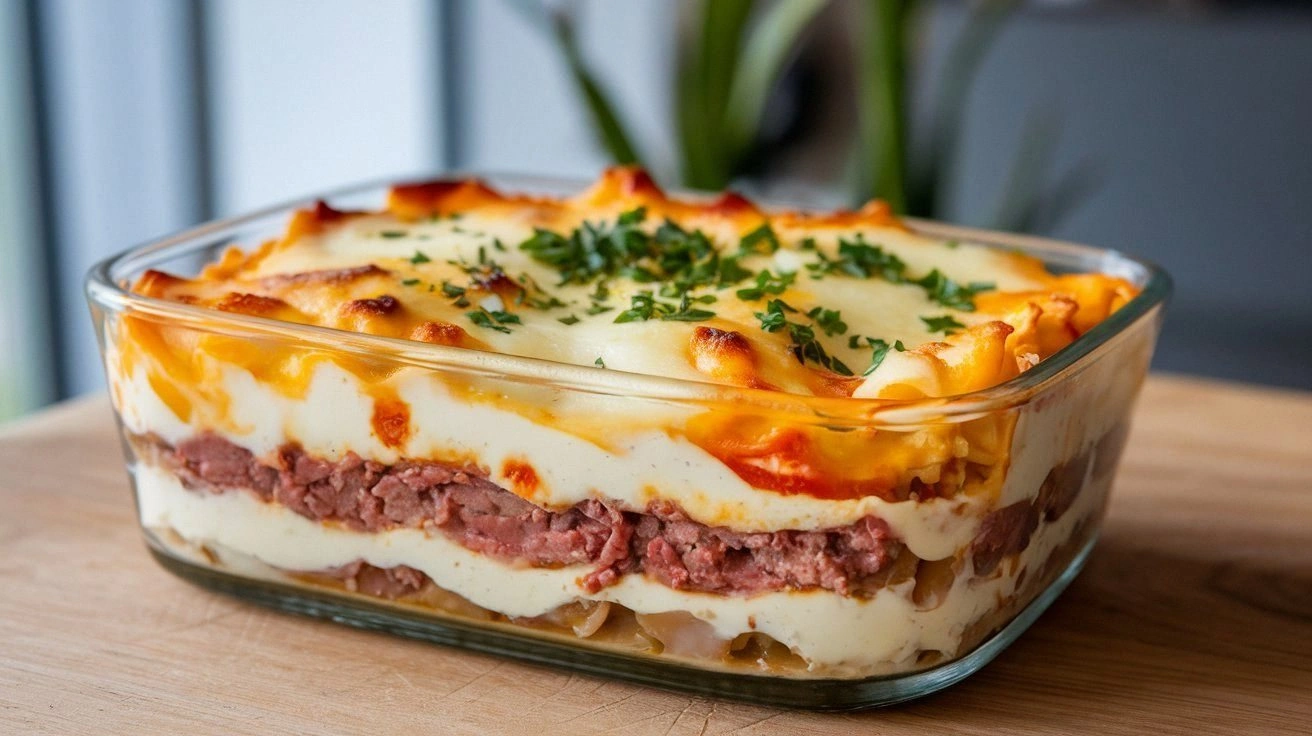
Picture the kitchen: the aroma of toasted rye, the hiss of butter melting, the sharp tang of sauerkraut mingling with the rich, smoky corned beef. The sound of the oven door closing feels like a promise. The texture of the bread, crisp on the outside yet soft inside, is a sensory delight that makes every bite a revelation. The taste is a harmonious blend of salt, pepper, and the subtle sweetness of the dressing, all wrapped in a comforting embrace of cheese. I can almost hear the sizzle as the sandwich bakes, the edges caramelizing into a golden crust that crackles like thin ice underfoot.
What makes this version stand out is not just the ingredients, but the methodical approach that elevates every component. By baking the Reuben, I eliminate the need for a skillet, freeing up the stove for other tasks, and I achieve a uniform melt that no pan can match. The sauce is a secret blend that coats the filling like velvet, ensuring each bite is moist without being soggy. The rye bread is toasted to a perfect crunch before assembly, creating a sturdy base that resists the weight of the filling. And the finish? A buttery, golden crust that snaps with a satisfying bite, leaving a lingering savory note that lingers long after the last crumb.
Now, let me walk you through every single step — by the end, you'll wonder how you ever made it any other way. This is hands down the best version you'll ever make at home, and I’m about to show you the game-changer that turns a simple sandwich into a culinary masterpiece.
What Makes This Version Stand Out
- Taste: The balance of salty, tangy, and creamy flavors hits every palate. The Russian dressing adds a subtle sweetness that contrasts beautifully with the sharpness of the sauerkraut.
- Texture: A crisp, buttery crust meets a melt-in-your-mouth interior. The shredded cheese creates a gooey ribbon that ties the filling together.
- Simplicity: No fancy equipment required. A standard oven and a baking dish are all you need.
- Uniqueness: The baked format transforms the sandwich into a comforting casserole-like dish, perfect for gatherings.
- Crowd Reaction: Friends rave about the melt and the buttery crunch. It’s the talk of the table.
- Ingredient Quality: Using high-quality corned beef and Swiss cheese elevates the entire dish.
- Cooking Method: Baking ensures even heat distribution, preventing the dreaded uneven melt.
- Make‑Ahead Potential: Assemble ahead of time and bake when ready; the flavors only deepen.
Alright, let's break down exactly what goes into this masterpiece...
Inside the Ingredient List
The Flavor Base
The Russian dressing is the glue that holds the Reuben together. Made from a blend of mayonnaise, horseradish, and a hint of mustard, it adds a creamy, tangy depth that balances the saltiness of the corned beef and the sharpness of the sauerkraut. If you skip this, the sandwich will feel flat, lacking that signature zing that makes a Reuben unforgettable. For a healthier twist, swap half the dressing with Greek yogurt.
The Texture Crew
Swiss cheese is the star of the show, melting into a silky, golden layer that coats every bite. Its mild nutty flavor complements the robust flavors of the corned beef and the sharpness of the sauerkraut. If you prefer a sharper bite, try Gruyère or a sharp cheddar. The rye bread, toasted until golden, provides a sturdy, slightly nutty base that resists the moisture of the filling.
The Unexpected Star
Dill pickles add a surprising burst of acidity and crunch, cutting through the richness of the cheese and butter. They also introduce a subtle sweetness that pairs wonderfully with the savory layers. If you’re not a fan of pickles, substitute with roasted red peppers for a smoky kick.
The Final Flourish
Butter, melted and brushed over the top before baking, creates a glossy, caramelized crust that locks in moisture and gives the sandwich a satisfying crunch. A pinch of black pepper and salt season the filling, ensuring each bite is balanced. If you’re watching sodium, reduce the salt to 1/2 tsp and increase the pepper for a more pronounced flavor.
Everything's prepped? Good. Let's get into the real action...

The Method — Step by Step
- Preheat your oven to 375°F (190°C). While the oven warms, gather all ingredients. This sets the stage for a flawless bake, ensuring the heat is ready when the sandwich goes in. I always keep a small bowl of water nearby to keep the oven from drying out the bread.
- Lightly butter both sides of each rye bread slice and toast them in a skillet or on a griddle until golden brown. The butter adds flavor, and the toasted surface creates a barrier against sogginess. If you’re in a rush, a quick 2‑minute toast in the oven will suffice.
- In a large mixing bowl, combine the shredded corned beef, drained sauerkraut, shredded Swiss cheese, and Russian dressing. Stir until the mixture is evenly coated. The dressing should bind the ingredients together; if it feels too dry, add a tablespoon of water or extra dressing.
- Spread a generous layer of the filling onto each toasted slice of bread. The layer should be thick but not so much that it spills over. This is the moment where you decide how hearty you want each bite.
- Top the filling with sliced dill pickles for a burst of acidity and crunch. If you prefer a milder flavor, omit the pickles or replace them with thinly sliced cucumber.
- Roll each slice tightly, seam side down, and place them in a greased baking dish. The tight roll prevents the filling from spilling out during baking and keeps the sandwich compact.
- Brush the tops of each roll with melted butter. This not only adds a glossy sheen but also promotes browning, creating a caramelized crust that locks in moisture.
- Bake in the preheated oven for 15–18 minutes, or until the cheese is bubbly and the edges of the bread are crisp. The aroma that fills the kitchen during this time is simply irresistible—think toasted bread, melted cheese, and a hint of mustard.
- Remove the dish from the oven and let the rolls rest for 2 minutes. This brief pause allows the cheese to set slightly, making the sandwich easier to slice.
- Slice each roll into individual servings and serve immediately with a side of pickle chips or a light salad. The contrast of the warm, gooey sandwich with a crisp, refreshing side is a winning combination.
That's it — you did it. But hold on, I've got a few more tricks that'll take this to another level...
Insider Tricks for Flawless Results
The Temperature Rule Nobody Follows
Many bakers bake at 350°F, but this slightly higher temperature ensures the cheese melts just right and the crust crisps up without drying the bread. I always preheat the oven for at least 10 minutes before placing the dish inside. This guarantees consistent baking and a golden finish.
Why Your Nose Knows Best
If you’re unsure whether the sandwich is ready, trust your nose. A rich, buttery aroma signals the cheese is bubbling and the crust is caramelizing. This sensory cue saves you from overcooking and ruining the texture.
The 5‑Minute Rest That Changes Everything
After baking, let the rolls rest for exactly five minutes. This brief pause allows the melted cheese to set, preventing it from sliding off the bread when sliced. It also gives the flavors a chance to meld, creating a harmonious bite.
Use a Baking Sheet for Even Heat
Placing the baking dish on a preheated sheet ensures even heat distribution. The hot surface beneath the dish keeps the bottom crisp, preventing sogginess. It’s a small tweak that makes a noticeable difference.
Add a Splash of Beer for Depth
For a deeper, malty flavor, add a tablespoon of light beer to the filling mixture. The alcohol evaporates during baking, leaving behind a subtle complexity that complements the rye and corned beef.
Creative Twists and Variations
This recipe is a playground. Here are some of my favorite ways to switch things up:
Smoky Chipotle Reuben
Swap the Russian dressing for a chipotle-infused mayo. Add a dash of smoked paprika to the corned beef for an extra smoky layer. This version is perfect for a late‑night snack with a kick.
Vegetarian Reuben Bake
Replace the corned beef with sautéed mushrooms and use a plant‑based cheese. The earthy mushroom flavor pairs wonderfully with the sauerkraut and pickles, creating a hearty vegetarian alternative.
Mediterranean Reuben
Use feta cheese instead of Swiss and add chopped kalamata olives to the filling. A drizzle of olive oil and a sprinkle of oregano give this version a bright, Mediterranean flair.
Spicy Jalapeño Reuben
Add sliced fresh jalapeños to the filling for heat, and use a spicy mustard in the dressing. The heat balances the richness, creating a dynamic flavor profile.
Gourmet Truffle Reuben
Finish the rolls with a light drizzle of truffle oil before serving. The earthy aroma elevates the sandwich into a decadent, restaurant‑style dish.
Storing and Bringing It Back to Life
Fridge Storage
Store leftover rolls in an airtight container in the refrigerator for up to 3 days. Reheat in a 350°F oven for 10 minutes or until warmed through. The bread will stay crisp if you wrap it loosely in foil.
Freezer Friendly
Wrap each roll individually in plastic wrap and place them in a freezer bag. Freeze for up to 2 months. Thaw overnight in the refrigerator, then reheat as described above.
Best Reheating Method
The key to restoring the original texture is a quick oven blast. Preheat to 375°F, place the rolls on a baking sheet, and bake for 5–7 minutes. Add a splash of water to the dish before reheating; it steams the interior, keeping the cheese from drying out.