I remember the night I almost burned the kitchen down while chasing a craving for something that tasted like a punch of garlic, a whisper of chili, and a hug of protein. I was in a rush, the lights flickered, and the stove was a hotbed of potential disaster. The moment the garlic hit the pan, the aroma exploded, turning the kitchen into a battlefield where the scent of sizzling garlic clashed with the sharp tang of soy sauce. I laughed at myself, realizing that the chaos had turned into an accidental masterpiece that would forever haunt my taste buds.
That night, I realized that the combination of high-protein pasta, tender protein, and a sauce that feels like velvet on noodles was a game‑changer. The crunch of roasted peanuts, the subtle nuttiness of hemp hearts, and the smoky depth of Korean chilli powder all danced together, creating a symphony that was both bold and comforting. Every bite felt like a warm hug from a friend who knows exactly what you need. I dared you to taste this and not go back for seconds, because once you try it, the temptation will be impossible to resist.
I’m not here to give you a run‑of‑the‑mill recipe. I’m here to reveal the secret sauce that turns a simple bowl of noodles into a culinary triumph. The sauce coats the pasta like velvet, the edges of the noodles crisp just enough to crack like thin ice, and the protein stays moist and tender. The result is a dish that feels both indulgent and healthy, a true win‑win for your taste buds and your waistline.
If you’ve ever struggled with making a noodle dish that’s both high in protein and full of flavor, you’re not alone. I’ve been there, chopping garlic until my fingers felt like a drumbeat. But this version is hands down the best you’ll ever make at home because it balances the richness of sesame seeds with the bright zing of vinegar, all while staying low in carbs and high in protein. Let me walk you through every single step — by the end, you’ll wonder how you ever made it any other way.
What Makes This Version Stand Out
- Taste: The sauce is a layered masterpiece that balances sweet, salty, and spicy, creating a flavor profile that lingers on the palate. The combination of light and dark soy sauces adds depth, while the Chinese black vinegar introduces a subtle acidity that brightens everything.
- Texture: The noodles are al dente, the protein stays juicy, and the crunchy roasted nuts give a satisfying bite. The sauce clings to every strand, creating a cohesive mouthfeel that feels luxurious.
- Simplicity: Even though the flavor is complex, the recipe requires only a handful of ingredients and a single pan. No advanced techniques, just honest cooking.
- Uniqueness: The use of peanut butter or tahini thickens the sauce without dairy, while the hemp hearts add a subtle nutty undertone that is rarely found in noodle dishes.
- Crowd Reaction: Friends who taste this say it’s “the best version” of any noodle dish they’ve ever had. The dish is perfect for parties, potlucks, or a quiet dinner.
- Ingredient Quality: Fresh scallions, high‑protein pasta, and freshly ground pepper give the dish a premium feel that feels like a restaurant experience at home.
Alright, let’s break down exactly what goes into this masterpiece…
Inside the Ingredient List
The Flavor Base
The sauce is where the magic happens. Light soy sauce, dark soy sauce, and Chinese black vinegar combine to create a savory backbone. The dark soy adds depth, while the black vinegar gives a subtle tang that lifts the entire dish. If you skip any of these, the sauce will feel flat and less complex.
The minced garlic is the heart of the sauce. It releases its aroma instantly when it hits the hot grapeseed oil, creating an immediate sensory cue that everything is cooking properly. Garlic also brings a natural sweetness that balances the heat from the Korean chilli powder.
The Korean chilli powder adds a gentle heat that’s not overpowering. It’s the kind of spice that warms the palate without making you sweat. If you prefer a milder version, reduce the amount or switch to a milder pepper.
The peanut butter or tahini thickens the sauce and gives it a silky texture. It also brings a nutty flavor that complements the roasted peanuts. If you’re vegan, tahini is a great alternative that offers a slightly bitter edge.
The Texture Crew
The 11 oz dried ribbon noodles or high‑protein pasta are the canvas for the sauce. Their wide, flat shape holds the sauce beautifully, making every bite flavorful. If you’re watching carbs, swap for a low‑carb noodle or zucchini noodles.
The protein of choice—whether it’s tofu, tempeh, or chicken—provides the bulk of the meal’s protein. It’s cooked to a golden finish, giving it a pleasant caramelized flavor. If you’re vegetarian, tofu or tempeh work wonderfully.
The soft‑boiled eggs add a creamy texture and a touch of richness. The yolk should be slightly runny, adding a luxurious mouthfeel. If you prefer a firmer yolk, boil the eggs for an extra minute.
Edamame provides a burst of freshness and a pop of color. It’s also a great source of plant‑based protein. If you’re allergic to soy, replace with peas or corn.
The Unexpected Star
The scallions—both white and green parts—add a fresh, oniony crunch that cuts through the richness of the sauce. The white part gives a sharper bite, while the green part offers a mild, herbaceous finish. If you don’t have scallions, chopped spring onions work as a suitable substitute.
The toasted sesame seeds and hemp hearts bring a nutty crunch and an extra protein boost. They also add a subtle earthy flavor that enhances the overall depth. If you’re allergic to sesame, you can omit or replace them with pumpkin seeds.
The roasted peanuts or cashews add a satisfying crunch and a sweet, nutty undertone. They are a perfect complement to the savory sauce. If you prefer cashews, they’ll lend a creamier texture to the dish.
Everything’s prepped? Good. Let’s get into the real action…
The Method — Step by Step
- Begin by bringing a large pot of salted water to a rolling boil. Drop the ribbon noodles in and cook for 8–10 minutes, or until al dente. Drain and rinse under cold water to stop the cooking process. Toss the noodles with a teaspoon of grapeseed oil to prevent sticking. The noodles should feel firm yet tender, like a well‑tuned instrument.
- While the noodles are cooking, heat a large skillet over medium heat. Add the grapeseed oil and let it shimmer. Drop in the minced garlic and sauté until fragrant, about 30 seconds. The garlic should release a sweet, nutty aroma, signaling that the oil is hot enough. This is the moment of truth; don’t let the garlic burn.
- Add the protein of choice to the skillet. If using tofu, press it beforehand to remove excess moisture. Cook until the protein is golden on all sides. The protein should develop a caramelized crust, adding a savory depth that complements the sauce. Flip the protein only once to preserve its shape.
- Pour in the vegetable broth, light soy sauce, dark soy sauce, black vinegar, and Korean chilli powder. Stir to combine, ensuring the sauce is smooth and glossy. Let the mixture simmer for 2 minutes, allowing the flavors to meld. The sauce should thicken slightly, coating the protein like a glossy glaze.
- Stir in the peanut butter or tahini until fully incorporated. The sauce will take on a silky texture and a rich, nutty aroma. Taste and adjust seasoning with salt and pepper. The sauce should taste balanced—neither too salty nor too sweet.
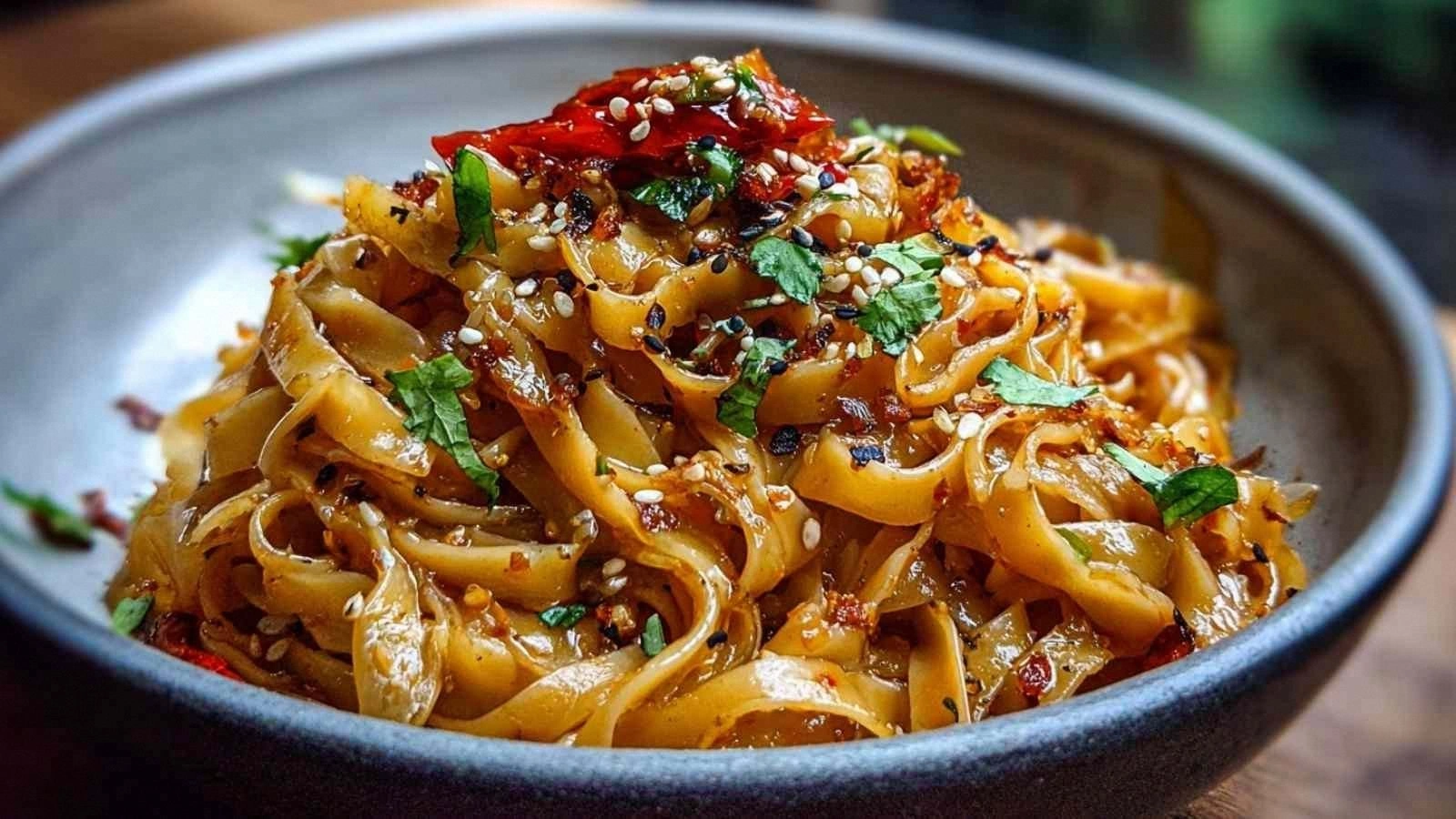
- Add the drained noodles to the skillet, tossing gently to coat them evenly with the sauce. Sprinkle in the scallions white part, edamame, and the soft‑boiled eggs. Gently fold to combine, being careful not to break the eggs. The dish should look glossy, with visible flecks of green and golden yolk.
- Finish with a drizzle of grapeseed oil, a sprinkle of toasted sesame seeds, hemp hearts, and roasted peanuts or cashews. The final garnish should add both visual appeal and a burst of crunch. Serve immediately while hot and aromatic.
That’s it—you did it. But hold on, I’ve got a few more tricks that’ll take this to another level…
Insider Tricks for Flawless Results
The Temperature Rule Nobody Follows
Keep the heat medium‑high when searing the protein. A too‑low heat will result in a wet, unappetizing surface. The ideal temperature is when the protein sizzles immediately upon contact. This creates a caramelized crust that locks in flavor and moisture. If you’re using tofu, pre‑press it for at least 30 minutes to remove excess water before searing.
Why Your Nose Knows Best
The first scent that hits your nose is the garlic sizzling in oil. This is your cue that the oil has reached the right temperature. A subtle, nutty aroma indicates that the garlic is perfectly caramelized. If the smell is sharp or burnt, the oil is over‑heated and will ruin the dish. Trust your senses; they’re your best ally in the kitchen.
The 5‑Minute Rest That Changes Everything
Once you’ve tossed the noodles with the sauce, let the dish rest for 5 minutes before serving. This allows the flavors to marry and the noodles to absorb the sauce fully. The rest period also lets the protein finish cooking in its own heat, ensuring it remains tender. Skipping this step will leave the dish feeling rushed and less cohesive.
The Quick Garnish Trick
To keep the garnish from becoming soggy, sprinkle it on right before serving. If you’re plating in advance, store the garnish separately in an airtight container. Add it just before eating, and it will retain its crunch and freshness. This simple step ensures every bite feels crisp.
The One‑Minute Stir
Stir the sauce just before adding the noodles to ensure the peanut butter is fully emulsified. A quick stir prevents clumps and gives the sauce a silky, glossy finish. This final stir also helps distribute heat evenly across the pan.
Creative Twists and Variations
This recipe is a playground. Here are some of my favorite ways to switch things up:
Spicy Peanut Noodles
Add a tablespoon of Sriracha to the sauce for an extra kick. The heat will mingle with the chilli powder, creating a layered spiciness. This variation is perfect for those who love a fiery bite.
Vegan Power Bowl
Replace the protein with grilled tempeh or seared seitan. Use a vegan soy sauce and a splash of maple syrup for sweetness. The result is a plant‑based, protein‑packed bowl that satisfies even the most discerning vegans.
Low‑Carb Twist
Swap the ribbon noodles for shirataki noodles or spiralized zucchini. The dish stays light and refreshing, making it ideal for a low‑carb diet. The texture changes slightly but the flavor stays intact.
Mediterranean Flair
Add a handful of chopped olives and a squeeze of lemon juice. The briny olives and citrus brightness transform the dish into a Mediterranean‑inspired bowl. The lemon adds a bright, clean finish that balances the richness.
Breakfast Boost
Serve the dish with a side of sautéed spinach and a drizzle of olive oil. Add a poached egg on top for extra protein. This variation turns the recipe into a hearty breakfast that keeps you full until lunch.
Asian Fusion
Add a tablespoon of hoisin sauce and a splash of sesame oil. The hoisin adds sweetness and depth, while the sesame oil gives a nutty aroma. This fusion twist elevates the dish to a new level of sophistication.
Storing and Bringing It Back to Life
Fridge Storage
Store leftovers in an airtight container for up to 3 days. Keep the sauce separate from the noodles if possible to avoid sogginess. When reheating, add a splash of water or broth to re‑hydrate the noodles and restore the sauce’s silky texture.
Freezer Friendly
Freeze the dish in portions for up to 2 months. Thaw overnight in the refrigerator, then reheat gently on the stove, stirring occasionally. The sauce may thicken upon freezing; add a little water to loosen it before reheating.
Best Reheating Method
Reheat in a skillet over medium heat, adding a splash of water or broth. Stir frequently to prevent sticking and to evenly distribute heat. The dish should reach a steaming hot temperature, with the sauce glossy and the noodles tender.