Picture the scene: a quiet Sunday afternoon, the kitchen light humming, and a rogue cauliflower sitting on the counter like a stubborn snowball. I stared at it, wondering if I could turn that humble vegetable into something that would make my taste buds sing louder than a brass band. A friend dared me to make the ultimate gluten‑free cauliflower cheese, promising a challenge that would either elevate my culinary game or leave me with a kitchen disaster. I laughed, grabbed my apron, and set the table for a culinary experiment that would become the highlight of my week.
From the moment I cut the florets, the air filled with a faint, sweet scent that reminded me of fresh-cut grass after rain. The cauliflower’s ivory florets looked like miniature clouds, ready to absorb the rich, velvety sauce I was about to whisk. I could almost hear the gentle sizzle of butter melting in a pan, a sound that signals the beginning of something delicious. The texture of the cauliflower was a promise of tenderness, while the anticipation of the cheese’s golden crust was a visual cue that this dish would be unforgettable.
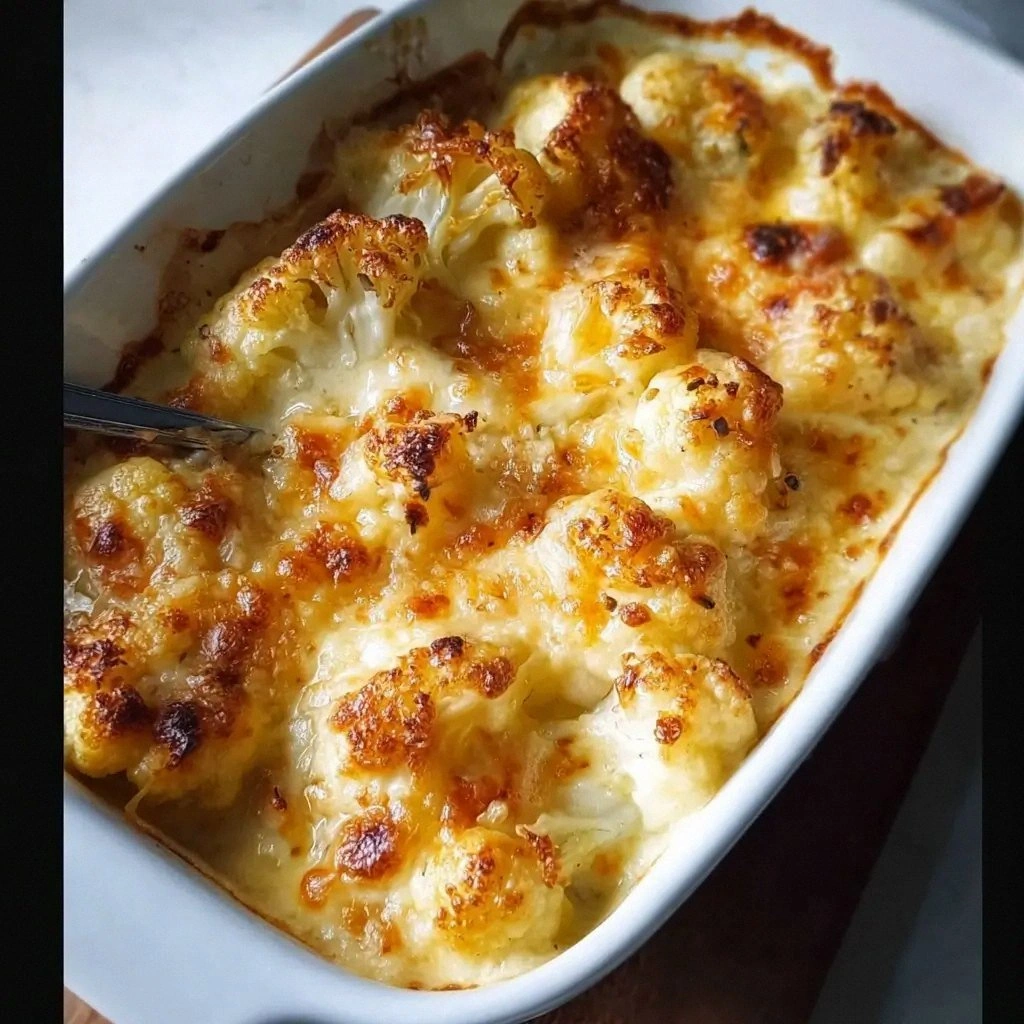
What makes this recipe stand out is not just the combination of flavors but the way each element is elevated to a new level. I’ve spent years tweaking classic comfort foods, and this version of cauliflower cheese has become the gold standard for gluten‑free comfort. The sauce coats the florets like velvet, creating a silky mouthfeel that melts in your mouth. The cheese melts into a luscious, golden blanket that crisps at the edges, giving a satisfying crunch that shatters like thin ice. The result? A dish that feels indulgent yet wholesome, and I dare you to taste this and not go back for seconds.
Let me walk you through every single step — by the end, you'll wonder how you ever made it any other way. I promise you a journey filled with sensory snapshots, clever hacks, and a few kitchen fails that turned into learning moments. I’ll keep you entertained with witty commentary and real kitchen anecdotes that will make you feel like we’re cooking side by side. Ready? Let’s dive into the magic that turns a simple cauliflower into a show‑stopping centerpiece.
What Makes This Version Stand Out
Flavor: The sauce is a symphony of sharp cheddar and nutty Parmesan that creates a depth of flavor unlike any traditional cauliflower cheese. The slight peppery bite adds a subtle kick that balances the richness. The final sprinkle of dried thyme introduces an aromatic lift, making each bite a revelation.
Texture: The cauliflower florets are roasted to a caramelized perfection before being bathed in the cheese sauce, giving them a tender core and a slightly crispy rim. The cheese sauce itself is silky, yet it forms a golden crust that crackles when you bite into it. This combination delivers a satisfying contrast that keeps you coming back for more.
Simplicity: With just a handful of ingredients, this dish is quick to assemble and doesn’t require any elaborate techniques. You roast, stir, bake, and serve—no fancy equipment or time‑consuming steps. It’s the perfect recipe for busy weeknights or lazy weekends.
Uniqueness: The use of gluten‑free flour to thicken the sauce gives it a homemade feel while keeping it allergen‑friendly. The addition of a crunchy breadcrumb topping adds a textural twist that sets it apart from conventional recipes. This version is a crowd‑pleaser that’s as impressive on a dinner table as it is comforting in a bowl.
Make‑ahead Potential: The dish can be assembled ahead of time and stored in the fridge for up to 48 hours, making it an excellent option for meal prep. When reheated, the cheese sauce re‑melts beautifully, and the cauliflower stays moist. This makes it a versatile option for both daily dinners and special occasions.
Audience Appeal: Whether you’re a seasoned gluten‑free cook or just looking for a tasty, healthy alternative, this recipe satisfies all palates. The combination of creamy, cheesy, and slightly crunchy elements ensures that even kids will love it. I’ve had friends rave about how this dish looks like a gourmet casserole, yet feels like a comforting hug.
Alright, let's break down exactly what goes into this masterpiece…
Inside the Ingredient List
The Flavor Base
The cornerstone of this dish is the cheese sauce, a creamy blend that marries sharp cheddar with nutty Parmesan. The cheddar provides the bold, tangy flavor that defines classic cheese casseroles, while the Parmesan adds a subtle, salty depth. Together, they create a sauce that coats every cauliflower floret like velvet. If you skip the Parmesan, the sauce will still be rich, but it will lack that complex umami edge that elevates the dish.
Cheddar is the star of the show, but the choice of cheddar matters. A sharp, aged cheddar gives a robust flavor that stands up to the cauliflower’s mildness. If you prefer a milder taste, a medium cheddar will still work, but you’ll need to increase the quantity slightly to compensate. For a dairy‑free version, a high‑quality plant‑based cheddar can mimic the texture and flavor, though the sauce may be a bit thinner.
Parmesan is more than a garnish; it’s a flavor enhancer that adds a savory kick. The cheese’s natural saltiness balances the creaminess of the sauce, preventing it from feeling heavy. If you can’t find Parmesan, a grated Grana Padano or Pecorino Romano works well as a substitute, offering a similar nutty profile.
When measuring, remember that cheese is a liquid in disguise. It melts into a sauce that can become too thick if over‑thickened. Keep the ratio of cheese to milk or cream balanced to maintain a silky consistency that coats the cauliflower without clumping.
For a subtle twist, add a pinch of nutmeg to the sauce. The warm, earthy aroma complements the cheese, giving the dish a comforting, autumnal feel. If you’re adventurous, a dash of smoked paprika can introduce a smoky undertone that pairs wonderfully with the roasted cauliflower.
The Texture Crew
Cauliflower is the backbone of this recipe. The florets should be cut into bite‑size pieces that cook evenly and absorb the sauce. Fresh cauliflower gives the best texture, but frozen florets can work in a pinch. Just make sure to thaw and pat them dry to avoid excess water that can dilute the sauce.
Gluten‑free flour, usually a blend of rice, potato, and tapioca, thickens the cheese sauce without adding gluten. It gives the sauce a velvety body that clings to the florets. If you prefer a thicker sauce, use a bit more flour, but be careful not to over‑thicken, which can make the dish gummy. A pinch of xanthan gum is another option for thickening, especially if you’re avoiding flours altogether.
Butter adds richness and helps the cheese melt into a cohesive sauce. It also contributes a subtle, buttery aroma that enhances the overall flavor profile. If you’re following a plant‑based diet, a vegan butter works just as well, though the sauce may have a slightly different mouthfeel.
Breadcrumbs, particularly gluten‑free ones, create a crunchy topping that contrasts with the creamy interior. The breadcrumbs should be toasted lightly in butter or olive oil before sprinkling on top. This not only adds texture but also introduces a nutty, toasted flavor that rounds out the dish.
Olive oil is used sparingly for the breadcrumb topping, adding a silky finish and helping the crumbs brown to a golden hue. A good quality extra‑virgin olive oil will also impart a subtle fruity note that elevates the dish. If you’re avoiding oil, a small amount of melted butter works fine, but the flavor profile will be slightly different.
The Unexpected Star
Chopped chives add a fresh, onion‑like brightness that cuts through the richness of the cheese sauce. They’re a subtle but essential component that adds a pop of color and a mild, herbal note. If you’re not a fan of chives, finely diced green onions or a sprinkle of parsley can serve as a suitable alternative.
Dried thyme brings an earthy aroma that deepens the dish’s complexity. Thyme pairs wonderfully with cheese and gives the casserole a slightly herbaceous undertone. If thyme isn’t on hand, rosemary or oregano can be used, but keep the quantity lower to avoid overpowering the delicate flavors.
Salt and pepper are the unsung heroes that bring all the flavors together. Salt enhances the natural sweetness of the cauliflower and balances the cheese’s saltiness, while pepper adds a subtle heat that awakens the palate. Use a fine sea salt and freshly ground black pepper for the best results.
Nutmeg, a pinch at the end of the sauce, adds a warm, aromatic quality that is reminiscent of holiday baking. It’s a classic addition to cheese dishes, especially those featuring dairy. If you’re sensitive to spices, you can omit nutmeg; the dish will still be deliciously creamy.
The Final Flourish
All ingredients are prepared with care, but the final flourish comes from the assembly and baking process. The cauliflower is first roasted to caramelize the edges, giving a subtle crunch and depth of flavor. After roasting, the florets are tossed in the cheese sauce and then baked until the top is golden brown and bubbly.
The baking step is where the magic happens. The heat melts the cheese into a silky sauce while the breadcrumbs toast to a crisp, golden finish. The aroma that fills the kitchen is an invitation to gather around the table for a comforting meal. The final product is a dish that looks elegant, tastes indulgent, and feels wholesome.
Everything’s prepped? Good. Let’s get into the real action…
The Method — Step by Step
- Preheat your oven to 200°C (400°F). Trim the cauliflower into bite‑size florets, rinsing them under cold water and patting them dry with a towel. Place the florets on a baking sheet lined with parchment paper and drizzle with a tablespoon of olive oil, then season with salt and pepper. Roast for 20 minutes, turning halfway through, until the edges are golden and the florets are tender. This step caramelizes the cauliflower, creating a subtle sweetness that balances the cheese’s richness.
- While the cauliflower roasts, melt the butter in a medium saucepan over medium heat. Add the gluten‑free flour and whisk constantly for 2 minutes to form a smooth roux. The roux should turn a light golden color, signaling that the flour has cooked through. Slowly pour in the milk, whisking vigorously to avoid lumps. Bring the mixture to a gentle simmer; it should thicken to a silky sauce that coats the back of a spoon.
- Reduce the heat to low and stir in the sharp cheddar and Parmesan cheeses until fully melted. Add the nutmeg, dried thyme, and a pinch of black pepper. Taste and adjust seasoning with salt if needed. The cheese should be glossy, and the sauce should flow smoothly without clumps. This is the moment of truth—if the sauce isn’t velvety, you’ll notice it in every bite.
- Transfer the roasted cauliflower into a large mixing bowl. Pour the cheese sauce over the florets and gently stir until each piece is evenly coated. The sauce should cling to the cauliflower, creating a creamy blanket. Let the mixture sit for 5 minutes; this allows the cauliflower to absorb the flavors, enhancing the overall taste.
- Preheat a second oven rack to 220°C (425°F). In a small bowl, combine the toasted breadcrumbs with a tablespoon of melted butter and a sprinkle of grated Parmesan. Toss until the crumbs are evenly coated. Sprinkle the breadcrumb mixture over the top of the cauliflower, ensuring an even distribution for a crisp, golden crust.
- Place the baking dish on the preheated rack and bake for 15-18 minutes, or until the top is golden brown and the cheese sauce is bubbling. The oven should be hot enough to give the breadcrumbs a crunchy texture without burning the cheese. Keep an eye on the dish; a quick glance will tell you when the crust has reached the perfect shade of amber.
- Remove the casserole from the oven and let it rest for 5 minutes. This resting period allows the sauce to set slightly, making it easier to cut and serve. While it rests, sprinkle chopped chives over the top for a fresh, herbal finish that brightens the dish.
- Serve hot, straight from the oven, with a side of crisp green salad or a slice of crusty gluten‑free bread. The contrast of the creamy, cheesy cauliflower with the crunchy breadcrumbs and fresh herbs makes for a balanced, comforting meal. Enjoy the moment—your kitchen smells like a cozy, gourmet restaurant, and the taste will leave you craving more.
That's it — you did it. But hold on, I've got a few more tricks that'll take this to another level.
Insider Tricks for Flawless Results
The Temperature Rule Nobody Follows
Many cooks bake at a uniform temperature, but the secret to a perfectly golden crust lies in a two‑stage bake. Start at 200°C (400°F) to roast the cauliflower, then bump the heat to 220°C (425°F) for the final 15 minutes. This temperature shift caramelizes the edges of the cauliflower and crisps the breadcrumb topping without over‑cooking the cheese.
Why Your Nose Knows Best
Before you even taste the dish, let your nose do the work. The aroma of melted cheese, toasted breadcrumbs, and roasted cauliflower is a reliable indicator that the casserole is ready. If the scent feels underwhelming, give it a few more minutes; the scent will intensify as the cheese bubbles and the breadcrumbs brown.
The 5‑Minute Rest That Changes Everything
After removing the casserole from the oven, let it rest for five minutes. This pause allows the cheese sauce to set, preventing a runny mess when you cut into it. The rest period also lets the flavors meld, giving the dish a deeper, more cohesive taste profile.
Keep the Sauce Smooth
If the cheese sauce thickens too quickly, lower the heat and stir constantly. A hot pan can cause the milk to separate, leading to a grainy texture. Adding a splash of milk or a teaspoon of water can re‑emulsify the sauce, restoring its silky consistency.
Breadcrumbs: The Crunch Factor
For an extra crunch, toast the breadcrumbs in a dry skillet before mixing them with butter. This step brings out a nutty flavor and ensures they stay crisp during baking. If you’re using gluten‑free breadcrumbs, a pinch of salt and a sprinkle of paprika can enhance their taste.
Make‑Ahead Tips
Assemble the casserole a day ahead, cover tightly, and refrigerate. When ready to bake, let it come to room temperature for 15 minutes before placing it in the oven. This prevents condensation on the top and ensures even baking.
Creative Twists and Variations
This recipe is a playground. Here are some of my favorite ways to switch things up:
Smoky Chipotle Version
Swap the regular cheddar for smoked Gouda and add a teaspoon of chipotle powder to the sauce. The smoky flavor pairs beautifully with the roasted cauliflower, giving the dish a bold, Southwestern vibe. Great for a dinner that feels like a cozy campfire meal.
Vegan Delight
Replace dairy cheese with a plant‑based cheddar alternative and use a non‑dairy milk such as oat or almond. Substitute butter with coconut oil for a subtle tropical hint. This version keeps the creamy texture while making the dish fully vegan.
Herb‑Infused Mediterranean
Incorporate sun‑dried tomatoes, olives, and feta cheese into the sauce. Add a handful of fresh basil before serving. The Mediterranean herbs elevate the dish to a fresh, bright flavor profile that’s perfect for summer gatherings.
Spicy Sriracha Kick
Add a tablespoon of sriracha to the cheese sauce for a fiery punch. The heat balances the richness and creates a memorable contrast. Pair with a cool yogurt dip to cool the palate.
Protein‑Packed Powerhouse
Stir in cooked shredded chicken or tofu into the cauliflower mixture before baking. The protein addition makes the casserole a complete meal, ideal for busy weeknights or post‑workout recovery.
Nutty Crunch Variation
Replace breadcrumbs with toasted almond slivers for a nutty crunch. The almond pieces add a subtle sweetness and a satisfying bite that complements the creamy cheese. This tweak is especially delicious when paired with a drizzle of honey.
Storing and Bringing It Back to Life
Fridge Storage
Cool the casserole completely before refrigerating in an airtight container. Store it for up to 48 hours. When you’re ready to reheat, place it in a preheated oven at 180°C (350°F) for 15 minutes. The cheese will regain its meltiness, and the cauliflower will stay moist.
Freezer Friendly
Let the casserole cool completely, then wrap tightly in plastic wrap and place in a freezer‑safe container. Freeze for up to 3 months. Thaw overnight in the fridge and reheat in the oven at 180°C (350°F) for 20 minutes. A splash of water before reheating will help the sauce steam back to perfection.
Best Reheating Method
Microwave reheating can make the cheese rubbery. Instead, use the oven or a skillet. For a quick stovetop option, heat a non‑stick pan over medium heat, add a splash of milk, and cover for 5 minutes. The result is a creamy, comforting dish ready in minutes.