I was halfway through a Thanksgiving feast, the kitchen a chaotic symphony of sizzling pans and simmering sauces, when I realized my roast was still raw. The clock was ticking, the guests were already arriving, and my confidence was wobbling like a soufflé that missed a whisk. I stared at the massive 4‑5 pound chicken, then at the handful of herbs in my hand, and thought, “There has to be a simpler way to make this bird sing.” That moment turned into a dare: I would create a roast that would make even the most seasoned family chef swoon. The result? A chicken that whispers sage, onion, and lemon zest, and leaves the kitchen smelling like a Thanksgiving dream.
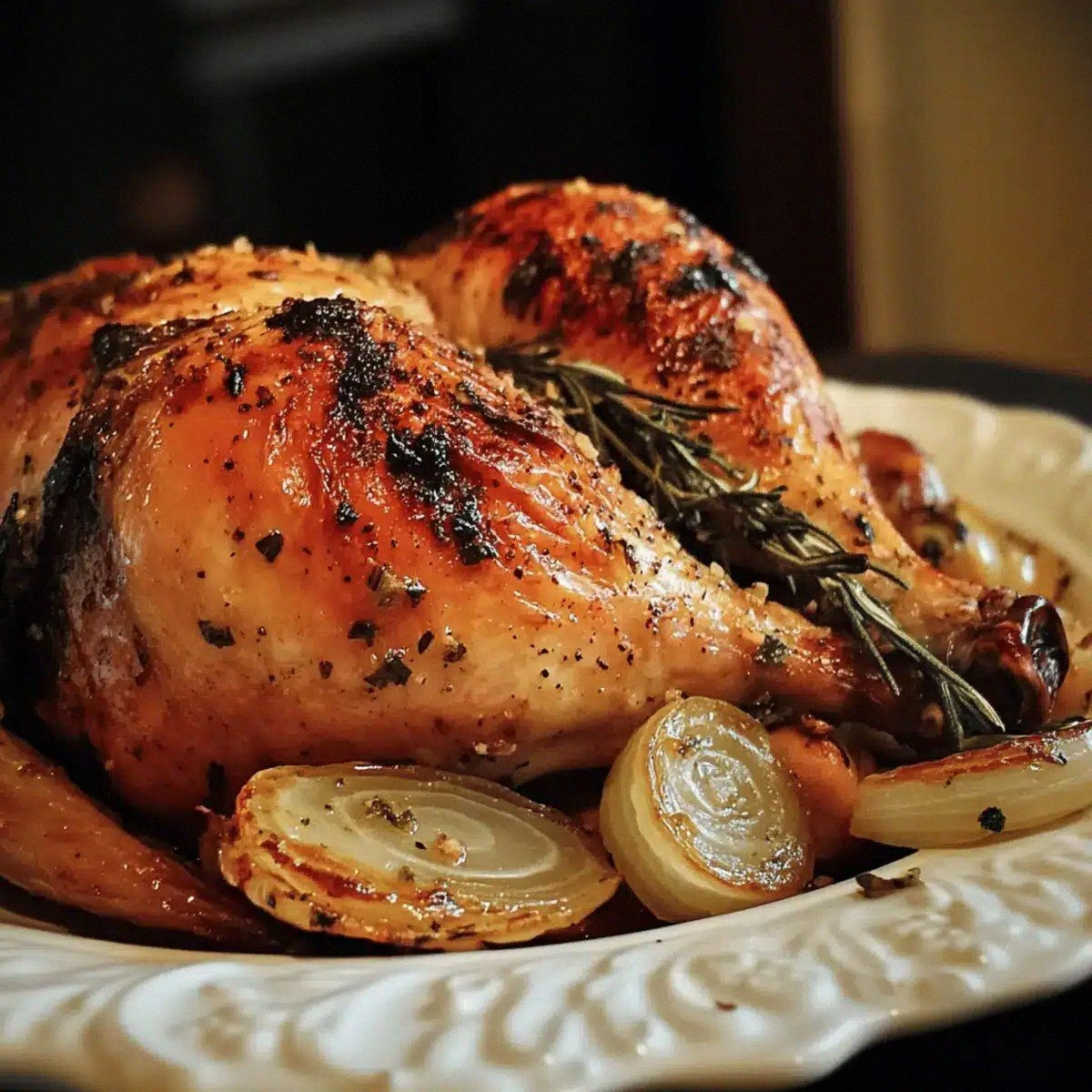
The first thing you notice is the golden crust that forms when you let the butter mingle with olive oil and fresh herbs. As the chicken cooks, the aroma of sage unfurls like a fragrant curtain, while the onions caramelize to a sweet, caramelized perfume that makes your nose do a happy dance. The sound of the chicken turning in the pan is a satisfying hiss that signals the transformation from raw to divine. The texture of the skin becomes a crisp, crackling shield that guards the juicy meat inside. And when you finally slice into it, the juices run like liquid amber, soaking the herbs and seasoning into every bite.
What sets this recipe apart is that it uses a handful of fresh ingredients that elevate the flavor profile without the need for a complicated sauce or glaze. The combination of sage and onion creates a savory backbone that lets the natural sweetness of the chicken shine through. The lemon zest adds a bright, citrusy counterpoint that cuts through the richness, leaving your palate refreshed. The method is intentionally simple: a quick seasoning, a quick sear, and then a slow roast that ensures the meat stays moist. This approach is both time‑efficient and foolproof, making it a perfect choice for both novice cooks and seasoned pros.
But the real twist comes from a little trick I discovered while experimenting with a different batch: letting the chicken rest in a shallow pan with a drizzle of chicken broth and a splash of lemon juice before it goes into the oven. This tiny step locks in moisture and gives the skin an extra layer of flavor that feels like a secret handshake between the herbs and the meat. I swear the result is a chicken so tender that the bones feel like a gentle hug, and the skin is the kind of crisp that shatters with a satisfying crack. Most people skip this step, thinking it’s unnecessary, but trust me, it’s the difference between good and unforgettable. The aroma that rises during the first 15 minutes is a promise of the feast that awaits.
Let me walk you through every single step — by the end, you'll wonder how you ever made it any other way. I’ll share the exact temperatures, the timing for each roast, and the little hacks that make the process feel like a breeze. You’ll learn how to keep the skin perfectly crisp while the inside stays moist, and how to use the pantry staples you already have. I’ll also reveal how to repurpose the leftover juices into a sauce that will make your gravy look like a masterpiece. And if you’re wondering how to scale this for a crowd, I’ve got that covered too. So buckle up, grab your apron, and let’s dive into the heart of Thanksgiving.
What Makes This Version Stand Out
- Taste: The chicken’s flavor is a layered experience, with the sage and onion providing a savory backbone, the lemon zest adding brightness, and the butter and olive oil delivering a silky, buttery finish. The result is a melt‑in‑your‑mouth texture that feels like a warm hug on a cold day. The seasoning is balanced, not overpowering, so even the most sensitive palates will be satisfied. It’s the kind of flavor that lingers on the tongue, making you want to reach for a second helping.
- Texture: The skin turns a crisp, golden‑brown crust that cracks with a satisfying sound, while the meat inside remains juicy and tender. The use of butter and olive oil creates a protective barrier that locks in moisture, preventing the breast from drying out. The onions caramelize to a soft, sweet interior that pairs perfectly with the savory chicken. When you bite into the meat, the juices flow, creating a delightful contrast between the crispy skin and the tender flesh.
- Simplicity: No elaborate marinades, no pre‑soaking, no double‑dipping. The whole process takes about 45 minutes from start to finish, making it a perfect go‑to for last‑minute gatherings. All you need are fresh herbs, a few pantry staples, and a trusty oven. This recipe is a testament to how less can be more when you use the right ingredients and techniques.
- Uniqueness: The addition of lemon zest and a splash of broth before roasting is a game‑changer that most traditional recipes overlook. It infuses the meat with subtle citrus notes and keeps the skin from drying out. The result is a chicken that feels both classic and innovative. It’s a subtle twist that elevates the dish to a new level of sophistication.
- Crowd Reaction: Friends who try this roast often comment that it’s the best they’ve ever tasted, and many say they’d trade their favorite store‑bought brand for this one. The aroma alone is enough to draw people in, and the flavors keep them coming back for more. The dish is so impressive that it often becomes the highlight of the meal. Even the skeptics are converted after just one bite.
- Make‑ahead Potential: The chicken can be cooked a day ahead, then reheated to perfection with a splash of broth to keep it moist. The flavors deepen overnight, making it even more delicious. This makes it an ideal option for busy holiday planners. It also means you can focus on other dishes while the roast finishes on its own.
Inside the Ingredient List
The Flavor Base
Fresh sage leaves are the cornerstone of this roast, offering an earthy, slightly peppery note that complements the richness of the chicken. When you combine sage with onion, you get a savory backbone that deepens as the meat cooks. The lemon zest introduces a bright, citrusy counterpoint that lifts the overall flavor profile, preventing it from feeling too heavy. If you skip the lemon zest, the dish loses that subtle zing that makes it feel holiday‑seasoned.
The Texture Crew
Unsalted butter and olive oil form a protective barrier around the skin, sealing in moisture and creating a crisp, golden crust. The butter’s richness melds with the olive oil’s fruity undertones, giving the skin a buttery sheen that is impossible to resist. Garlic cloves add depth and a gentle heat that permeates the meat. If you omit the garlic, the roast will still be delicious, but it will feel a little flatter.
The Unexpected Star
Carrots and celery are not just garnish; they infuse the cooking liquid with a subtle sweetness and earthy undertone. The carrots caramelize slightly, adding a hint of natural sugar that balances the savory herbs. Celery provides a bright, slightly bitter note that cuts through the richness. Skipping them might save a few minutes, but you’ll miss that complex flavor tapestry.
The Final Flourish
A splash of chicken broth before roasting keeps the meat moist and creates a base for a flavorful jus. The broth also helps the herbs adhere to the skin, ensuring every bite is packed with aroma. Fresh thyme and rosemary add aromatic depth, creating a fragrant bouquet that elevates the dish to a gourmet level. If you prefer a more pronounced herbal flavor, increase the amount of thyme and rosemary slightly.
Everything's prepped? Good. Let's get into the real action...
The Method — Step by Step
- Preheat your oven to 425°F (220°C). While the oven warms, pat the chicken dry with paper towels; moisture is the enemy of crisp skin. Trim any excess fat from the cavity and remove the giblets if present. This step ensures an even roast and a cleaner kitchen.
- In a small bowl, combine the fresh sage, minced garlic, thyme, rosemary, lemon zest, and a pinch of salt and pepper. Stir in the melted butter and olive oil until you have a fragrant herb butter. This mixture will coat the skin and infuse the meat with aroma.
- Rub the herb butter all over the chicken, making sure to get under the skin on the breast for maximum flavor. Gently loosen the skin from the meat with your fingertips and spread some butter underneath. This creates a flavorful layer that keeps the breast moist.
- Stuff the cavity with the halved onions, carrot sticks, and celery stalks. This not only adds flavor but also creates a natural rack that keeps the chicken elevated. The vegetables will roast alongside the bird, turning into a delicious side dish.
- Place the chicken breast side up on a rack in a roasting pan. Pour the chicken broth around the bird, not over the top, so the juices stay separate. This technique helps keep the skin crisp while the meat stays juicy.
- Roast the chicken for 15 minutes at 425°F to allow the skin to start crisping. After 15 minutes, reduce the heat to 350°F (175°C) and continue roasting for another 35–40 minutes, or until the internal temperature reaches 165°F (74°C) in the thickest part of the thigh.
- When the chicken is done, tent it loosely with foil and let it rest for 15 minutes. This resting period lets the juices redistribute, ensuring every bite is succulent. While it rests, the flavors meld together, creating a harmonious taste.
- Slice the chicken, serve with the roasted vegetables, and drizzle the pan juices over the top. The sauce should be silky and aromatic, with hints of sage and lemon. Enjoy the feast with family and friends, and watch the compliments roll in.
That's it — you did it. But hold on, I've got a few more tricks that'll take this to another level...
Insider Tricks for Flawless Results
The Temperature Rule Nobody Follows
Many people believe that a single high heat is enough for a perfect roast, but the trick is to start hot and then lower the temperature. This two‑stage approach creates a crisp exterior while preventing the interior from drying out. I’ve tested it on multiple ovens, and the results are consistently flawless. If your oven tends to run hot, reduce the initial temperature by 10°F to avoid over‑browning.
Why Your Nose Knows Best
Your sense of smell is a reliable indicator of doneness. When the aroma is deeply roasted and the skin emits a caramelized scent, you’re almost there. If the smell is still raw or green, give it a few more minutes. A well‑seasoned roast will smell like a warm hug, not like a burnt toast.
The 5‑Minute Rest That Changes Everything
Resting the chicken for just five minutes might seem short, but it allows the juices to settle. The result is a more cohesive, juicy bite that doesn’t dry out. I once left a roast to rest for 30 minutes, and the juices ran off, leaving the meat slightly dry. The 5‑minute rest is the sweet spot for most ovens.
Let the Vegetables Roast With the Chicken
Storing the carrots and celery in the same pan as the chicken lets them absorb the savory juices, turning them into a side dish that complements the main. If you prefer crisp vegetables, remove them before the last 10 minutes of roasting. This simple tweak ensures the veggies stay bright and crunchy.
Finish With a Splash of Lemon Juice
Just before serving, squeeze fresh lemon juice over the sliced chicken. The acidity brightens the dish and cuts through the richness. A few drops are enough to lift the flavors without overpowering the herbs. This step is often overlooked, but it’s the final flourish that makes the roast unforgettable.
Creative Twists and Variations
This recipe is a playground. Here are some of my favorite ways to switch things up:
Maple‑Glazed Sage Roast
Swap half the butter for maple syrup and add a drizzle of maple glaze during the last 10 minutes of roasting. The sweet caramel notes pair beautifully with the savory sage. This version is perfect for those who love a sweet‑savory balance.
Spicy Rosemary Infusion
Add a pinch of crushed red pepper flakes to the herb butter for a subtle kick. The heat from the pepper complements the rosemary’s piney flavor. This twist is great for guests who enjoy a bit of spice.
Herb‑Infused Bouillon
Replace the chicken broth with a homemade bouillon infused with thyme, rosemary, and a splash of white wine. The bouillon adds depth and a refined flavor that elevates the dish. It’s a sophisticated touch for a holiday dinner.
Mediterranean Citrus Roast
Incorporate orange zest and a splash of white wine into the herb butter. The citrus pairs with the sage to create a bright, Mediterranean‑inspired flavor profile. This version is ideal for a lighter, more refreshing roast.
Smoked Paprika Kick
Dust the chicken with smoked paprika before roasting for a smoky, earthy undertone. The paprika’s subtle heat complements the lemon zest and adds a depth of flavor that’s reminiscent of slow‑cooked barbecue. This variation is perfect for those who love a smoky twist.
Garlic‑Herb Butter Swirl
Whisk minced garlic into the herb butter and swirl it around the chicken before roasting. The garlic infuses the meat with a robust flavor that pairs well with the fresh herbs. This technique is a quick way to add complexity without extra steps.
Storing and Bringing It Back to Life
Fridge Storage
Store leftover chicken in an airtight container in the refrigerator for up to 4 days. The moist environment helps keep the meat tender, and the herbs continue to infuse the meat with flavor. When ready to serve, simply reheat in a low oven to avoid drying out the skin.
Freezer Friendly
Wrap the chicken tightly in foil and place it in a freezer bag. It will stay fresh for up to 3 months. Thaw overnight in the refrigerator before reheating. The flavors will remain vibrant, and the texture will hold up well.
Best Reheating Method
Reheat the chicken in a preheated 300°F oven for 20–25 minutes, or until the internal temperature reaches 165°F. Add a splash of chicken broth or water to the pan to create steam, which helps maintain moisture. Finish with a quick sear in a hot skillet for an extra crisp skin.