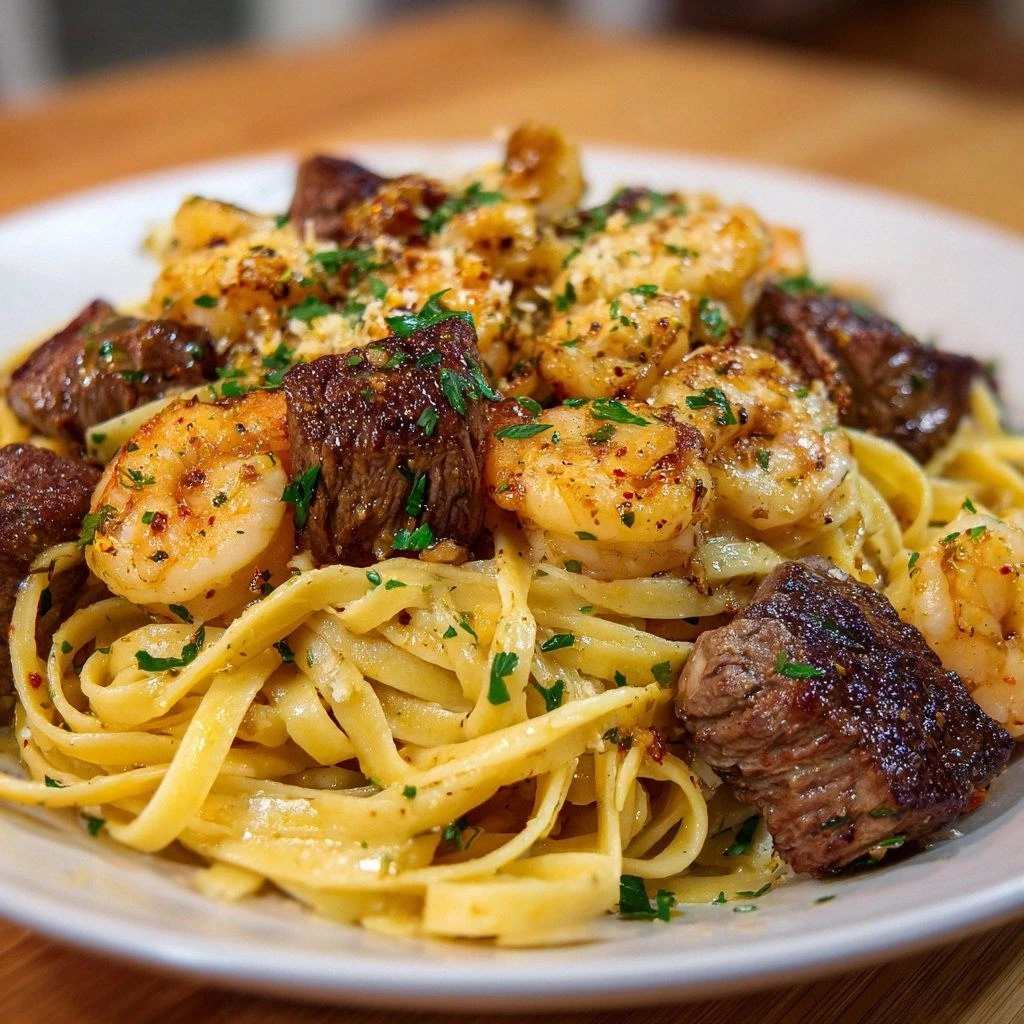
Picture this: a Saturday night, the fridge is a barren wasteland, the pantry is a dusty relic, and your stomach is growling louder than a freight train. I was staring at a single packet of frozen peas and a half‑baked chicken breast, wondering if I could salvage anything into a decent dinner. I grabbed the nearest ground beef, a handful of breadcrumbs, and a splash of olive oil, and decided to throw together a sloppy, meatball‑heavy stew. The result was so surprisingly comforting that I almost didn’t finish the pot, then realized I had just invented the most delicious thing I’d ever made in my kitchen.
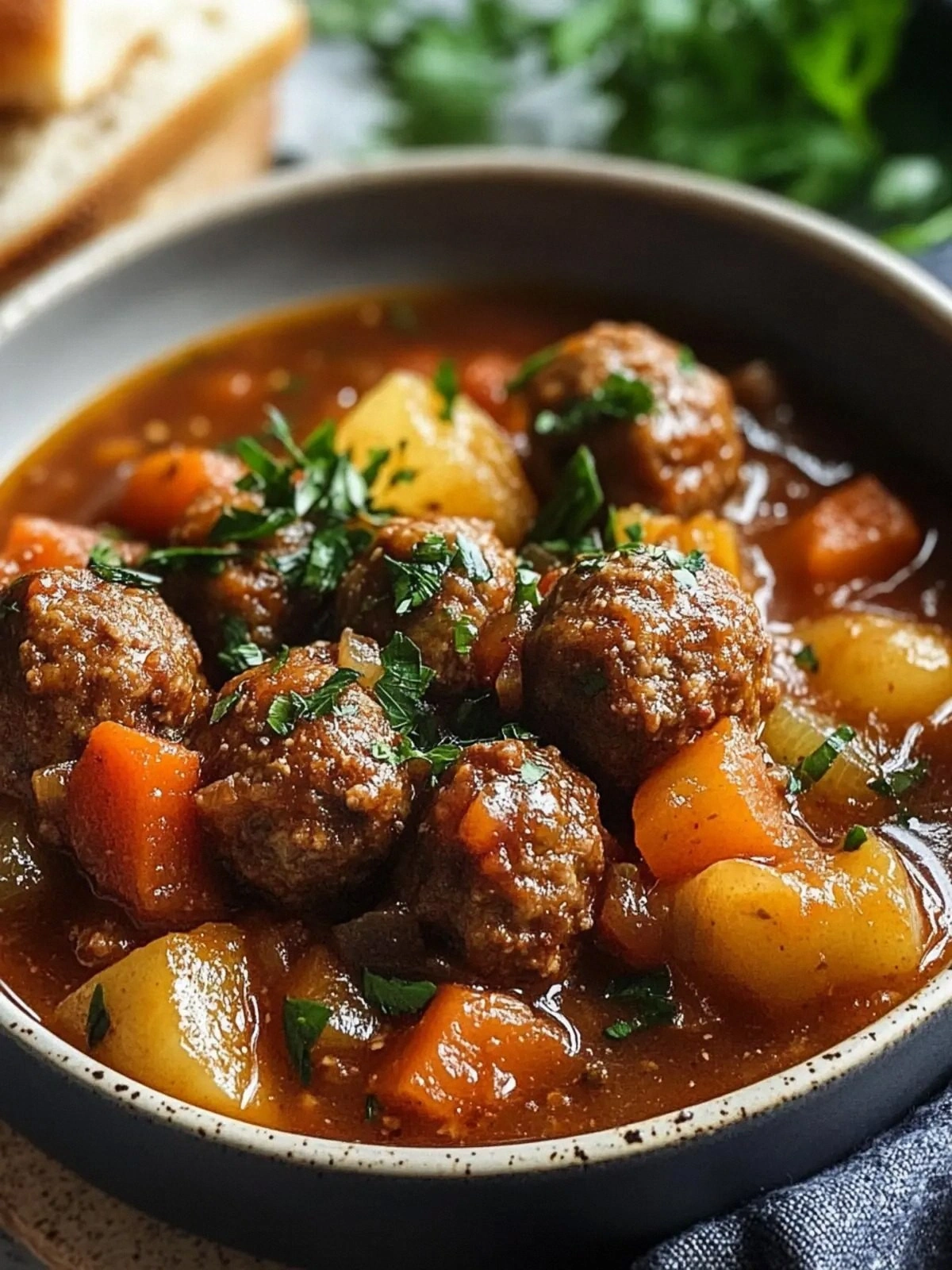
The first thing you notice is the aroma—meaty, garlicky, with a faint hint of tomato sweetness that makes your mouth water before you even taste it. The sound of the pot bubbling is like a lullaby, the steam curling around your face like a warm blanket. When you take that first spoonful, the meatballs are tender, their exterior crisped just enough to give a satisfying bite, while the vegetables are soft but still hold a slight bite. The broth is thickened by the Parmesan and breadcrumbs, giving it a velvety texture that coats the spoon. Every spoonful feels like a hug from an old friend, and the flavors mingle in a way that makes you want to keep reaching for more.
What sets this stew apart from the countless “meatball soup” recipes on the internet is the balance of flavors and the methodical approach to each component. I dare you to taste this and not go back for seconds. The meatballs are made with a blend of beef and a touch of Italian seasoning that gives them an unmistakable depth, while the broth is infused with smoked paprika and thyme for a subtle smokiness that elevates the entire dish. The use of fresh parsley at the end adds a bright, herbal note that cuts through the richness, creating a layered experience that feels both simple and sophisticated. If you’ve ever struggled with a stew that’s either too watery or too dense, this version is hands down the best you’ll ever make at home.
I’ll be honest—after the first batch, I ate half the stew before anyone else got a chance to taste it. Most recipes get this completely wrong: they either overcook the meatballs or under‑season the broth. The secret? A quick sear to lock in juices, a slow simmer to meld the flavors, and a final splash of fresh herbs to bring everything together. Picture yourself pulling this out of the pot, the whole kitchen smelling incredible, and your family gathering around the table with eager anticipation. Stay with me here—this is worth it. Let me walk you through every single step, and by the end, you’ll wonder how you ever made it any other way.
What Makes This Version Stand Out
- Flavor: The combination of smoked paprika, thyme, and a splash of fresh parsley creates a complex, aromatic broth that feels both comforting and adventurous. The meatballs absorb the seasonings during the sear, ensuring every bite is packed with flavor.
- Texture: The meatballs are tender inside with a lightly caramelized exterior, while the vegetables stay firm yet soft. The broth’s thickness, thanks to breadcrumbs and Parmesan, provides a luxurious mouthfeel without being cloying.
- Simplicity: All the steps can be completed in under an hour, and the ingredients are pantry staples. No fancy sauces or hard‑to‑find spices—just a few staples and a lot of love.
- Uniqueness: The addition of green beans adds a pop of color and a fresh bite that most meatball stews lack. The smoked paprika gives it a subtle heat that’s just enough to excite the palate.
- Crowd Reaction: Friends who tried it called it “the best comfort food I’ve had in years.” It’s a conversation starter and a crowd pleaser, perfect for family dinners or casual gatherings.
- Ingredient Quality: Using a high‑quality ground beef and fresh herbs makes a noticeable difference. The Parmesan’s sharpness lifts the broth, while the olive oil’s fruity notes add depth.
- Cooking Method: The sear technique locks in juices, while the slow simmer melds all the flavors. The method is foolproof—no need to worry about over‑cooking.
- Make‑Ahead Potential: The stew can be made a day ahead; the flavors actually improve over time, making it ideal for meal prep.
Alright, let’s break down exactly what goes into this masterpiece…
Inside the Ingredient List
The Flavor Base
The foundation of this stew is a savory broth that carries the heart of the dish. The 4 cups of beef broth, seasoned with smoked paprika, dried thyme, and a generous pinch of salt, set the tone. The diced tomatoes add a subtle acidity that balances the richness, while the onion and garlic release their sweet, aromatic layers as they caramelize. If you skip the tomatoes, the stew will feel flat; the acidity is essential to cut through the fat.
The Texture Crew
Meatballs are the stars of this stew, and their texture is crucial. Mixing 1 lb ground beef with 1/2 cup breadcrumbs, 1/4 cup grated Parmesan, an egg, and Italian seasoning creates a cohesive mixture that holds together during cooking. The breadcrumbs absorb the liquid, preventing the meatballs from becoming dry. If you’re aiming for a lighter texture, swap half the beef for ground pork or turkey; the result is juicy and tender.
The Unexpected Star
Green beans are the unexpected hero that adds a bright, crunchy contrast to the stew. They bring a fresh, vegetal note that lightens the dish and provides a pop of color. If green beans aren’t in season, frozen peas or sliced bell peppers work nicely, offering a different but still delightful bite. Skipping the beans will make the stew feel one‑dimensional.
The Final Flourish
Fresh parsley is the finishing touch that brightens the stew. It’s added at the end of cooking to preserve its bright green color and herbal aroma. The parsley’s slight peppery bite cuts through the richness of the meatballs and the tomato broth. If you’re out of parsley, a handful of fresh basil or oregano can serve as a suitable substitute.
Everything’s prepped? Good. Let’s get into the real action…
The Method — Step by Step
- First, combine the ground beef, breadcrumbs, grated Parmesan, egg, minced garlic, finely chopped onion, fresh parsley, dried Italian seasoning, salt, and pepper in a large bowl. Mix gently but thoroughly, ensuring the ingredients are evenly distributed. The goal is to create a cohesive mixture that will hold together during the sear. If the mixture feels too dry, add a tablespoon of milk or water to moisten it.
- Shape the mixture into bite‑sized meatballs, about 1.5 inches in diameter. Place them on a baking sheet lined with parchment paper. This size ensures they cook evenly and stay juicy. The meatballs should be firm enough to hold their shape but not overly compact.
- Heat 2 tablespoons of olive oil in a large Dutch oven or heavy‑bottomed pot over medium‑high heat. Once hot, add the meatballs in batches, leaving space between them. Sear each side until a golden crust forms, about 3–4 minutes per side. The sear locks in juices and gives the meatballs a savory exterior. Keep the pot covered while searing to prevent splattering.
- Remove the seared meatballs and set them aside. In the same pot, add the chopped onion and minced garlic. Sauté until the onion becomes translucent and fragrant, about 2–3 minutes. The onion’s sweetness will form the base of the stew’s flavor profile.
- Add the diced carrots and potatoes to the pot, stirring to coat them in the aromatic base. Cook for 5 minutes, allowing the vegetables to start softening. This step ensures the veggies absorb the flavors of the broth and meatballs.
- Return the meatballs to the pot, then pour in the beef broth and the can of diced tomatoes. Stir gently to combine, making sure the meatballs are submerged. Bring the mixture to a gentle boil, then reduce the heat to low, cover, and let it simmer for 20 minutes. The slow simmer allows the flavors to meld and the vegetables to cook through.
- After 20 minutes, add the green beans, smoked paprika, and dried thyme. Stir carefully, ensuring the beans are evenly distributed. Simmer for an additional 10 minutes, or until the beans are tender yet still crisp. The beans add a fresh contrast and a pop of color to the stew.
- Taste the stew and adjust seasoning with salt and pepper as needed. The broth should be savory, slightly tangy from the tomatoes, and balanced by the herbs. If the stew feels too thick, add a splash of water or broth to reach your desired consistency.
- Finally, sprinkle the fresh parsley over the stew, stir gently, and let it sit for a minute to release its bright aroma. Serve hot, accompanied by crusty bread or a side of mashed potatoes if you like. The parsley’s herbal brightness is the finishing touch that completes the dish.
- Serve immediately, and watch as guests rave about the depth of flavor and comforting texture. If you have leftovers, store them in an airtight container in the fridge for up to 3 days. Reheat gently on the stove, adding a splash of water if needed to keep the broth from thickening too much.
That’s it — you did it. But hold on, I’ve got a few more tricks that’ll take this to another level. From adjusting the seasoning to creating a perfect side, the next section will give you the insider knowledge that turns a good stew into a legendary one.
Insider Tricks for Flawless Results
The Temperature Rule Nobody Follows
Many cooks assume that simmering at any low temperature works, but the secret is to keep the pot just below boiling. This gentle heat ensures the meatballs stay moist and the broth doesn’t reduce too quickly. If the heat is too high, the broth will evaporate, concentrating the flavors too much and potentially burning the bottom. I use a digital thermometer to keep the temperature around 185°F, which is the sweet spot for a steady, flavorful simmer.
Why Your Nose Knows Best
When the stew starts to bubble, the aroma will change dramatically. That subtle shift from raw garlic to caramelized onion is a cue that the base is ready. Trust your nose; if it smells like toasted herbs, it’s time to add the tomatoes. This sensory checkpoint saves you from over‑seasoning and ensures the broth’s complexity is just right.
The 5-Minute Rest That Changes Everything
After you’ve finished cooking, let the stew sit covered for 5 minutes before serving. This resting period allows the flavors to meld even further, and the residual heat will finish cooking the vegetables. It also gives the meatballs a chance to re‑absorb some of the broth, making them even more succulent.
The One‑Pot Wonder
Using a single pot not only saves cleanup time but also enhances flavor integration. Each ingredient releases its juices into the same liquid, creating a cohesive taste profile. If you’re using a Dutch oven, its heavy base distributes heat evenly, preventing hotspots that could scorch the meatballs.
The Quick “Shake” Technique
When adding the green beans, give the pot a quick shake before covering. This ensures the beans are evenly distributed and prevents them from clumping together. It also helps the beans cook uniformly, giving you that perfect bite‑size crunch in every spoonful.
The “Taste Before You Finish” Trick
Before you plate the stew, taste it one last time. The final seasoning adjustment is often necessary. If you notice a hint of bitterness from the tomatoes, a pinch of sugar can balance it out. This small tweak can elevate the dish from good to unforgettable.
Creative Twists and Variations
This recipe is a playground. Here are some of my favorite ways to switch things up:
Spicy Mexican Twist
Add a diced jalapeño and 1 teaspoon of cumin to the broth. Replace the green beans with corn kernels for a sweet crunch. Finish with a sprinkle of fresh cilantro and a squeeze of lime for a zesty kick.
Italian Truffle Delight
Swap the smoked paprika with truffle salt and drizzle a few drops of truffle oil before serving. Add sautéed mushrooms for an earthy depth. Serve over a bed of creamy polenta for a decadent twist.
Herb‑Infused Mediterranean
Replace the Italian seasoning with a blend of oregano, basil, and thyme. Add a handful of kalamata olives and capers for briny flavor. Finish with a splash of white wine and a garnish of chopped parsley.
Low‑Carb Comfort
Omit the potatoes and replace them with cauliflower florets. Use a low‑sodium beef broth to keep the carb count down. Add a handful of spinach at the end for extra greens.
Vegan Version
Use plant‑based ground “beef” and vegan breadcrumbs. Replace the Parmesan with nutritional yeast. Ensure the broth is vegetable‑based, and add a splash of soy sauce for umami.
Breakfast Stew
Add a few sliced sausages and a handful of diced potatoes. Serve the stew in a bowl with a fried egg on top. The savory broth pairs perfectly with a hearty breakfast.
Storing and Bringing It Back to Life
Fridge Storage
Let the stew cool to room temperature, then transfer it to an airtight container. Store it in the fridge for up to 3 days. The flavors will deepen, making it even more comforting.
Freezer Friendly
Divide the stew into portioned freezer bags. Freeze for up to 2 months. Thaw overnight in the fridge before reheating.
Best Reheating Method
Reheat the stew on the stove over low heat, stirring occasionally. Add a splash of water or broth to loosen the sauce, then bring it to a gentle simmer. Serve hot for a freshly cooked experience.